Author: Prudence Wanza

  • Inside health budget: Referral hospitals, interns among big winners

    Inside health budget: Referral hospitals, interns among big winners

    The government has increased the health sector budget by Ksh39.1 billion to Ksh177.2 billion in the 2026/27 financial year, up from Ksh138.1 billion in the previous cycle.

    While presenting the Ksh4.8 trillion budget before the National Assembly on Thursday, Treasury Cabinet Secretary John Mbadi said the increased allocations are part of the government’s efforts to strengthen service delivery under Taifa Care and Universal Health Coverage (UHC).

    Referral hospitals take largest share

    Referral hospitals received the largest share of the health budget at Ksh45.3 billion, up from Ksh42.4 billion in the last financial year, followed by the Kenya Medical Supplies Agency, which has been allocated Ksh20.9 billion compared to Ksh5.2 billion previously.

    Mbadi also proposed Ksh19.1 billion for primary healthcare to finance frontline services, up from Ksh13.1 billion last year, and Ksh18.5 billion for the Global Fund to support programmes targeting HIV, malaria and tuberculosis, compared to Ksh17.3 billion in the previous budget.

    “As a country, we value the services offered by our health workers. To build workforce capacity, I propose Ksh10.9 billion for the Kenya Medical Training College (KMTC) and Ksh9.3 billion for medical interns,” he said.

    The KMTC allocation represents an increase from Ksh8.9 billion in the previous financial year, while funding for medical interns has more than doubled from Ksh4.3 billion.

    Additionally, community health promoters will share Ksh3.2 billion, the same amount allocated last year, while a further Ksh396 million has been proposed for their medical insurance cover.

    UHC staff salaries have also been allocated Ksh8.6 billion, compared to Ksh6.2 billion that was previously earmarked for coordination and management of the UHC programme.

    Funding for vaccines and immunisation has increased to Ksh6.4 billion from Ksh4.6 billion in the previous financial year.

    However, the Emergencies, Chronic and Critical Illness Fund is among the few losers in the budget, with its allocation reduced to Ksh3 billion from Ksh8 billion last year.

    At Kenyatta National Hospital, Ksh470 million has been earmarked for the construction of a Burns and Paediatrics Centre, while Ksh300 million will go towards renovation works and replacement of obsolete equipment.

    Research, cancer care and reproductive health get additional funding

    Funding for the Kenya Medical Research Institute has increased to Ksh3.1 billion from Ksh2.7 billion in the last financial year.

    The Treasury has also proposed Ksh2 billion for the construction of a new 2,000-bed multi-speciality facility at Moi Teaching and Referral Hospital.

    An additional Ksh500 million has been allocated for family planning and reproductive health commodities, unchanged from the previous budget, while the National Blood Transfusion Services (NBTS) will receive Ksh600 million, up from Ksh300 million last year.

    The budget further proposes Ksh1.3 billion for the integrated reproductive health programme.

    Targeted cancer care investments have also been retained, with Ksh1 billion allocated for the construction of a cancer centre at Kisii Level Five Hospital, Ksh300 million for strengthening cancer services at Kenyatta National Hospital and Ksh150 million for the expansion of the comprehensive cancer centre at Kenyatta University Teaching, Referral and Research Hospital.

    Last year, the two referral hospitals received Ksh100 million each for the cancer programmes.

  • Dental association warns unregulated health courses threaten patient safety

    Dental association warns unregulated health courses threaten patient safety

    The Kenya Dental Association (KDA) has raised alarm over the establishment of healthcare training programmes operating without proper regulatory approval.

    In a statement, the association warned that the implementation of healthcare courses without adequate consultation and approval from statutory and professional regulatory bodies could compromise patient safety and undermine professional standards in the country’s health sector.

    “Any attempt to introduce professional healthcare courses through irregular processes, without proper regulatory oversight, curriculum validation, accreditation, clinical training standards and stakeholder engagement, poses a significant threat to the integrity of Kenya’s healthcare system,” said KDA President Dr. Kahura Mundia.

    KDA specifically expressed concerns over the continued accreditation of the Bachelor of Science in Oral Health degree programme, arguing that the course, in its current form, does not align with established competency frameworks, scope of practice requirements and professional standards governing dental healthcare delivery in Kenya.

    The association called on the Ministry of Health, Ministry of Education, the Commission for University Education, professional regulatory councils and quality assurance agencies to urgently investigate healthcare training programmes whose accreditation status, clinical training arrangements and professional recognition remain unclear.

    According to KDA, students enrolled in unapproved programmes risk being denied professional registration and licensure, having their qualifications rejected by employers and regulatory boards, and being forced to undergo costly retraining or bridging courses.

    “Training programmes that lack proper accreditation, adequate clinical exposure, qualified faculty and standardised competency assessments may produce graduates with critical deficiencies in knowledge, skills and professional judgement,” the association said.

    Among its recommendations, KDA urged regulators to strengthen coordination in the approval of healthcare training programmes, ensure meaningful consultation with professional bodies before approving health-related courses, publish clear guidance on approved programmes and institutions, conduct regular compliance audits and take enforcement action against institutions operating outside legal and regulatory frameworks.

    “The time for decisive regulatory action is now. We urge the Ministry of Health and the Ministry of Education to address this growing challenge before we descend into a crisis of healthcare quality, professional standards and patient safety.”

  • Five suspects arrested over brutal Tharaka Nithi double murder

    Five suspects arrested over brutal Tharaka Nithi double murder

    Five suspects have been arrested in connection with a deadly attack that left two people dead and two others seriously injured in Tharaka Nithi County.

    The suspects were apprehended during a series of intelligence-led operations conducted between June 4 and June 8 by detectives from the Directorate of Criminal Investigations’ Crime Research and Intelligence Bureau (CRIB).

    According to the DCI, the arrests relate to a violent incident that occurred on the night of May 21 in Tonto Village, Kamwimbi Location, where a gang armed with firearms and crude weapons stormed a homestead and unleashed a deadly attack.

    The assailants reportedly descended on the compound at about 9:00PM and fatally assaulted a man at the entrance before firing several shots into the air to scare away residents who could have intervened.

    The attackers got their way into the homestead killing an elderly woman and left two other victims with serious injuries.

    The DCI said forensic analysis and investigations into the matter established links to several suspects believed to have played a direct role in the attack.

    Those arrested were identified as Benson Mugendi Patrick, Kibet Collins Kemboi, Wilson Kinyua Nyaga, Josphat Nyaga Njue and Joseph Kinyua Njeru, alias Maruu.

    The five suspects remain in custody pending arraignment as detectives continue to pursue additional suspects believed to have been involved in the attack.

  • Kenya, Finland sign pacts on education, climate and digital innovation

    Kenya, Finland sign pacts on education, climate and digital innovation

    Kenya and Finland have signed three memoranda of understanding in education, climate action and digital innovation.

    The MoU on education will expand collaboration in technical and vocational training teacher development, competency-based learning and educational innovation.

    On technology, the agreement deepens cooperation in digitisation of public services, innovation ecosystems, and digital transformation, among others.

    The last agreement will strengthen cooperation in climate change resilience, environmental sustainability and green growth, among others.

    President William Ruto witnessed the signing ceremony with President Alexander Stubb of Finland at the Presidential Palace in Helsinki on Wednesday.

    “These agreements reflect the growing depth and practical orientation of relations between Kenya and Finland,” he said.

    Ealier, the President and the First Lady Mama Rachel Ruto were received by President Stubb and First Lady Suzanne Innes-Stubb at the start of their two-day State Visit.

    President Stubb, who paid a historic first visit by a Finnish President to Kenya in May 2025, hailed the growing economic ties between the two countries.

    “I see great potential in partnering with Kenya, the gateway to East Africa. I look forward to further strengthening the partnership between Finland and Kenya,” he said in his welcoming remarks.

    Prime Cabinet Secretary Musalia Mudavadi, Cabinet Secretaries William Kabogo (ICT) and Deborah Barasa (Environment) signed the agreements on behalf of the Government of Kenya.

    President Ruto thanked his Finnish counterpart for agreeing to fast-track the implementation of the Kenya-European Union Economic Partnership Agreement to unlock more opportunities for the two nations.

    On global issues, both leaders agreed to continue pressing for urgent reforms of the United Nations Security Council to include representation from Africa.

    “I thank Finland for the principled support of UN Security Council reform. We reiterate the need for a more representative and equitable Security Council, including fair representation for Africa in both permanent and non-permanent categories of membership,” President Ruto pointed out.

    President Stubb commended Kenya for championing the voice of Africa at the global level by advocating inclusivity and fairness at organs where important decisions are made.

    “Kenya is a strong voice for Africa in the effort to reform and strengthen multilateral systems, and I look forward to continuing this cooperation,” he said.

    Later, while addressing a UN High-Level Public Dialogue, ‘The Promise of Peace’ in Helsinki, the two leaders expressed their support for reform of the architecture of the Security Council.

    “We want Africa to participate in the writing the rules of the new world order. We don’t want to participate in this new dispensation from a point of weakness,” President Ruto explained.

    On his part, President Stubb called on the person who will be elected to replace UN Secretary-General António Guterres to revive the spirit of multilaterallism that led to the formation of the United Nations in 1945.

    “We need a new San Francisco moment, and we need the Global South to be at the centre of it,” he said.

    In other engagements, President Ruto was hosted for a luncheon by Mayor of Helsinki Daniel Sazonov and his spouse Anita Westerholm at the Helsinki City Hall.

    At the Hietaniemi Cemetery, he laid a wreath at the Cross of the Heroes, and at the tomb of Marshall Mannerheim Carl Gustaf Mannerheim, honouring their sacrifices and legacied for Finland’s freedom and progress.

    At the same time, while fielding questions from reporters at the Presidential Palace, President Ruto assured visitors to Kenya that the country has taken robust steps against the Ebola threat emanating from the Democratic Republic of Congo.

    “We have tested over 100,000 visitors so far, and there no single case has been recorded so far,” he said.

    He explained that Kenya, with the support of international partners, continues to prepare for any eventuality.

  • Russia National Day: Kenya, Russia reaffirm commitment to stronger bilateral ties

    Russia National Day: Kenya, Russia reaffirm commitment to stronger bilateral ties

    Kenya and Russia are seeking to deepen bilateral cooperation in trade, education, technology, energy and cultural exchanges as relations between the two countries continue to strengthen.

    Speaking during Russia National Day celebrations in Nairobi, Russian Ambassador to Kenya Vsevolod Tkachenko said the two countries have recorded notable progress in political, economic and cultural cooperation over the past year.

    The envoy described Kenya as one of Africa’s leading economies and an important partner for Russia in East Africa, citing the country’s growing interest in technology, digital innovation and artificial intelligence as potential areas for collaboration.

    “I am pleased to say that we have been enjoying the steady and positive development of friendly relations between Russia and Kenya. Over the past year, our bilateral cooperation has gained new momentum,” said Tkachenko.

    He described the recent visit to Moscow by Prime Cabinet Secretary and Cabinet Secretary for Foreign and Diaspora Affairs Musalia Mudavadi as a key step that opened new opportunities for political dialogue and practical cooperation.

    The ambassador also noted growing exchanges between government institutions and parliaments, including a July 2025 visit to Russia by a Kenyan parliamentary delegation led by Senate Deputy Speaker Kathuri Murungi.

    According to Tkachenko, bilateral trade between the two countries approached $600 million in 2025, supported by increased Russian exports of wheat and fertilisers and continued Kenyan exports of flowers, tea and coffee.

    “We see possibilities to expand cooperation in these sectors, which will not only bring benefits to both parties but will also help in ensuring food security in East Africa,” he said.

    Russia is also seeking to explore partnerships with Kenya in the energy sector, particularly nuclear energy.

    In education, Ambassador Tkachenko announced that Russia is offering 70 state-funded scholarships to Kenyan students this year.

    He cited the launch of the African Centre for Russian Studies at the University of Nairobi in February 2026 as a major milestone in strengthening educational links between the two countries.

    He further noted that the number of Russian tourists visiting Kenya increased by more than 30 per cent in 2025, while Kenyan athletes have continued participating in marathons hosted in Russian cities.

    The Ministry of Foreign and Diaspora Affairs Director General for Political and Diplomatic Affairs Josphat Maikara, who represented Mudavadi at the celebrations, said Kenya remains committed to broadening cooperation with Russia across several strategic sectors.

    “Our localisation efforts span key sectors including trade, investment, defence, education and tourism. These areas remain central to the development and cooperation of our people,” said Maikara.

    He noted that education partnerships, academic exchanges and professional training programmes had continued to grow between 2023 and 2026, helping strengthen people-to-people connections between the two countries.

    Maikara added that Kenya sees significant opportunities in trade expansion, education, energy, security cooperation and technological innovation, anchored on mutual respect and sustainable development.

    “As we reflect on the progress made over the past decades of cooperation between our countries, we also look to a future that is more optimistic, more connected and more prosperous,” he said.

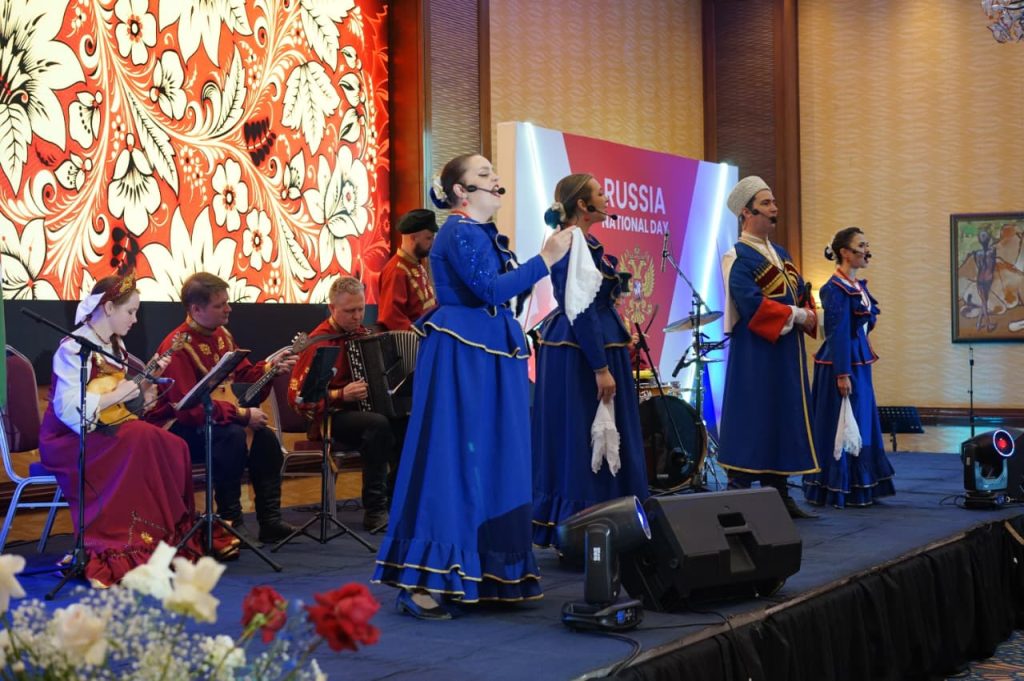
    The celebrations brought together diplomats, government officials, business leaders, academics, members of the media, the Russian diaspora and friends of Russia.

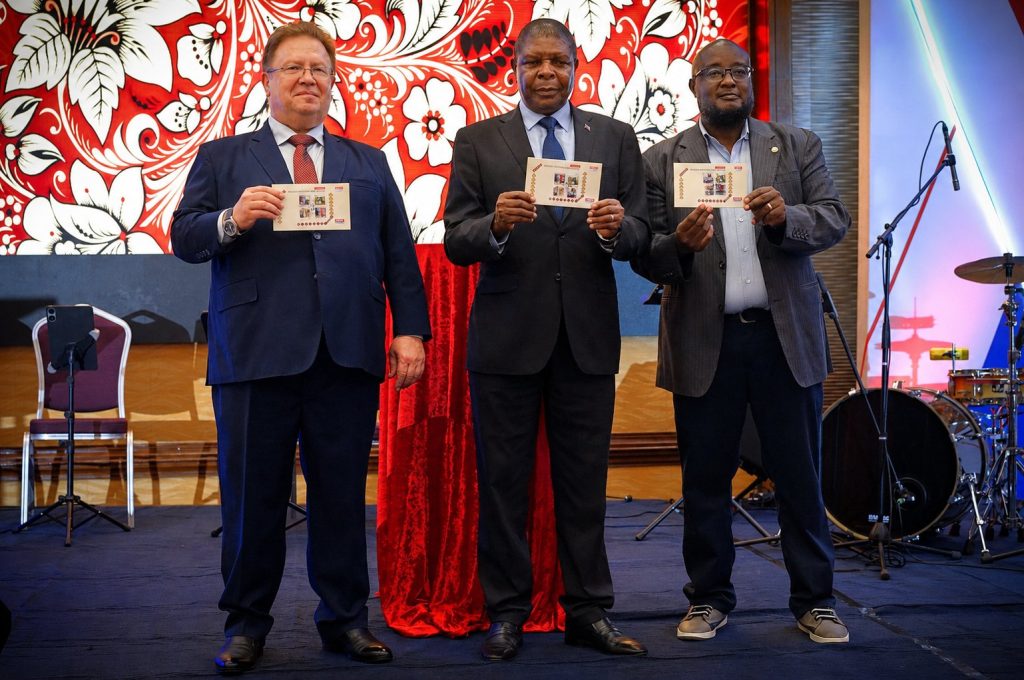
    A commemorative postage stamp collection dedicated to Russian-Kenyan friendship was also launched during the event in partnership with Posta Kenya, symbolising the growing ties between the two nations.

  • Kenya Airways steps up operational reforms to sustain profitability

    Kenya Airways steps up operational reforms to sustain profitability

    Kenya Airways (KQ) is intensifying investments in operational efficiency, digital transformation and cargo expansion as the national carrier positions itself for long-term profitability amid persistent global aviation challenges.

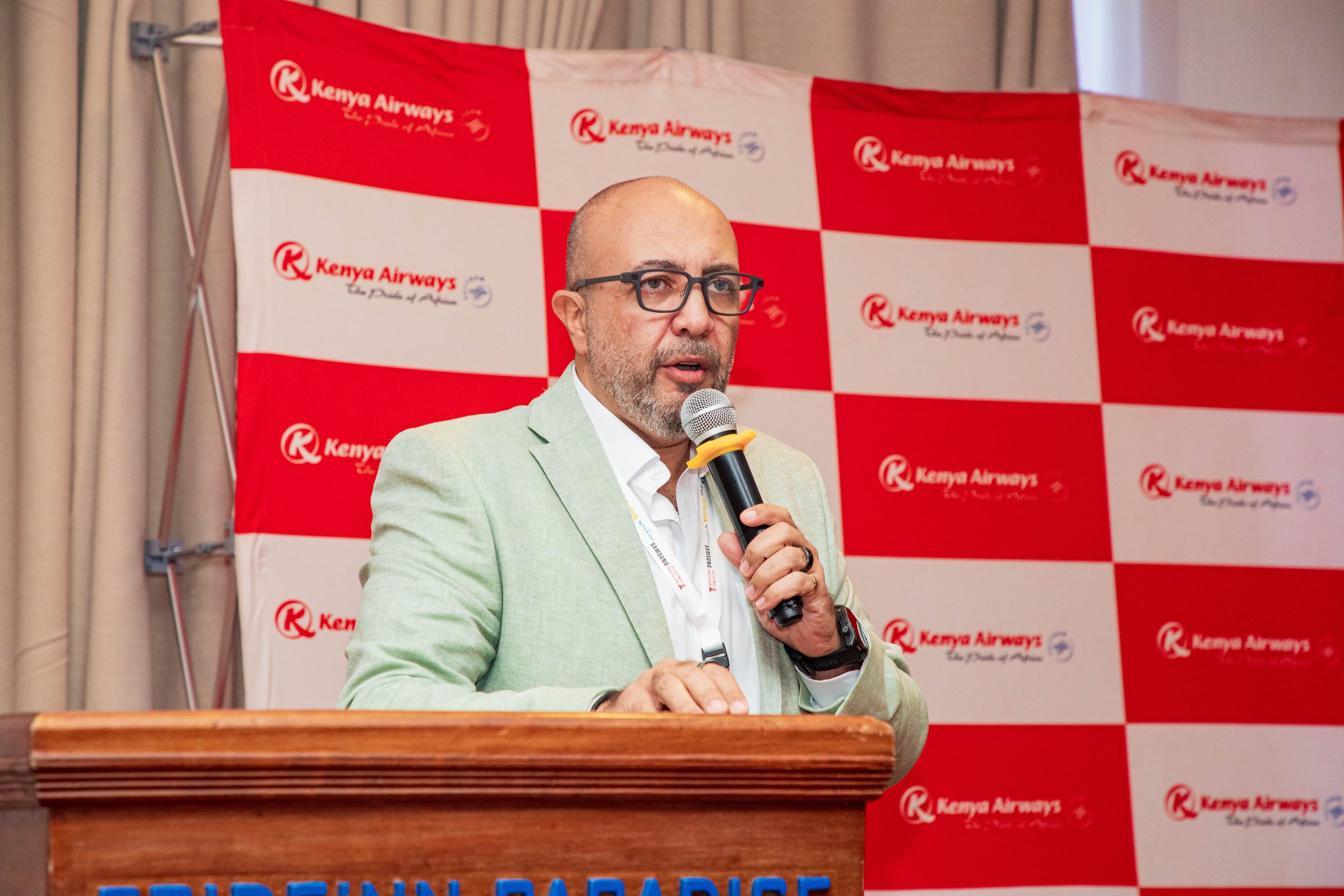
    Speaking during the Kenya Airways Aviation Media Lab, Kenya Airways Acting Managing Director and Chief Executive Officer Captain George Kamal said resilience has become critical for airlines navigating disruptions across the global aviation sector.

    “The aviation industry globally continues to face supply chain disruptions, aircraft shortages, rising operational costs, currency pressure, geopolitical instability and insurance issues,” he said.

    Kamal said the airline is focusing on improving operational recovery, customer experience and network efficiency as part of efforts to strengthen performance and reliability.

    He noted that safety, operational discipline and financial stability remain central to the airline’s strategy as Kenya Airways seeks to maintain its role as the country’s national carrier.

    “Safety comes number one, operational discipline, customer confidence, financial stability and above all maintaining our responsibility as Kenya’s national carrier and strategic lifeline to our people,” Kamal said.

    Nairobi as Africa’s aviation gateway

    The CEO described Nairobi as one of Africa’s key aviation gateways, revealing that Jomo Kenyatta International Airport (JKIA) handled about 8.6 million passengers in 2025 while Kenya Airways currently connects 42 routes across 44 countries.

    According to Kamal, the airline’s connectivity continues to support trade, logistics firms, exporters and thousands of Kenyan farmers who rely on air transport to access international markets.

    He noted cargo business remains a major pillar in the airline’s growth strategy with target to increase its freight market share by the end of the year.

    “We have 11 per cent market share which equates to about 70 tonnes. We are aiming to have 250 tonnes by the end of the year, translating to over 40 per cent market share,” he said.

    On the future of African aviation, Kamal said the continent is entering a defining growth phase, with passenger traffic expected to double by 2040.

    He called for implementation of initiatives such as the Single African Air Transport Market (SAATM), lower taxes and open borders to improve connectivity across the continent.

    “Africa cannot develop if Africans cannot efficiently connect with each other,” he said.

    The airline is also pursuing sustainability initiatives through partnerships aimed at establishing Africa’s first dedicated sustainable aviation fuel facility in Kenya using recycled materials such as used oils and animal fats.

    Once operational, Kamal disclosed the facility is expected to produce 42 metric tonnes of sustainable aviation fuel.

  • EAC intensifies push for harmonised digital policies to boost regional trade

    EAC intensifies push for harmonised digital policies to boost regional trade

    The East African Community (EAC) is ramping up efforts to integrate digital systems across member states in a bid to boost regional trade, lower business costs and improve access to online services.

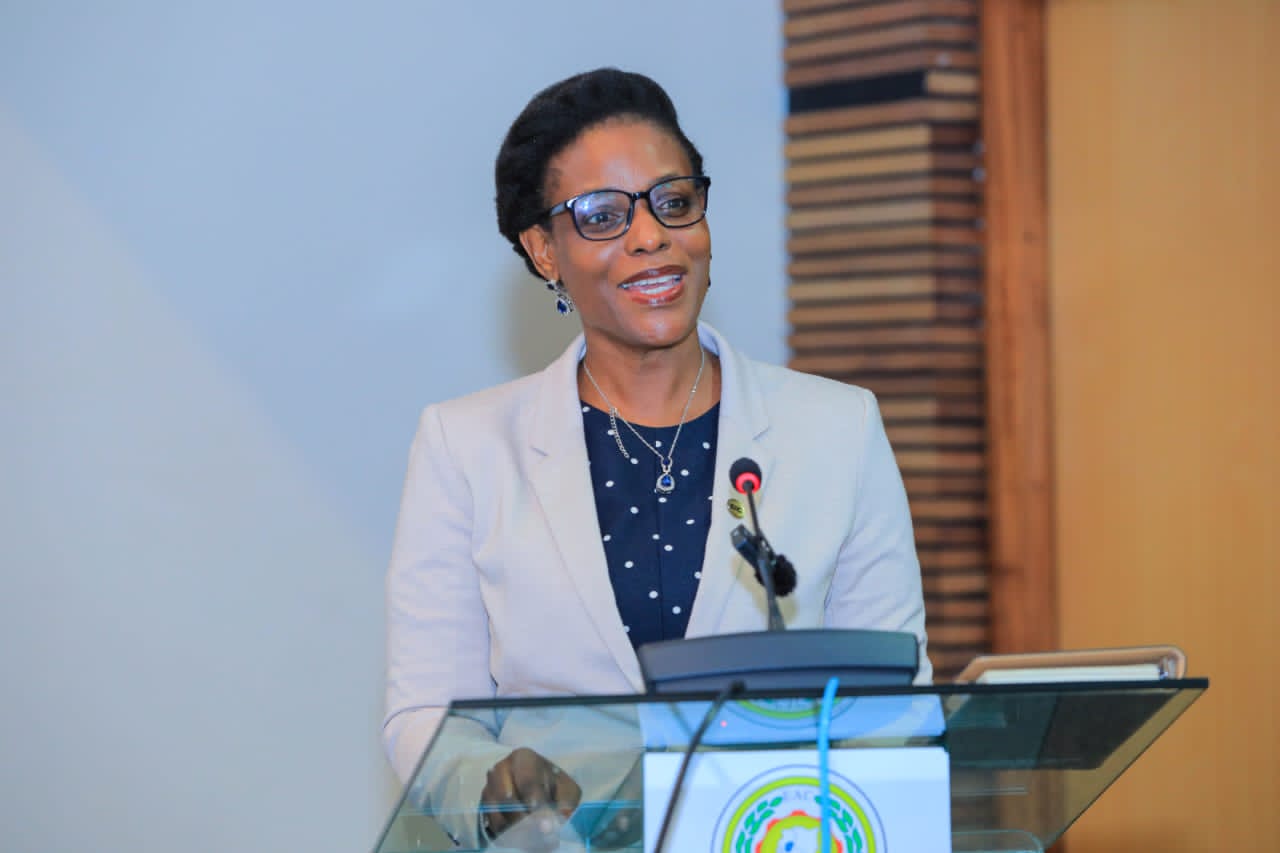
    Speaking on Thursday during a joint EAC and IGAD Eastern Africa Regional Digital Integration Project (EARDIP) regional media training workshop in Nairobi, EAC Deputy Secretary General for Customs, Trade and Monetary Affairs Annette Ssemuwemba said the region was at a critical stage in its digital transformation journey.

    “The East African Community stands at a very important moment in its development journey. Digital technology has transformed how we communicate, trade and deliver services,” she said.

    Ssemuwemba noted that interoperable digital systems will enable businesses to access wider regional markets while improving efficiency in public service delivery.

    “When digital systems work across borders, businesses can reach new markets. When citizens can access services online, productivity increases and costs reduce,” she said.

    She said the EAC, working jointly with the Intergovernmental Authority on Development (IGAD) and partner states through EARDIP, is prioritising expansion of cross-border digital infrastructure and harmonisation of policies to support the region’s growing digital economy.

    According to Ssemuwemba, the initiative seeks to strengthen broadband connectivity across borders, support digital trade, improve cybersecurity preparedness and promote aligned regional digital regulations.

    She also called for stronger collaboration between governments, regional institutions, the private sector, development partners and the media to ensure digital technologies contribute to economic growth and improved livelihoods across Eastern Africa.

    “The future of Africa should be collaborative. Together, governments, regional institutions, the private sector, development partners and the media can build a region where digital technologies drive growth, create opportunities and improve livelihoods for our citizens,” she said.

    The Eastern Africa Regional Digital Integration Project (EARDIP) is a World Bank-financed programme aimed at advancing digital market integration in Eastern Africa through enhanced cross-border broadband connectivity, data sharing and digital trade.

    The project is also expected to support regional economic integration by promoting a more inclusive and interconnected digital economy.

  • Kenya, Japan pledge deeper economic cooperation

    Kenya, Japan pledge deeper economic cooperation

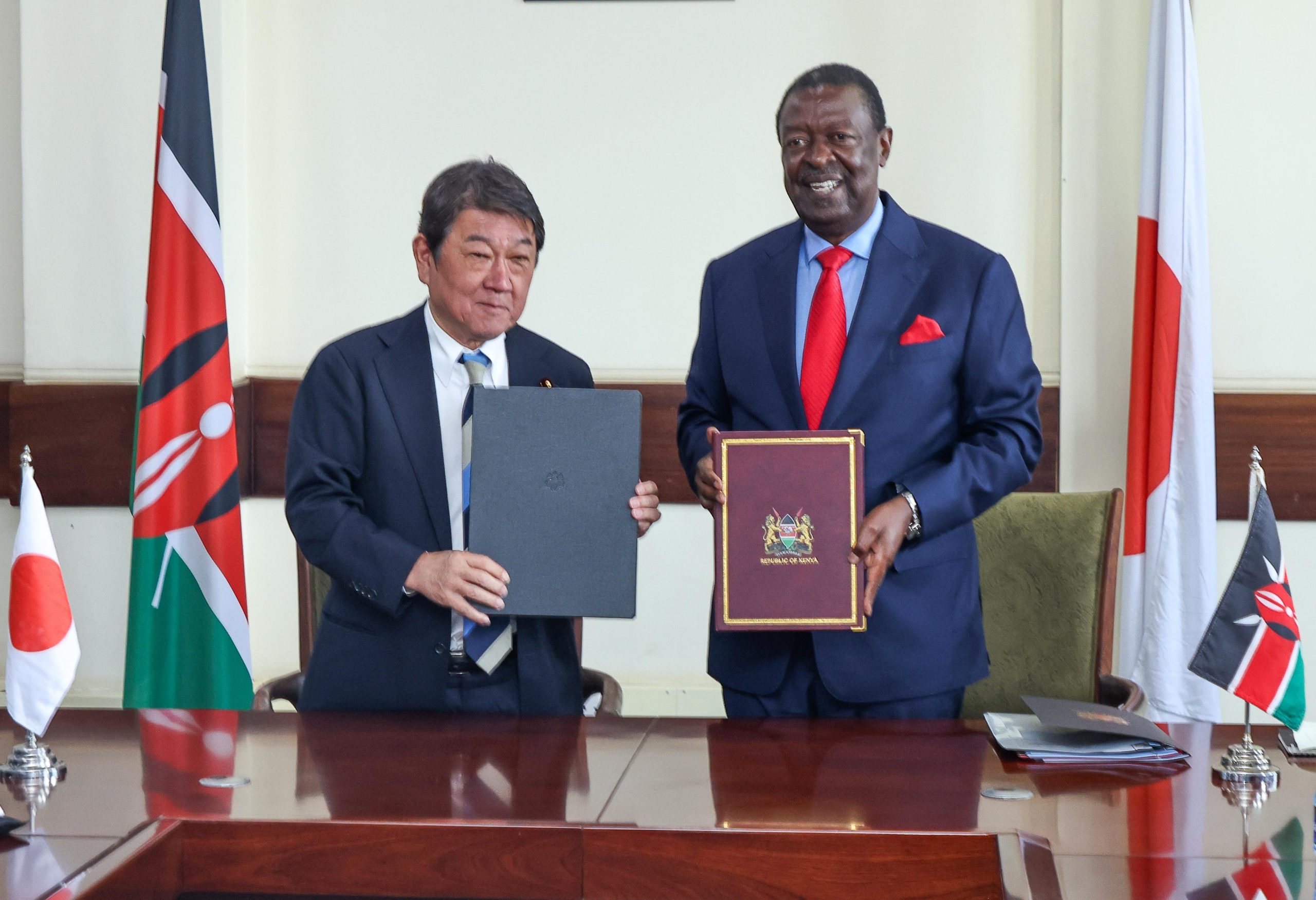
    Kenya attaches great importance to its partnership with Japan, which has continued to deliver tangible results across critical sectors of the economy, Prime Cabinet Secretary and Cabinet Secretary for Foreign and Diaspora Affairs Musalia Mudavadi has said.

    Speaking when he hosted a Japanese government visiting delegation led by Japan’s Foreign Minister Motegi Toshimitsu, Mudavadi said that Kenya and Japan have committed to deepen their cooperation in trade, investment, development and multilateral engagement.

    Mudavadi said Kenya and Japan reviewed progress in Kenya -Japan relations and explored new areas of cooperation.

    “Japan is Kenya’s key and dependable development partner. Kenya attaches great importance to its partnership with Japan, which has continued to deliver tangible results across critical sectors of our economy,” he said.

    The PCS noted that the visit comes at a time of global economic and geopolitical uncertainty, saying stronger partnerships are necessary to sustain development momentum.

    “We are operating in an increasingly volatile global environment, and it is important that we continue to strengthen strategic partnerships such as this one,” said Mudavadi.

    Mudavadi highlighted Japan’s support through Official Development Assistance, which has financed major projects in energy, infrastructure, agriculture, health, ICT, and education.

    “Japan’s development cooperation has been instrumental in supporting Kenya’s transformation, particularly in geothermal energy, irrigation, and infrastructure development,” said Mudavadi.

    On trade relations, Mudavadi pointed to the existing imbalance, noting that Kenya’s exports to Japan remain significantly lower than imports.

    “There is a need to expand market access for Kenyan products and create a more balanced and mutually beneficial trade relationship,” he said.

    He encouraged Japanese investors to take advantage of opportunities in Kenya under Public-Private Partnerships and ongoing economic reforms.

    “Kenya remains open and ready for investment. We welcome deeper Japanese participation in our development agenda,” he said.

    On financial cooperation, Mudavadi highlighted ongoing discussions on innovative financing arrangements, including the proposed Samurai loan structure and support for key infrastructure projects such as the Mombasa Special Economic Zone Phase II.

    “These financing discussions are critical in supporting priority national projects and strengthening economic resilience,” he said.

    On security cooperation, he welcomed Japan’s continued support in maritime security and capacity building, noting its importance to regional stability and trade facilitation.

    Mudavadi also addressed multilateral cooperation, calling for stronger collaboration in global governance reform and international financial systems.

    “We must continue to push for a more inclusive and responsive multilateral system that reflects current global realities,” he said.

    On global peace and security, he expressed concern over ongoing conflicts in Ukraine, the Middle East, and parts of Africa.

    “These conflicts continue to disrupt global supply chains and economic stability. Dialogue remains the most viable path to lasting solutions,” he said.

    During the talks, Mudavadi congratulated Japan on the election of Her Excellency Sanae Takaichi as the country’s first female Prime Minister, describing it as a historic milestone.

    “Kenya congratulates Japan on the election of its first female Prime Minister. This is a significant milestone that reflects progress in inclusive leadership,” he said.

    Toshimitsu said Japan values its partnership with Kenya and is committed to expanding cooperation.

    “Kenya is an important partner for Japan in Africa. We are committed to deepening our cooperation in trade, investment, and development,” Toshimitsu said.

    The two leaders called for accelerated efforts to address the trade imbalance, expand market access, and promote value addition for Kenyan exports. They also called for stronger collaboration in investment promotion and business linkages.

    They further called for expanded cooperation in people-to-people exchanges, including education, tourism, culture and sports, as well as technical training and scholarship programmes.

    On maritime security and climate action, the two sides called for enhanced cooperation, including Kenya’s participation in global green initiatives such as the Yokohama Green Expo 2027.

    The meeting concluded with both sides expressing commitment to deepen practical cooperation aimed at delivering tangible economic and development outcomes.

    The Kenya – Japan partnership spans over six decades and continues to evolve as a key pillar of bilateral relations, anchored on development cooperation, trade and strong people-to-people ties.

  • Gov’t maps 59 Tana River flood zones as nationwide death toll rises to 18

    Gov’t maps 59 Tana River flood zones as nationwide death toll rises to 18

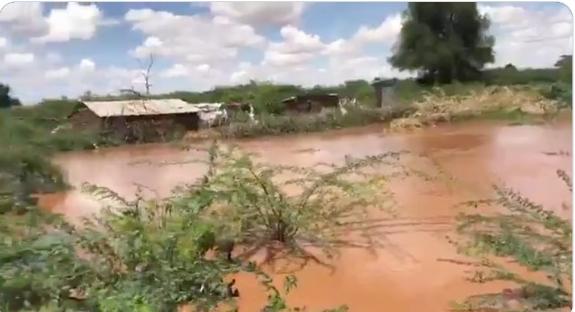
    The Government has identified 59 flood-prone areas across Tana River County as rising water levels from the Seven Forks Dam continue to heighten risk in low-lying settlements.

    According to the Ministry of Interior, Tana Delta is the worst-hit sub-county, accounting for 32 of the identified high-risk zones.

    Ten other areas are in Tana River Sub-County, eight in Bangale Sub-County, six in Tarasaa Sub-County and three in Tana North Sub-County.

    The mapping exercise follows repeated weather alerts warning of increased flooding risk due to rising river discharge linked to the Seven Forks hydroelectric system upstream.

    In Tana Delta, the affected areas include Feji, Kiembe, Halubha, Sera, Bwoka, Tsanankuu, Godhey, Dobaley, Abaganda, Salama, Ndera, Wema, Galili, Chira, Bilisa, Shirikisho, Kipini Division, Miliki, Majaliwa, Onido, Ndiponi, Kau, Kilelengwani, Kalota, Pungaupepo, Kidhanga, Diribu, Magogoni B, Kajisten, Ndimimbii, Ribe A and Ozi Mtangani.

    In Tana River Sub-County, at-risk locations include Masabubu, Rhoka, Kinakomba-Boji, Emmaus, Watta Hamesa, Vukoni, Mkomani, Bondeni, Laza-Makaburini, Makere, Bowa, Mbalambala, Mororo, Saka, Madogo, Tula, Ziwani and Bulto Banta.

    In Bangale Sub-County, the identified areas are Bura, Chewele and Hirimani, while Tarasaa Sub-County includes Kipao, Ongonyo, Odole, Konemansa, Kigomo and Manono.

    Bura, Chewele and Hirimani locations in Tana North Sub-County have also been also flagged.

    Residents in all identified areas have been urged to remain on high alert and relocate to higher ground when directed by security agencies as water levels continue to fluctuate.

    “The Government, in collaboration with multi-agency response teams, continues to monitor the situation and coordinate response efforts across affected regions,” said the interior ministry.

    Nationwide flood impact

    Nationwide, 18 deaths have been confirmed as of May 2, 2026, most of them resulting from drowning incidents amid ongoing flooding in several parts of the country.

    The Eastern region has recorded the highest toll at nine fatalities, followed by Central (three), Coast (two), Nairobi (two) and Rift Valley (two).

    In Nairobi, floods have affected an estimated 6,600 people, displacing families and damaging roads, schools and residential estates across multiple sub-counties.

    In Central Kenya, counties including Kirinyaga and Kiambu have reported widespread destruction, with bridges and road networks cut off while in Mwea West alone about 3,000 residents have been displaced.

    In the Eastern region, Makueni County has reported the highest number of fatalities, with flash floods and mudslides also destroying homes and damaging critical infrastructure, including roads and power lines.

  • US threatens shipping firms with sanctions if they pay Iran tolls

    US threatens shipping firms with sanctions if they pay Iran tolls

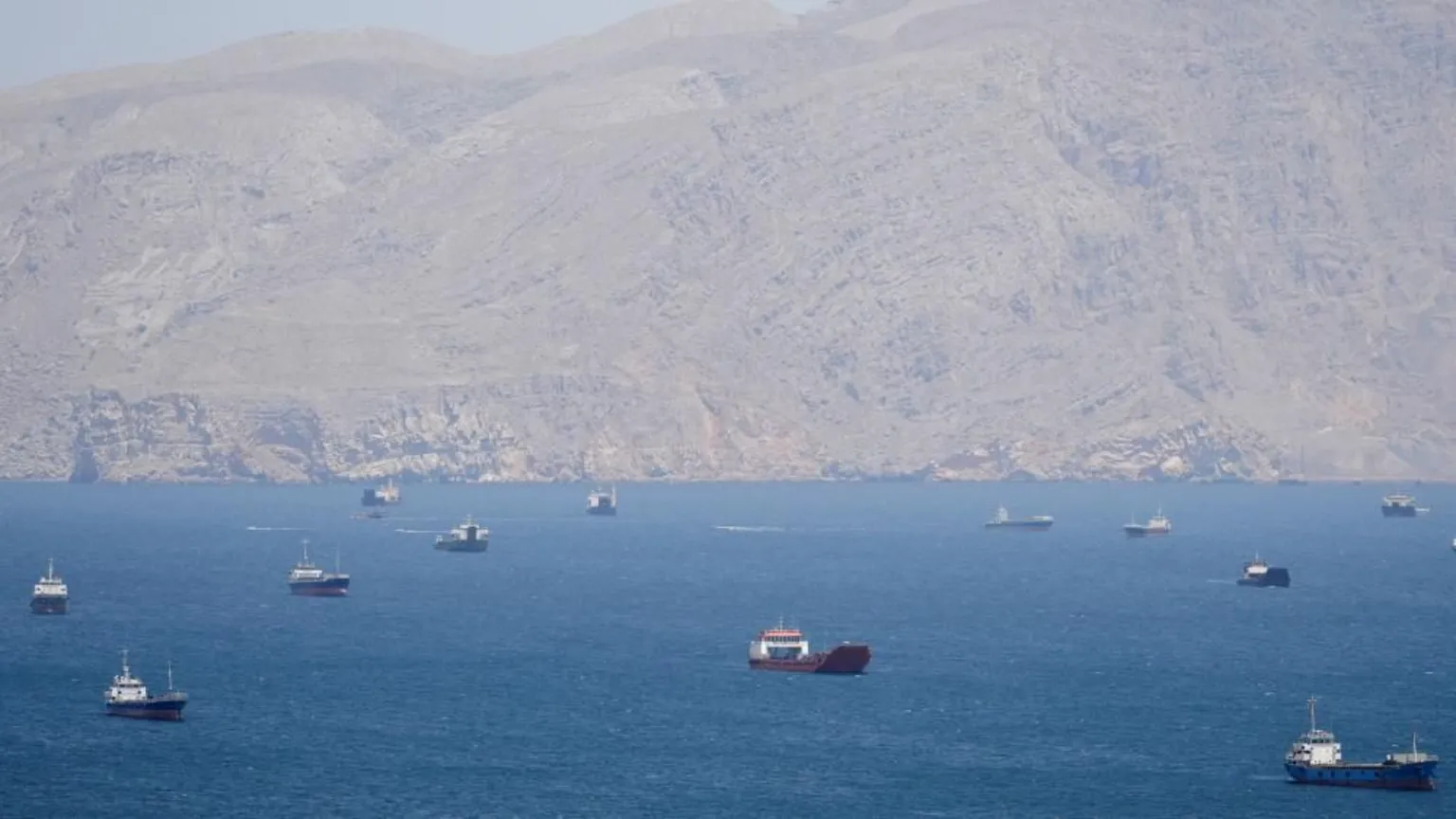
    The US has warned shipping companies they could face sanctions if they pay Iran for safe passage through the Strait of Hormuz.

    An alert on Friday by the US Office of Foreign Assets Control (OFAC) warned US persons and companies were generally banned from paying Iranian government entities, and non-US persons may risk exposure to sanctions if they pay.

    “Maritime industry participants involved with vessels calling at Iranian ports face significant sanctions risk under multiple sanctions authorities targeting Iran’s shipping sector and ports”, OFAC said.

    Iran has severely limited traffic through the strait since the war began in February. The US has also enforced a naval blockade on Iranian ports.

    Iran has called the US interception of ships entering and leaving Iranian ports under the blockade “piracy”.

    Tehran says it has collected tolls from ships in order to navigate freely through the strait, with Hamidreza Haji Bababei, deputy speaker of Iran’s Parliament, last week claiming the first toll revenue had been deposited with the country’s Central Bank.

    No further detail was provided on the amount of the toll, the method of collection nor who paid it. The BBC could not independently verify this claim.

    OFAC’s alert said payments could involve cash as well as “digital assets, offsets, informal swaps, or other in-kind payments,” including charitable donations and payments at Iranian embassies.

    The agency warned that non-US persons who pay could also face civil and criminal enforcement liability if payments cause US persons, such as insurers and financial institutions, to violate sanctions.

    OFAC said it “will continue to aggressively target Iran’s main revenue-generating sectors, in particular its petroleum and petrochemical sectors”.

    The US Treasury also announced sanctions on three Iranian foreign currency exchange houses on Friday, saying they have converted oil revenue into more usable currencies.

    Treasury Secretary Scott Bessent said his agency would “relentlessly target the regime’s ability to generate, move and repatriate funds, and pursue anyone enabling Tehran’s attempts to evade sanctions”.

    After the US and Israel attacked Iran on 28 February, Iran has been targeting and striking ships passing through the Strait of Hormuz, including seizing two of them.

    The US has also enforced a naval blockade since 13 April, stopping all ships from travelling to or from Iranian ports. Trump had hoped the blockade would put pressure on Iran by targeting its revenue from the tolls and oil sales.

    US Central Command (Centcom) said on Friday that 45 commercial ships have been told to turn around since the blockade began.

    About 3,000 ships typically pass through the strait each month, but that number has dropped sharply to just a handful each day.

    The strait is a crucial shipping channel for oil and other goods including food, medicines and technological supplies.

    UNHCR, the UN refugee agency, said on Friday that the closure of key maritime routes has forced the use of longer and more expensive alternatives to transport aid.

    Higher transport and fuel costs “disproportionately affect people in emergencies”, including refugees and displaced people, the agency said.

    The cost of delivering aid to Sudan, entering its fourth year of war, has doubled in recent months, as rerouting shipments around the Cape of Good Hope in South Africa adds up to 25 days in delivery time.

    The UN agency said it has adapted quickly by rerouting sea cargo and relying more on land corridors. But it warned that “if instability in the Middle East persists, rising costs, delays and limited transport capacity are likely to constrain humanitarian operations further.”

    The US and Iran began a fragile ceasefire on 8 April. Since then, the two countries have held talks, but no long-term deal has been reached.

    Iran gave mediators in Pakistan a proposal to end the war on Thursday night, according to Iran’s state-run IRNA news agency. However, US President Donald Trump has responded negatively to the proposal.

    “They want to make a deal, I’m not excited, so we’ll see what happens,” Trump said on Friday.

    He added: “Because they have no military left, essentially. I’m not sure if they ever get there.”

    The president did not give details about the proposal or explain why he was not satisfied, but said: “They’re asking for things that I can’t agree to.”

    He also voiced frustration with Iran’s leadership, saying: “It’s a very disjointed leadership. They all want to make a deal, but they’re all messed up.”

    After Iran’s Supreme Leader Ali Khamenei was killed in US and Israeli strikes on the first day of the war, his son Mojtaba Khamenei succeeded him. However, decision-making seems less centralised than it was before the war.

    On Thursday, Trump said he was briefed on options for Iran ranging from “blast the hell out of them and finish them forever” to “make a deal”.

    The conflict began after the US and Israel carried out wide-ranging strikes on Iran in February. Iran responded by launching attacks on Israel and US-allied states in the Gulf.

    The US and Israel said Iran was trying to develop a nuclear bomb, which Tehran has strongly denied.