Author: Prudence Wanza

  • 10 dead as heavy rains pound country – NPS

    10 dead as heavy rains pound country – NPS

    At least 10 people have died following ongoing heavy rains pounding several parts of the country.

    In an update issued by the National Police Service (NPS), the seven of the deaths were recorded in the Eastern region as flooding and related incidents continue to take a toll on communities.

    The NPS indicated that the Mwena Bridge in Kwale County and the Ngomeni Bridge in Kitui County have both been damaged, disrupting transport and cutting off access in parts of the Coast and Eastern regions.

    Additionally, a landslide has been reported in Tambach Sub-County, Elgeyo Marakwet, raising concerns over the safety of residents and the stability of infrastructure in the area.

    The NPS said emergency response teams have been deployed and are actively conducting rescue operations, assisting affected families, and working to restore access to essential services.

    The Service added that it is coordinating with relevant government agencies to manage the situation and minimise further risks.

    Members of the public, particularly those in flood-prone areas, have been urged to remain vigilant, avoid flooded zones and follow advisories issued by authorities.

    “We urge all persons, especially those in high-risk and affected areas, to remain vigilant, avoid flooded zones, heed advisories from local authorities, and stay informed as the Kenya Meteorological Department continues to monitor and provide timely updates,” NPS said.

    According to the Kenya Meteorological Department, the heavy rains being experienced in many parts of the country are expected to reduce from the mid-May bringing to an end to the March-April- May (MAM) long rains season.

  • KMPDU mourns veteran gynaecologist Dr. Job Obwaka

    KMPDU mourns veteran gynaecologist Dr. Job Obwaka

    The Kenya Medical Practitioners, Pharmacists and Dentists Union (KMPDU) has mourned the death of Dr. Job Masakhue Lukuru Obwaka, a veteran consultant obstetrician and gynaecologist and Chairman of the Board of Directors at The Nairobi Hospital.

    In a condolence message, the union described Dr. Obwaka as a distinguished medical practitioner who served the country with dedication, noting his contribution to women’s health and the mentorship of generations of doctors.

    “Dr. Obwaka served the medical profession in Kenya with distinction for many years. From his early training at the University of Nairobi, he contributed to women’s health and to the training and mentorship of generations of doctors. He was widely respected for his professionalism, clinical experience, and commitment to patient care,” the statement read.

    The union further noted that beyond his clinical work, Dr Obwaka held leadership roles in key health institutions, where he contributed to the growth and development of healthcare in the country.

    KMPDU extended its condolences to his family, colleagues at The Nairobi Hospital and the wider medical fraternity.

    “We extend our sincere condolences to his family, his colleagues at The Nairobi Hospital, and the wider medical fraternity. We stand with them in this moment of loss. May his soul rest in peace.”

    Dr. Obwaka passed away on Friday evening at the age of 83 years.

  • Teachers to benefit from expanded SHA cover, Ruto assures

    Teachers to benefit from expanded SHA cover, Ruto assures

    President William Ruto has assured teachers of improved medical services under the Social Health Authority (SHA).

    Speaking during the 61st Labour Day celebrations in Vihiga, the President said teachers will be able to access treatment at 9,000 hospitals across the country, up from the initial 900 facilities.

    He noted the hurdles faced by teachers and other public servants were due to transitional operational challenges of the scheme, adding that the revised arrangement will open access to Level 6 hospitals to enhance the range and quality of health services available to teachers.

    Ruto said the improvements follow consultations between the Ministry of Health, the Kenya Union of Post Primary Education Teachers (KUPPET) and the Kenya National Union of Teachers (KNUT).

    “Let me assure all workers, especially teachers and public officials, that those challenges are being decisively addressed. The government has already withdrawn the restrictive tariff mechanisms and initiated a structured, nationwide engagement with healthcare providers,” he said.

    The President’s remarks come against the backdrop of sustained complaints by teachers over the implementation of SHA, which had threatened to escalate into industrial action.

    Teachers, through KUPPET and KNUT, had raised concerns over denied treatment, delays in accessing services and lack of clarity on complaint channels, with some members reportedly turned away from hospitals or forced to incur costs directly despite being covered.

    At the same time, Ruto described SHA as a game-changer in Kenya’s healthcare reforms, saying the number of Kenyans covered under the national health insurance system had risen from about 8 million three years ago to 30.8 million currently.

    According to the President, the shift translates to roughly 65 per cent of the population now covered, compared to just 16 per cent under the defunct National Hospital Insurance Fund.

    “This is not a marginal improvement, it is a fundamental shift, one that is restoring dignity in times of illness, extending protection to millions of families, and accelerating our journey towards truly universal health coverage,” he said.

  • All set for Labour Day fete in Vihiga, first-ever event outside Nairobi

    All set for Labour Day fete in Vihiga, first-ever event outside Nairobi

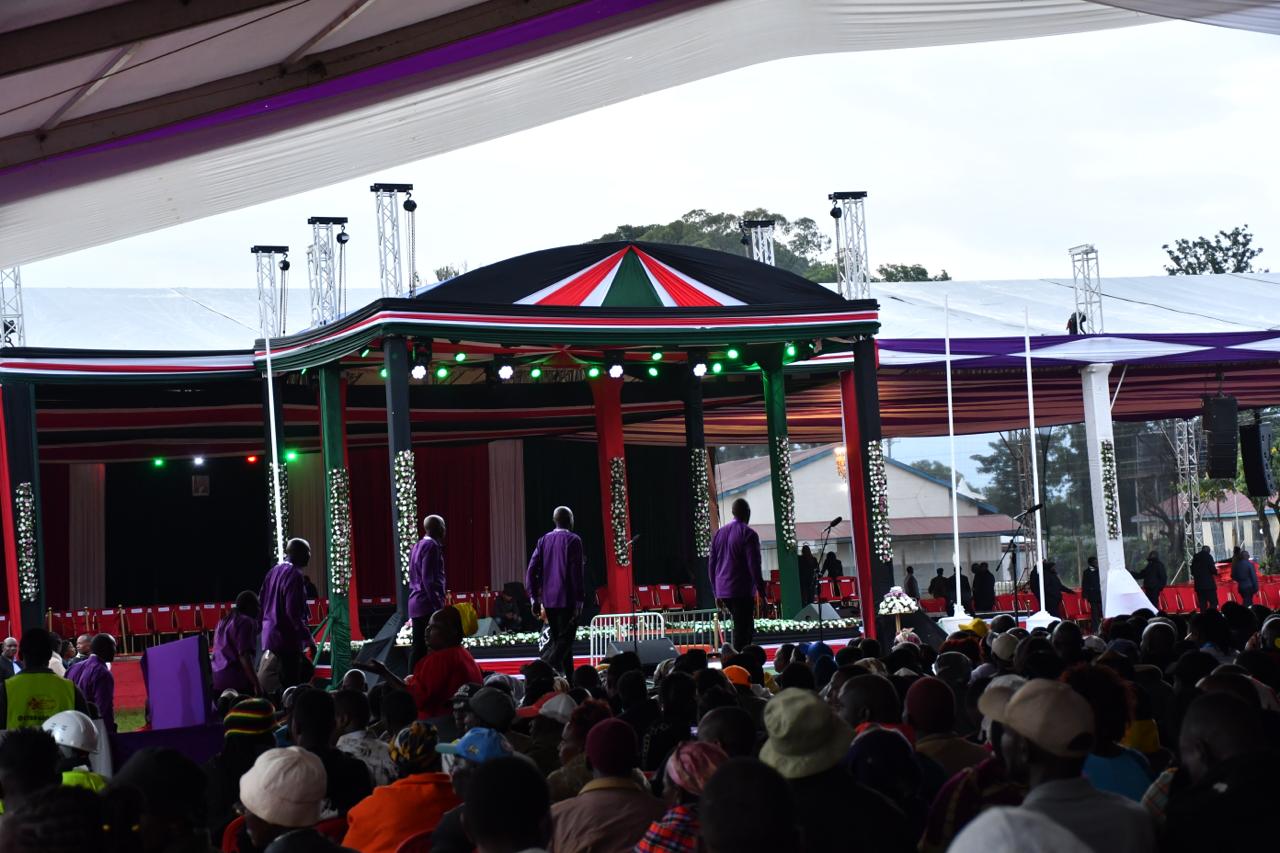
    All is set for the 61st Labour Day celebrations taking place at Chavakali Boys High School in Vihiga County.

    For the first time since independence, the national event is being held outside Nairobi, with Vihiga becoming the first county to host the celebrations.

    Labour and Social Protection Cabinet Secretary Alfred Mutua said preparations have been finalised, with the government working alongside key stakeholders to ensure a smooth event.

    “Moving Labour Day celebrations from Nairobi to Vihiga was a challenge, but the county government led by Governor Wilber Ottichilo, the COTU-K team and security officials have done a commendable job.”

    The celebrations will be presided over by President William Ruto.

    Security has also been heightened at the venue and surrounding areas, with a multi-agency team deployed to manage crowds and maintain order.

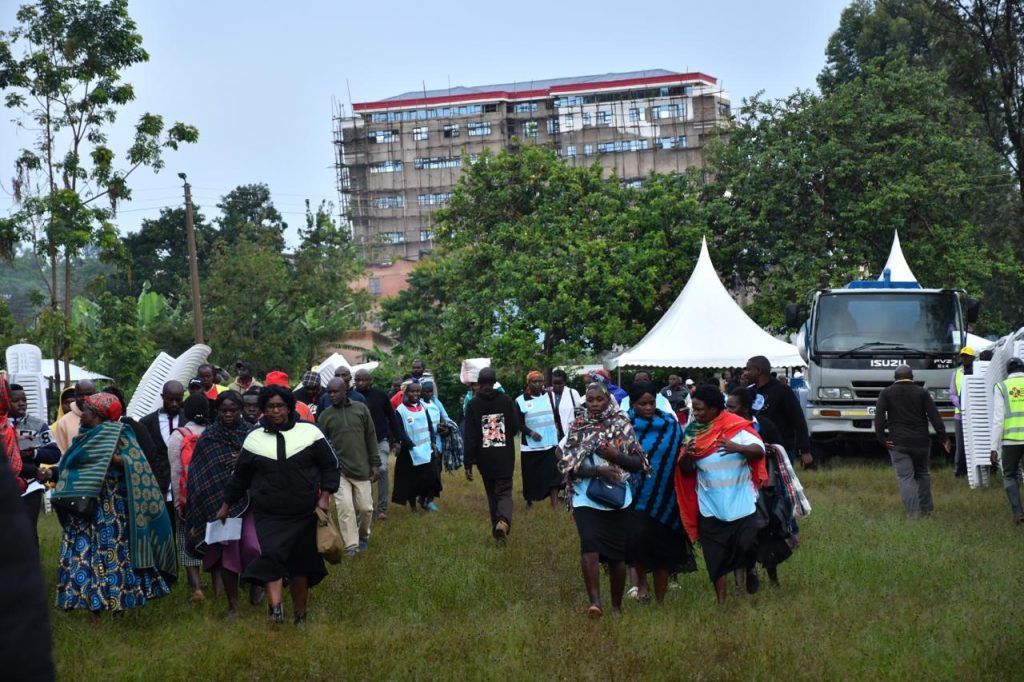
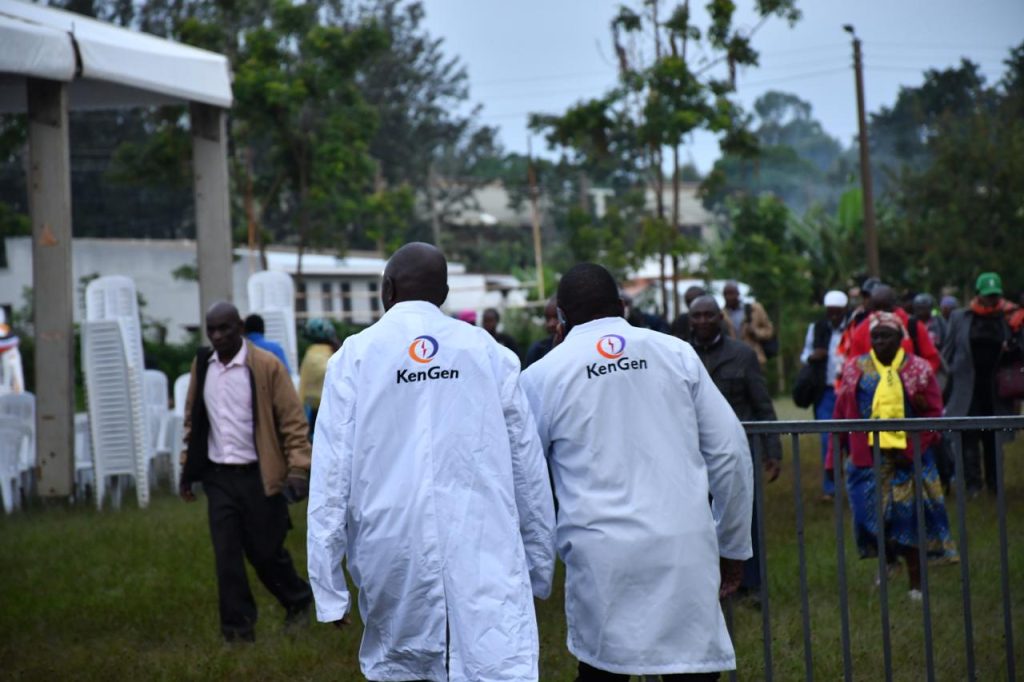
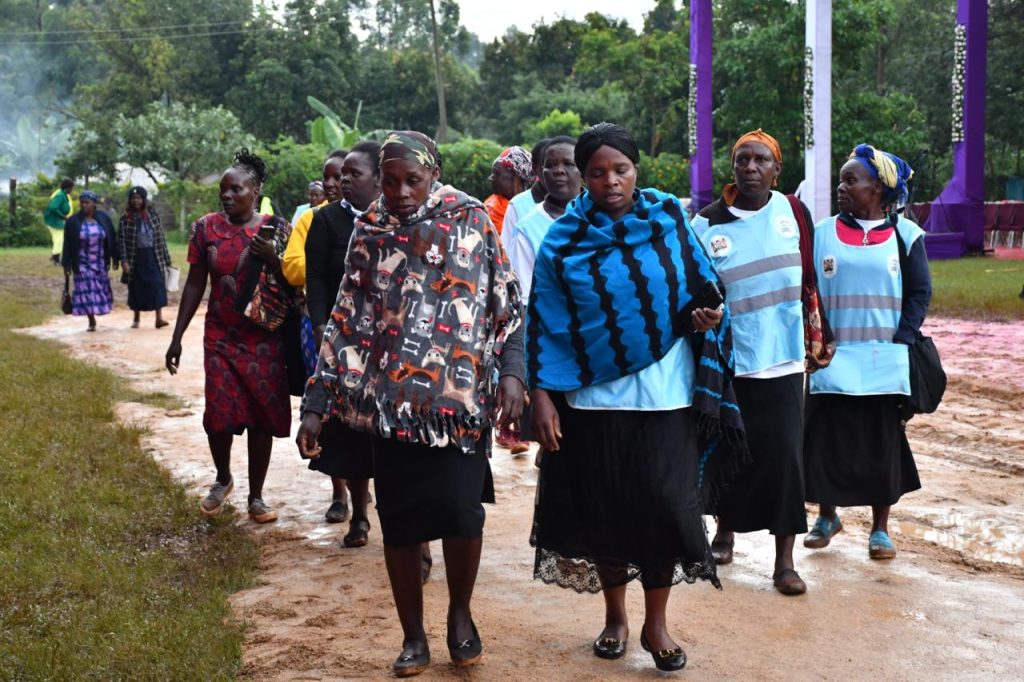
    Kenyans begun streaming into the venue from as early as 4:00AM ahead of the start of the celebrations.

    PHOTO: Selestus Mayira

    Labour Day is marked annually on May 1 to recognise the contribution of workers and the role of the Central Organization of Trade unions (COTU-K).

    PHOTO: Selestus Mayira

    The day provides a platform to address workers’ rights, employment conditions, labour policies and economic issues affecting the workforce.

  • One dead in Nairobi floods as dams fill up – Mwaura

    One dead in Nairobi floods as dams fill up – Mwaura

    Government Spokesperson Isaac Mwaura has confirmed the death of a 29-year-old woman who was swept away by floodwaters in Zimmerman, Nairobi, as heavy rains continue to pound several parts of the country.

    In a statement, Mwaura said the incident occurred on April 28, 2026, at around 10:30pm near Turners Club, where the victim’s body was later discovered in a ditch.

    The body was taken to City Mortuary pending identification and a post-mortem examination, as investigations continue.

    Mwaura further warned that Masinga Dam was reported full as of Tuesday evening, April 28, prompting controlled water releases to ease pressure.

    Kamburu, Gitaru and Kindaruma dams are also under regulated discharge, while Kiambere Dam is expected to begin spilling within five days due to continued inflows from the Aberdares and Mount Kenya catchment areas.

    “These developments have heightened the risk of flooding downstream, particularly in Garissa and Tana River counties. The Government, through the National Disaster Operation Centre (NDOC) and relevant agencies, continues to closely monitor the situation while coordinating preparedness and response efforts,” said Mwaura.

    He urged residents in low-lying areas in the two counties to move to higher ground immediately, as local authorities intensify evacuation efforts.

    Meanwhile, multiple flood-related incidents have been reported in the North Sub-Region, particularly in Kasarani Sub-County, where the Street 13 bridge towards Mwiki has been submerged by the swollen Gatharaini River, rendering it impassable.

    Several residential areas have also been affected, with about 20 houses flooded in Maanguo, 60 in the Maternity area and 30 in Muirigo.

    In Mwiki Location, the Nairobi River has swollen but remains within its banks, although flooding has been reported along the Njeri House-Nyawai Road stretch between ACK Streets 5 and 7.

    Mwaura said disaster response teams led by the Kenya Defence Forces (KDF) are managing the situation in Kasarani, as authorities continue to urge the public to remain vigilant and adhere to official safety advisories.

    He added that the government will maintain continuous surveillance and provide updates, calling on residents to report emergencies swiftly and cooperate with response teams to mitigate the impact of the ongoing floods.

  • Ruto: Construction of new airport to replace JKIA to start in June

    Ruto: Construction of new airport to replace JKIA to start in June

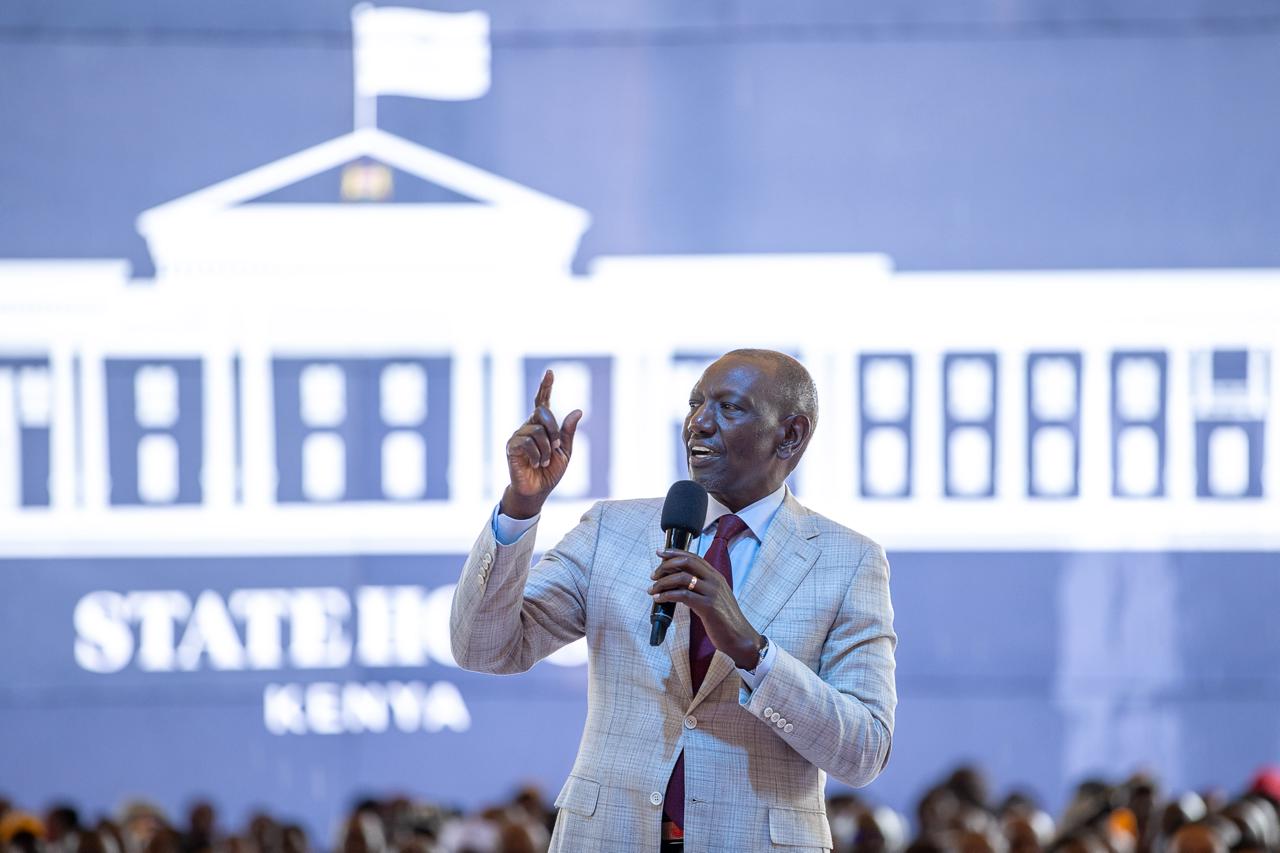
    The construction of a new airport to replace the aged Jomo Kenyatta International Airport will start within the next two months, President William Ruto has announced.

    The President said the government has raised enough funds for the National Infrastructure Fund and from the private sector to undertake the critical project.

    “We will allocate some money from the National Infrastructure Fund and start construction of the airport in June, with the help of the private sector, at a cost of Ksh180 billion,” he said.

    He made the remarks when he hosted 5,000 grassroots leaders from Kirinyaga County at State House, Nairobi, on Wednesday.

    Present were Deputy President Kithure Kindiki, Governor Ann Waiguru, MPs Gitari Gachoki (Kirinyaga Central), Mary Maingi (Ndia), George Kariuki (Ndia), and MCAs, among other leaders.

    President Ruto pointed out that the government has already identified 12 dams and is completing surveying 28,000km of roads that will be built from proceeds from the Fund and the private sector.

    “That is how to transform a country: With a vision and a plan,” he said.

    He explained to the delegation that Kenya’s economy has recovered and stabilised as shown by key economic indicators, including inflation, increased forex reserves, and a stable shilling against major currencies.

    “I can confidently tell you that there’s a world of difference in the state of our economy from where we found it in 2022,” he said.

    Consequently, he noted, Kenya’s economy has significantly improved and has been ranked as the sixth largest in Africa, up from the eight in 2022, by the International Monetary Fund.

    The President added that reforms in the agricultural sector have yielded better returns for farmers.

    “Our annual tea earnings used to average Ksh140 billion. But in 2025, they topped Ksh215 billion,” he said.

    He directed the Kenya National Trading Corporation Ltd to mop up rice still in farmers’ stores in the county, and ensure that they are promptly paid.

    The President assured the leaders that the government can only increase, not reduce, the price at which it has been buying rice from farmers contrary to false assertions from political detractors.

    Additionally, the President said he will distribute 13 milk coolers to cooperatives in the county during his upcoming tour of development projects in the region.

    On healthcare, the President said the government has paid Ksh2.8 billion to hospitals in Kirinyaga County over the past one year under the Social Health Authority (SHA), improving service delivery to citizens.

    “This is just the beginning. We are still refining SHA to serve Kenyans even better,” he said.

    President Ruto commended Kirinyaga residents for registering high numbers in SHA, noting that 475,000 residents have enrolled under the scheme, making it the fourth highest in the country in registration.

    The President further said county hospitals in Kirinyaga have so far received equipment worth Ksh330 million under the National Equipment Service Project.

    He announced that he will soon launch the construction of a Kenya Medical Research Institute centre in Mwea Constituency, as well as a Level 4 hospital at a cost of Ksh200 million.

    President Ruto said the government is investing Ksh15 billion to build 4,000 housing units, 4,000 students hostels, and 12 modern markets.

    Moreover, he said, the government is spending KSh6 billion to upgrade the road network in Kirinyaga County, and assured the leaders that all projects would be completed on time.

    He told the leaders that his relationship with the people of Central Kenya region is a long and enduring one, which cannot be shaken by self-serving opponents.

  • Kenya to integrate traditional medicine into national health system, Oluga says

    Kenya to integrate traditional medicine into national health system, Oluga says

    Kenya is moving to formally integrate traditional medicine into its national health system.

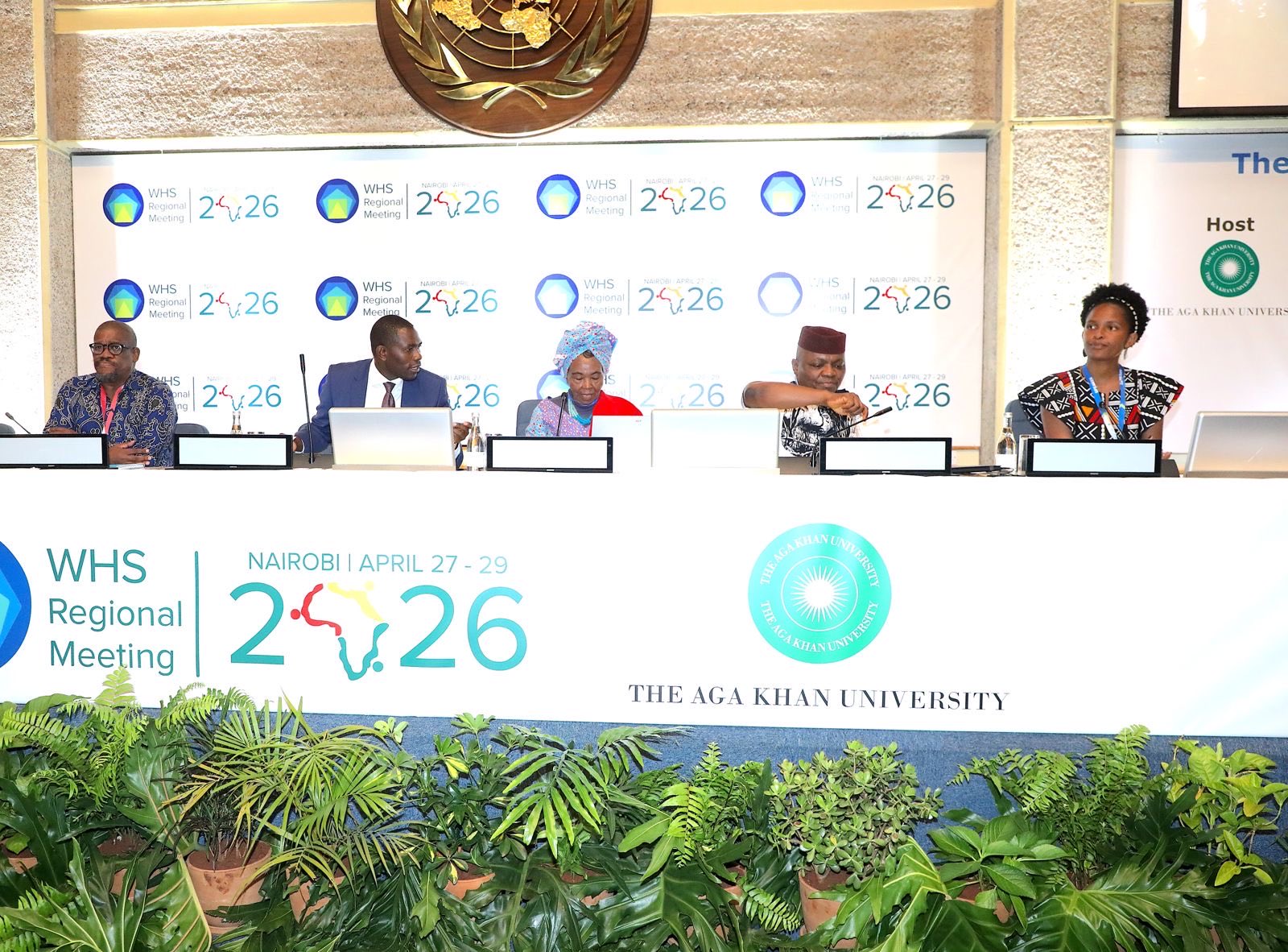
    Speaking at a side event during the World Health Summit Regional Meeting 2026, Medical Services PS Dr. Ouma Oluga said the government will integrate Traditional, Complementary and Integrative Medicine (TCIM) into primary healthcare structures, backed by policy, regulation and quality controls.

    He said the approach will target persistent system pressures such as rising treatment costs, antimicrobial resistance and a growing burden of non-communicable diseases by leveraging care pathways already used by a majority of communities.

    According to the PS, traditional medicine remains the first point of care for up to 80 per cent of populations in sub-Saharan Africa, largely due to affordability and cultural acceptance.

    Oluga indicated that Kenya’s Traditional Medicine Policy will anchor the rollout, with a focus on safety and evidence-based practice.

    The plan includes formal referral linkages between conventional clinicians and traditional practitioners, alongside structured collaboration to improve continuity of care at the primary level.

    He outlined parallel investments in research and clinical validation to close evidence gaps around traditional therapies, even as partnerships with academic institutions and global bodies are expected to support documentation, standardisation and innovation in the sector.

    Oluga said the ministry is prioritising practitioner training and certification frameworks, as well as harmonised standards across the region to enable knowledge exchange and consistent quality assurance.

    He urged development partners to support implementation financing, arguing that integration of traditional medicine is central to building resilient health systems across Africa.

    The panelists

    Key speakers root for inclusion

    Some of the key speakers called for the inclusion of traditional medicine within national healthcare systems, particularly in Africa, where it is already functioning effectively for many communities.

    Fionah Njeri, a Kenyan community-based researcher and herbalist, and founder of Tremendous Organics, said “Traditional medicine in Africa is already functioning as primary health care for many communities. Globally, nearly 80% of the population is on traditional and complementary medicines for primary healthcare.”

    Other key highlights included the need for investment in research, as well as the development of stronger policies and legislation to ensure that conventional and traditional medicine operate alongside each other as parallel systems.

    Dr. Hiba Boujnah, Head of Global Strategy and Partnerships and WHO Collaborating Center Coordinator at Charité Competence Centre for Traditional and Integrative Medicine expressed similar sentiments.

    “Across Africa, traditional medicine remains a vital component of health and well-being. And it does remain the first point of care for many in Africa and around the world. And it is today undeniable that traditional medicine plays a crucial role in strengthening primary health care towards achieving universal health coverage.”

    She added, “This momentum was particularly reinforced at the second WHO Global Summit on Traditional Medicine last December in India, whereby 27 countries participated.”


  • Mudavadi warns against commercialisation of global peace efforts

    Mudavadi warns against commercialisation of global peace efforts

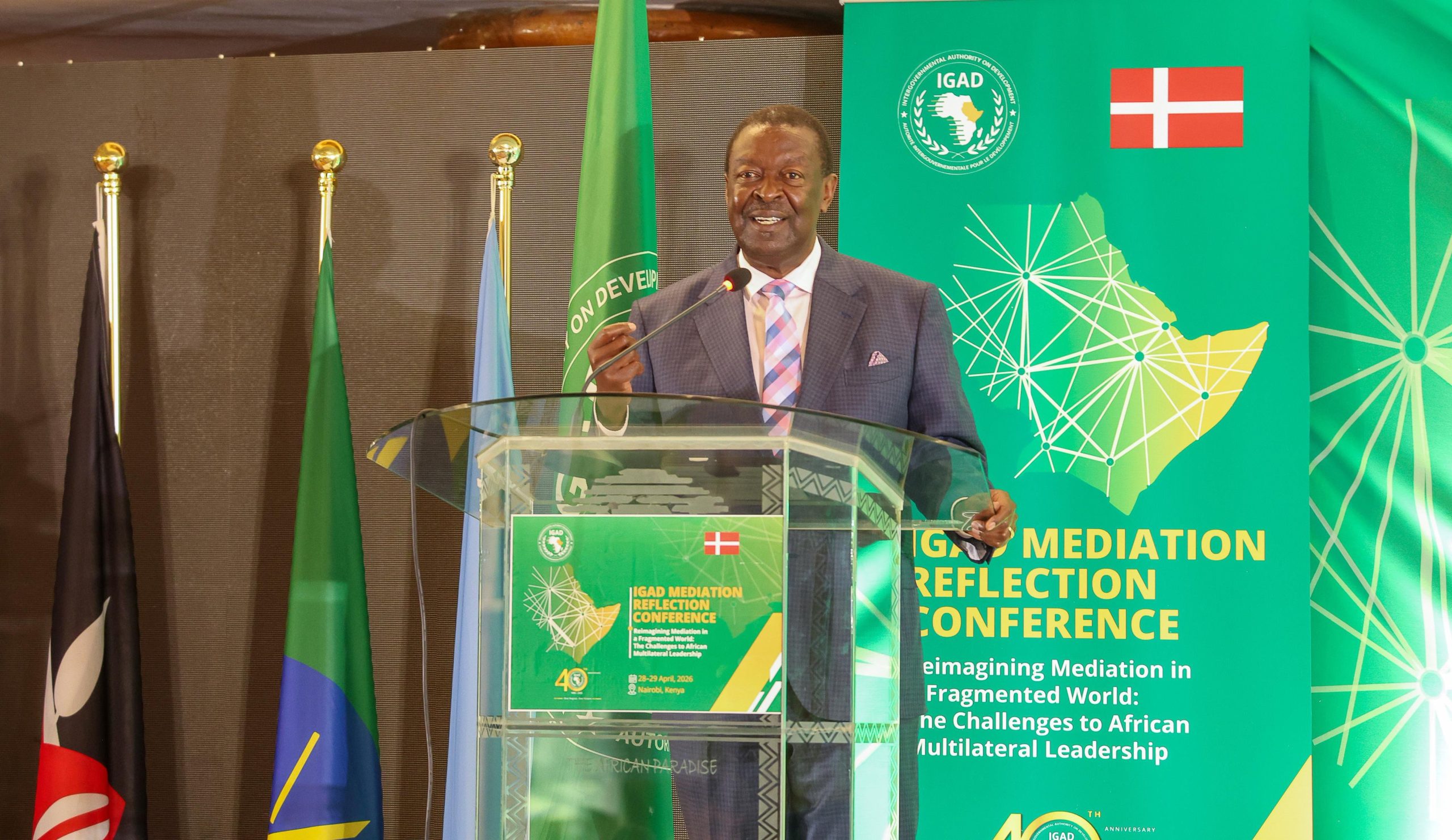
    Prime Cabinet Secretary Musalia Mudavadi has warned against the emerging trend of commercialising peace initiatives globally.

    Mudavadi said efforts to end conflicts both in Africa and other parts of the world have been privatised at the expense of humanity and respect to lives.

    He regretted that mediation processes have turned into business negotiations eroding the fundamental concept of restoring peace and stability.

    “We are seeing an emerging trend where factions are turning into arbitrators of transactions instead of genuinely pursuing efforts that will restore peace and stability in the affected nations and regions,” he regretted.

    “We are now seeing sovereignty facing a new definition other than the description of a self-governing state independent of outside control,” added Mudavadi.

    The Prime CS was addressing the ongoing Intergovernmental Authority on Development (IGAD) mediation reflection conference in Nairobi.

    He said Africa must rethink and adapt to new approaches in pursuing more flexible and responsive mediation frameworks, tailored to the specific contexts of the continent.

    He said the rapidly shifting global dynamics and growing pressures on multilateralism are impacting the coherence, predictability, and effectiveness of mediation efforts calling on African leaders and citizens to embrace shared responsibility that will strengthen dialogue, mediation and African-led solutions to the conflicts that continue to affect the continent.

    “Regional cooperation, political transition, and humanitarian diplomacy should continue to anchor and enrich our collective efforts for peace and stability,” said Mudavadi.

    Mudavadi, who is also the Cabinet Secretary for Foreign and Diaspora Affairs, noted that Africa is confronted with a complex challenge to the mediation landscape especially in the Horn of Africa with protracted and mutating conflicts, marked by fragmentation of actors that are testing the limits of traditional approaches to peace processes.

    He said fragmentation and duplication undermine collective efforts in conflict resolution.

    “African ownership in addressing African conflicts remains essential in ensuring legitimacy, sustainability, and long-term success,” noted the Prime CS

    “It is important to enhance coordination among regional and continental actors. Therefore, a more harmonized approach, anchored on IGAD’s leadership, will strengthen coherence and effectiveness in the Horn of Africa,” added Mudavadi.

    The Prime CS further warned against undermining African institutions tasked with key responsibilities in conflict resolution including the African Union and IGAD among others.

    He said these institutions occupy a unique and strategic position within the African set-up and they must be appreciated, strengthened and supported.

    “It is disturbing to see the people who tend to discredit African institutions like the AU being Africans themselves. You get a reasonable preposition coming from the AU, and we completely refuse to look at it and understand it for our progressive benefit. But when the same is taken to other parties outside Africa, they call you, give you the same document you refused to adopt while at home and you comfortably sign onto it. This must stop,” noted Mudavadi.

    “While acknowledging with appreciation the contributions of external actors in regional peace initiatives, these efforts should be mainstreamed into Africa-led mechanisms. Safeguarding the integrity of African-led mediation requires ensuring that external engagement is aligned with, and advances, our collective objectives,” he further stated.

    Mudavadi said Africans themselves should reflect on the economic value of peace and stability for the continent to prosper.

    He said Africa has all that is needed to make the continent self-sustaining but the persistence of conflicts draw back the gains that the continent could achieve.

    “We have gas in Tanzania and Mozambique. We have oil reserves in Sudan and other parts of Africa but we cannot explore these resources for the benefit of the continent due to conflicts. Right now, the Middle East is in a crisis, the shipping of oil has been affected, but back home we can’t get value of our reserves because of we haven’t strengthened coherence and effectiveness in addressing our conflicts,” he regretted.

    “Africa values and welcomes the support of international partners; however, such support should remain complementary and supplementary, not foundational,” added Mudavadi.

  • Justice Katwa Kigen: Past ties with Ruto will not influence my judicial conduct

    Justice Katwa Kigen: Past ties with Ruto will not influence my judicial conduct

    Court of Appeal Judge Justice Katwa Kigen has defended his bid to join the Supreme Court of Kenya, just three months after taking the oath of office in his current role.

    Appearing before the Judicial Service Commission (JSC) panel Tuesday afternoon, Kigen argued that eligibility for the country’s apex court is grounded in competence rather than time served at the Court of Appeal.

    This followed a question by Chief Justice Martha Koome, who sought to understand why he had applied for the position despite his short tenure as a Court of Appeal judge.

    Kigen, however, dismissed the concerns, maintaining that the recruitment process should not be viewed as a promotion ladder but as a constitutional assessment of suitability to serve in the Supreme Court of Kenya.

    “I have come here for evaluation as to whether or not I’m eligible for appointment to the Supreme Court, and that eligibility is not a question of promotion, it is a question of whether I’m qualified,” he said.

    “The fact that I may have recently been before you should not be a factor because I’m not here for a promotion, I’m here for you to assess whether I’m competent.”

    Justice Kigen, who was among lawyers who represented President William Ruto at the International Criminal Court (ICC), was also pressed to explain whether his past role could affect his impartiality in the event of a presidential election petition after the 2027 polls.

    He noted that his past client relationship with the Head of State should not count against him, saying his judicial conduct would be guided strictly by facts and the law.

    According to Kigen, many judges elevated to the bench previously represented clients in private practice without attracting similar scrutiny.

    “I intend to be as objective and neutral in the discharge of my functions as a judge. I want to give the assurance that I’ll be fair and I would only deal with facts and law. To distinguish me just because of one client… would probably not be quite fair,” he said.

    Kigen said recusal remains an available mechanism in the event a conflict of interest arises, though he stressed it should remain a last resort.

    “My relationship with His Excellency is not that I always said yes to everything he wanted… it has never taken my objectivity away,” he stated.

    “There are measures if anybody is concerned about my sitting on the bench. There are provisions for how that can be handled, including recusal, and I’m aware that some presidential petitions have been done with less than the totality of the seven Supreme Court judges.”

    Kigen is among five candidates seeking to fill a vacancy at the Supreme Court following the death of Justice Mohamed Ibrahim in December last year.

    He was also among 14 Court of Appeal judges who were sworn into office on January 28.

  • Kenya poised for trade gains as China opens export market access

    Kenya poised for trade gains as China opens export market access

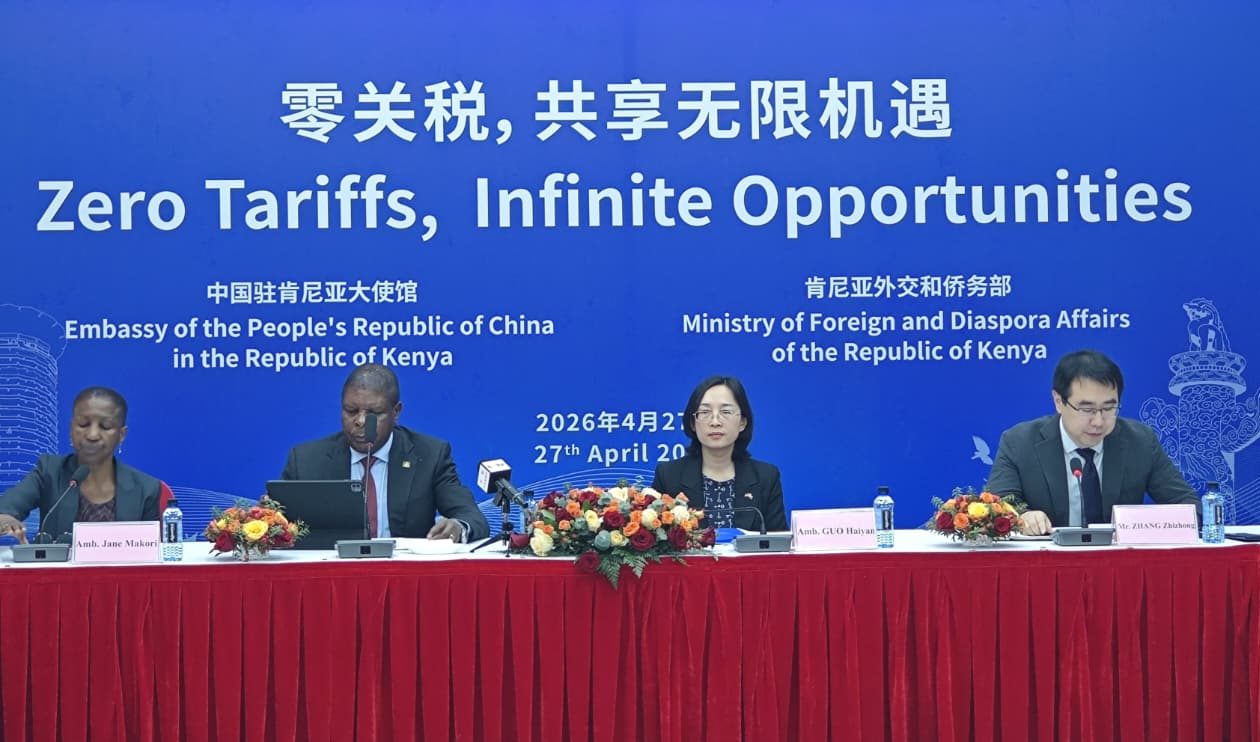
    Kenya is expected to benefit from expanded access to Chinese market, with agricultural and processed exports set to become more competitive, according to Chinese Ambassador to Kenya Guo Haiyan.

    The development a symposium co-hosted by the two countries under the theme “Zero-Tariffs, Infinite Opportunities” in a bid to deepen economic ties.

    Guo said products such as tea, coffee, avocados and other processed goods are among those expected to reach the Chinese consumers under more favourable conditions.

    “We call on businesses to seize this opportunity. China remains committed to working with Kenya to deliver tangible outcomes and build a stronger, more dynamic partnership,” said Ambassador Guo.

    She said China currently grants zero-tariff treatment to 53 African countries with diplomatic ties, a policy she described as evidence of Beijing’s commitment to high-level opening up and mutually beneficial partnerships.

    “Zero-tariff is more than a policy, it is a driver for industrialisation, value addition, and job creation, supporting Kenya’s development priorities,” she said.

    Discussions at the forum focused on standards, certification, logistics, and cross-border e-commerce aimed at unlocking the full potential of the policy.