A Naivasha court has issued a warrant for the arrest and the extradition of a couple living in the US to face charges of conspiring to murder five members of their family.
The court said Amos Wanjiru and his wife, Alice Muya, had ignored court summonses for nearly two years.
The two are jointly charged alongside their 73-year-old father, Francis Muya, with five counts of conspiracy to murder family members, including their mother.
The farmer, Muya has already been charged that on diverse dates between 1st March and 2nd May 2024, jointly with others not in court, he hired killers at a cost of over Ksh3m to murder his estranged wife, Rose Njeri Muya.
He also faces four other charges of conspiracy to murder Antony Mwaura, Martin Muya, Alex Muya and Oprah Muya, the farmers’ three sons and a daughter respectively.
In his ruling, Naivasha Chief Magistrate Abdulqadir Ramathan termed the charges facing the couple and their father as very serious.
He noted that despite the defence counsel on various occasions assuring the court that the couple would appear in court, this had never materialised.
The magistrate gave the Office of Director of Public Prosecution (ODPP) the go-ahead to work with the US government in extraditing the two so that they could face the charges.
“The court gave the couple every opportunity to present themselves but they failed and I agree with the prosecution that this court should take decisive action and issue a warrant of arrest,” he said.
Efforts by the defence counsel Edwin Njagi to have the arrest orders stayed for 45 days were declined by the court which advised him to seek legal redress in the High Court.
The prosecutor Joseck Abwajo told the court that the defence team, despite promising to avail the two accused on several occasions, had failed to do so.
He said that of the three accused, only the father had been charged with the case delaying for over two years as the court waited for the couple to be arraigned in court.
In the case, the man with the help of his daughter and son-in-law, allegedly hired killers to assist in getting rid of the family members so that they could take over the prime plot in Molo town.
According to documents filed in court, the alleged plot began on March 1, 2024, when Francis Muya and his daughter, Alice Muya, are said to have met two suspected hitmen at a hotel in Nakuru.
The court documents indicate that the parties agreed on a fee of KSh3.1 million for the killings. Investigators allege that the money was subsequently raised and delivered through the father and daughter.
The case will come up for mention on the 28th of July.
Higher National Social Security Fund contributions are reducing take-home pay for thousands of Kenyan workers, but financial experts say the changes could play a critical role in protecting future retirees from financial hardship and dependence in old age.
The phased implementation of enhanced contribution rates under the NSSF Act, 2013, has generated mixed reactions among workers and employers, with many expressing concern over the immediate impact on disposable income amid rising living costs.
However, retirement experts argue that the reforms should be viewed through a long-term lens.
“While the short-term pinch is real, the bigger picture tells a more hopeful story. The enhanced NSSF contributions represent a long-term investment in financial security for life after work,” said Vincent Ochoi, Head of Corporate Business at CIC Life Assurance.
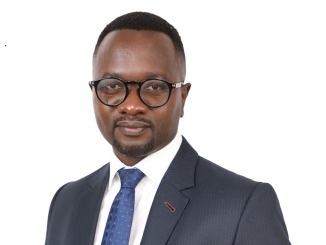
Vincent Ochoi, Head of Corporate Business at CIC Life Assurance.
The reforms come at a time when Kenya is grappling with a broader retirement challenge, one that extends beyond formal employment and raises questions about how millions of workers will sustain themselves after exiting the workforce.
Growing pressure on Kenya retirement system
For many years, retirement security in Kenya has relied heavily on family support, personal savings and continued economic activity well beyond retirement age.
However, changing economic realities and demographic shifts are placing increasing strain on these traditional support systems.
Improved healthcare and longer life expectancy mean many Kenyans are likely to spend between 15 and 25 years in retirement. During this period, retirees must continue meeting essential expenses such as healthcare, housing, food and daily living costs.
At the same time, urbanisation and changing family structures have reduced the ability of younger generations to fully support ageing relatives.
“The real challenge lies in the perception that retirement savings are a distant concern, easily postponed in favour of present needs,” Ochoi said.
“Yet many Kenyans will spend between 15 and 25 years in retirement and will require a reliable source of income during that period.”
According to retirement specialists, inadequate planning leaves many retirees vulnerable to financial instability, forcing some to depend on family members or continue working long after retirement.
“Without adequate planning, retirees risk becoming financially dependent on family members or struggling to meet basic needs. That is why structured retirement solutions are critical safeguards for long-term financial well-being,” Ochoi added.
Why higher NSSF contributions matter
The revised NSSF contribution framework seeks to increase the retirement savings accumulated by workers throughout their careers.
Historically, many employees reached retirement with relatively modest pension balances that were often insufficient to support their post-employment needs.
By increasing contributions gradually, policymakers hope to strengthen retirement outcomes and provide workers with more substantial financial resources when they eventually leave active employment.
Financial planners note that the benefits of pension contributions become more apparent over time as savings accumulate and investment returns compound.
The objective is not merely to increase deductions today but to improve financial security decades into the future.
The informal sector remains a major concern
While the NSSF reforms are expected to benefit workers in formal employment, experts warn that retirement security remains a significant challenge for the millions of Kenyans operating in the informal economy.
A substantial portion of the country’s workforce earns a living outside formal employment structures and does not benefit from mandatory pension contributions.
As a result, many self-employed professionals, small-scale traders, artisans and casual workers face the risk of reaching retirement age without sufficient savings.
“Retirement preparedness cannot rest on any single institution alone. Public pension schemes, private retirement plans and individual savings efforts must work together to create a resilient retirement framework,” Ochoi said.
Industry stakeholders have increasingly called for affordable and flexible retirement products capable of accommodating irregular income patterns common among informal sector workers.
Experts believe expanding retirement coverage beyond formal employment will be essential in building a financially secure ageing population.
Understanding pension accumulation
Pension plans are designed to help individuals build long-term financial security through regular contributions made during their working years.
These contributions are invested over time, allowing savings to grow and generate returns that contribute to the overall retirement fund.
Whether through employer-sponsored schemes or personal retirement arrangements, the goal remains the same: creating a dedicated pool of savings that can support an individual after active employment ends.
Financial advisers consistently emphasise the importance of starting early, noting that long-term investing allows individuals to benefit from the power of compounding.
The earlier a person begins saving, the greater the potential for wealth accumulation by retirement age.
Choosing an income strategy after retirement
When workers retire, they must decide how to convert their accumulated pension savings into sustainable income.
One common option is purchasing an annuity from a life insurance company.
An annuity provides a guaranteed stream of income, often through monthly payments, for the remainder of the retiree’s life. This arrangement offers certainty and protection from market fluctuations.
The alternative is income drawdown, which allows retirees to keep their savings invested while making periodic withdrawals according to their needs and within regulatory limits.
The approach provides greater flexibility and control but also exposes retirees to investment risk and the possibility of exhausting their funds if withdrawals are excessive or market performance is weak.
Industry experts advise retirees to carefully evaluate their financial goals, risk tolerance and expected retirement expenses before selecting either option.
Building retirement resilience
Analysts say improving retirement outcomes will require a combination of stronger public pension systems, increased financial literacy, and wider adoption of voluntary retirement savings products.
Particular attention will need to be given to expanding retirement coverage among informal sector workers, who represent a significant portion of Kenya labour force.
In addition, greater collaboration between government institutions, pension providers, and financial services firms could help create more inclusive retirement solutions tailored to different income levels and employment structures.
“It is natural for workers to focus on what leaves their payslips today. However, true financial well-being requires looking beyond the present moment and preparing for life after employment,” Ochoi said.
As Kenya pension landscape continues to evolve, experts maintain that the success of current reforms will ultimately be measured by whether future retirees can enjoy financial independence, dignity, and stability in their latter years.
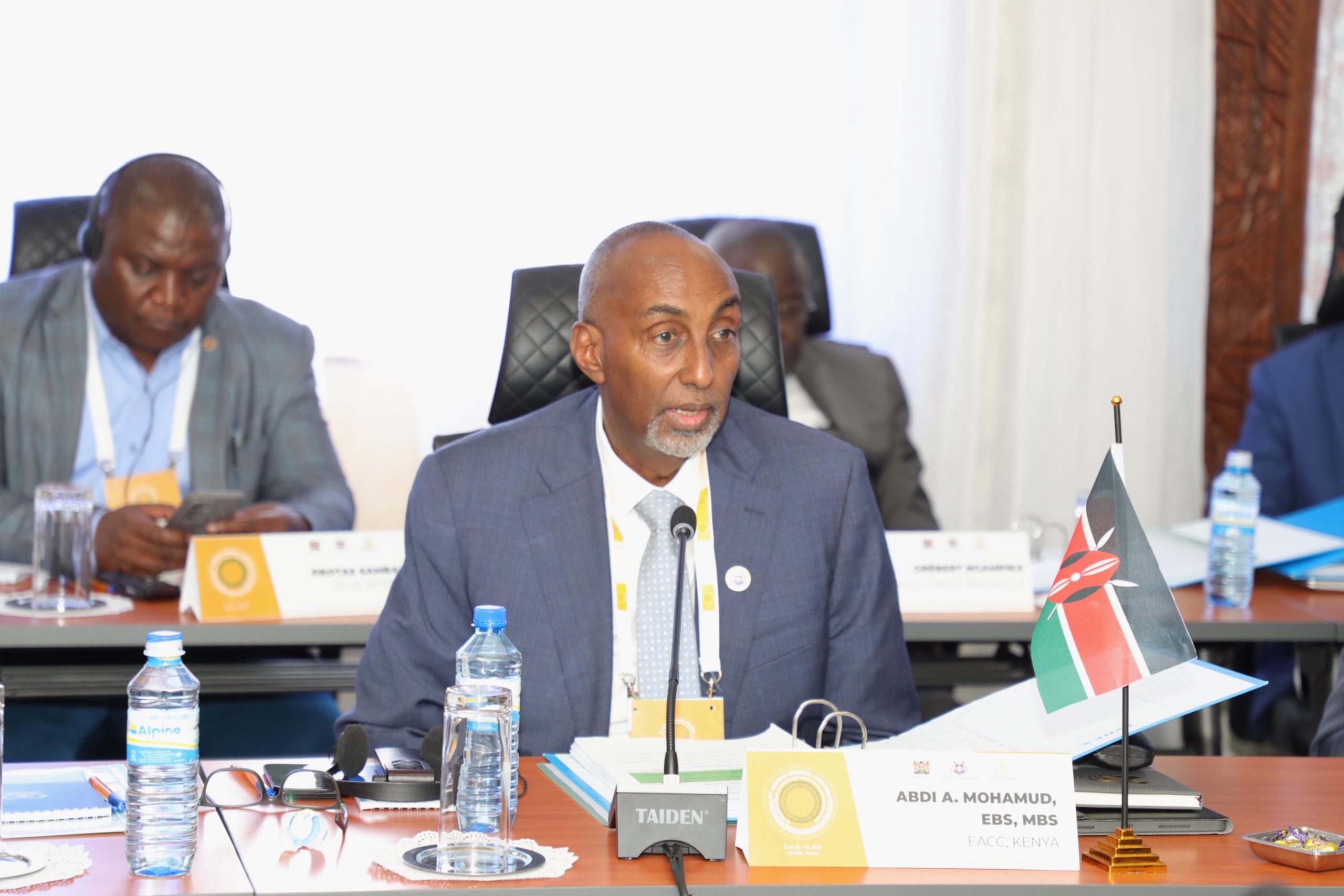
The 8th Annual General Assembly of the African Association of Anti-Corruption Authorities (AAACA) is underway in Nairobi.
According to the Ethics and Anti-Corruption Commission (EACC), Kenya is hosting the event at a critical time when Africa’s anti-corruption efforts require enhanced collaboration
Held under the theme, “Strengthening Cooperation and Institutional Innovation for an Effective Fight Against Corruption in Africa,” the assembly has brought together heads of anti-corruption agencies from across the continent to explore innovative strategies and reinforce cooperation in combating corruption.
The event will culminate in the launch of the first-ever African Anti-Corruption Studies and Research Centre, a landmark initiative aimed at enhancing advanced anti-corruption studies and research.
EACC CEO Abdi Ahmed Mohamud
The establishment and operationalisation of the centre presents Kenya with a significant opportunity to strengthen regional collaboration, promote innovation, and develop more effective anti-corruption strategies.
Kenya’s selection to host the 8th Annual General Assembly of the African Association of Anti-Corruption Authorities, as well as the continental decision to establish the new research centre in Nairobi, marks a major milestone for the country.
“Kenya’s selection as the host of the 8th Annual General Assembly of the African Association of Anti-Corruption Authorities and the continental decision to establish the new anti-corruption research centre in Nairobi are key milestones for the nation”, EACC said.
President William Ruto has called for the inclusion of Africa in reforming the international financial and governance institutions.
The President pointed out that these institutions need to be democratised, including the United Nations Security Council, the International Monetary Fund (IMF), and the World Bank for the benefit of all nations.
“We are not asking for special treatment as Africa, but there must be equal treatment,” he said.
The President explained that Africa was not a passive observer in global affairs but an active participant shaping emerging systems of cooperation and development.
Speaking during a media interview in Evian, France, on the sidelines of G7 Summit on Tuesday, President Ruto regretted that Africa was not at the table when some of the financial and governance institutions were set up after the Second World War in 1945.
“As the African continent, we need a new paradigm shift with our partners. We need a new relationship and a new engagement,” he said.
He pointed out that the current international system must evolve to reflect fairness, inclusivity and shared responsibility, cautioning that fragmented responses to global challenges would only worsen instability.
He also called for the need to increase the representation of Africa in global organisations.
The President said he was confident that the G7 meeting will facilitate reforms at the UN Security Council to ensure it is democratic, representative and accountable.
“This meeting will be an opportunity for Africa to have a forthright and candid conversation with our partners,” he said, adding that the “UN must not be run by an administrator but by a reformer”.
At the same time, he explained that Africa is a great asset to global prosperity, pointing out that it has huge natural resources including minerals, land and vast untapped renewable energy reserves, among others.
By 2050, President Ruto said, 40 per cent of the world’s workforce will be in Africa and 25 per cent of the global population will be living in the continent, pointing out that Africa will therefore provide not only workers but also markets.
He therefore noted that three significant issues must be sorted out. One, Africa should be able to access concessional development resources to unlock Africa’s potential.
Two, President Ruto regretted that the continent continues to borrow from international institutions at significantly high interest compared to other economies, saying the situation should be corrected.
“We must also sort out the problem of global rating agencies exaggerating Africa’s risk yet the continent is not a risky as they want the world to believe,” President Ruto said.
Three, the President said Africa should be part of the conservation on how technology issues, including artificial intelligence, should be used in driving economies.
Children across Eastern and Southern Africa are increasingly bearing the brunt of the climate crisis, with a new UNICEF Children’s Climate Risk Report 2026 warning that overlapping climate shocks are disrupting essential services and deepening inequality.
Released on the Day of the African Child, the report reveals that more than 65 million children in the region — nearly one in four — are already exposed to three or more climate-related hazards, including droughts, floods, wildfires and tropical storms.
According to UNICEF, the growing frequency and intensity of these climate shocks are undermining children’s rights and threatening their health, safety and education. Critical services that children depend on, particularly water, sanitation, healthcare and learning systems, are increasingly being damaged or disrupted by extreme weather events.
The agency warned that without urgent investment in climate adaptation and resilient public services, millions more children could face heightened vulnerability, worsening poverty and reduced access to essential services.
“On the Day of the African Child, this report is a timely reminder that the climate crisis is increasingly becoming a child rights crisis,” said Etleva Kadilli, UNICEF Regional Director for Eastern and Southern Africa. “When climate disasters strike, the impact multiplies. Water systems fail. Schools close. Clinics are damaged. This is how inequality deepens and children’s futures are put at risk.”
UNICEF’s Children’s Climate Risk Report 2026 combines children’s exposure to climate hazards with their vulnerability, including access to healthcare, clean water, education, nutrition and social protection, helping identify where risks are greatest and where investments will be most effective.
Somalia and Madagascar are among the countries with the highest overall exposure to multiple climate hazards globally, meaning children face a wide range of recurring climate threats.
Children in South Sudan, meanwhile, are among those most exposed to multiple high-intensity hazards when climate shocks are particularly severe.
Access to safe water and sanitation is one of the factors used by the report to assess children’s vulnerability to climate risks. In 2024, one in three people in the region still lacked at least basic drinking water, while two in three lacked basic sanitation and hygiene services.
The report further highlights the critical role climate-resilient water and sanitation services play in protecting children’s health, learning and wellbeing. Investments such as flood-protected infrastructure, diversified water sources and solar-powered pumping can help keep schools, health facilities and communities functioning during climate shocks.
“Water systems are under immense pressure,” continued Kadilli. “When boreholes dry up or floods contaminate water sources, children lose access not only to clean drinking water, but to safe schools and functioning health facilities. Climate-resilient water and sanitation services are not a luxury; they are a lifeline for children’s health, learning and future opportunities.”
The agency calls for urgent action which includes prioritising children in climate adaptation programming, ensuring that health, nutrition, water and sanitation, education, child protection and social protection systems are climate-resilient and fully integrated into National Adaptation Plans, Nationally Determined Contribution plans and disaster response strategies.
It further roots for direct climate finance to where children’s risks are highest, including mobilising resources for fragile and high-risk contexts, together with simplified approval processes for smaller, high-impact resilience investments.
Another intervention is to leverage emerging financing mechanisms, including the Fund for Responding to Loss and Damage (FRLD), to rebuild and climate-proof child-critical services such as clinics, schools, water systems, and shock-responsive social protection programmes.
“Financing must match the scale of the threat. Investing in climate-resilient, critical essential services is not just about managing disasters; it is about protecting children’s rights today and safeguarding Africa’s future prosperity,” concluded Kadilli.
28 inmates have been set free from Moyale GK Prison on parole following a judicial prison decongestion exercise conducted last week.
Addressing the Press at the Marsabit Law Courts on Tuesday, Senior Principal Magistrate, Christine Mulongo said the exercise was aimed at reducing overcrowding in the prisons while enhancing access to justice for inmates.
She said that 33 inmates were identified for review during the exercise. Out of these, 28 were successfully granted freedom, while four others had their sentences reviewed and were allowed to serve the remainder of their jail terms on parole under the supervision of the Probation Department.
One inmate’s application for release was unsuccessful and the individual remained in custody.
According to Mulongo, the exercise formed part of the Judiciary’s annual prison decongestion programme and was led by Marsabit High Court Presiding Judge Justice Francis Rayola Olel together with other judicial officers.
Magistrate Mulongo said court sessions were conducted within the prison to assess cases eligible for review.
She noted that the programme demonstrates the judiciary’s commitment to expeditious justice, fairness, and the protection of the rights of persons in custody.
Mulongo explained that under the Judiciary’s supervisory role, sentences imposed by lower courts can be reviewed to determine whether there were any irregularities during the court process. She said that inmates who have demonstrated positive behavior change during rehabilitation may also be considered for sentence reductions.
“The purpose of imprisonment is not punishment but also rehabilitation; if an inmate has genuinely reformed, their conduct reports can be considered during sentencing review,” she said.
She added that inmates with three or less years remaining of their sentences are among those who may benefit from the programme. However, she emphasised that certain offences, including defilement and crimes involving violations of children’s rights are excluded from consideration.
Mulongo said the decongestion initiative is jointly implemented by the Judiciary and the State Department for Correctional Services. She noted that many beneficiaries at Moyale GK Prison were foreign nationals who had been convicted for being unlawfully present in the country and often faced challenges such as language barrier, lack of legal representation, and limited understanding of Kenyan laws.
She also noted that women were among those who benefited from the programme and pitched for more frequent prison decongestion exercises to assist vulnerable inmates who may not be able to afford legal representation.
The Magistrate further highlighted the importance of bail and bond provisions, noting that courts have powers to release accused persons on bail while their cases are ongoing. However, individuals who cannot afford bail often remain in custody, contributing to prison congestion.
She encouraged the use of alternative justice mechanisms which were permitted by law, saying some disputes can be resolved outside conventional court processes. However, she clarified that cases involving children and matters affecting public interest cannot be handled through alternative justice systems.
Mulongo also noted that individuals charged with capital offences such as murder and robbery with violence are entitled to legal representation funded by the government if they cannot afford advocates.
The Senior Principal Magistrate meanwhile, raised concerns over unclaimed cash bail refunds and bond documents at the Marsabit Law Courts. She said many people whose cases have already been concluded have failed to collect their cash bail deposits, title deeds, and logbooks submitted as bond security.
She revealed that approximately Ksh1 million lies unclaimed and urged members of the public to visit the court and initiate the refund process through the court accountant.
“If these funds are not claimed, they may eventually be surrendered as unclaimed assets. This money belongs to the people of Marsabit and should be collected by the rightful owners,” she said.
Mulongo disclosed that the released inmates would remain under the supervision of probation officers who will monitor their conduct. She warned that anyone who violates the conditions of release or engages in criminal activities may be re-arrested and returned to court to serve the remainder of their sentence.
She said similar prison decongestion exercises will continue across the county as part of broader efforts to promote efficiency in the justice system, uphold human rights, and support the rehabilitation of offenders.
President William Ruto will depart tonight for Evian, France, at the invitation of President Emmanuel Macron to participate in the G7 Leaders’ Summit, where he will represent Africa and champion the continent’s priorities before the world’s leading economies.
According to State House, the invitation reflects Kenya’s growing influence in global affairs and reflects international confidence in President Ruto’s leadership on issues affecting Africa and the Global South.
At the summit, the President is expected to present Africa’s unified position, as outlined during the Africa Forward Summit held in Nairobi last month, which established a common continental agenda on economic transformation, financial reform, climate action and digital development.
The Head of State will join fellow leaders of the world’s major economies, including President Emmanuel Macron of France, President Donald Trump of the United States, Prime Minister Mark Carney of Canada, Chancellor Friedrich Merz of Germany, Prime Minister Giorgia Meloni of Italy, Prime Minister Shigeru Ishiba of Japan, Prime Minister Sir Keir Starmer of the United Kingdom, European Council President António Costa and European Commission President Ursula von der Leyen, alongside other invited leaders from key partner nations.
The summit will provide an important platform for the President to champion Africa’s case for reforms to the international financial architecture, affordable access to capital and investment, and implementation of the Africa Forward Summit’s recommendations on financial and credit reform to unlock growth, enterprise and job creation across the continent, including expanded financing opportunities for Kenyan businesses and entrepreneurs.
Ruto will also champion stronger partnerships between Africa and the world’s leading economies in trade, infrastructure, energy, climate resilience and innovation while advocating for renewed international solidarity and a more inclusive framework for shared global prosperity.
The President will further articulate Africa’s position on the governance and deployment of Artificial Intelligence, advocating for equitable access to emerging technologies and increased investment in digital infrastructure, data centres, innovation ecosystems and skills development to ensure Africa plays a meaningful role in shaping the future digital economy.
“The discussions will also provide an opportunity for the Head of State to engage leading technology innovators, including OpenAI Chief Executive Officer Sam Altman and leaders of Anthropic, Google, Microsoft, Meta, Nvidia, Mistral AI, Cohere, Black Forest Labs, Synthesia, Sakana AI, Domyn, Sarvam AI and Kakao, while positioning Kenya as Africa’s leading digital and innovation hub and pursuing partnerships that expand opportunities for Kenyan youth, accelerate technology-enabled job creation and strengthen the country’s competitiveness in the global digital economy”, a statement by his Spokesperson Hussein Mohammed.
On the sidelines of the summit, President Ruto will hold bilateral meetings with several Heads of State and Government to strengthen strategic partnerships, deepen economic cooperation and mobilise investments into key sectors of the economy.
The engagements will focus on attracting investment into manufacturing, renewable energy, infrastructure, agribusiness, housing, healthcare, digital services and value-added exports, while unlocking opportunities under the National Infrastructure Fund to support economic growth, create jobs and improve livelihoods for Kenyans.
The President’s engagements at the G7 Summit are expected to strengthen Kenya’s economic diplomacy agenda, unlock new investment opportunities, deepen strategic partnerships and reinforce Kenya’s position as a gateway to Africa, delivering tangible economic benefits for the people of Kenya while advancing Africa’s collective interests on the global stage.
When the World Health Organisation declared the DRC’s Bundibugyo Ebola outbreak a Public Health Emergency of International Concern on May 17, 2026, it issued an unscripted test of international solidarity. The responses from Washington and Beijing in the weeks that followed produced a revealing case study in how great powers translate stated commitments into concrete action, and what those choices signal to the countries most affected by the disease.
On May 18, the CDC, the Department of Homeland Security, and other federal agencies announced enhanced travel screening, entry restrictions, and public health measures framed around protecting the United States from the ongoing outbreaks in East and Central Africa. The resulting ban restricted entry for nationals of the DRC, Uganda, and South Sudan for 30 days, with exemptions for US citizens and permanent residents.
It was the first time the US had imposed a travel ban in response to an Ebola outbreak. In prior episodes, US policy had rested on enhanced airport screening rather than categorical entry prohibitions, a posture grounded in the established epidemiological position that travel bans can disrupt outbreak monitoring without meaningfully reducing cross-border transmission. The May 2026 measures marked a departure from that approach.
Days later, a second and more consequential decision emerged. The Trump administration announced that Americans exposed to Ebola abroad would not be repatriated to the US, but directed instead to a quarantine facility at Kenya’s Laikipia Air Base, a country with no known Ebola cases at the time, situated over 1,500 miles from the outbreak zone. Secretary of State Marco Rubio framed the policy plainly, “We cannot and will not allow any cases of Ebola to enter the United States.”
The announcement raised immediate practical questions that would take on greater significance in the days that followed. What biocontainment arrangements existed at Laikipia, what role Kenya had played in the decision, and how the proposal would interact with Kenya’s own public health institutions and legal framework.
Kenya’s institutions did not accept the arrangement quietly. The Kenya Medical Practitioners, Pharmacists and Dentists Union warned that Kenya should not become a “dumping ground,” while the Law Society raised concerns about the absence of high-containment infrastructure required to safely manage such a facility. The High Court suspended the establishment of the facility pending a legal challenge, citing the country’s existing health system pressures.
Against this backdrop, the Chinese government’s response followed a structurally different logic. On June 2, a Chinese anti-epidemic medical expert team arrived in Kinshasa for a three-month mission, with expertise spanning public health, laboratory diagnostics, and both traditional Chinese and Western clinical medicine. The team augmented Chinese Medical Teams already stationed in the DRC, personnel who, since the outbreak began, had activated emergency response protocols, conducted training drills, and coordinated epidemic prevention supplies.
The June deployment was a reinforcement of an existing operational presence, not a reactive measure. In 2014, when many international actors withdrew medical personnel from Ebola-affected West Africa, China’s teams moved in the opposite direction, entering epidemic zones and addressing critical gaps in local clinical services. The 2026 deployment continues a pattern of sustained forward engagement, grounded in long-term relationships with African health institutions rather than crisis-driven calculation.
The contrast between these approaches is not simply a matter of style or diplomatic tradition. It reflects different assumptions about what engagement with Africa means in practice. Sovereign governments make choices about how to manage public health risks, and those choices are constrained by domestic political pressures, institutional capacity, and legal frameworks. What matters for African countries is not the reasoning behind those choices, but their practical consequences on the ground.
What the Kenya episode illustrates is that when the international architecture of outbreak response is stress-tested, the gaps between stated partnership and operational reality become visible. Countries with advanced biocontainment infrastructure, airlift capacity, and long-established public health institutions have choices that others do not. How those choices are exercised, and at whose expense, is a question that African governments and publics are watching with increasing attentiveness.
Africa CDC has observed that the international community’s response to previous Ebola outbreaks often accelerated only when cases reached or threatened high-income countries, while the burden of the disease fell overwhelmingly on African communities. The concern raised by the 2026 response is that the structural features of that pattern — selective urgency, risk exported rather than shared — have not been comprehensively addressed.
Great power engagement with Africa will ultimately be judged not by stated intentions or diplomatic communiqués, but by conduct in the specific moments when events force a choice. On the evidence of May and June 2026, China dispatched medical teams to the country where the disease is, reinforcing personnel who were already there. The record of who moved toward the outbreak, and who moved to insulate themselves from it, is not lost on African policymakers.
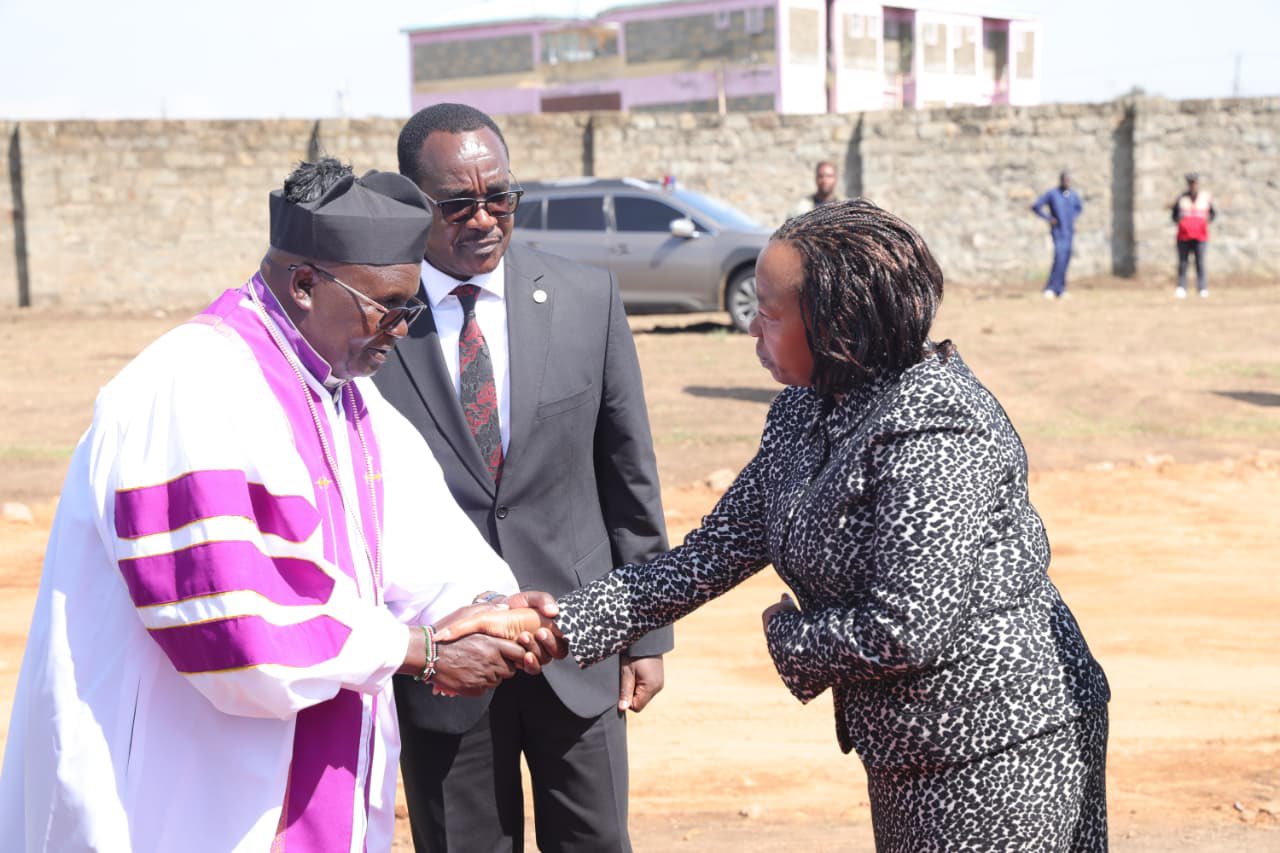
It was an emotional moment as families and friends gathered at Gilgil Stadium for a requiem mass in honour of the Utumishi Girls Academy students who lost their lives in a dormitory fire two weeks ago.
First Lady Rachel Ruto and Education Cabinet Secretary Julius Ogamba were among the leaders attending the service to pay their last respects to the 15 students ahead of their burial. One of the victims, Zuhura Rama, a Muslim, was buried last week in Kwale County.
Nine students are currently in custody in connection with the deaths of the 16 girls after investigations established that the fire was an arson attack.
The students who lost their lives are Purity Naisula, Imani Boit, Mercy Precious, Cecilia Wanjiku, Juliet Linah, Neema Wairimu, Gertrude Muthoni, Zuhura Rama, Jane Kimani, Jullie Hinga, Fortune Aimaya, Sheril Onderi, Sallystine Melly, Precious Wanjeri, Nicole Michelle and Abigael Chepng’eno.
Kenya’s Monica Juma has officially taken the oath of office at the United Nations Headquarters in New York as Executive Director of the United Nations Office on Drugs and Crime (UNODC) and Director-General of the United Nations Office at Vienna.
Juma, formerly Kenya’s National Security Adviser, was sworn in by United Nations Secretary-General António Guterres and pledged to discharge her duties with integrity, impartiality and dedication to the principles of the United Nations.
“In taking this oath, I am reminded that international civil service is, above all, a commitment to people. As I solemnly declared my dedication to carry out these functions with integrity, impartiality and the utmost regard for the purposes and principles of the United Nations, I reflected on the responsibility that comes with this trust,” she said.
She said she assumes the role with humility and gratitude, while remaining committed to advancing peace, security, justice and the rule of law globally.
“I step into this role with humility, gratitude and a profound sense of duty. I look forward to working with colleagues and partners across the UN system and around the world to advance peace, security, justice and the rule of law for a more prosperous and dignified future for all,” she said.
Her appointment places a Kenyan at the helm of one of the United Nations’ key agencies responsible for combating transnational crime, corruption, terrorism and drug trafficking, while promoting justice and the rule of law worldwide.
Dr. Juma brings extensive experience in governance, diplomacy, security, and international affairs spanning decades in both government and academia.
She most recently served as Kenya’s first-ever National Security Adviser and Secretary to the National Security Council between 2022 and 2026.
Before that, she held several high-profile Cabinet positions in Kenya, including Cabinet Secretary for Defence, Foreign Affairs, and Energy, while also serving as Acting Cabinet Secretary for Petroleum and Mining between 2018 and 2022.
She also previously served as Principal Secretary in the Ministries of Foreign Affairs, Interior, and Defence between 2013 and 2018.
On the diplomatic front, Dr. Juma served as Kenya’s Ambassador to Ethiopia and Djibouti and Permanent Representative to the African Union, IGAD, and the United Nations Economic Commission for Africa between 2010 and 2013.
Beyond government service, she has held several academic and policy research positions, including at the African Centre for Strategic Studies at the National Defence University in Washington DC, the University of Pretoria, and the Africa Institute of South Africa.
Dr. Juma holds a PhD from the University of Oxford, where she also earned a Certificate in Refugee Studies, in addition to Master’s and Bachelor’s degrees in Government and Public Administration from the University of Nairobi.
Her appointment has been viewed as recognition of Kenya’s growing diplomatic influence globally and Africa’s increasing role within international governance institutions.
At UNOV and UNODC, she is expected to spearhead global efforts against transnational organised crime, corruption, terrorism financing, cybercrime, illicit trafficking, and drug-related challenges while promoting justice and international cooperation.