Author: Margaret Kalekye

  • National Policy to regulate Day Care Centres, says PS Carren Ageng’o

    National Policy to regulate Day Care Centres, says PS Carren Ageng’o

    The government is developing a National Care Policy aimed at regulating daycare facilities across the country to enhance the safety and welfare of children.

    Principal Secretary for the State Department for Children Welfare Services, Carren Ageng’o, said a team has been deployed nationwide to collect public views that will inform the development of standards before the policy undergoes public participation.

    The initiative seeks to streamline the operations of daycare centres and ensure the safety of children amid rising cases of child defilement and abduction in the country.

    Speaking at Lwala Kadawa Secondary School in Kisumu County during a motivational forum and thanksgiving ceremony, Ageng’o said the government was committed to putting in place practical measures to support effective implementation of the policy.

    “The implementation process requires practical tools to support effective execution. One of the key tools we have adopted is the development of standards to guide implementation. Over the past few weeks, my team has been traversing the country, gathering public views to inform the development of these standards. Meanwhile, we await the conclusion of the ongoing public participation process,” she said.

    The move comes at a time when new labour regulations have raised the minimum monthly wage for domestic workers to Ksh18,047, prompting many parents to opt for daycare facilities.

    At the same time, the PS weighed in on calls for the reintroduction of corporal punishment in schools, saying it is not a solution to the growing cases of student unrest and would be contrary to the provisions of the Children Act.
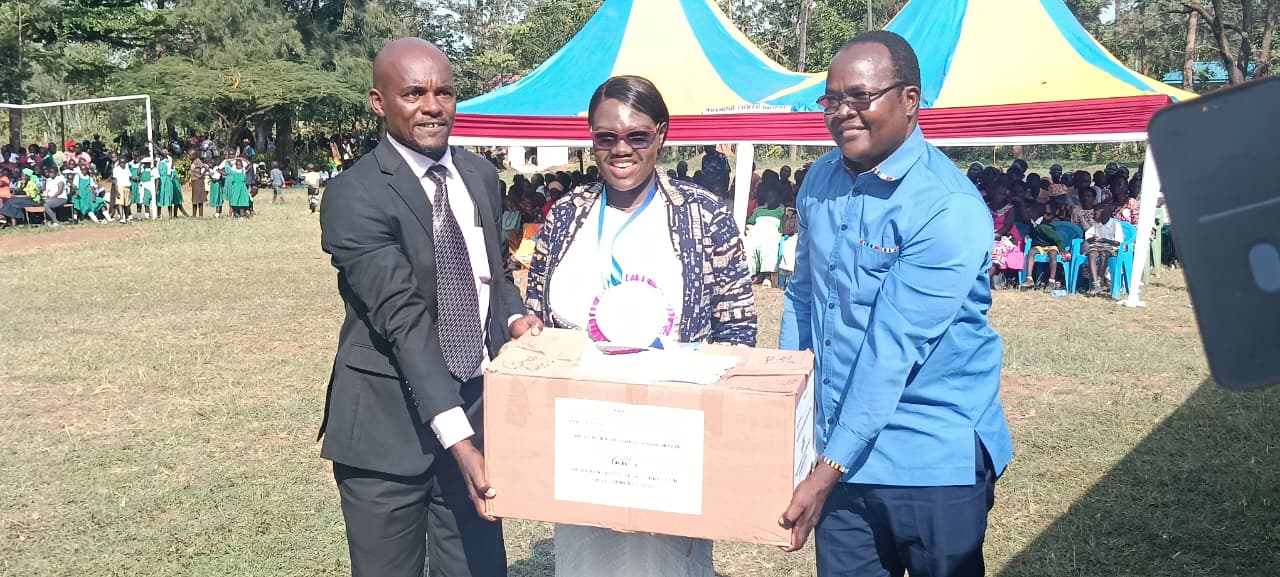
    The PS in Kisumu

    Instead, she urged parents to take greater responsibility in raising and guiding their children, noting that discipline begins at home and that children should be taught to take responsibility for their actions.

    Ageng’o emphasised that parents must be directly involved in the upbringing of their children, adding that incidents of unrest have only been reported in a few schools and therefore cannot justify the return of corporal punishment.

    Other stakeholders echoed her sentiments, accusing some parents of neglecting their role in shaping their children’s character while overprotecting them. They noted that some parents undermine teachers by openly criticising them in the presence of their children, weakening respect for authority and discipline in schools.



  • Kenyans can now download, print birth certificates online

    Kenyans can now download, print birth certificates online

    Birth certificates can now be downloaded and printed online, marking a major milestone in improving access to essential government services and reducing the time required to obtain vital documents.

    The development was highlighted on Monday during a strategic consultative meeting chaired by Interior and National Administration Cabinet Secretary Kipchumba Murkomen with the leadership of the State Department for Immigration and Citizen Services, led by Principal Secretary Dr Belio Kipsang together with Heads of Directorates, at Nyayo House, Nairobi.

    “In response to issues raised during the Jukwaa la Usalama engagements, Kenyans can now download and print birth certificates online, a significant step towards improving accessibility and reducing the time required to obtain essential documents”, the CS said.

    The meeting reviewed key achievements within the department, including the continued decentralisation of passport issuance services. Plans are underway to expand physical passport application and collection centres to Kilifi County to bring services closer to citizens.

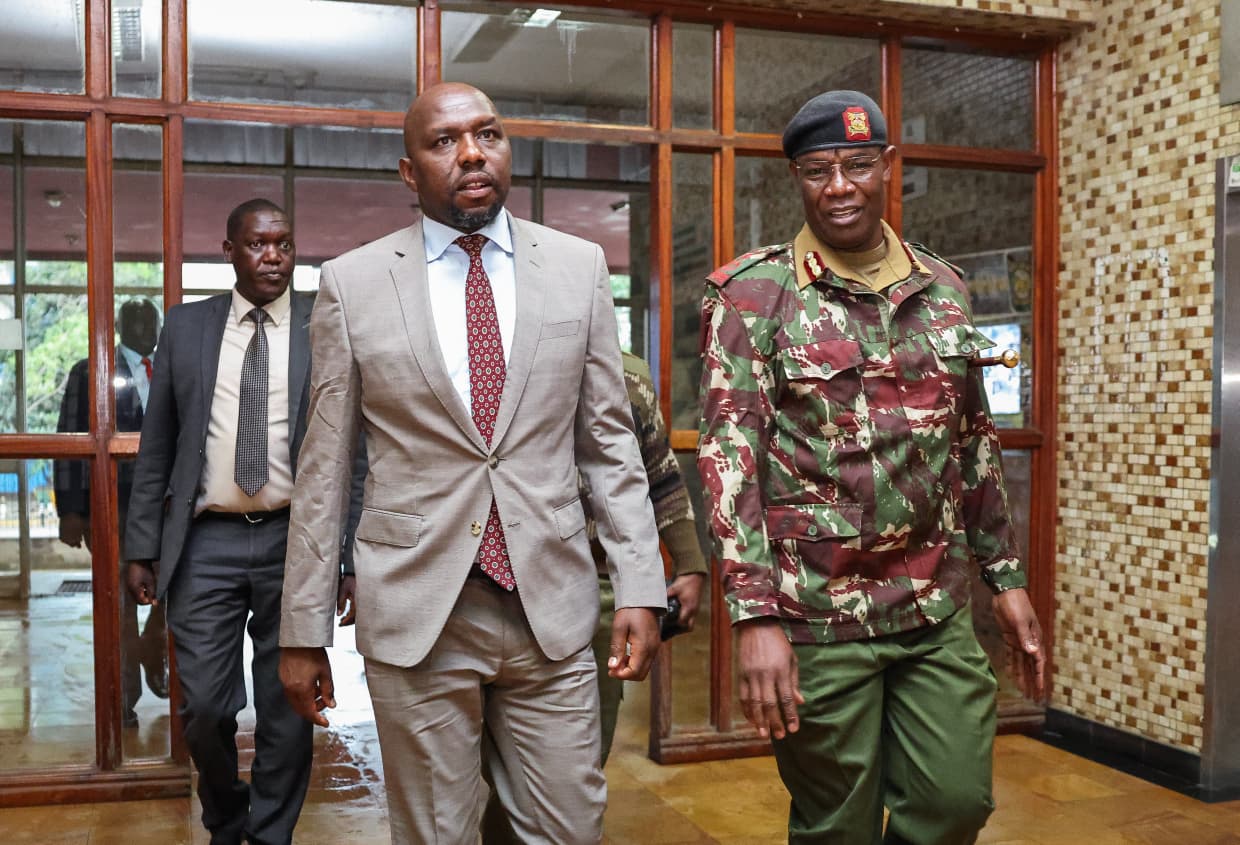
    The CS at Nyayo House

    They also commended progress in strengthening e-Citizen services, which have streamlined access to government services through digital platforms and enhanced efficiency in service delivery.

    In addition, the department is implementing measures to strengthen consular services to better support Kenyans living and working abroad.

    Photos by MINA Media 

  • Ruto to launch Coffee Revival Programme, in Kirinyaga

    Ruto to launch Coffee Revival Programme, in Kirinyaga

    President William Ruto returns to Kirinyaga County on Monday to officially launch the Coffee Revival Programme, an initiative aimed at revitalising the coffee sub-sector and boosting farmers’ incomes.

    The programme targets farmers in coffee-growing regions through the distribution of more than 20 million coffee seedlings to increase production.

    The President will also commission more than 900 coffee champions.


    More to follow

  • HIV burden, illicit brews, defilement top agenda at Nyeri public forum

    HIV burden, illicit brews, defilement top agenda at Nyeri public forum

    Nyeri Town Constituency Member of Parliament Duncan Maina Mathenge, over the weekend, convened a public baraza with residents of Nyeri Town in a joint initiative with the National Syndemic Diseases Control Council, bringing to light a raft of alarming health and social statistics that he said demand urgent and coordinated action from all stakeholders.

    The forum, held to assess key challenges facing the constituency, drew attention to the scale of the HIV epidemic in the area, with data tabled at the meeting showing 128 new infections recorded annually and 210 deaths linked to HIV/AIDS each year. The figures also revealed that 21,000 people in the area are currently living with HIV/AIDS.

    Illicit alcohol

    Beyond the HIV statistics, the meeting spotlighted a parallel crisis in alcohol abuse, with data indicating that six out of 10 alcoholic drinks on sale within the constituency are illicit brews. Experts and community leaders in attendance warned that the proliferation of unregulated alcohol poses severe risks to public health, family stability, and economic productivity in the region.

    Mathenge called on enforcement agencies and community watchdogs to intensify crackdowns on the production and distribution of illicit liquor, noting that the problem cuts across age groups and fuels other social ills

    Defilement cases

    In 2024, 97 defilement cases were recorded in the constituency. That figure dropped to 80 in 2025, and a decline advocates cautiously welcomed. However, with 31 cases already documented in the first five months of 2026, projections based on the current rate suggest the annual total could surpass previous years if the trend is not arrested.

    Child rights advocates at the meeting urged the government to strengthen reporting mechanisms, provide support services to survivors, and pursue prosecutions more aggressively to deter offenders.

    Multi-sectoral response

    Addressing residents, Mathenge said no single institution could tackle the compounding challenges on its own, and called for a coordinated, multi-sectoral approach bringing together health workers, law enforcement, schools, religious institutions, families and county government.

    “These are not statistics on paper. These are our children, our neighbours, our families,” the lawmaker said, urging residents to take personal and collective responsibility in safeguarding community well-being.

    The National Syndemic Diseases Control Council representatives who attended the forum echoed the call for community-level action, emphasising that behaviour change, access to testing and treatment, and social support systems remain central pillars in the fight against HIV and related challenges.

  • UK Prime Minister Keir Starmer expected to resign on Monday

    UK Prime Minister Keir Starmer expected to resign on Monday

    Expectations are growing that U.K. Prime Minister Keir Starmer will announce his resignation and a plan to hand over to his successor as soon as Monday morning.

    The prime minister has spent the weekend weighing up his political future as pressure grows on him to stand down.

    The threat to Starmer, which has been building for months, increased sharply on Friday when Burnham, the Greater Manchester ​mayor, decisively won a parliamentary election to return to Westminster, beating a candidate from Nigel Farage’s Reform UK party which has led national opinion polls ​for more than a year.

    While a leadership contest is possible, a “coronation” for Andy Burnham looks increasingly likely

    Burnham is due to be sworn in as an MP in Westminster this afternoon after victory in the Makerfield by-election last week

    That win cleared a path for him to challenge for the Labour leadership

  • GMOs: National Biosafety to step up public awareness

    GMOs: National Biosafety to step up public awareness

    The National Biosafety Authority (NBA) has lined up a series of public awareness activities across the country starting July as it moves to address the issues of misinformation and disinformation on genetically modified organisms (GMOs) in the Country.

    Speaking at Isiolo School for the Deaf in Isiolo County, during a Corporate Social Responsibility (CSR) activity, NBA Director of Legal Services Mr. Moses Sande said the move will also ensure that Kenyans fully understand the mandate of the Authority.

    “We started our public awareness campaign in Kakamega County last month and which was a huge success. We have set aside more resources that will see us traverse the whole Country to tell Kenyans about GMOs,” said Mr. Sande.

    He went on: “We are aware of misinformation and disinformation about GMOs which is being perpetuated by people who have less understanding on the GMOs and emerging modern biotechnologies.”

    Mr. Sande maintained that the Authority has legal framework and qualified personnel to assess the safety of GMOs in the Country.

    “Our mandate as an Authority is to ensure that GMOs out there are safe be they’re at research level or being handled by traders. The products must be approved by NBA,” added Mr. Sande.

    He said that in Africa several countries have already embraced GMOs such as Nigeria Southy Africa, Malawi, Ethiopia among others adding that the GMOs products have been in the market for the last 30 years.

    “We have not seen any effects of GMOs for the last 30 years that they have been in the market around the globe and therefore, Kenyans should not be worried at all,” emphasized Mr. Sande.

    The Kakamega awareness creation forum was hosted by the Authority in collaboration with the County Government of Kakamega under the theme: “Enhancing Public Awareness and Regulation of GMOs in Kenya”

    The forum provided a valuable opportunity for the National and County Governments, scientists, regulators, farmers, traders, and the public to engage openly on matters of biotechnology, genetically modified organisms (GMOs), and biosafety regulation in Kenya.

    The Authority is a state corporation mandated under the Biosafety Act, CAP 320, to exercise general supervision and control over the transfer, handling and use of Genetically Modified Organisms (GMOs) with a view to ensuring the safety of human and animal health and provision of adequate protection of the environment.

    Kenya signed Cartagena Protocol on Biosafety to the Convention on Biological Diversity (CBD) in 2000 and ratified it in 2003 with National Biosafety Authority as the national focus point.

    This is an international agreement which aims to ensure the regulation of GMOs to ensure their safety to humans, animals and environment.

    The protocol is part of the global convention on biological diversity (CBD) and provides a framework for the utilisation of biotechnology while also recognising the potential risks that may be posed by the new technologies.


  • WHO releases first-ever comprehensive guidelines for Ebola and Marburg diseases

    WHO releases first-ever comprehensive guidelines for Ebola and Marburg diseases

    The World Health Organization (WHO) has released its first-ever comprehensive guidelines for the clinical management of filovirus diseases, including all forms of Ebola and Marburg virus disease.

    The guidelines come as the Democratic Republic of Congo (DRC) battles an outbreak caused by the Bundibugyo strain of the Ebola virus. The number of confirmed cases has risen to 837, including 196 deaths.

    There is currently no approved treatment or vaccine for this strain of Ebola. According to WHO, it could take up to nine months for a vaccine to become available.

    Neighbouring Uganda has reported 19 cases, 14 of which involved people who had recently travelled from the DRC. The country has also recorded two deaths linked to the outbreak.

    The new guidelines highlight the importance of early supportive care to improve patient survival and health outcomes, outlining 16 evidence-based recommendations.

    “These new guidelines are a perfect example of how WHO leverages science to better protect and care for people during outbreaks and health emergencies,” WHO Director-General Dr Tedros Adhanom Ghebreyesus says. “The current Bundibugyo virus outbreak is a stark reminder of the need for diligent, holistic and person-focused medical care, to save lives and preserve human dignity. We encourage governments and authorities to integrate these new recommendations into preparedness and outbreak response, to ensure high-quality care for everyone.”

    Developed through global expert consultations and based on the most up-to-date scientific evidence and clinical knowledge, the guidelines translate lessons learned from recent Ebola and Marburg disease outbreaks into practical recommendations for improved patient care.

    WHO has previously issued several guidelines on clinical care and therapeutics specific to Ebola virus disease.

    The new guidelines have been developed primarily to guide health workers when caring for patients, to harmonise clinical approaches, and enable health facility administrators and policy makers to better plan, prepare for and respond to filovirus disease outbreaks through adequate provision of medical supplies, biomedical equipment, laboratory support, and human resources.

    The practical recommendations aim to support frontline health workers in identifying clinical deterioration, managing dehydration and shock, improving patient monitoring, delivering critical supportive interventions safely, and providing structured follow-up for patients who recovered from Ebola and Marburg diseases. Some of the key recommendations include:

    • Using prioritised clinical laboratory tests to monitor patients with filovirus disease, to identify and manage treatable problems (such as hypoglycaemia, metabolic disruptions);
    • Quickly and accurately treating dehydration in patients with filovirus disease using oral and intravenous rehydration;
    • Promoting early and precise use of intravenous fluids and vasoactive medications to treat shock in patients with filovirus disease (low blood pressure caused by the infection, which if not properly addressed leads to organ failure), guided by serial monitoring of vital signs and markers of perfusion;
    • Ensuring that if other bacterial infections, including bacterial sepsis, are present in patients with filovirus disease, appropriate treatment with antibiotics is initiated;
    • Providing structured after-care to patients who have survived filovirus disease to promote well-being, and to prevent further infections linked to viral persistence in people who recovered from the disease.

    “For Bundibugyo virus disease, as with other filovirus diseases, early recognition, rapid referral and optimised supportive care remain fundamental components of patient care. Optimised supportive care can reduce complications and provide the foundation on which all other clinical interventions are delivered”, WHO says.


  • US and Iranian presidents sign deal aiming to end war

    US and Iranian presidents sign deal aiming to end war

    The presidents of the US and Iran have signed an initial peace deal aiming to end the war, allowing it to immediately take effect.

    The agreement includes reopening the Strait of Hormuz, a $300bn (£224bn) plan for Iran’s “reconstruction”, and the US terminating “all types of sanctions” on Iran.

    But the issue of Iran’s nuclear programme, the main reason stated by the US for the conflict, is still to be negotiated over an extendable 60-day period.

    US President Donald Trump, who signed the deal in France during the G7 summit, defended the proposal, saying it would stave off an “economic catastrophe”. He warned, though, that the US would “bomb the hell” out of Iran if no final deal emerged.

    Iranian President Masoud Pezeshkian also signed the document on Wednesday, Tehran confirmed.

    Iran’s parliamentary speaker and key negotiator Mohammad Bagher Ghalibaf told state media his distrust of the US remained, and Iran’s “finger is on the trigger”.

    “If the enemy does not understand the language of logic, we will enter again with the language of power,” he told state broadcaster Fars.

    The US and Israel launched the war on Iran on 28 February, assassinating Supreme Leader Ayatollah Ali Khamenei and top military officials on the first day.

    But since that time the conflict has spiralled, driving up energy prices and renewing inflationary pressures as Iran imposed a de facto closure of the Strait of Hormuz, a key trade waterway through which around 20% of the world’s oil and liquefied natural gas (LNG) usually passes.

    Trump told reporters in France at the lakeside resort of Evian-les-Bains, where the G7 summit took place, that the plan would avert “worldwide depression”.

    “I didn’t want to see economic catastrophe,” Trump told reporters. “If you kept this going, that could have happened.

    “All I know is every time we talked about the possibility of peace, the stock market shot up like a rocket ship,” he added.

    “Every time we said something negative, like, guess what, we’re not going to be able to settle, it would go down very big.”

    Oil prices dipped after the agreement was announced.

    In early Asia trading on Thursday, Brent crude was around 1% lower at $78.79 (£59.21) a barrel, but it remained about $8 higher than before the conflict started.

    Trump signed a hard copy of the initial deal, called a memorandum of understanding, during a state dinner hosted by French President Emmanuel Macron at the Palace of Versailles.

    The text says the US and Iran will “commit to negotiating and achieving the final deal in maximum 60 days, extendable with mutual consent”.

    The agreement says “Iran reaffirms that it shall not procure or develop nuclear weapons”, which was Trump’s number one condition since the start of the war.

    The memo also says that Iran’s enriched uranium will be “down-blended” – meaning diluted – on site, under the auspices of the IAEA, the UN’s nuclear watchdog.

    Originally, the US had demanded that the nuclear material be removed from the country entirely.

    As for the Strait of Hormuz, there will be no charges for ships going through the critical waterway for 60 days, according to the agreement.

    But the memo leaves open the possibility of future charges. There were none before the conflict.

  • Ex-Taita Taveta County director denies graft charges, released on bail

    Ex-Taita Taveta County director denies graft charges, released on bail

    A former senior official of the Taita Taveta County Government has been released on Ksh1 million cash bail or an alternative bond of Ksh2 million with a surety of a similar amount after pleading not guilty to corruption-related charges.

    Geoffrey Kimonge Mbogo, the former Director of Political Affairs at the Taita Taveta County Government, appeared before the Anti-Corruption Court in Voi on Wednesday, June 17, 2026, where he denied all charges levelled against him.

    The court ordered that Mbogo deposit his passport with the court and barred him from leaving the country’s jurisdiction without prior approval.

    A pre-trial has been slated for July 1, 2026.

    According to the Ethics and Anti-Corruption Commission (EACC), investigations established that Mbogo allegedly fraudulently acquired public funds and failed to account for Ksh12,458,990 while serving in the county government.

    Following the conclusion of investigations, the EACC forwarded the inquiry file to the Office of the Director of Public Prosecutions (ODPP), recommending that he be charged. The ODPP reviewed the file, concurred with the recommendations, and approved his prosecution.

    Mbogo faces charges of fraudulent acquisition of public property contrary to Section 45(1)(a) as read together with Section 48 of the Anti-Corruption and Economic Crimes Act, 2003, and deceiving a principal contrary to Section 41(2) as read together with Section 48(1) of the same Act.

    The EACC arrested Mbogo on Tuesday, June 16, 2026, and processed him at Voi Police Station before arraigning him in court to take a plea.

  • KNH doctors successfully remove a massive 4kg liver tumor from patient

    KNH doctors successfully remove a massive 4kg liver tumor from patient

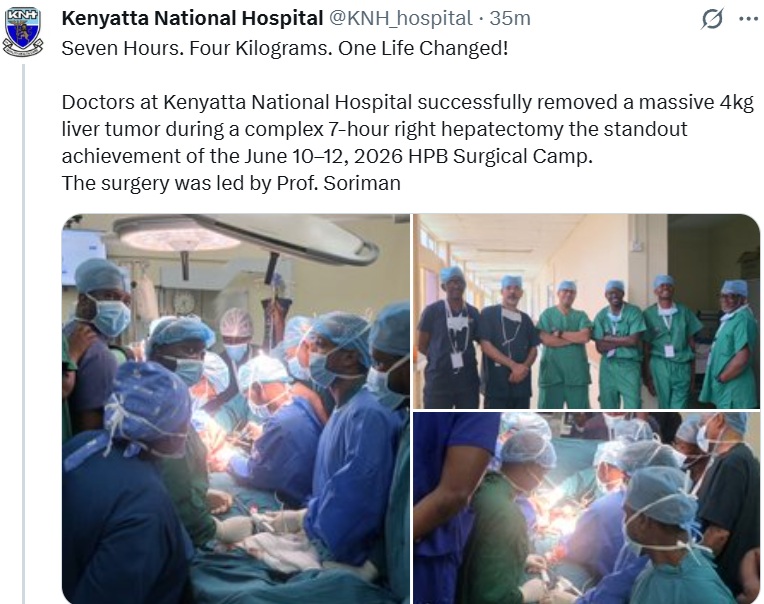
    Doctors at Kenyatta National Hospital (KNH) have successfully removed a massive 4kg liver tumour in a complex seven-hour surgery, giving the patient a new lease on life.

    The landmark procedure, a right hepatectomy, was the highlight of the Hepato-Pancreato-Biliary (HPB) Surgical Camp held at KNH from June 10 to 12, 2026.

    The achievement was made possible through a collaboration between Kenyatta National Hospital, the Europe-Africa Hepato-Pancreato-Biliary Association, the University of Nairobi, Aga Khan University, and visiting surgeons from the University of Science and Technology Hospital in Egypt.

    The surgery was led by HPB specialist Prof. Soriman alongside KNH and University of Nairobi surgeons Dr K. Ondede, Director of Surgical Services, Dr Muia, Dr Kaisha and Dr Nthambi. They were joined by invited HPB surgeons Dr Karan and Dr Misoi.

    The anaesthesia team, comprising Dr Simiyu, Dr Kasuku, Dr Muchiri, Dr Omundi, Mr Kwame, and residents Dr Atieno and Dr Monda, provided critical support throughout the operation.

    The theatre nursing team, led by B. Khandega and comprising C. Tuwei, M. Wambui, S. Njeru, D. Kemuma, P. Nyaga, J. Kinyanjui and Moraa, ensured seamless patient care, while technical support was provided by C. Muthengi and W. Owelle.

    The three-day camp also delivered 13 highly specialized HPB procedures, including four liver resections, one Whipple’s procedure, two hepaticojejunostomies, and six laparoscopic cholecystectomies.

    Led by Dr. Gibson Musila, Head of the Department of General Surgery at KNH, the camp went beyond patient care it served as a platform for mentorship and skills transfer, strengthening local expertise in complex liver, pancreatic and biliary surgeries.

    “The camp also strengthened local expertise through mentorship and skills transfer, showcasing KNH’s growing capacity to provide world-class specialised care and hope for patients facing complex liver, pancreatic and biliary diseases”, KNH said on X.

    “This achievement reflects KNH’s growing capacity to deliver world-class specialised care closer to home, transforming lives and reaffirming its role as a national referral centre where even the most complex medical challenges are met with skill, innovation, and hope”, it added.