Prime Cabinet Secretary and Cabinet Secretary for Foreign Affairs Musalia Mudavadi has arrived in Seoul, South Korea, to attend the first standalone Korea-Africa Foreign Ministers’ Meeting scheduled for May 1st to 2nd June, 2026.
Mudavadi, who is leading the Kenyan delegation attending the summit, was received by the Head of the Kenyan Mission in Seoul, Amb. Prof Emmy Kipsoi.
The summit brings together representatives from 54 African countries and four regional organisations as Seoul seeks to deepen economic ties, diversify supply chains and strengthen cooperation on global challenges.
He said Kenya will be presenting its agenda items at both the plenary and at the margins of the meeting based on the Kenya-Korea diplomatic relations established six decades ago.
“We have established very strong economic and technical cooperation, as well as vibrant people to people exchanges.
During this meeting Kenya would particularly wish to emphasise our cooperation in ICT and Education, as exemplified by ongoing developments at Konza Technopolis among other areas enlisted for engagement.” noted the Prime CS.
“We will also be exploring other critical areas including health, infrastructural development, agriculture and food security, water, energy, the maritime sector, climate resilience and adaptability among others.” said Mudavadi.
Mudavadi added that Korea is an ideological partner to Kenya and the two nations share mutual trust and values and Kenya has much to learn from Korea’s growth trajectory and Korea has been gracious and helpful by way of knowledge sharing and technology transfer.
He said Korea extends significant Official Development Assistance (ODA) to Kenya and there is also growing Korean investment in the fields of Manufacturing, Industry and Infrastructural sectors, which will further be boosted by the recent establishment of Korea Exim Bank Offices in Nairobi.
“During this meeting Kenya will be keen to showcase additional investment opportunities and to boost market access for Kenyan products in Korea. The take home will be of great value to our growing partnership in trade and investment, as we aim to address the trade imbalance that has for long favoured South Korea.” said Mudavadi.
Under the theme of “Partnership for Joint Responses to Global Challenges,” the Korea-Africa Foreign Ministers’ meeting, marks the first ministerial meeting of its kind independently hosted by the South Korean government.
It follows the inaugural Korea-Africa Summit held in June 2024 and the meeting will also be attended by the heads of four African international organisations, namely the African Union (AU), the African Development Bank (AfDB), the African Continental Free Trade Area (AfCFTA) and the Africa Centres for Disease Control and Prevention (AU CDC).
South Korea is calling Africa a crucial partner, particularly amid geopolitical tensions and supply chain crises, and the two sides will be seeking ways to achieve mutual prosperity and a sustainable future during the meeting.
According to the organizers of the summit, key thematic areas will focus on economic cooperation through adopting resolutions that will help boost and secure stable supply chains for critical minerals and energy resources in light of rising global geopolitical risks; sustainable growth in expanding trade ties, green transition projects, and digital innovation partnerships and discussions on global diplomacy that will ride on foundations set during the 2024 Summit to foster mutual prosperity and strengthen long-term structured partnerships.
Ministers will hold two plenary sessions. The first session, titled “Strengthening Economic Cooperation: Promoting Shared Prosperity and Sustainable Growth,” will review cooperation in trade, investment, infrastructure, science and technology, education, food security and supply chains, while exploring ways to expand economic engagement between South Korea and African economies.
The second session, “Joint Responses to Global Challenges: Korea-Africa Solidarity,” will discuss practical cooperation in development assistance, climate action, public health, peace and security, and people-to-people exchanges.
In an earlier interview with Korean Media, the South Korea Foreign Minister Cho Hyun said Africa is emerging as a key hub for global connectivity and future growth, backed by its young population, abundant resources and strategic location.
The meeting will be accompanied by a Korea-Africa Business Forum involving government agencies and private-sector participants.
Kenya has identified 25 counties as high risk for Ebola.
Public Health Principal Secretary Mary Muthoni announced that, as of May 30, 2026, Kenya had not recorded any confirmed cases of Ebola Virus Disease (EVD).
She said 18 samples linked to EVD alerts had been tested from various regions, including Nairobi, Kiambu, Uasin Gishu, Nyeri, Nakuru, Nyamira, West Pokot and Kisumu, with all returning negative results.
Testing is being conducted at four designated laboratories: the National Public Health Laboratory, KEMRI Nairobi, KEMRI Kisumu, and a mobile laboratory in Busia.
According to the latest risk assessment, 25 counties have been classified as high risk, with 12 categorised as very high risk and 13 as high risk.
The very high-risk counties include Nairobi, Mombasa, Uasin Gishu, Busia, Kisumu, Bungoma, Trans-Nzoia, Siaya, West Pokot, Turkana, Homabay, and Migori.
The high-risk counties are Vihiga, Kakamega, Nakuru, Kericho, Nandi, Kiambu, Machakos, Makueni, Kilifi, Taita Taveta, Isiolo, Elgeyo Marakwet, and Garissa.
Detectives have positively identified seven Utumishi Girls Senior Secondary School students involved in the arson attack through forensic analysis of CCTV footage.
Giving an update on the investigations, the DCI described the breakthrough as a significant step in the investigations and said detectives are pursuing another student who had earlier been released.
“After conducting a thorough, detailed forensic analysis of the CCTV footage recovered from the school, coupled with enhanced review at the Forensic Imaging and Acoustic Laboratory at DCI National Police Service Forensics Laboratory, a positive identification of the students who lit the fire has been realised”, the DCI said in a statement Sunday.
“ Further analysis of the CCTV footage, conducted in collaboration with the teachers, has enabled the investigation team to confirm the identity of seven students who participated in the arson before escaping the scene. Of the eight suspects previously arrested, six have been positively identified and confirmed through the footage”, it added.
It has also been established that the seventh identified student was among those earlier released to their parents and is currently not in custody.
16 students perished in the Thursday, May 28, 2026, tragic fire in Gilgil, Nakuru County, that has shocked the nation
Post-Mortem Examinations
Parents of the 16 girls who died will have to wait longer for DNA results before the bodies are released to them.
The post-mortem examinations conducted at Naivasha Sub-County Referral Hospital Mortuary by a team of pathologists led by Dr Dorothy Njeri confirmed that the students died as a result of severe burns.
The grief-stricken parents were allowed to view the bodies. However, only three were positively identified, as the others had been burnt beyond recognition.
DNA reference samples were also collected from the families of the deceased students to facilitate formal identification of the remains which was necessitated by the extent of the burns.
“The National Police Service reiterates its deepest condolences to the bereaved families, relatives, friends, and the entire school community. We also wish quick recovery to those still receiving medical treatment. The DCI thanks members of the public, parents, guardians, students and the school community for their continued calm, patience, and full cooperation with the investigating team during this difficult period”, the DCI said.
It thanked the parents and students for assisting with the investigators by providing statements and supporting the review of evidence.
“We urge anyone with additional information that may assist the ongoing investigation to continue coming forward. The DCI remains committed to conducting a thorough, professional, and impartial inquiry to deliver justice for the victims and their families, it assured.
The government has announced plans to provide psychosocial support and counselling services to families affected by the tragic fire that claimed the lives of 16 students at Utumishi Girls Academy in Gilgil.
Speaking during a mentorship programme at Friends Moi Kaptama Girls Secondary School in Mt Elgon Constituency, Principal Secretary for the State Department for Children Services, Carren Ageng’o, conveyed her condolences to the bereaved families and assured them of the government’s commitment to helping those affected recover from the devastating loss.
“We extend our deepest condolences to the families who lost their children in this unfortunate incident. The government will do everything possible to ensure that the affected families receive the necessary psychological support and counselling during this difficult period,” said Ageng’o.
The mentorship programme brought together key departmental organisations dealing with children welfare and protection, government officials, educators and students to discuss issues affecting learners and their future development.
The Power of the Mind. Moi Kaptama girls students during a mentorship session by CWSK
Addressing students, the PS emphasised the need for open communication whenever learners experience emotional or mental challenges. She cautioned against destructive actions that endanger lives and disrupt learning.
“Students should feel free to express themselves whenever they are facing mental pressure. Resorting to acts such as burning dormitories only causes destruction, loss and unnecessary suffering,” she said.
Ageng’o further urged learners to uphold discipline in schools, warning that those found engaging in unlawful activities would face the consequences of their actions.
“Discipline remains a key pillar in education. The government will not hesitate to take appropriate action against individuals who violate the law,” she added.
Also speaking during the event, Principal Secretary for the State Department for Mining, Harry Kimtai , called on the Ministry of Education, the Department of Children Services and security agencies to conduct thorough investigations into the cause of the deadly fire.
“All relevant authorities must work together to establish the circumstances surrounding this tragedy and ensure accountability where necessary,” Kimtai said.
He noted that mentorship and guidance programmes can play a significant role in addressing cases of unrest in learning institutions across the country.
“Many of the challenges facing students can be addressed through mentorship, counselling and continuous engagement with learners. Such programmes should be strengthened in schools nationwide,” he said.
From left-PSs Ageng’o, Kimtai and the school’s principal
During the mentorship session, officials from the Child Welfare Society of Kenya (CWSK) encouraged students to make informed career choices, maintain discipline and embrace spiritual values as important foundations for success in life.
The programme also featured an environmental conservation initiative where students planted more than 5,000 trees within the school compound as part of efforts to promote environmental sustainability and protect the environment.
Education stakeholders attending the event expressed optimism that mentorship programmes, coupled with enhanced mental health support, will help create safer and more supportive learning environments for students across the country.
As the world commemorates World No Tobacco Day 2026, Kenya faces an urgent and growing public health crisis, with tobacco use contributing to approximately 12,000 deaths annually, while thousands more suffer from tobacco-related illnesses such as cancer, heart disease, stroke, and chronic respiratory conditions.
Despite significant global progress in tobacco control, the rising use of new nicotine products among young people threatens to reverse these gains, as products such as e-cigarettes, including vapes, and nicotine pouches become increasingly popular among youth, exposing a new generation to diseases such as addiction and even death.
Tobacco use remains one of the leading preventable causes of death and disease worldwide, and Kenya is no exception. According to the Tobacco Control Data Initiative (TCDI) Study (2022), tobacco use contributes to approximately 12,000 deaths annually in Kenya. Beyond the loss of life, tobacco use also increases healthcare costs and reduces productivity, placing a significant burden on families, communities, the healthcare system, and the national economy.
Particularly concerning is the high burden of tobacco and nicotine use among young people in Kenya. According to the National Authority for the Campaign Against Alcohol and Drug Abuse (NACADA) 2024 study on the Status of Drugs and Substance Use among University Students in Kenya, 12% of university students currently use tobacco products, while 5.8% use e-cigarettes such as vapes and 4.6% use nicotine pouches.
The study highlights the growing popularity of emerging nicotine products among youth, driven largely by flavoured products, attractive packaging, aggressive online marketing and social media promotion that specifically appeal to young people.
The tobacco and nicotine industry is increasingly targeting young people in Kenya through sophisticated digital marketing that portrays use as fashionable, modern and socially acceptable. Social media platforms such as TikTok, Instagram, YouTube, Facebook, and X (formerly Twitter) are widely used to promote e-cigarettes, including vapes, nicotine pouches and heated tobacco products.
A 2026 study by the Kenya Tobacco Industry Monitoring & Response (TIMR) Team shows that influencers, celebrities, online creators, music events, giveaways, hashtags and lifestyle branding are commonly used to attract youth. These promotions often present nicotine products as trendy or safer alternatives to cigarettes while hiding their addictive nature.
For example, short TikTok and Instagram videos featuring influencers vaping as part of “lifestyle content” help normalise use among young people who are highly active on social media and therefore more exposed to such messaging.
Young people are deliberately targeted because they are more likely to experiment with new products, become long-term consumers and influence their peers. The tobacco and nicotine industry uses youth-centered messaging, sweet flavours, colourful packaging, influencer marketing and entertainment content to normalise use and create social acceptance.
E-cigarettes (including vapes) are often designed to resemble tech gadgets, emit sweet scents like strawberry, mango, apple and come in child-appealing flavours, making them harder to recognise as harmful products and easier to use discreetly in schools, universities and social spaces.
This is the “appeal” that needs to be unmasked: addiction is being hidden behind flavours, design and marketing that make nicotine products look trendy and harmless. While often promoted under a “harm reduction” narrative, evidence from the World Health Organization shows that most e-cigarettes still contain addictive nicotine and pose health risks, especially to adolescents whose brains are still developing.
Nicotine addiction affects concentration, learning, mood, memory and mental health and for students and young professionals, this can harm academic performance, wellbeing and productivity. Protecting young people, therefore requires stronger regulation of online marketing, tighter control of product design and flavors, and sustained public education to counter industry influence.
Protecting young people from tobacco and nicotine addiction requires decisive action from policymakers. This includes fast-tracking the Tobacco Control Amendment Bill to strengthen legal protections for youth and regulate emerging nicotine products. It also requires stricter enforcement of existing tobacco control laws and sustained investment in public awareness campaigns to reduce uptake and exposure.
Evidence shows that increased tobacco taxation is one of the most effective measures for reducing consumption and these revenues should be reinvested into tobacco control efforts. Finally, policymakers must uphold Article 5.3 of the World Health Organization Framework Convention on Tobacco Control to protect public health policies from tobacco industry interference and ensure decisions prioritise health over commercial interests. Through coordinated action across all sectors, Kenya can better protect its young population from addiction, disease and the lifelong consequences of tobacco and nicotine use.
Kenya has made important commitments under the World Health Organization Framework Convention on Tobacco Control (WHO FCTC), but more action is needed to address the rapidly changing nicotine landscape. Sustained investment in prevention and awareness campaigns can help counter misleading industry narratives and empower young people to make informed decisions about their health.
World No Tobacco Day 2026 serves as a reminder that the health and future of Kenya’s youth must remain a national priority. Preventing tobacco and nicotine addiction today will help reduce future cases of non-communicable diseases, protect the country’s productivity and save thousands of lives.
The time to act is now. The tobacco industry is moving fast, and while action is delayed, emerging nicotine products are already entering schools, homes, and communities disguised as harmless lifestyle items.
Kenya must urgently strengthen tobacco control efforts and unmask the appeal of these products before more young people are drawn into addiction. Without decisive action, an entire generation risks being normalised into nicotine use instead of being protected from it.
The writer is M & E Officer at the International Institute for Legislative Affairs (IILA)
The East African Community (EAC) will convene an Extra-Ordinary virtual meeting of the Sectoral Council of Ministers responsible for Health on 1st–2nd June 2026, to deliberate on the ongoing Ebola outbreak affecting the region.
The meeting will consider the proposed regional actions to curb the outbreak caused by the Bundibugyo virus strain.
Partner states, including Kenya, have stepped up preparedness measures following the outbreak in DR Congo and Uganda.
“The convening of this high-level meeting is part of a series of urgent actions the EAC Secretariat has initiated, having already intensified regional coordination and preparedness measures following the Ebola outbreak caused by the Bundibugyo virus strain in the Democratic Republic of Congo (DRC) and Uganda”. It said.
There are now more than 1,000 suspected Ebola cases in the DR Congo, and at least 246 deaths. Neighbouring Uganda has reported nine confirmed cases and one death.
The medical charity Médecins Sans Frontières (MSF) has warned that the rapid spread in DRC is deeply alarming.
Speaking two weeks on from the outbreak being declared, MSF deputy director Dr Alan Gonzales said never before had “so many cases” been recorded so soon.
His comments came as the head of the World Health Organization (WHO), Dr Tedros Adhanom Ghebreyesus, visited the eastern Congolese province of Ituri – the worst-hit area – to oversee virus containment efforts.
“Never before has an Ebola outbreak recorded so many cases so soon after its declaration,” he said, stressing his teams on the ground were “witnessing a response that has not yet caught up to the rapid spread of the epidemic”, said Gonzales.
“The reality today is that nobody knows the true scale and severity of this outbreak. New suspected cases are being reported daily, yet hundreds of samples remain untested.”
Gonzalez added that containment efforts and humanitarian aid deliveries were being delayed by “major constraints”, including border and airport closures.
The WHO has repeatedly warned that ongoing conflict in the DR Congo was also significantly hampering the Ebola outbreak response.
Young people have been challenged to embrace agriculture as a viable pathway to employment.
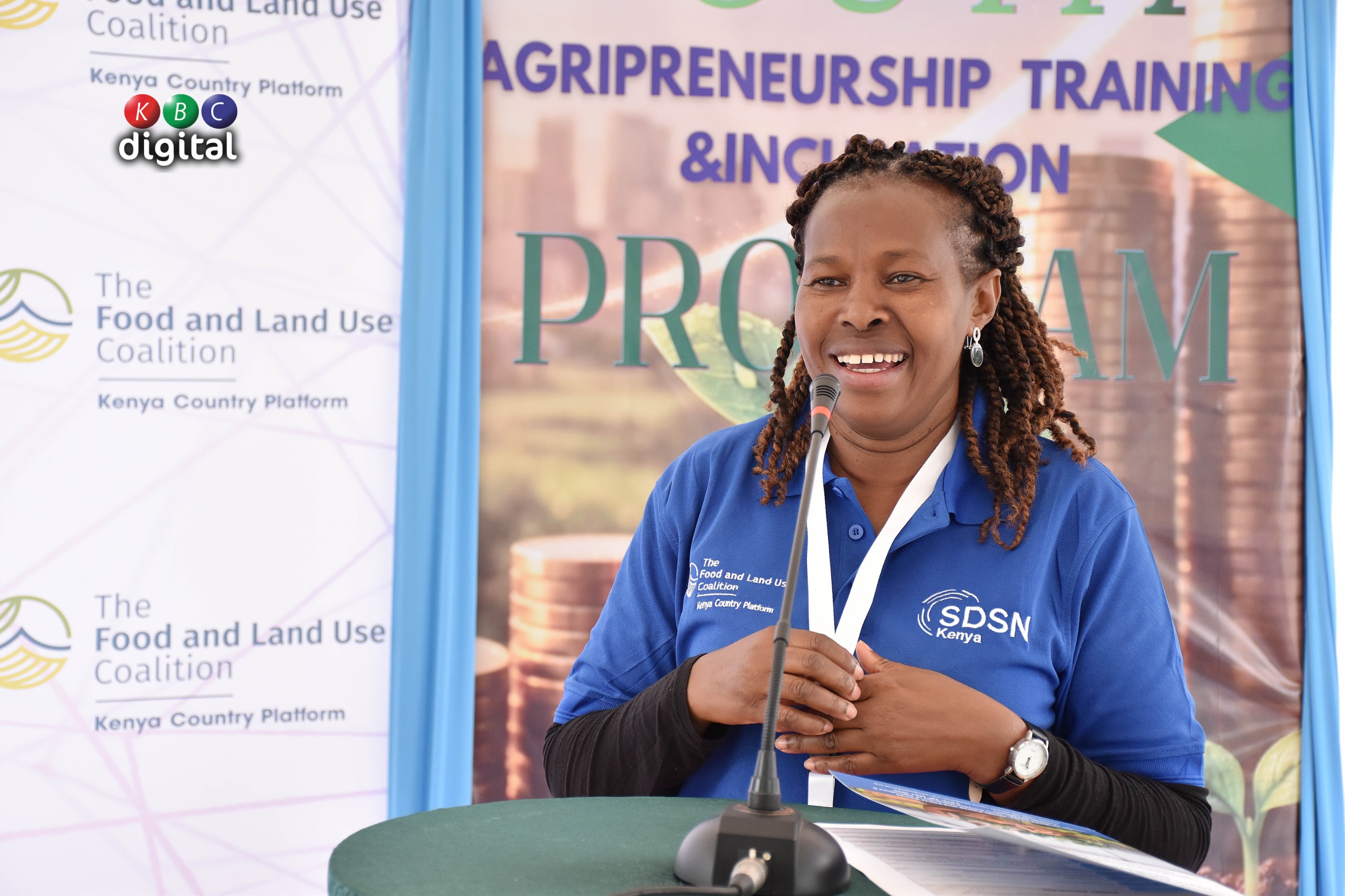
Speaking during a Youth Agripreneurship Training and Incubation Programme at Jomo Kenyatta University of Agriculture and Technology (JKUAT), experts described agriculture as the next frontier for youth empowerment and sustainable development.
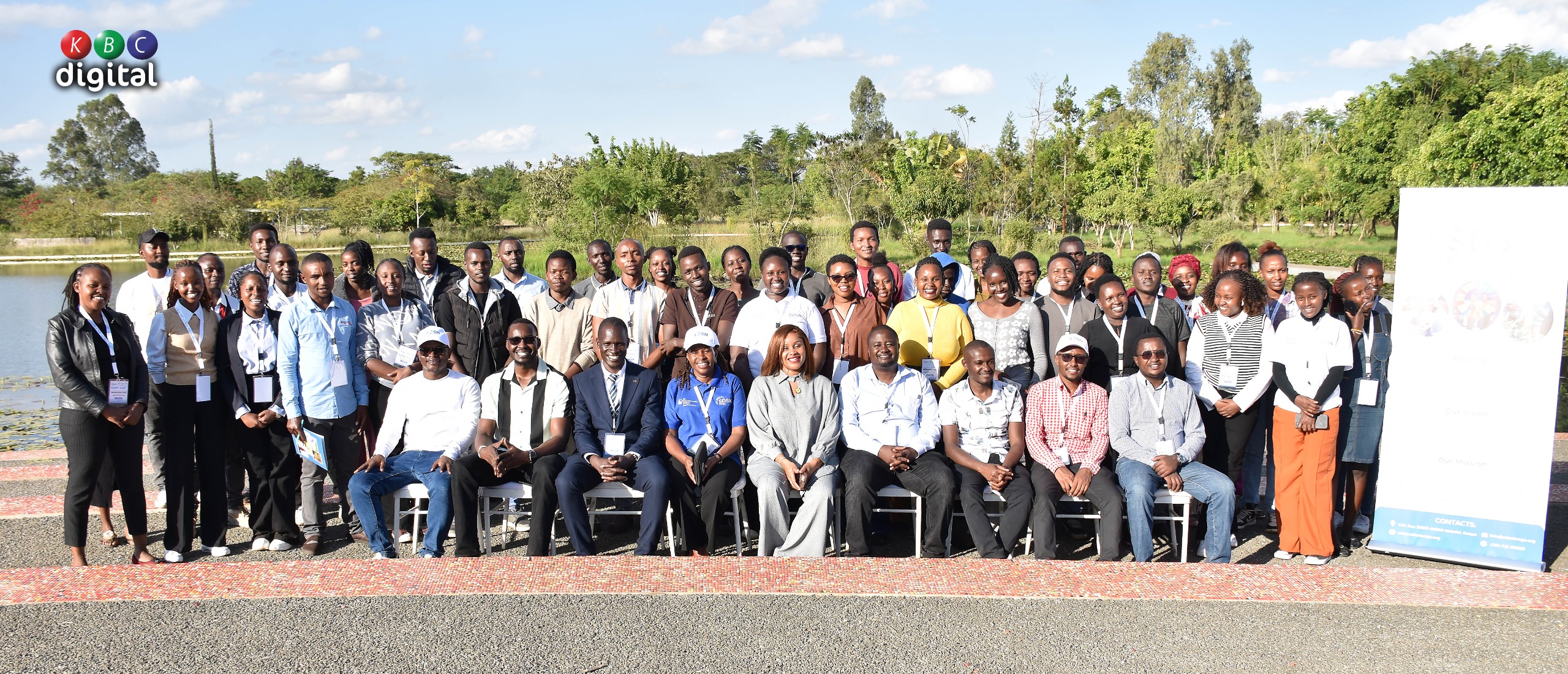
The forum, organised by the Sustainable Development Solutions Network (SDSN) Kenya under the theme “Youth Agripreneurship for Food Security: Advancing Agroecology, Environmental Restoration, Sustainable, Climate-Resilient AgriFood Enterprises and Transformative Media Engagement,” brought together youths from 12 counties including Kiambu, Kirinyaga, and Embu.
Participants were encouraged to view agriculture beyond traditional farming and explore opportunities across the entire value chain, including production, value addition, technology, marketing, environmental restoration, and innovation.
“Agriculture remains central to Kenya’s economy, livelihoods, and food security. Modern agriculture is no longer about subsistence farming; it is becoming a dynamic sector driven by innovation, technology, value addition, digital solutions, climate resilience, and enterprise development,” said Dr Stella Kasiva, Network Manager, SDSN Kenya.
SDSN Kenya plans to support youth-led agribusiness projects by providing funding
The Speakers from key youth-led organisations emphasised the growing role of technology in transforming agriculture and helping farmers adapt to climate change.
“Modern agriculture extends beyond farming. Youth can explore innovation, storytelling, content creation, and business idea pitching within the agricultural value chain. Agribusiness is not just about working the land – it is also about creating solutions, driving social impact, and improving livelihoods, said Eliud Kibet, CEO of LiveLife Solutions.
He cited rising food demand, a growing population, job scarcity, and limited land as challenges that can be transformed into opportunities
“Young people must seize agribusiness opportunities, including innovative approaches such as vertical and pyramid gardens to maximise production in small spaces,” said Kibet.
Joyce Wairimu, an onion farmer, urged the participants to venture into agribusiness, noting that strengthening food security today would benefit future generations.
Joseph Ndiba, a Research Fellow with the AFAS Project at the University of Nairobi, said climate-smart technologies are critical for enhancing resilience, particularly in arid and semi-arid areas.
He said innovations such as the Zai pit system, which uses organic matter to retain soil moisture and improve crop production in dry regions.
“We promote agricultural innovation through practices such as the Zai pit system, which uses organic matter to retain soil moisture and support farming in ASAL areas,” said Ndiba.
The youth leaders noted that technology can also improve food distribution and reduce post-harvest losses, while value addition creates new income streams for young entrepreneurs.
Examples highlighted included converting agricultural waste, such as banana stems, into tissue paper and other commercial products.
Climate scientist Boaz Ogada said training and mentorship were essential in building climate-resilient agribusiness enterprises and value chains.
“The purpose of attending the Agripreneurship Forum is to ensure that young people are trained and mentored to build climate-resilient agribusiness enterprises and value chains,” he said.
The participants received training in poultry, pig, fish, cricket, and horticulture farming. They also learned about dairy production, silage making, maize farming, fruit tree cultivation, and grafting techniques for mangoes, oranges, and guavas.
According to Michael Onchabo, Country Director of FOLU Kenya, young people have a critical role to play in transforming food systems through innovation and entrepreneurship.
“We are encouraging young people to develop innovative solutions that can transform food systems sustainably, from production and storage to distribution and marketing, while creating investment opportunities across the agricultural value chain,” he said.
Onchabo added that the Food and Land Use Coalition is collaborating with the government to review the Food, Nutrition and Security Policy through public participation to strengthen food security in the country.
Kasiva regretted that the sector faces numerous challenges, including climate change, biodiversity loss, environmental degradation, youth unemployment, and food insecurity.
SDSN Kenya, which plans to support youth-led agribusiness projects through funding and technical assistance from project inception to production and market access, has invited interested young people to pitch innovative ideas and share projects with the potential to drive transformational change in the agriculture sector.
Meanwhile, Safi Organics Chief Operating Officer Joyce Kamande highlighted the role of innovation in promoting sustainable agriculture through the conversion of biomass waste into organic fertiliser using biochar technology.
“We are also working with the government to support local production and subsidise fertiliser made in Kenya,” she said.
The forum heard that, with technologies such as drones, artificial intelligence, data analytics, and digital content creation, young people can build successful agribusiness ventures while contributing to food security and economic growth.
It ended with a call on governments, investors, mentors, and development partners to continue supporting youth-led agricultural innovations, describing a food-secure world as the foundation of a prosperous future.
Fouzia Rashid, a primary teacher from West Sang’alo Ward, Kanduyi constituency, Bungoma County and her husband had carefully planned their future around raising three children while building a stable life together.
The 34-year-old mother of three children, aged 13, 7, and 5 years, however, began to desire one more child, a decision her husband fully supported.
What followed was a frustrating journey that would expose not only the hidden burden of Neglected Tropical Diseases (NTDs) in Western Kenya, but also the critical role that Community Health Promoters (CHPs) now play in transforming lives through door-to-door health education, mass drug administration, and the promotion of proper sanitation and hygiene.
Months passed without conception. Then two years. Concerned and desperate for answers, Fouzia sought medical help, hoping doctors would identify the problem.
As frustration mounted within the family, she turned to traditional remedies, hoping for a breakthrough. Instead, her condition worsened. She began experiencing persistent abdominal pain and occasional bleeding while passing urine. The symptoms were mistaken for a sexually transmitted infection, leading to treatment that offered no relief.
“I was stressed and confused because every treatment I received seemed to fail. There was strife in my home,” she recalls.
The overlooked diseases
Ironically, during the same time, the community-wide Mass Drug Administration (MDA) campaigns targeting Soil-Transmitted Helminthiases (Intestinal worms popularly known as Minyoo) and Schistosomiasis (Bilharzia) were ongoing in her area, which is an endemic zone.
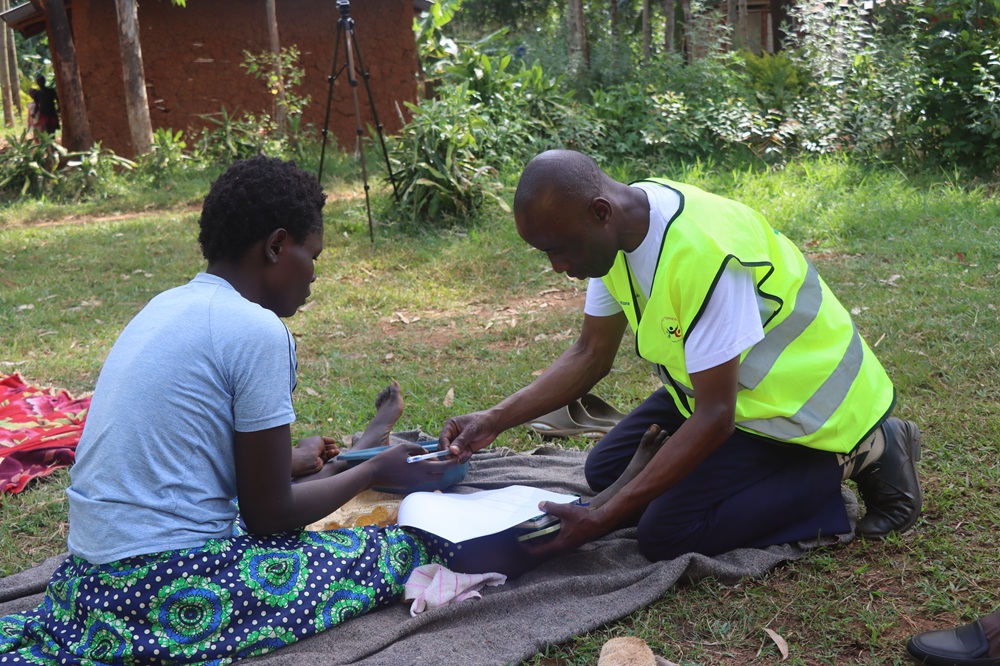
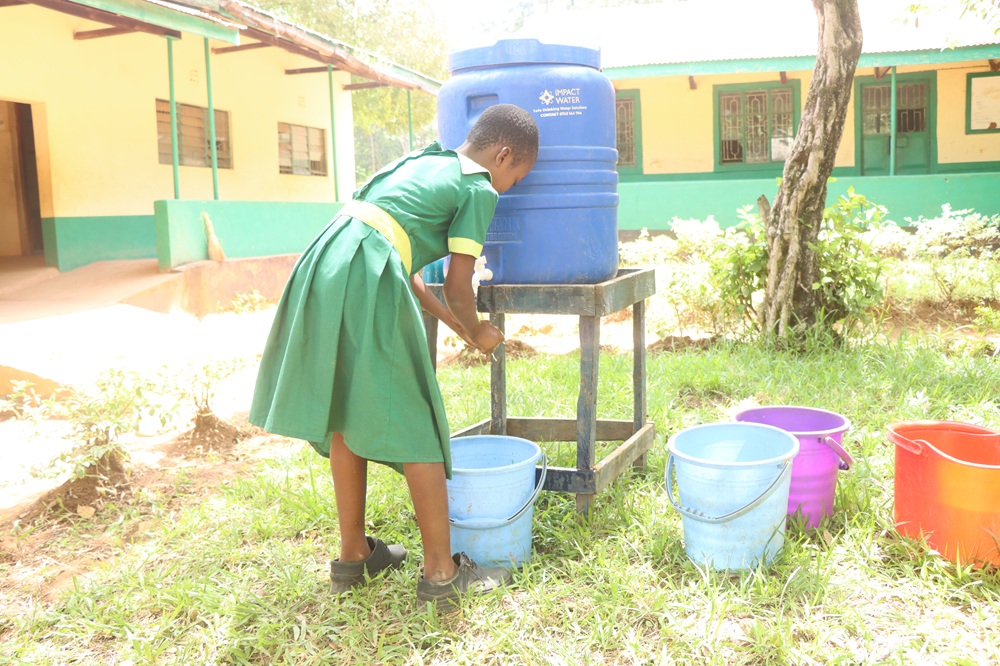
The CHPs moved from house to house distributing praziquantel tablets for Bilharzia and dewormers for STH, while at the same time educating residents on how safe water, handwashing, and proper sanitation are critical in the prevention of the diseases associated with the poor and had for years received minimal attention and funding.
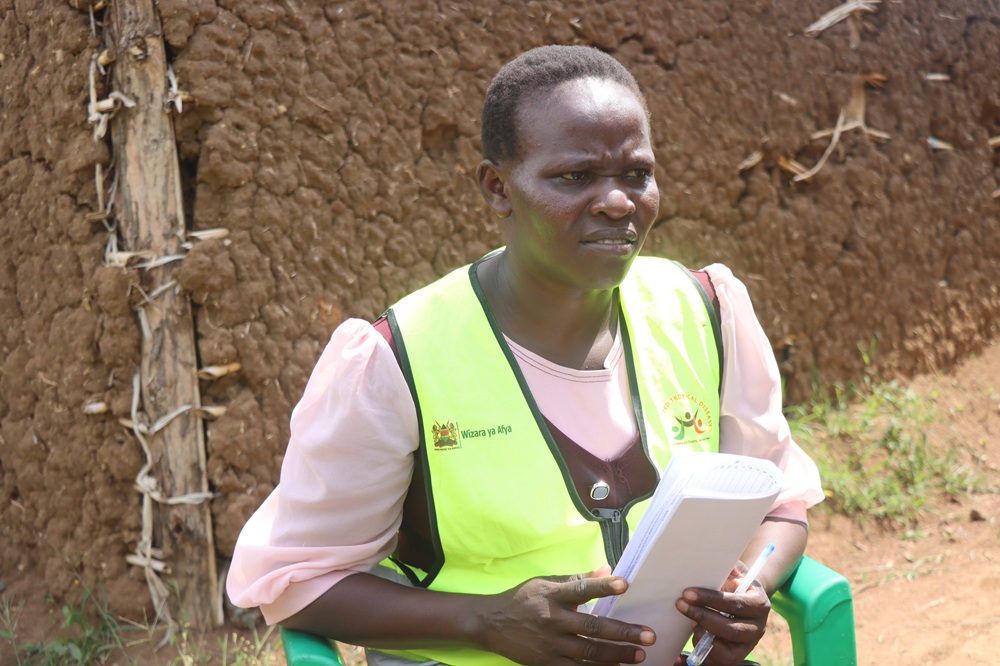
However, Fouzia showed little interest in the drive. She repeatedly dismissed advice from Linet Nanjala, the area CHP, who suspected she could be suffering from urinary bilharzia, a disease known to affect the reproductive area, including causing temporary infertility for both men and women, among other symptoms if left untreated.
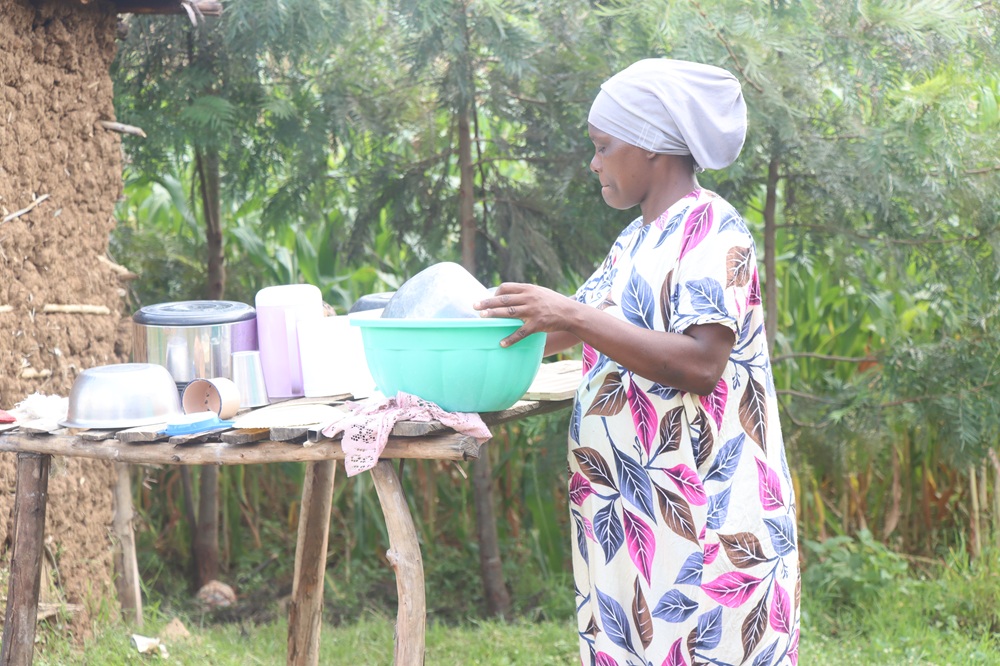
Fouzia at her home
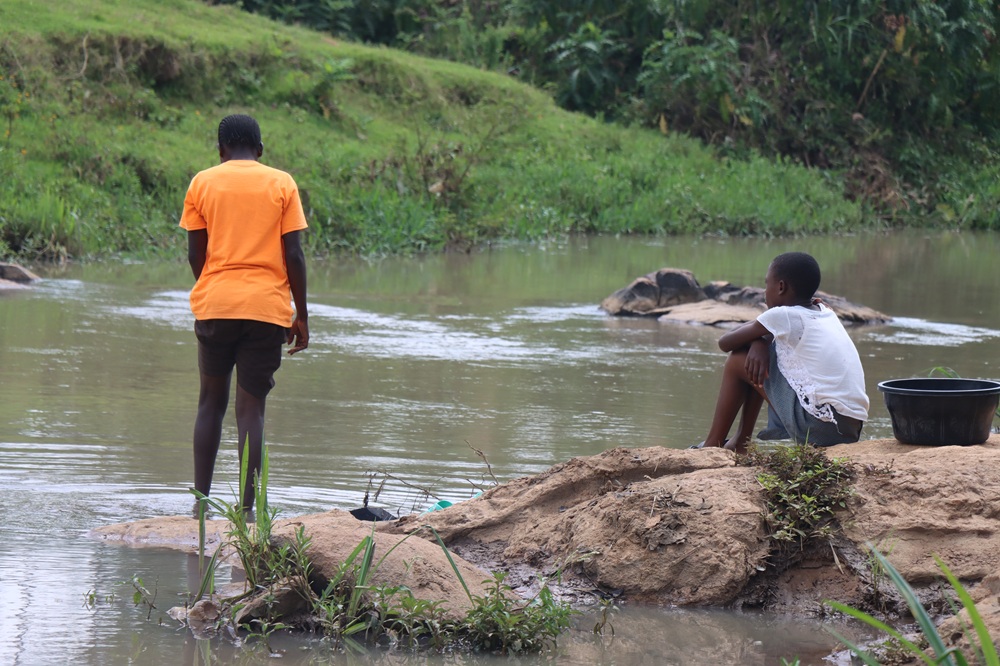
Bilharzia is transmitted by parasitic worms shed through urine and human waste from an infected person, contaminating water bodies such as ponds, rivers, springs, wells and dams.
One of the rivers in West Sang’alo
With persuasion, the teacher finally overcame fear perpetuated by misformation and agreed to take the medication during the first and second rounds of the drug distribution exercises, a decision that changed her life.
Within months, the abdominal pain disappeared. The bleeding stopped. Slowly, her health improved. Then, in November, came the news she had almost given up hope for — she was pregnant.
Today, Fouzia is seven months pregnant and preparing to welcome her fourth child. For her, the intervention did more than restore health. It changed perspectives and long-standing behaviours that expose communities to preventable health risks.
Breaking the silence of shame
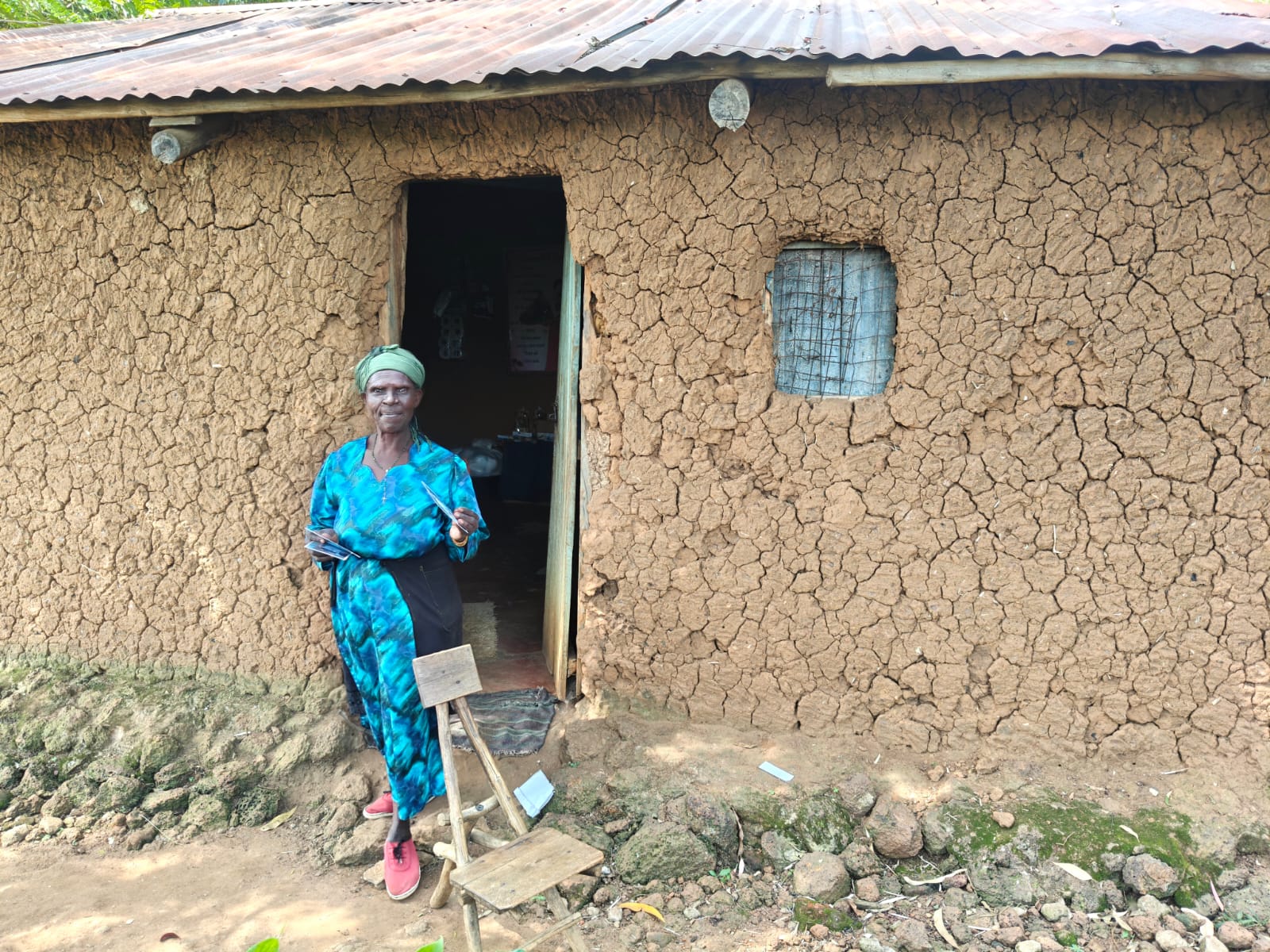
As you traverse the ward, the prevalence of mud houses and families living in deep poverty makes building a modern toilet a tall order. A few kilometres away from Fouzia’s sits the home of Catherine Wambiya, a widow whose long story of pain, shame, and silence also has a happy ending thanks to persistent sensitisation.
For years, the widow had lived with persistent abdominal pain, unexplained fatigue, swelling, and occasional bleeding that she describes as shameful to talk about, considering her advanced years. She avoided the mass drug treatments, arguing they were for children due to their careless hygiene habits and also widespread myths surrounding a disease she knew nothing about.
“I had heard that when you swallow the medicines, you will fall and die, so I was scared. But my swollen tummy and bleeding scared me even more. As is the habit here, I went for the Maasai traditional medicine popular in the area,” she says.
Little did she know that the answer to her condition lay in the MDA rounds she had ignored since 2021 and the persistent advice drummed into her by the CHP to build a pit latrine, treat her drinking water, and practise proper hygiene to keep diseases at bay.
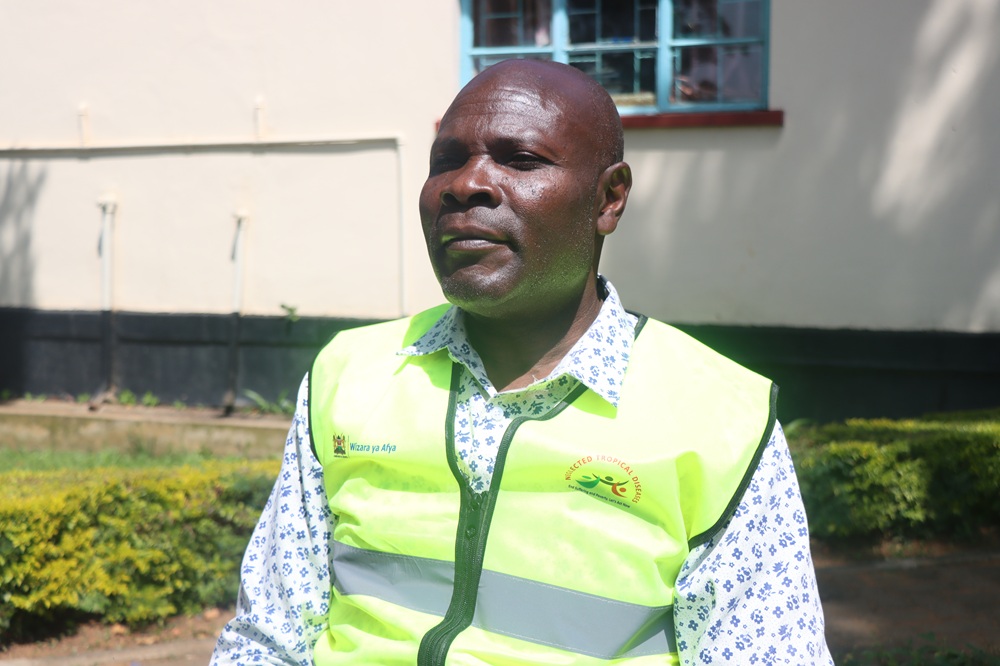
Linet Nanjala- a CHPPastor Josephat Nabiswa, a CHP, during a household visits
Despite pocketed episodes of hostility from a section of residents resisting change, the CHPs never gave up.
“I followed the instructions, ate well, swallowed the tablets, and the rest is history,” Catherine says with a smile. “It is the best thing that has ever happened to me. When the drugs are taken properly on a full stomach, there are no serious side effects. I am healed”, she adds exuberantly.
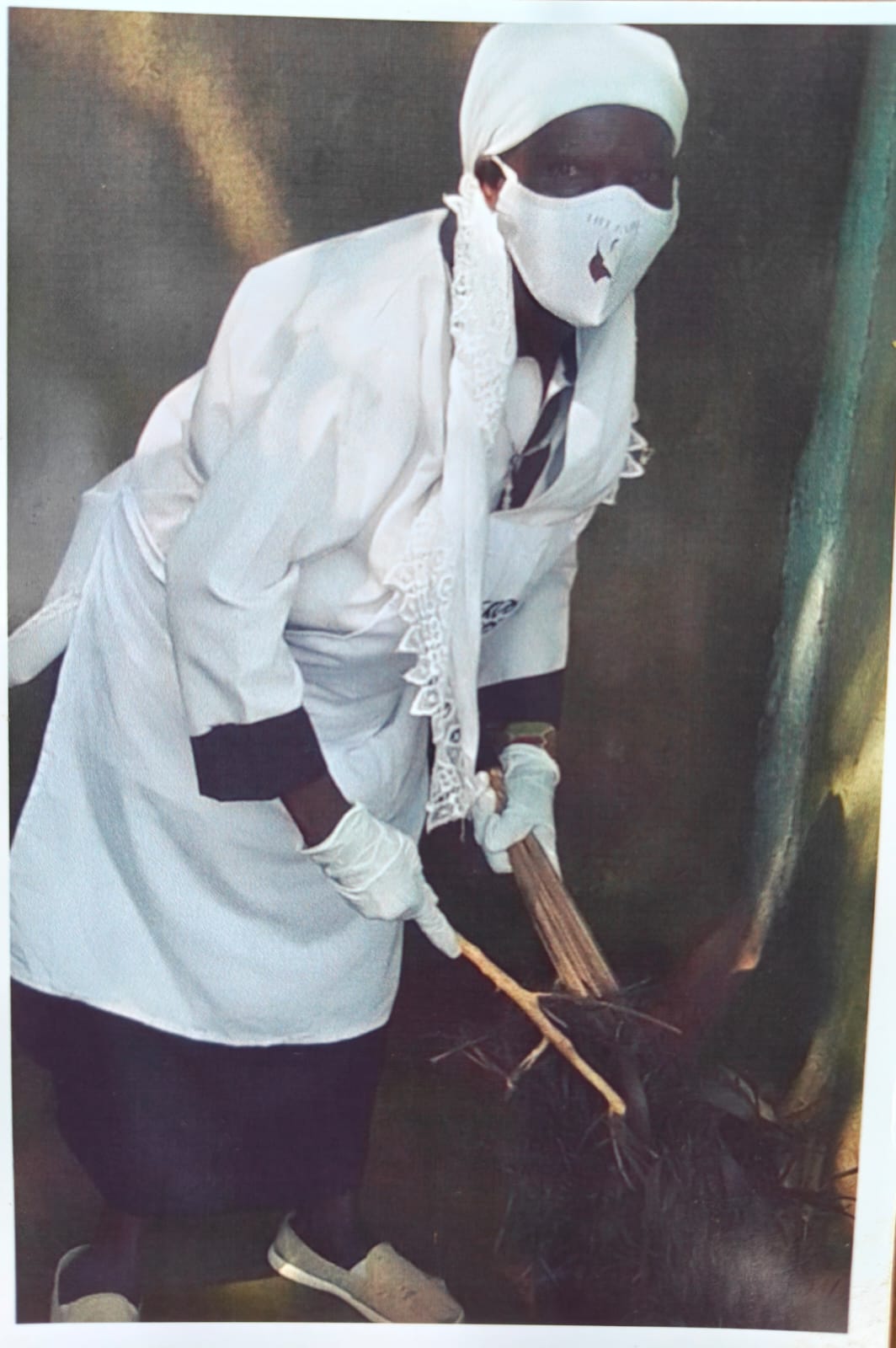
Today, Wambiya has become one of the community champions. Equipped with knowledge that poor sanitation fuels the spread of diseases, she now volunteers to clean toilets in churches and encourages families in her village to use clean, safe water, build toilets, and maintain proper sanitation and hygiene as preventive measures.
Catherine cleaning toilets
For Linet and Josephat Nabiswa, a fellow CHP in the neighbouring Bulondo township, the greatest joy comes when they witness real change in the communities they serve, when families that once feared treatment now embrace it, when homes that lacked toilets begin prioritising sanitation, and when patients who suffered in silence regain their health and hope.
“One of the biggest challenges is changing long-held beliefs and habits in the community. But when you finally see a family embrace treatment, build a toilet, or regain their health, that is the greatest reward for us as CHPs”, Nanjala says.
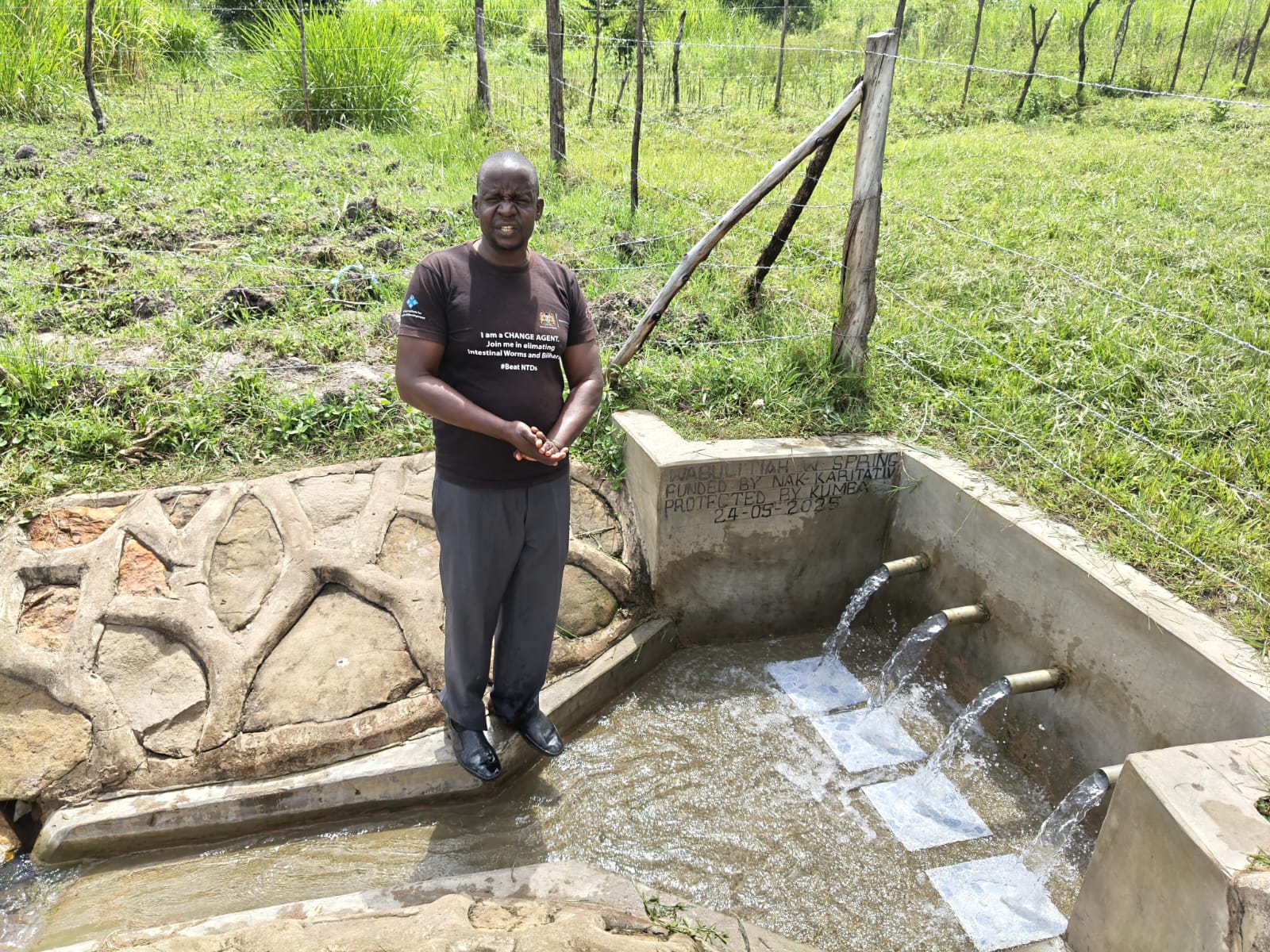
With raised awareness, the residents have joined forces to ensure they have access to clean water. Dennis Wanyama, another champion for WASH initiatives, is driving the change through the protection of Wabulitiah water spring, which is the primary source of water for households in the West Sang’alo.
Dennis Wanyama
“The push came when my family members started falling ill, and when I went to Bulondo health centre, I was shocked at the number of people with the same ailment and children vomiting worms. Upon talking to the doctors, they told me the conditions are exacerbated by unsafe water and lack of toilets”, he says.
“From that information, I knew I had to do something. I have since been actively engaging locals, leveraging community dialogues, door-to-door visits to educate about NTDs and hygiene practices even in schools”, he says.
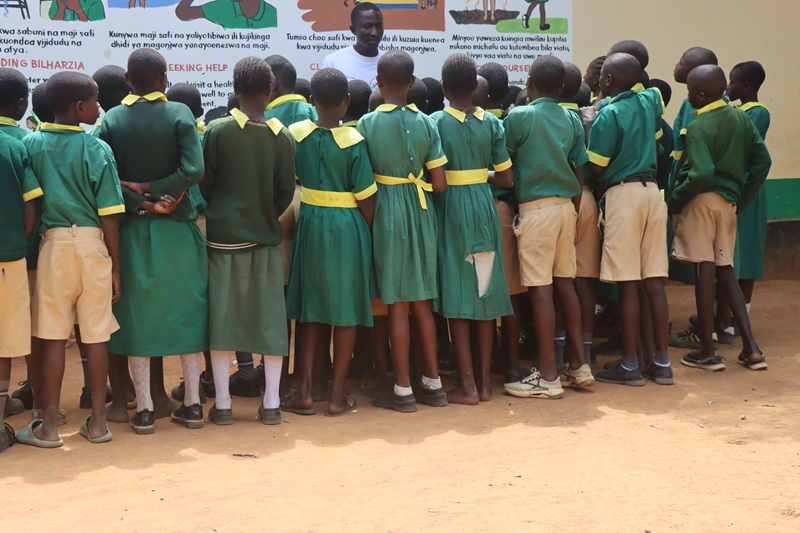
St. Paul’s Siangwe is one of the 11 schools in Bungoma using murals on WASH and NTDs
The road to 2027 elimination
Schistosomiasis and soil-transmitted helminths remain among the most common NTDs in Western Kenya, particularly in Bungoma’s 17 endemic wards.
A baseline mapping survey conducted in 2021 recorded prevalence rates of 7 per cent for intestinal worms and 4.7 per cent for bilharzia.
The findings triggered intensified interventions by the Ministry of Health, county governments, and partners, including Amref Health Africa, The END Fund, African Institute for Health and Development, Wash Alliance Kenya, and the Global Alliance for NTDs Elimination-Kenya.
Five years later, beyond the mass drugs, the breakthrough has come from WASH initiatives and social behavioural change largely driven by CHPs and diverse change agents drawn from all sectors within the communities.
According to County NTD Coordinator Dr Robert Wetoto, Kenya is on course to eliminate the NTDs by 2027, ahead of the 2030 official World Health Organization (WHO) goal to reduce infections to less than 2pc.
Bungoma NTD Coordinator Dr Robert Wetoto
He reveals the impact has been significant. The latest baseline survey indicates Bungoma County has maintained zero prevalence rates for both diseases since 2023.
However, challenges remain. West Singal’o Ward recently reported a resurgence of intestinal worms after a temporary stock-out of dewormers for the CHPs who had been supplementing treatment under the Universal Health Coverage programme.
Heavy rains also destroyed several pit latrines, reducing sanitation coverage and increasing exposure to infection.
To address the gaps, the county government has integrated NTD treatment into primary healthcare services, ensuring that deworming and bilharzia treatment are administered to patients seeking services across all health facilities.
Wetoto says strengthening the “test and treat” approach is now critical in sustaining progress.
“Anyone walking into our health facilities with a condition that does not directly suggest worm infection or bilharzia must be tested. We cannot reach elimination when we don’t address the issues of test and treat. We have also equipped our facilities with the reagents for testing, “ he says.
“It is a comprehensive strategy aimed at ensuring we know where we are and what to treat. This is definitely accompanied by surveillance,” Wetoto says.
He decries that some infections are often misdiagnosed because symptoms such as blood in urine are mistaken for sexually transmitted infections.
“The parasites can survive in the body for more than 30 years if untreated. We have asked our clinicians to test bilharzia before administering STI treatment,” he warns.
At the same time, county governments are collaborating with water and sanitation departments to improve access to clean water through boreholes, spring protection, piped water systems, and sanitation programmes.
Working quietly in villages, often on foot and with limited resources, the CHPs momentum and the communities’ positive shift cannot be overlooked in the accelerated progress towards elimination.
For women like Fouzia and Catherine, their persistence changed lives.
One regained hope of motherhood. The other found healing after years of silent suffering.
And across Bungoma County, their stories are becoming symbols of a larger transformation, where action, trust, effective drug administration, community health education and social behavioural change can combat diseases that once thrived in silence.
Explainer on Bilharzia and Intestinal Worms
Explainer: Soil-transmitted helminths (STH)—such as hookworms, roundworms, and pinworms—are parasitic worms that spread through contaminated soil in areas with poor sanitation. The infections are most commonly contracted by walking barefoot through soil or contaminated food and water with human waste.
Schistosomiasis is transmitted when urine or faeces from an infected person contaminate water sources. Freshwater snails act as intermediate hosts, releasing microscopic parasites into the water. People in contact with unsafe water become infected when these parasites penetrate the skin during activities such as farming, fishing, bathing, swimming, or washing clothes.
Wetota explains that when the eggs lodge in the genital tract, they cause a form of the disease called genital schistosomiasis, while those in the blood vessels lining the intestines cause intestinal bilharzia.
Key Symptoms include persistent abdominal pains, blood-stained stool or urine, fatigue, anaemia, while in advanced stages it causes enlargement of either the liver or the kidney.
For the worms, symptoms include fatigue, anaemia, especially hookworms when they multiply in the gut, malnutrition in children, a distended belly and bloating and severe cases of intestinal obstruction requiring surgery.
Detectives have arrested David Onyango, aka MC Adek Tatu, in Mombasa over alleged insensitive and inflammatory social media posts that sparked widespread public outrage.
According to the Directorate of Criminal Investigations (DCI), the offensive content was posted in the aftermath of the devastating fire at Utumishi Girls’ Academy that claimed the lives of 16 students was deemed a threat to public order and peace.
Acting on intelligence, detectives launched a manhunt and tracked the suspect to his hideout at Queen’s Court in Utange, Mombasa County, where he was arrested at his residence.
The suspect is currently in custody and is being processed ahead of his arraignment in court.
At the same time, the DCI cautioned Kenyans against the irresponsible use of social media platforms.
“The DCI reminds all netizens that the digital space is not a lawless jungle. While we enjoy the freedom of expression, publishing or distributing inflammatory content that incites public outrage and undermines national cohesion is a criminal offence. We urge members of the public to use social media platforms responsibly,” the agency said.
Tears flowed freely, screams rent the air, and prayers were recited as the painful process of identifying the 16 victims of the Utumishi Girls fire tragedy began at the Naivasha Sub-County Hospital mortuary.
Emotions ran high as relatives, friends, and even journalists struggled to come to terms with the tragedy, which has left many unanswered questions.
At the end of the exercise, only three of the 16 bodies were positively identified, with the rest having been burnt beyond recognition.
Despite the identification, the families of the three victims will have to wait for DNA testing to be completed on all the bodies before the State releases them for burial.
The development came as the government constituted a joint committee to plan the burial arrangements, including a joint memorial service at a venue yet to be determined.
According to one of the relatives, Njoke Thimba from Embu County, the bodies were severely burnt and badly mutilated, making identification extremely difficult.
Thimba, who lost a niece in the tragedy, appealed to the government to expedite the identification process to enable grieving families to find closure and lay their daughters to rest.
“Of the bodies, only three have been identified as the others were burnt beyond recognition, and we have been told that the identification process will take time,” he said.
He added government officers had informed them that a funeral committee had been formed and would work with the affected parents.
One of the Muslim family was in a dilemma after identifying their daughter’s body but cannot proceed with an immediate burial in accordance with Islamic tradition, as authorities require all DNA tests to be completed before releasing the bodies.
According to Sheikh Hussein Were from Gilgil, the family had been able to identify their daughter Zuhra Ramah but they had to wait for a DNA test and postmortem.
Were said that they fully respected the government decision but called for the release of the body so that she could be buried in the family’s home in Diani.
“We have been told that the DNA tests will take longer and we are wondering why the delay, yet we have positively identified our daughter,” she said.
Another parent Sheila Kipsion from Kericho told of the family’s agony after viewing the condition of the bodies.
She termed the experience as a scene from a bad horror movie adding that the bodies were in bad condition and totally unrecognisable.
“The condition of the bodies tells the whole story and the pain that our children went through and all that we are asking for is justice,” she said.
This was echoed by another relative, Lilian Kariuki, who described the incident as deeply painful, adding that it could take years for the families to come to terms with the tragedy.
“All that we are demanding is justice for the families so that those behind this incident can be a lesson to others,” she said.
A youth leader Joseph Kuria alleged that there was radicalisation in the school and called for vetting of students to avoid similar incidents in future.
“Some of these incidents are caused by radicalisation, and it’s time that the Ministry of Education addressed this issue before we lose more children,” he said.
Preliminary investigations have established that the fire at Utumishi Girls Academy in Gilgil was an act of arson.
Education Cabinet Secretary Julius Migos Ogamba, said that the Directorate of Criminal Investigations (DCI) is holding and questioning eight learners identified as persons of interest in connection with the incident.
The CS said investigators are working to establish the individual roles of the suspects in the planning and execution of the fire, adding that those found culpable will face charges in accordance with the law.
Ogamba added that investigations further established that the school failed to comply with safety requirements as outlined in the School Safety Manual and the Basic Education Regulations.







 “I had heard that when you swallow the medicines, you will fall and die, so I was scared. But my swollen tummy and bleeding scared me even more. As is the habit here, I went for the Maasai traditional medicine popular in the area,” she says.