Author: Prudence Wanza

  • Coffee farmers to receive payments within five days under new reforms

    Coffee farmers to receive payments within five days under new reforms

    Coffee farmers will be receiving payment for their crop within five days of delivering their produce under sweeping reforms aimed at increasing farmers’ pay and revitalising the sector, President William Ruto has announced.

    Speaking during the launch of the National Coffee Revival Through Cooperative Societies Programme in Kianyaga, Kirinyaga County, on Monday, the President said the Government is implementing a Direct Settlement System to ensure farmers receive their dues promptly.

    “Farmers will no longer be waiting for weeks, months, or entire seasons to be paid,” he said. “Timely payment is not a favour to the farmer; it is the farmer’s right.”

    President Ruto noted that delayed payments, excessive deductions, weak institutions and a lack of transparency had for years denied farmers the full value of their produce, discouraging investment and undermining the growth of the sector.

    As part of the reforms, at least 80 per cent of every coffee sale will go directly to farmers while service providers will share the remaining 20 per cent.

    The President said the Government has also streamlined the coffee value chain and tamed brokers who, for years, exploited farmers through multiple licences and opaque practices.

    He noted that the reforms are already bearing fruit, with coffee prices rising from about Ksh50 to Ksh158 per kilo over the past two years.

    “The Government’s target is to increase farmers’ earnings to Ksh250 a kilo,” he said.

    To further improve returns, President Ruto said the Government is supporting farmers through subsidised fertiliser, quality seedlings, improved access to farm inputs, extension services, irrigation and modern farming equipment.

    “We will support farmers every step of the way, ensuring that seedlings survive, mature, and become productive assets that generate income for families,” he said.

    He pointed out that KSh18 billion has been allocated this year to the fertiliser subsidy programme, which has reduced the cost of fertiliser from Ksh7,500 to Ksh2,500 a bag, significantly lowering production costs.

    Further, he noted that Ksh2 billion has been allocated to settle outstanding debts owed to coffee farmers.

    He also noted that the Government has allocated Ksh1 billion to counties to support cooperative coffee factories and a further Ksh1 billion for the distribution of quality coffee seedlings.

    The President noted that Kenya currently produces about 50,000 metric tonnes of coffee annually and aims to triple production to 150,000 metric tonnes by 2028.

    He said the Government also plans to increase average yields from about 2kg per tree to 6kg through improved farming practices and better inputs.

    In addition, President Ruto said that Government is giving these incentives to farmers to expand land under coffee cultivation from 280,000 to 380,000 hectares within the next two years.

    He also pointed out that traditional coffee-growing counties such as Kirinyaga, Nyeri, Murang’a, Kiambu, Embu and Meru will benefit from rehabilitation of ageing trees and modernisation of coffee factories while other regions, where coffee farming  is  expanding, will also be supported.

    President Ruto said cooperative societies will remain central to the revival of the sector by helping farmers access affordable inputs, improve quality, aggregate produce and negotiate better prices in local and international markets.

    Beyond increasing production, he explained that the Government is focused on ensuring Kenya earns more from the coffee it produces.

    To achieve this, he pointed out that Kenya is shifting from exporting raw coffee to local processing, packaging and branding to retain more value within the country.

    “We are moving from the export of raw coffee to local processing, packaging and branding so that more value is retained in Kenya, creating jobs, growing the economy and ensuring our farmers earn more from the coffee they produce,” he said.

    The President challenged local and international investors to partner with Kenya in building globally recognised coffee brands, saying the country has the potential to become home to one of the world’s leading coffee brands.

    The President urged Kenyans to embrace locally produced coffee, saying a strong domestic market would support farmers, cushion them from fluctuations in international prices and strengthen the country’s coffee culture.

    “I therefore call on Government institutions, county governments, universities, hotels, restaurants, and businesses across the country: Serve Kenyan coffee. Let ‘Buy Kenya, Build Kenya’ not be merely a slogan but a daily habit,” he said.

    At the same time, President Ruto urged opposition leaders not to oppose the Finance Bill for the sake of it, saying it contains measures that will directly benefit their constituents.

    He called on them to put the interests of Kenyans first and serve the people rather than the interests of their sponsors.

    “You cannot oppose a Bill that brings resources to the people of Kenya,” he said.

    The President was accompanied by Deputy President Kithure Kindiki, Cabinet Secretaries Wycliffe Oparanya (Cooperatives and MSMEs) and Mutahi Kagwe (Agriculture), Governors Anne Waiguru (Kirinyaga), Cecily Mbarire (Embu) and Joseph Irungu (Laikipia), among other leaders.

  • Ruto launches coffee revival programme to boost farmer earnings

    Ruto launches coffee revival programme to boost farmer earnings

    President William Ruto has launched the Coffee Revival Through Cooperative Societies Programme, a government initiative aimed at increasing farmer earnings, strengthening cooperative societies and restoring Kenya’s coffee sector.

    Speaking during the launch in Kianyaga, Kirinyaga County, on Monday, Ruto said the reforms are designed to ensure farmers receive better returns from their produce.

    “The farmer prepares the land, plants the crop, nurtures it through the seasons and bears the greatest risk. The farmer does the hardest work and must therefore receive the greatest reward,” he said.

    The programme targets an increase in national coffee production from the current 50,000 metric tonnes to 150,000 metric tonnes by 2028 with plans ongoing to expand land under coffee cultivation from 110,000 hectares to 150,000 hectares.

    Ruto said the reforms will focus on improving productivity through distribution of certified seedlings, enhanced extension services and continued support for farm inputs, including subsidised fertiliser.

    He noted that the average coffee tree currently produces about two kilogrammes, with the government targeting six kilogrammes per tree through improved farming practices and rehabilitation of ageing plantations.

    The President said coffee-growing areas will also be expanded to parts of Western Kenya, Rift Valley and Nyanza.

    The revival strategy places cooperative societies at the centre of efforts to improve farmer welfare and strengthen market access.

    Ruto said the government is undertaking reforms to rebuild strong, transparent and accountable cooperatives capable of delivering value to members.

    The head of state also announced plans to modernise coffee factories through investment in eco-pulpers, improved drying systems, storage facilities and traceability technologies to enhance quality and competitiveness in global markets.

    “Through the Nairobi Coffee Exchange and farmer-owned brokerages, our cooperatives can now sell Kenyan coffee directly to the world,” he said.

    The President said farmers are already benefiting from reforms in coffee payments, including the Direct Settlement System, which ensures proceeds are remitted within five days of sale.

    He added that the government will continue enforcing the requirement that at least 80 per cent of coffee sales proceeds be paid directly to farmers.

    Ruto also called for increased local consumption of Kenyan coffee, noting that the country currently consumes only about two per cent of its annual production.

    He urged public institutions, hotels, restaurants and businesses to prioritise locally produced coffee, saying a stronger domestic market would provide farmers with a reliable outlet and reduce dependence on export markets.

    The President further said the government is promoting local processing, packaging and branding to enable the country to capture more value from the global coffee trade.

    He urged investors to partner with Kenya in developing internationally competitive coffee brands while creating jobs and increasing returns for farmers.


  • Ruto credits independent Judiciary for progress on key gov’t programmes

    Ruto credits independent Judiciary for progress on key gov’t programmes

    President William Ruto has said an independent and professional Judiciary has been critical in enabling his administration to implement some of its key policy decisions despite legal challenges.

    Speaking during the Africa Chief Justices’ Alternative Dispute Resolution Summit 2026 in Nairobi, President Ruto said the government would not have progressed with some of its policy decisions without a Judiciary capable of independently handling disputes.

    “I have undertaken some of the most difficult policy positions in Kenya. If I did not have an independent Judiciary, I would not succeed,” Ruto said.

    The President cited the Affordable Housing Programme as an example, saying Kenya had for decades struggled to address the housing shortage before his administration introduced a new delivery framework.

    “We had been trying to settle the housing question for close to 30 years, but this time I said I would do it. We went to Parliament, changed the law, brought into the equation a housing fund and a whole infrastructure to deliver on it,” he said.

    Ruto noted that the programme has faced opposition, including through court petitions seeking to halt its implementation.

    “Even now we have people in court who want to stop it. If we didn’t have a professional Judiciary, we wouldn’t have moved an inch,” he said.

    The head of state also used the summit to call for a shift in how African countries approach justice, urging the continent to strengthen alternative dispute resolution (ADR) systems as a faster way of resolving conflicts, restoring relationships and supporting economic growth.

    Ruto said justice should not be judged by the complexity of legal procedures but by whether citizens feel heard, treated fairly and restored with dignity.

    “Citizens do not measure justice by the complexity of our procedures. They measure it by three simple questions: Were they heard? Was the matter resolved fairly? And did the outcome restore their dignity?” he said.

    The President said effective dispute resolution goes beyond social harmony, arguing that timely settlement of disputes is critical to unlocking Africa’s economic potential, especially as countries deepen trade under the African Continental Free Trade Area (AfCFTA).

    He challenged African countries to stop relying on foreign jurisdictions to settle commercial disputes, saying the continent must build strong institutions capable of handling its own cases.

    “Let us resolve African disputes on African soil,  by African jurists under African institutions. That is not protectionism. That is sovereignty,” said Ruto.

  • Panel says protest victims compensation won’t replace accountability proceedings

    Panel says protest victims compensation won’t replace accountability proceedings

    Investigations and court proceedings against police officers and other individuals accused of human rights violations during protests will continue despite the rollout of a government compensation programme for victims.

    The Panel of Experts on Compensation of Victims of Human Rights Violations, chaired by Prof. Makau Mutua, has clarified that the framework does not shield alleged perpetrators from prosecution or prevent victims from pursuing justice through legal channels.

    “The payment of compensation does not in any way replace or extinguish accountability proceedings,” the panel stated.

    The panel said the programme does not grant immunity to perpetrators and should not be interpreted as an admission of legal liability by the State.

    “Persons who engaged in human rights violations, whether they are security agents or goons, do not receive any immunity through this process. They shall be investigated, prosecuted and punished to the full extent of the law,” it said.

    However, to prevent duplicate compensation from public funds, victims will not receive payment where they have already been compensated for the same harm through another State-sponsored process.

    The clarification comes as the government rolls out a Ksh2 billion compensation programme established under Presidential Proclamation No. 1 of 2026 and guided by the Kenya National Commission on Human Rights Reparation Guidelines 2026.

    The initiative seeks to acknowledge harm suffered by civilians and security personnel during protests and demonstrations between 2013 and 2025, with earlier cases expected to be considered in subsequent phases.

    Prof. Mutua said the programme is intended to recognise victims’ suffering and provide relief while allowing ongoing processes to determine responsibility for violations committed during demonstrations.

    “The programme is an act of solemn acknowledgment. It serves to validate the experiences of victims and to provide a clear pathway for relief,” he said.

    Under the framework, eligible victims include individuals who suffered physical, emotional, psychological or economic harm arising from protest-related human rights violations.

    Victims who accept compensation may be required to sign a waiver as part of the settlement process.

    Applications may be submitted directly to the panel, while victims who have already lodged complaints with the Kenya National Commission on Human Rights (KNCHR) or the Independent Policing Oversight Authority (IPOA) will not be required to file fresh claims.

  • Environmental degradation, forest destruction increasing emergence of zoonotic diseases

    Environmental degradation, forest destruction increasing emergence of zoonotic diseases

    Environmental degradation and wanton destruction of forests are igniting the emergence of zoonotic diseases like Ebola, Rabies, Yellow Fever, Avian Influenza and most recently Covid19.

    Public Health Specialist, Dr. Ahmed Ogwell says human life is linked to the environment, and continued destruction of the ecosystem spells doom for mankind.

    “When humans interact with the forested areas and therefore come into close proximity with the animals who are the reservoirs for the Ebola virus, it means that the risk of the virus getting out of the animal population into the human population also increases,” says Dr. Ogwell who is also the former Deputy Director of AfricaCDC.

    “All activities around increasing the interaction between the human population and the animal population will increase the risk of the virus getting into the human population,” he adds.

    This is compounded by the diminishing ecological balance, driven by human activities like habitat destruction, overexploitation, and pollution, and as humans clear large tracts of forested land for settlement and agriculture to feed the growing population.

    Dr. Ogwell is urging governments to reduce human interaction with forested areas and avoid disrupting ecosystems, while investing in capacity building for both healthcare systems and healthcare personnel to detect and contain disease outbreaks before they spread to larger areas.

    “Every exposure that a health system has to a new health challenge is an opportunity to build capacity. In this particular Ebola outbreak, this time, and with the interest that has been shown by Kenya as a country, it is an opportunity for the country to be able to build its capacity.” says Dr. Ogwell

    He avers that Kenya needs to make deliberate efforts to train health workers on response to outbreaks like Ebola.

    “And they will be better prepared in knowing how it looks like, how you handle it, how you manage it, the protocols that are related to managing an Ebola patient, and all the related equipment, material, health products that will be needed in managing a patient,” he notes

    According to Dr. Ogwell, strategic communication instead of half-truths on social media will help reduce public anxiety, he says, noting that half-truths being peddled create panic and that panic is resulting in wrong decisions and those wrong decisions can make the risk even higher.

    “So, for the public, get your information from the right sources. For the country in general, preparation is what makes an outbreak short-lived,” he says

    He is calling for a One Health approach, where animal health, human health and the environment work together, saying this can reduce interaction which animals hosts that hold zoonotic disease.

    “All the surveillance mechanisms from all the three areas are overlaid with each other and the country can be able to be assessing its preparedness using data from all three different sectors.”

  • Duale accuses hospitals of blaming SHA despite regular claim payments

    Duale accuses hospitals of blaming SHA despite regular claim payments

    Health Cabinet Secretary Aden Duale has accused some healthcare facilities of using the Social Health Authority (SHA) as an excuse to deny patients treatment despite receiving claim payments from the government.

    Appearing before the Senate Standing Committee on Delegated Legislation on Thursday, Duale defended SHA’s performance, saying the authority continues to settle claims on time.

    “When people don’t want to serve Kenyans, they get an excuse,” Duale told senators.

    The CS said SHA’s national claim settlement rate currently stands at 84 per cent, although Mombasa County remains below the national average at 71 per cent.

    He noted that the authority has maintained regular payments to health facilities, disbursing Ksh12.7 billion last month and Ksh16.3 billion the previous month.

    “Coast General Hospital and Nakuru General Hospital are two of the public health facilities in our country that have received over Ksh2 billion in the last 18 months and they are doing very well,” he said.

    The remarks come amid persistent complaints from patients and some healthcare providers over access to services under the insurance scheme.

    Duale also addressed claims that some cancer patients had been turned away after exhausting their treatment limits.

    He told the committee that 3,690 patients exceeded their SHA coverage limits between October 2024 and October 2025, but more than 3,000 have since accessed full treatment after the government expanded cancer financing under the Emergency, Chronic and Critical Illness Fund.

    “Over 43,661 beneficiaries are enrolled in the oncology package, with more than 3,000 having successfully completed treatment,” said Duale.

    The CS was before the committee to present proposed healthcare tariff amendments that will guarantee free maternity services at Level Two and Three facilities, with costs fully financed by the government.

    The package covers antenatal care, delivery services, Caesarean sections, newborn care, immunisation and postnatal services.

  • Ngong Road-Naivasha Road flyover ready for launch 

    Ngong Road-Naivasha Road flyover ready for launch 

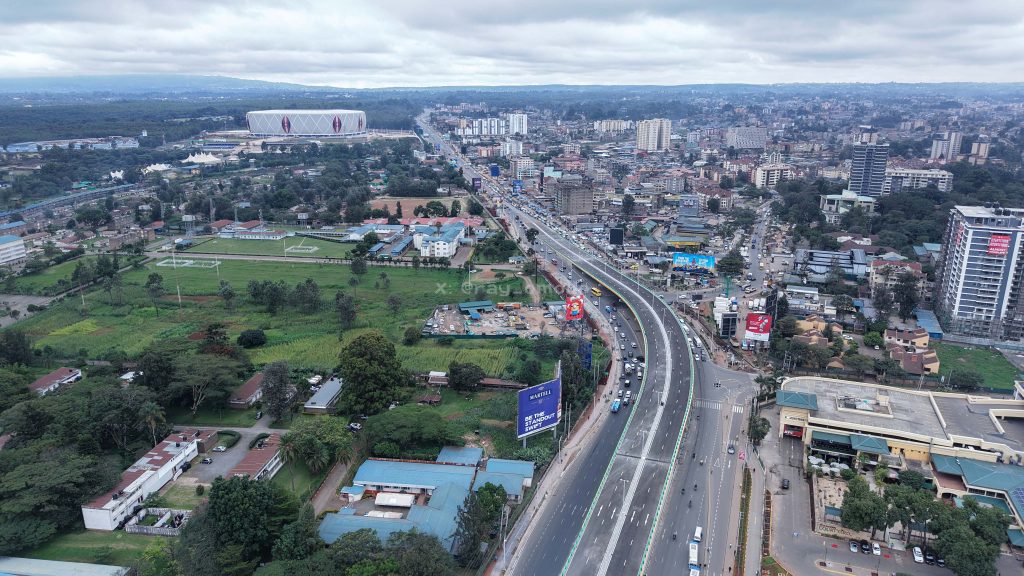
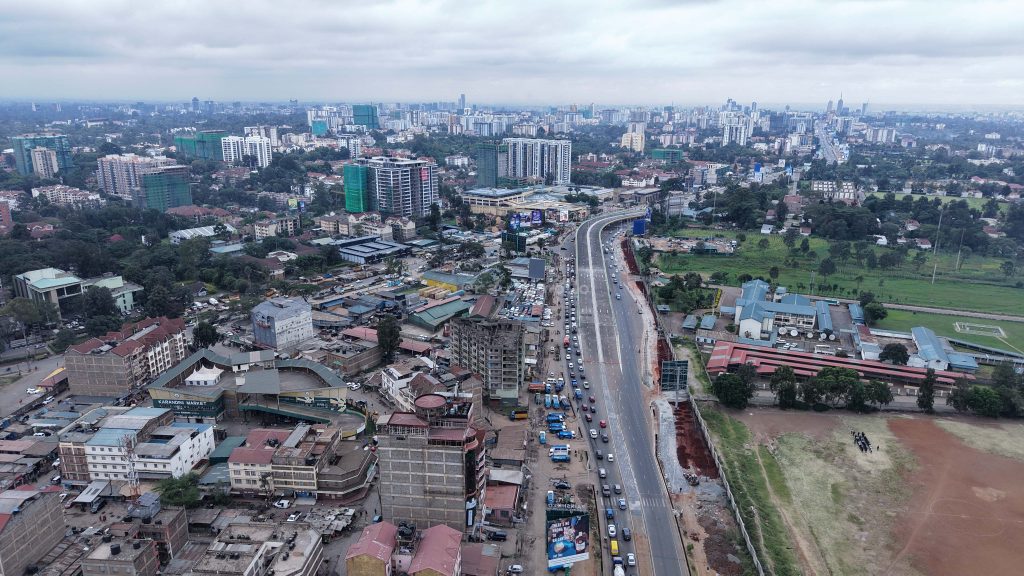
    The newly completed Ngong Road-Naivasha Road Junction Flyover is set for commissioning as the Government moves to improve urban mobility and ease congestion along one of Nairobi’s busiest transport corridors.

    The 800-metre elevated dual carriageway project, implemented by the Kenya Urban Roads Authority (KURA), is designed to separate through-traffic along Ngong Road from vehicles accessing Naivasha Road and King’ara Road.

    Interior Principal Secretary Dr Raymond Omollo said the project marks a major milestone in Nairobi’s transformation into a modern and efficient capital city, noting that the infrastructure will enhance connectivity and reduce travel times between Ngong and the Central Business District once operational.

    The flyover is also expected to improve access to key urban facilities, including the nearby Talanta Stadium ahead of the 2027 Africa Cup of Nations (AFCON) tournament.

    Omollo revealed that the State Department for Internal Security and National Administration has been supporting the project’s delivery through stakeholder coordination, traffic management, public safety oversight and road safety awareness initiatives.

    He added that the measures are aimed at ensuring the infrastructure achieves its intended benefits while safeguarding motorists, pedestrians and communities around the project area.

  • AU Commission Chairperson hails US-Iran peace deal

    AU Commission Chairperson hails US-Iran peace deal

    The African Union (AU) has welcomed the peace agreement signed between the United States and Iran, describing it as a significant step towards ending hostilities and promoting long-term stability in the Middle East.

    In a statement, African Union Commission Chairperson Mahmoud Ali Youssouf said the agreement demonstrates the importance of dialogue and diplomacy in resolving conflicts and strengthening trust among nations.

    He noted that the deal offers renewed hope for peace, stability and cooperation in a region whose security and prosperity have far-reaching global implications.

    “This agreement demonstrates the power of dialogue and diplomacy in resolving conflicts and building trust between nations. It offers renewed hope for peace, stability and cooperation in a region whose security and prosperity have global significance,” Youssouf said.

    The AU Commission Chairperson commended the leadership and constructive engagement of all parties that participated in the negotiations, saying their efforts had contributed to the successful conclusion of the agreement.

    Youssouf also acknowledged the role played by US President Donald Trump in advancing efforts that helped secure the deal.

    He further recognised the mediation and facilitation efforts of Pakistan, Oman and Qatar, saying the three countries played a key role in fostering dialogue and building confidence between the parties.

    The AU chief expressed optimism that the agreement will pave the way for lasting peace, enhanced regional stability and stronger international cooperation.

    He said the development aligns with the African Union’s commitment to the peaceful resolution of disputes through dialogue, diplomacy and mutual understanding.

  • G7 leaders pledge joint action on Ebola outbreak, cancer fight

    G7 leaders pledge joint action on Ebola outbreak, cancer fight

    G7 leaders have committed to a coordinated global health response to contain the Ebola outbreak in the Democratic Republic of Congo (DRC) and Uganda while accelerating efforts to tackle the growing burden of cancer worldwide.

    The commitments were made during the G7 Summit in Evian, France, bringing together leaders from the Group of Seven countries Canada, France, Germany, Italy, Japan, the United Kingdom and the United States alongside partner countries including Kenya, Brazil, Egypt, India and the Republic of Korea.

    In a joint declaration, the leaders said the re-emerging Ebola outbreak in the Democratic Republic of the Congo and Uganda presents a major health security risk, calling for urgent cooperation to prevent further transmission.

    They expressed concern over the loss of lives and the impact of the outbreak on affected communities, noting that response efforts have been complicated by the outbreak’s location in an isolated, conflict-affected area in eastern DRC.

    The leaders said containing the virus will require effective contact tracing, infection prevention and control, laboratory testing, quarantine and isolation measures, border surveillance and community engagement.

    They committed to mobilising support for the development and delivery of vaccines, diagnostics and treatments to fight the outbreak.

    “We are resolved to providing and mobilizing support for a coordinated global response to facilitate the development and effective delivery of dedicated vaccines, diagnostics and treatments to fight this outbreak over the next months,” the declaration reads.

    “The G7 affirms its support for the humanitarian reset led by the UN Office for the Coordination of Humanitarian Affairs and its plan to reach 87 million people with lifesaving aid in 2026. G7 members have provided over two thirds of the funding raised so far this year, and we call on other countries to join our efforts.”

    The summit also called for improved coordination among response actors to avoid duplication and ensure a faster response, while urging all parties in eastern DRC to honour peace commitments to help address challenges created by ongoing conflict.

    “We call for all parties to honour their commitments and fully implement the Washington Accords for Peace and Prosperity and the Doha Framework.”

    Additionally, the leaders committed to intensifying the global fight against cancer, warning that the disease remains a growing health challenge.

    They noted that cancer kills nearly 10 million people globally each year and warned that new cases are projected to rise by 80 per cent by 2050 due to population ageing and environmental and behavioural risk factors.

    “We reaffirm our commitment to accelerate the fight against cancer,” the leaders said, adding that progress must be accelerated through stronger research cooperation and faster translation of scientific advances into patient care.

    The G7 committed to strengthening international collaboration on cancer research, including improved access to data on paediatric, adolescent and young adult cancers, while promoting responsible use of artificial intelligence and digital technologies in diagnosis and treatment.

    The leaders also pledged to intensify efforts against cancers with poor prognosis by supporting research, expanding screening programmes and improving early diagnosis to increase survival rates.

    They further committed to supporting stronger health systems capable of delivering quality cancer care for all, including through the development of comprehensive cancer centres and wider access to evidence-based treatment.

  • 46 years of silence: Obstetric fistula leaves women battling stigma, isolation

    46 years of silence: Obstetric fistula leaves women battling stigma, isolation

    For 46 years, Alice Atieno lived with a condition she did not understand and could not control.

    A childbirth injury that occurred in 1980 left her leaking urine and stool, forcing her into decades of shame, isolation and rejection. She stopped moving freely in public, withdrew from society and watched relationships around her slowly change.

    The turning point came when she heard of a free fistula screening camp at Jaramogi Oginga Odinga Teaching and Referral Hospital (JOOTRH) in Kisumu.

    “I felt something pushing me from within telling me to go,” Alice recalls.

    That decision would end nearly five decades of suffering.

    Alice was 20 years old when she went into labour at her rural home in Lela, present-day Maseno. Her labour began unexpectedly while she was on her way to the market, but after three days of prolonged labour, her family sought help from a traditional birth attendant known locally as Mama Onyango.

    The baby was eventually delivered safely, and Alice named her son Jabez Onyango after the biblical figure Jabez, whose story is associated with pain and hardship.

    But while her family celebrated the arrival of the newborn, Alice’s health was deteriorating.

    She struggled to walk after delivery. Unknown to her family, the prolonged labour had caused severe internal damage, leading to obstetric fistula, a condition caused by prolonged obstructed labour that creates an abnormal opening between the birth canal and the bladder or rectum, resulting in uncontrolled leakage of urine or stool.

    “The only thing they told me was to be patient because every woman goes through the same pain,” she says.

    In the days that followed, Alice realised something was wrong.

    Whenever she used the toilet, she noticed faecal matter mixed with urine. She hoped the condition would heal with time, but instead the leakage continued and the smell became unbearable.

    The condition gradually pushed her away from society.

    She says some neighbours avoided her while others treated her differently. Within her own family, she felt misunderstood.

    Her mother-in-law accused her of being unhygienic, while her marriage began to deteriorate.

    Seeking comfort, Alice joined the Legio Maria Christian community, hoping prayers would heal what many people in the community believed was a curse.

    “The church members accepted me when everybody else had abandoned me,” she says.

    However, she was discouraged from seeking medical treatment and continued relying on prayer.

    Years later, her husband relocated to Nairobi and started a new life, leaving Alice behind in the rural home.

    “He would occasionally visit, but my presence irritated him. Most of the time, I felt like I had already died,” she recalls.

    For decades, Alice carried the physical and emotional burden of a condition that doctors say is treatable.

    Her life changed after she heard an announcement about a free fistula treatment camp.

    At JOOTRH, doctors confirmed she had lived with untreated fistula for decades. Although her case was complicated, surgeons successfully repaired the damage.

    “Today I can go to the toilet without fear or shame. For the first time in many years, I feel human again,” she says.

    Alice’s story mirrors the experiences of many women across Kenya who continue living with obstetric fistula due to delayed access to healthcare, stigma and misinformation.

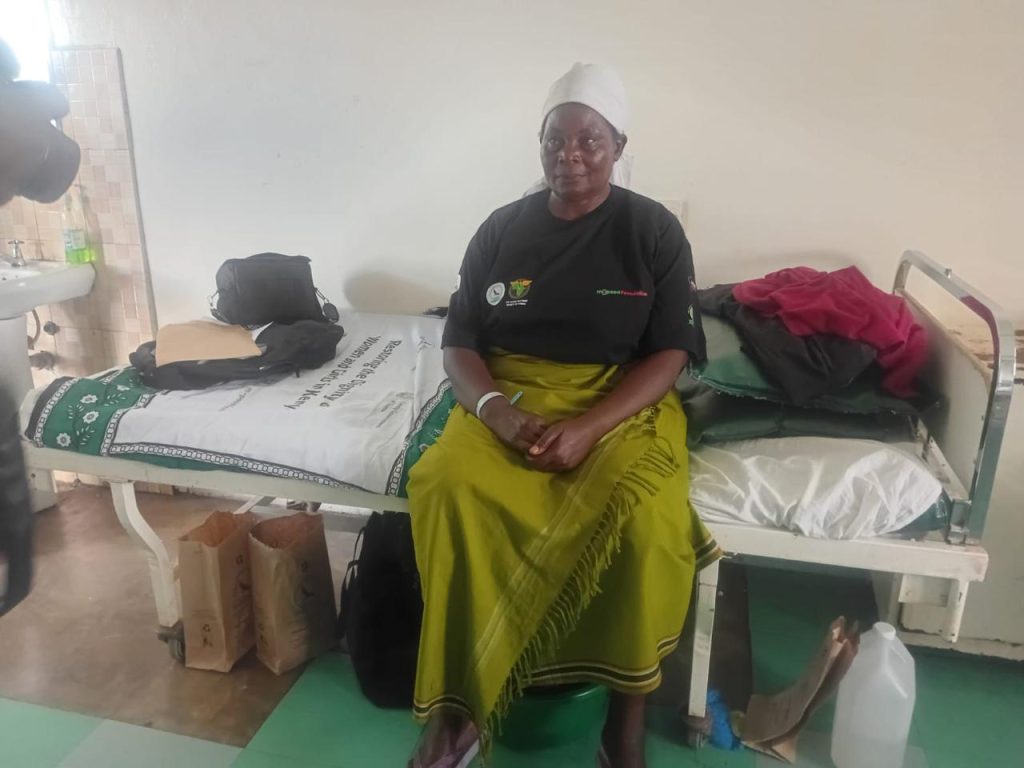
    On a nearby hospital bed, a 39-year-old mother of three from Chulaimbo village in Kisumu West Sub-county was undergoing treatment after living with the condition for 17 years.

    Her ordeal began in 2008 during the post-election violence, when insecurity and blocked roads made it difficult to access medical facilities.

    When labour intensified, she sought help from a traditional birth attendant and delivered a baby girl weighing 4.2 kilogrammes.

    During delivery, she suffered a severe injury, but the attendant applied traditional herbs and assured her that she would heal.

    She did not.

    For years, she experienced leakage and social isolation.

    “I used to pass gas through my vagina accompanied by traces of faeces,” she says.

    The condition affected her confidence and strained her marriage.

    “My husband kept telling me that I was no longer like other women. Those words wounded me deeply because he openly cheated on me, yet he was the reason I developed the condition,” she says.

    She remained silent until a Community Health Volunteer visited her home and told her that treatment was possible.

    Unable to afford surgery, she had accepted the possibility of living with the condition permanently until she learnt about a free fistula medical camp.

    Registered as patient number 247, she underwent a successful two-hour surgery.

    “Now I feel like a woman again,” she says.

    For 17-year-old Mercy Onyango, fistula came with the challenges of becoming a mother while still in school.

    Mercy, a Form Three student at Nyamasaria Secondary School, gave birth last year to a baby girl weighing 3.7 kilogrammes.

    The child’s father, a 24-year-old college student, disappeared shortly after the birth.

    But the teenage mother faced another challenge, fistula.

    “Since I gave birth, I have been leaking urine,” she says.

    Doctors explain that teenage mothers face a higher risk because their bodies may not be fully developed for childbirth, increasing the likelihood of complications during labour.

    The condition forced Mercy to wear adult diapers and avoid returning to school because she feared ridicule from classmates.

    Her dream of continuing education was interrupted until her mother took her to the fistula camp, where she underwent corrective surgery.

    “I feel like I have been reborn. Now I have the strength to raise my daughter and continue with my life,” she says.

    According to psychologist Linnet Anyango from Avenue Hospital in Kisumu, many fistula survivors require emotional support even after successful surgery.

    She says years of stigma and rejection often leave survivors battling depression, anxiety and low self-esteem.

    “Medical treatment restores the body, but survivors also need emotional healing, family support and reintegration into society,” she says.

    Anyango says supportive communities, counselling and access to healthcare are critical in helping survivors rebuild their confidence and return to normal life.

    Resident gynaecologist at JOOTRH Dr Paul Mitei says the hospital has performed fistula repair surgeries on more than 3,000 patients over the past five years.

    He says outreach programmes and medical camps supported by partners have helped reach women who would otherwise struggle to access specialised treatment.

    “Many women who could not afford or access care have been able to receive life-changing surgery,” he says.

    JOOTRH Chief Executive Officer Dr Joshua Okise says the hospital continues receiving patients from several counties, including Turkana and West Pokot, seeking specialised fistula treatment.

    He attributes the growing number of patients seeking care to increased awareness and partnerships supporting outreach programmes.

    Through the Safaricom Foundation, Safaricom has partnered with the Flying Doctors Society of Africa to support free fistula treatment camps targeting women in high-burden counties.

    Safaricom Brand and Communications Manager Zizwe Awuor Mvundla says the programme aims to ensure women affected by fistula access treatment regardless of their financial situation.

    “Every woman deserves the opportunity to live a dignified life free from the burden of obstetric fistula,” she says.

    Data from the Ministry of Health shows obstetric fistula remains a maternal health challenge in Kenya, with an estimated 3,000 new cases reported annually.

    Western Kenya continues to record a significant burden due to prolonged labour, delays in accessing emergency obstetric care, poverty and limited awareness.

    Although thousands of repair surgeries have been conducted through government and partner-supported initiatives, health experts say prevention remains key.

    They say expanding access to skilled birth attendance, strengthening emergency maternal care and addressing stigma will be essential in ensuring fewer women suffer from a condition that is preventable and treatable.