Author: Margaret Kalekye

  • Residents stage protests over Mandera attack

    Residents stage protests over Mandera attack

    Residents of Mandera Town staged demonstrations following the killing of six people in a deadly ambush along the Arabia–Mandera road.

    The protesters marched through the town demanding swift action from security agencies and calling for the removal of Jubaland forces reportedly based in Omar Jillow, whom residents accused of being linked to the attack.

    Carrying placards and chanting slogans, the demonstrators marched from the Green View area to the County Commissioner’s office to present their grievances to authorities.

    Residents claim those behind the deadly attack were operating from Omar Jillow and called for immediate security intervention in the area.

    Addressing the angry residents, Mandera County Commissioner James Chacha urged them to remain calm and allow security agencies to conduct investigations and handle the matter professionally.

    “Mandera has enjoyed peace for a long time, and we should not allow anyone to destroy the peace we have built. Those responsible for the killings will be apprehended and brought to justice,” he said.

    The County Commissioner further appealed to residents not to engage in retaliatory actions that could escalate tensions and destabilise the area.

    The demonstrations come days after six people were killed and several others injured when a hired Nissan Matatu travelling towards Arabia town was ambushed by armed attackers in Omar Jillo area of Arabia Sub-County.

    Security operations have since been intensified along the affected routes as authorities continue investigations into the attack and pursue those responsible.

    Despite heightened tensions, leaders and security officials have continued to call for peace, restraint, and cooperation with law enforcement agencies as efforts to restore calm continue.

  • 16 Tonnes of donkey hides seized in Mwingi

    16 Tonnes of donkey hides seized in Mwingi

    Authorities have intercepted 16 tonnes of donkey hides at the Kanyonyoo area along the Thika–Garissa Highway during an operation conducted by a multi-agency team.

    The seizure comes just three days after the world marked World Donkey Day, during which authorities issued stern warnings against illegal donkey slaughter and urged the public to report such incidents.

    Migwani Deputy County Commissioner (DCC) Rukia Chitechi confirmed the incident, saying the Kithyoko abattoir poses a threat to residents of the larger Mwingi region.

    According to the DCC, the abattoir is suspected of operating secretly despite Kenya’s ban on donkey slaughter.

    Two suspects, the driver and turn boy of trailer registration number ZE 4659, are currently being held at Nguutani Police Station.

    Chitechi said the consignment had reportedly been transported from a container in Kithyoko, raising suspicions of illegal donkey slaughter activities.

    She called on the judiciary to ensure all individuals involved in the illegal donkey slaughter trade are arrested and prosecuted.

    The DCC also urged members of the community to remain vigilant and help protect donkeys from illegal slaughter.

  • IEBC warns Ksh33B funding shortfall may affect 2027 polls

    IEBC warns Ksh33B funding shortfall may affect 2027 polls

    The Independent Electoral and Boundaries Commission (IEBC) says it requires Ksh74 billion to deliver a free, fair and credible General Election.

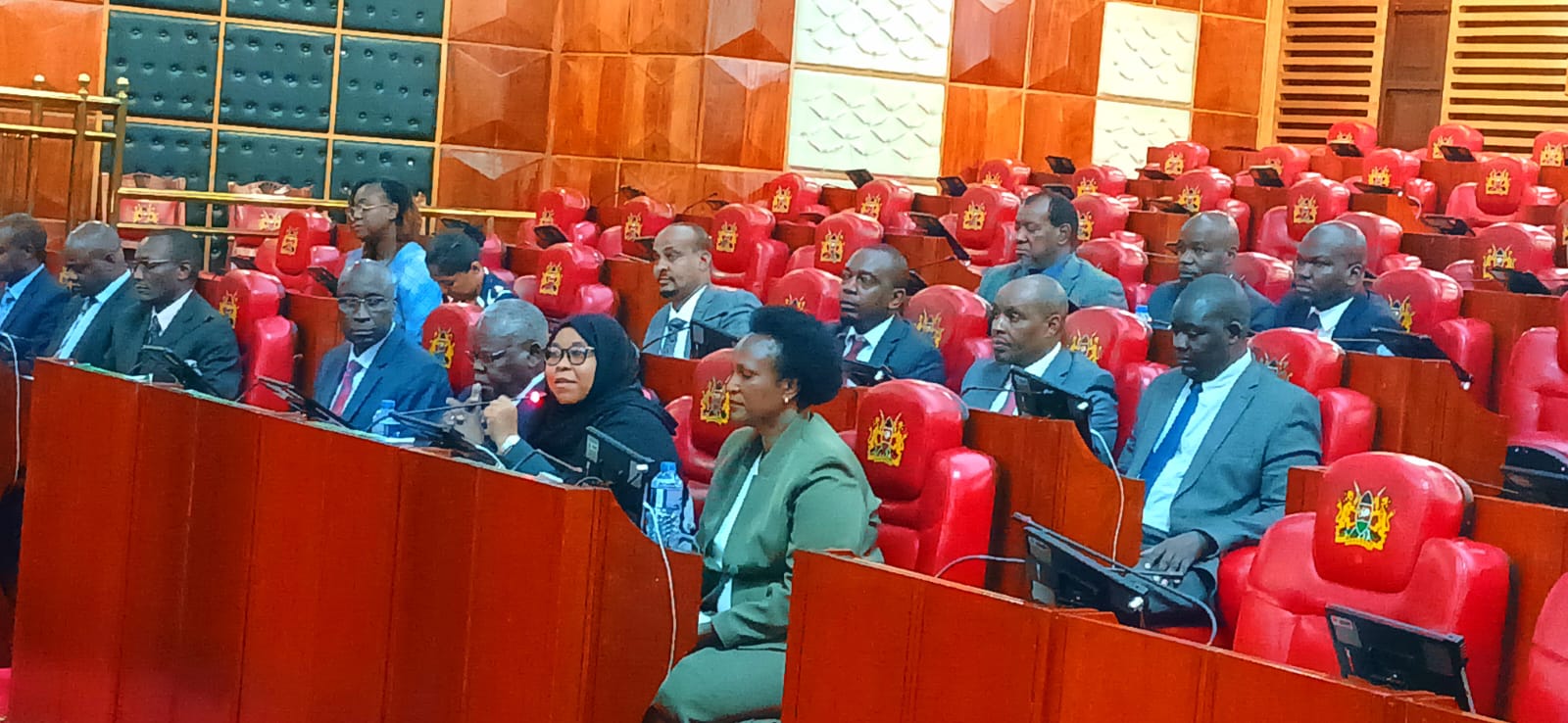
    Appearing before the National Assembly’s Justice and Legal Affairs Committee on Tuesday, the commission warned that a funding shortfall of KSh33 billion could hinder its planned electoral activities.

    The revelations were made during the presentation of the IEBC budget estimates for the 2026/2027 financial year.

    The electoral body further disclosed that it has so far received an allocation of KSh41 billion.

  • Trump says Iran ceasefire is on ‘massive life support’

    Trump says Iran ceasefire is on ‘massive life support’

    US President Donald Trump has said the month-long ceasefire between the US and Iran is on “massive life support”.

    He told reporters in the Oval Office on Monday that while the ceasefire remained in place, it was “unbelievably weak”.

    Following Trump’s comments, Iranian parliamentary speaker Mohammad Ghalibaf wrote on X that Iran’s armed forces were, “ready to respond and to teach a lesson for any aggression.”

    Iran laid out its demands to end the war and reopen the Strait of Hormuz in a counter-offer sent to the US on Sunday. Trump rejected the proposal, calling it “totally unacceptable” and a “piece of garbage”.

    After Trump’s comments, Esmail Baghaei, a foreign ministry spokesperson for Iran, said Tehran’s proposals were “responsible” and “generous”.

    After his comments saying Iran’s armed forces ready to respond, Ghalibaf said in a separate post on X that there was “no alternative but to accept the rights of the Iranian people as laid out in the 14-point proposal”.

    “The longer they drag their feet, the more American taxpayers will pay for it,” he said.

    Tehran’s offer includes an immediate end to the war on all fronts – a reference to the continued Israeli attacks against Iran-supported Hezbollah in Lebanon – a halt to the US naval blockade of Iranian ports and guarantees of no further attacks on Iran, according to Iran’s semi-official Tasnim news agency.

    It also reportedly includes a demand for compensation for war damage and an emphasis on Iranian sovereignty over the Strait of Hormuz.

    Trump criticised the proposal, writing on Truth Social on Sunday: “I have just read the response from Iran’s so-called ‘Representatives.’ I don’t like it – TOTALLY UNACCEPTABLE.”

    In response to Trump’s comments, Baghaei said Iran would act “in any way necessary to secure our interests”.

    Speaking in the Oval Office later on Monday, Trump addressed the ceasefire between the two countries which has largely been observed since April despite occasional exchanges of fire.

    He told reporters: “I would say the ceasefire is on massive life support… when the doctor walks in and says, ‘Sir, your loved one has approximately a 1 percent chance of living’.”

    The US president said Iran’s leaders were “very dishonourable people”, adding: “Look, I’ve had to deal with them four or five times – they change their mind.”

    “That piece of garbage they sent us – I didn’t even finish reading it,” he said.

    Trump also accused Iran of going back on an agreement to allow the US to remove its supply of enriched uranium. He insisted that Iran would “never have a nuclear weapon”.

    Iran’s Tasnim news agency quoted a source close to the negotiating team as saying: “There is no such thing in Iran’s proposal as accepting taking out enriched nuclear material.”

  • ODM opens applications for all elective seats ahead of 2027 polls

    ODM opens applications for all elective seats ahead of 2027 polls

    The Orange Democratic Movement (ODM) has invited party members across the country to apply for various elective positions, including the presidency, ahead of the 2027 General Election.

    The six elective positions are for President, Governor, Senator, Woman Representative, Member of the National Assembly, and Member of the County Assembly.

    The National Elections Coordinating Committee (NECC) stated that all applicants must be registered voters and fully active party members who meet the eligibility criteria set out in the party’s internal nomination rules.

    Interested aspirants are required to submit their applications through the party’s online portal by June 30.

    “Pursuant to Article 61(1) of the ODM Constitution, as read together with Rule 7(1) and Part VIII of the Party Elections and Nomination Rules, the National Elections Coordinating Committee (NECC) hereby invites applications from interested Party members seeking to contest in the 2027 General Elections on the ODM Party ticket for the following elective positions,” NECC Chairperson Emily Awita stated.

    “In order to guarantee a credible process, we urge our Party members to continuously engage the National Elections Coordinating Committee (NECC) for any clarifications”, she added.

  • KWS steps up hunt for hyena spotted in Syokimau

    KWS steps up hunt for hyena spotted in Syokimau

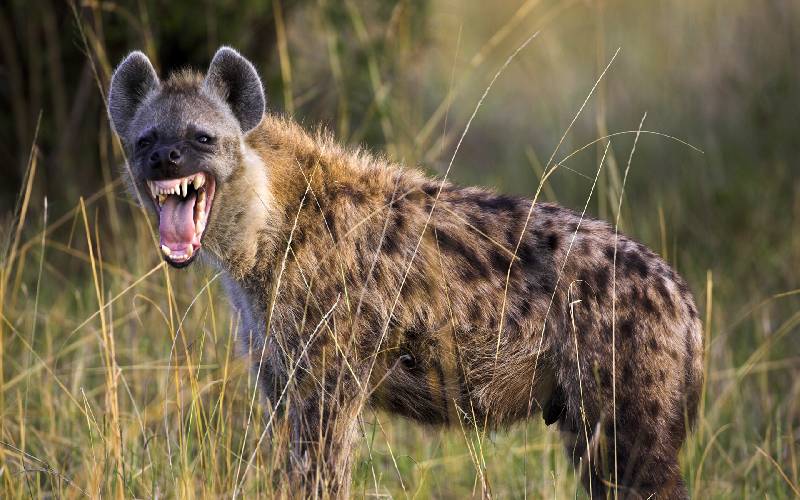
    Rapid response teams are hunting a hyena spotted over the weekend in Syokimau, Machakos County.

    In a statement, Kenya Wildlife Service said ground surveillance and monitoring have since been intensified, with preliminary indications suggesting the hyena is moving through bushy, isolated land behind Jomo Kenyatta International Airport towards Katani.

    “ We wish to assure the residents of Syokimau and surrounding areas that response operations are ongoing following reports of a hyena sighting on Sunday, May 11, 2026, along Mwananchi Road off Eastport Drive”, KWS said.

    According to KWS, although the animal was not directly sighted by the responding Problem Animal Control (PAC) team, fresh footprints confirmed its recent movement within the area.

    KWS assured the public that all necessary precautionary measures are being undertaken and urged residents to remain calm, saying there is no cause for panic.

    Residents are, however, advised to remain vigilant, avoid approaching or provoking the animal, keep children under close supervision, and immediately report any wildlife sightings to the nearest KWS station or local authorities.

    “KWS remains committed to safeguarding both human life and wildlife”, it pledged.

  • DP Kindiki, Uhuru Kenyatta among dignitaries attending Museveni’s swearing-in

    DP Kindiki, Uhuru Kenyatta among dignitaries attending Museveni’s swearing-in

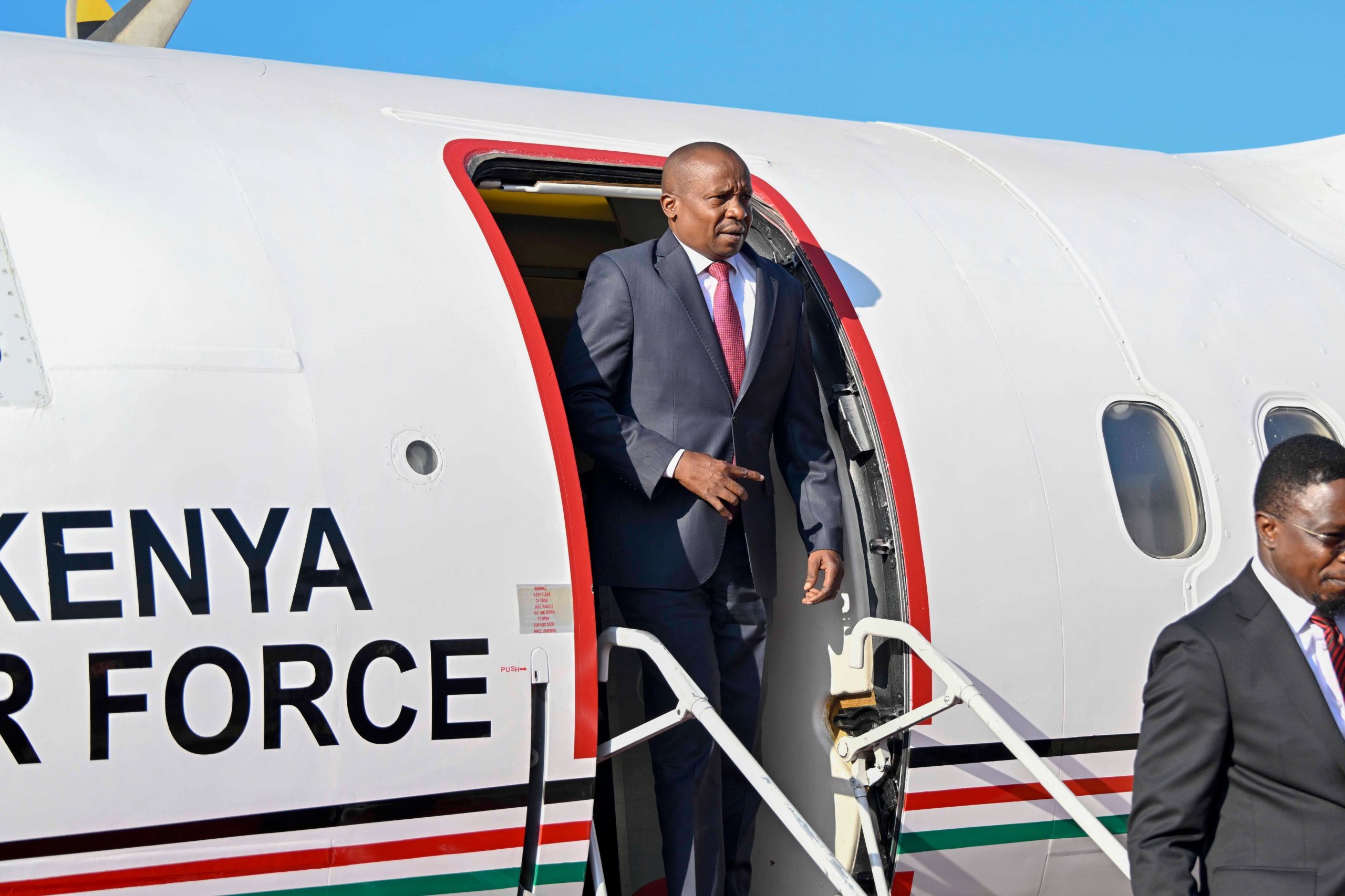
    Kenya’s Deputy President Kithure Kindiki is attending the inauguration of President Yoweri Museveni for a seventh consecutive term in office as President of Uganda.

    Kindiki is representing President William Ruto, who is hosting the ongoing Africa Forward Summit in Nairobi.

    Several leaders from across Africa are attending the summit, which is being co-hosted alongside President Emmanuel Macron of France.

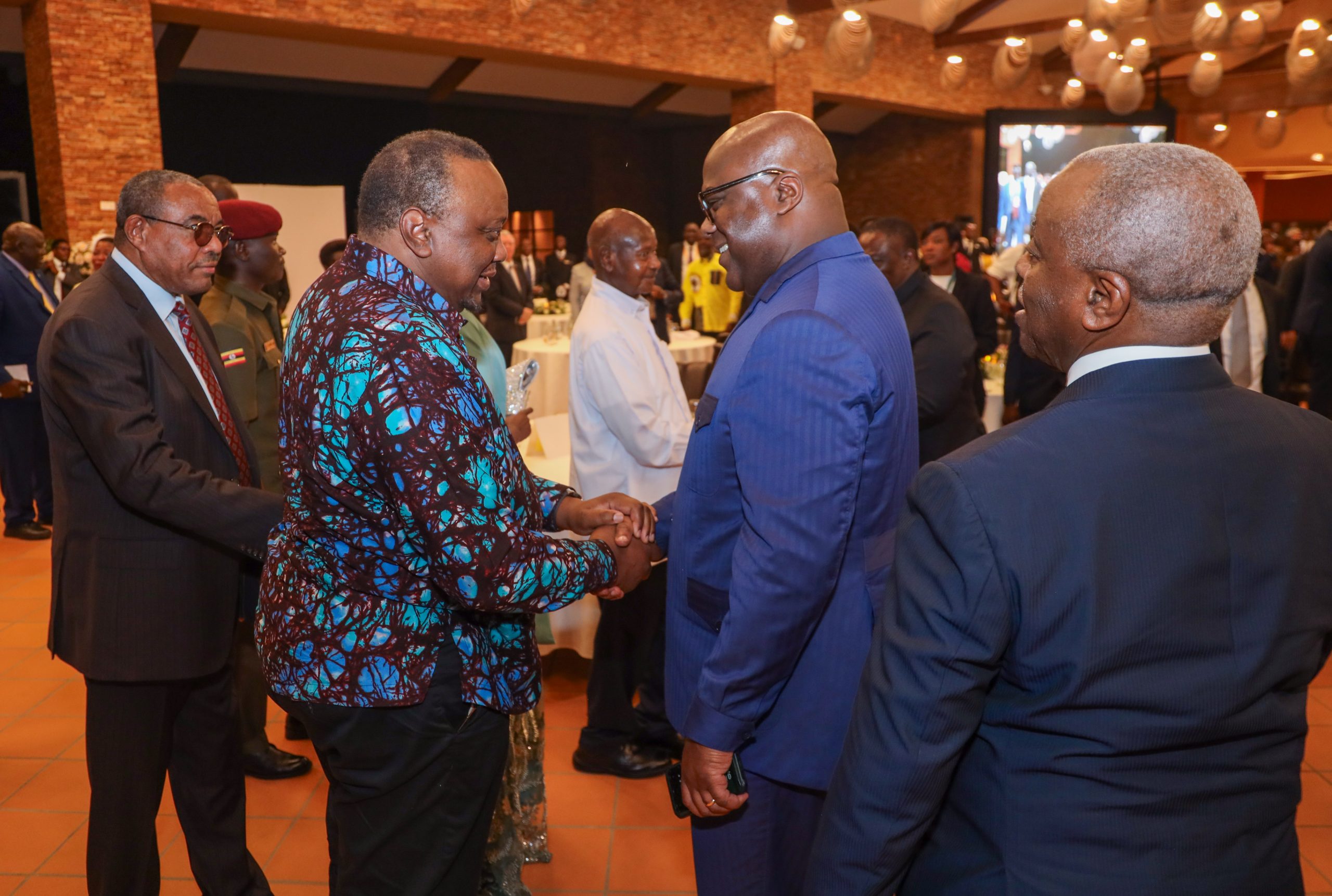
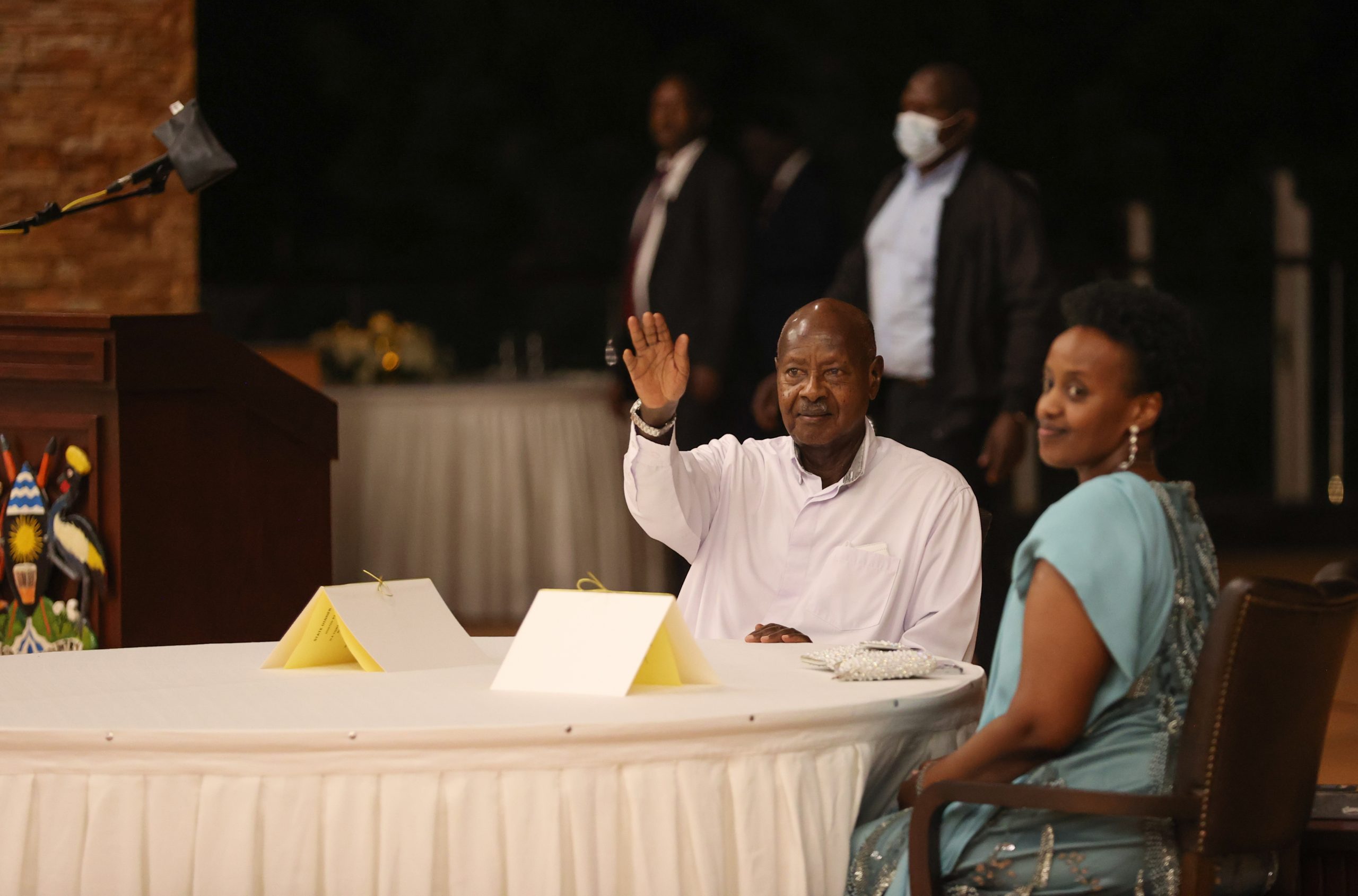
    Former President Uhuru Kenyatta is also attending Museveni’s inauguration ceremony at the Kololo Ceremonial Grounds.

    Uhuru at the state dinner on the eve of the ceremony

    Uhuru also attended a State Dinner hosted by Museveni at Speke Resort Convention Centre in honour of Heads of State, government representatives, leaders, and distinguished guests ahead of the presidential inauguration.

    More than 50 international delegations, including Heads of State and senior government officials, are expected to witness Museveni officially take the oath of office following his re-election on January 15, 2026.

    Meanwhile, security agencies have already intensified deployments and carried out last-minute drills, while infrastructure upgrades and the arrival of foreign dignitaries continue ahead of what organisers describe as a smooth and highly secured ceremony.


  • Last passengers leave virus-hit cruise ship as three more test positive

    Last passengers leave virus-hit cruise ship as three more test positive

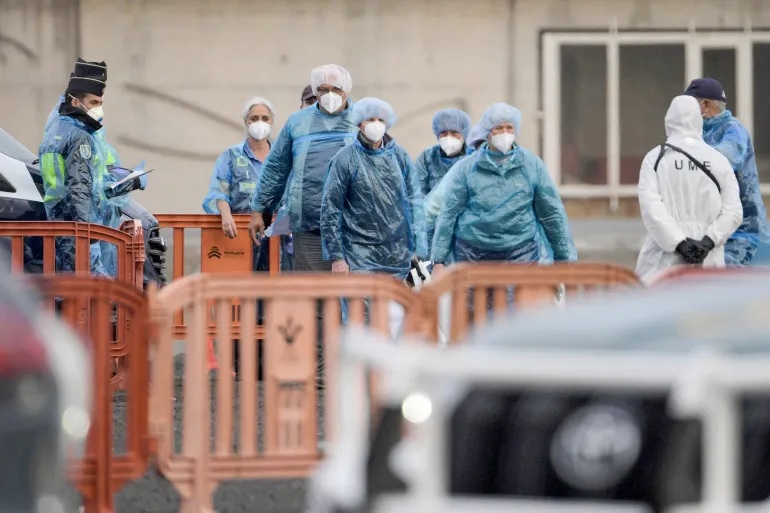
    The last passengers have left the hantavirus-hit cruise ship, as authorities confirmed three new positive cases linked to the deadly outbreak.

    The MV Hondius departed Tenerife for the Netherlands on Monday after its final six passengers – four Australians, one Briton and one New Zealander – and some crew members disembarked.

    Three passengers have died after travelling on the ship, two of whom were confirmed to have had the virus.

    An American and a French national who had previously returned home have tested positive, authorities said. Seven cases of hantavirus linked to the MV Hondius have been confirmed, with two others suspected, according to the World Health Organization (WHO).

    Spain’s health ministry said one Spaniard who is quarantining in Madrid after being evacuated from the vessel had also provisionally tested positive for hantavirus on Monday.

    On Monday, the US health department said a second American national on Sunday’s repatriation flight had also shown mild symptoms, adding that both passengers had travelled back in “biocontainment units out of an abundance of caution”.

    French Health Minister Stéphanie Rist said a woman was isolating in Paris and that her health was deteriorating, with 22 contacts traced.

    Two British nationals with confirmed cases are currently being treated in the Netherlands and South Africa.

    Seventeen Filipino crew members of the MV Hondius arrived in the Netherlands on Tuesday morning, according to the Philippine Embassy. Four crew members arrived earlier on Sunday evening.

    The embassy said the crew underwent medical testing and will be quarantined in local facilities.

    In total, there are 38 Filipino crew members that require eventual repatriation to the Philippines, the embassy added.

    Hantaviruses are usually carried by rodents, but human transmission of the Andes strain – which the WHO believes some of the ship’s passengers contracted in South America – is possible.

    Symptoms can include fever, extreme fatigue, muscle aches, stomach pain, vomiting, diarrhoea and shortness of breath.

    Officials say the risk of a major outbreak is very low.

    As of Monday evening, the ship’s operator Oceanwide Expeditions said 27 people remain on board the ship, including 25 crew members and two medical staff.

    These include 17 people from the Philippines, four from the Netherlands (including the two medical staff), four from Ukraine, one from Russia and one from Poland.

    Ukraine’s foreign ministry said the Ukrainians on board would help with the ships transfer to the Netherlands and would quarantine at a medical facility on arrival. It added that they had shown no signs of illness.

    More than 90 passengers of the MV Hondius, which was docked in Spain’s Canary Islands, have been repatriated over the past few days.

    Four Canadian passengers landed in Victoria, British Columbia, on Sunday after taking a chartered flight from Tenerife to Quebec. Authorities said they would self-isolate and be monitored for at least three weeks.

    The US Department of Health and Human Services said all 17 US citizens on Sunday’s flight would undergo “clinical assessment” at a medical facility in Nebraska. A British national living in the US was also repatriated alongside them.

    Seven other US passengers had already returned home and are being monitored in their home states.

    Before the American case was confirmed, WHO head Tedros Adhanom Ghebreyesus warned that the decision by the US not to follow the organisation’s guidelines over the hantavirus outbreak “may have risks”.

    The WHO has recommended 42 days of isolation for those leaving the MV Hondius.

  • The next food shock is coming: Investing in Africa’s young farmers is the answer

    The next food shock is coming: Investing in Africa’s young farmers is the answer

    The disruption of the Strait of Hormuz reaches further than most headlines suggest. As crude oil pushed past $100 a barrel for the first time in four years, and urea prices rose by more than a quarter within days of the conflict in Iran, the immediate concern in most capitals was energy, security and inflation.

    In Africa, the calculation is different. Nearly a third of the world’s traded fertiliser passes through that narrow strip of water, and the sharpest agricultural consequences are projected to arrive in the second half of this year when farmers across our continent will be making planting decisions for the season ahead.

    Africa has lived through this script before. Over the past two decades, numerous external shocks – from the 2008 global food price spikes to COVID-19 and the war in Ukraine – have impacted the price of bread and the cost of fertiliser in our markets.

    Each time, hunger and displacement followed. This time, however, the consequences could even be more severe. If the conflict persists beyond the middle of the year and oil prices remain above $100 a barrel, an additional 45 million people could be pushed into acute hunger, adding to the 318 million people around the world who are already food insecure.

    The more important question, however, is not whether Africa is exposed or vulnerable because we are. The real question is how we respond. We can continue reacting to each crisis through emergency imports and humanitarian appeals, or we can seize this moment to build the long-term resilience our economies, and especially our rural economies, have needed for decades.

    Kenya is choosing the second course. Three in four Kenyans are under 35, and a similar profile defines most of the continent. These young people are not a problem to be managed; they are the most productive resource our economies have ever held. Whether they become a source of stability and growth, or one of frustration and migration, will be decided in this decade and largely in our rural areas.

    The most resilient answer to a fertiliser shock is not a fertiliser shipment. It is a productive rural economy that no longer relies on imported inputs as the only path to a harvest.

    That is why we are anchoring the transformation of our rural economies through the County Aggregation and Industrial Parks, which are central to Kenya’s value-addition and industrialisation agenda. These industrial parks are designed to serve as integrated hubs, where farmers can deliver their produce, access cold storage, warehousing, and modern processing facilities, and connect directly to both local and international markets.

    Kenya’s expanding domestic fertiliser market shows what this means in practice: Treating agriculture for what it is already becoming in much of Africa, an innovation-driven industry. It means agribusiness, value chains, and market integration in place of subsistence and aid. It means a generation of young Africans entering not the queues of the unemployed, but the boards of cooperatives and the supply chains that connect a farm in Bungoma to a buyer in Nairobi, Mombasa, or beyond.

    We are already seeing what is possible. Under the Kenya Cereal Enhancement Programme, supported by the International Fund for Agricultural Development, digital e-voucher systems have placed improved seed, fertiliser, and advisory services in the hands of nearly 150,000 smallholder farmers. More than 86 per cent of participating households report higher incomes. Almost two-thirds have moved above the poverty line. Post-harvest losses have fallen by 85 per cent. Ten new agro-ecology service hubs are now run largely by young people, turning extension and mechanisation into rural businesses, not government handouts.

    The same logic is reshaping rural finance. A new Rural Credit Guarantee Scheme, built on $20 million of public investment, is on course to leverage close to $80 million in private bank lending into agriculture, changing how financial institutions price risk in rural areas. A Green Finance for Youth Employment facility will channel a further $15 million in affordable green credit to young entrepreneurs in agri-business and climate-smart agriculture.

    What ties these initiatives together is what is increasingly known as “first-mile” investment, the unglamorous but decisive work of unlocking the earliest stage of an agri-food value chain, where smallholder farmers and producers meet markets, finance, and technology. It is at the first mile that production gains are made or lost; that young entrepreneurs either find an opportunity or board a bus to the city; and that resilience to shocks of the kind now spreading from the Gulf is built or broken.

    This is why the next few months matter. At the Africa Forward Summit this week, African heads of State, business leaders, young people, and civil society will come together to chart solutions to food security, economic competitiveness, and other common challenges.

    At the same time, IFAD’s member States have just launched the IFAD14 replenishment, one of the most consequential global decisions of the year on financing rural transformation. African leaders have an opportunity to come together to collectively commit to invest in our rural areas, and the young people who live there, at the scale and ambition this moment demands.

    The case is straightforward. Every dollar of core IFAD resources translates into around six dollars of investment on the ground. Growth originating in agriculture is roughly two to three times more effective than other sectors at reducing poverty, particularly in the poorest countries. Improved financing of agrifood systems could unlock up to $4.5 trillion a year in global business opportunities. This is not aid in any traditional sense; it is shared investment, with Africa carrying its share of both the risk and the reform.

    I argued last year, with my fellow leaders from Ghana and Zambia, that the global financial architecture must work better for our continent. The conflict in Iran has stripped away any remaining excuse for delay. We can pay for rural collapse later in higher humanitarian budgets, sharper migration pressures, and more volatile food markets, or we can invest in rural transformation now.

    Africa is not asking for charity. We are offering a partnership. The ambition is here. The opportunity is demonstrable. The solutions are working. The moment to scale them up is now.

    Dr William Samoei Ruto is President of the Republic of Kenya.

  • Kenya, France sign 11 MOUs across key sectors

    Kenya, France sign 11 MOUs across key sectors

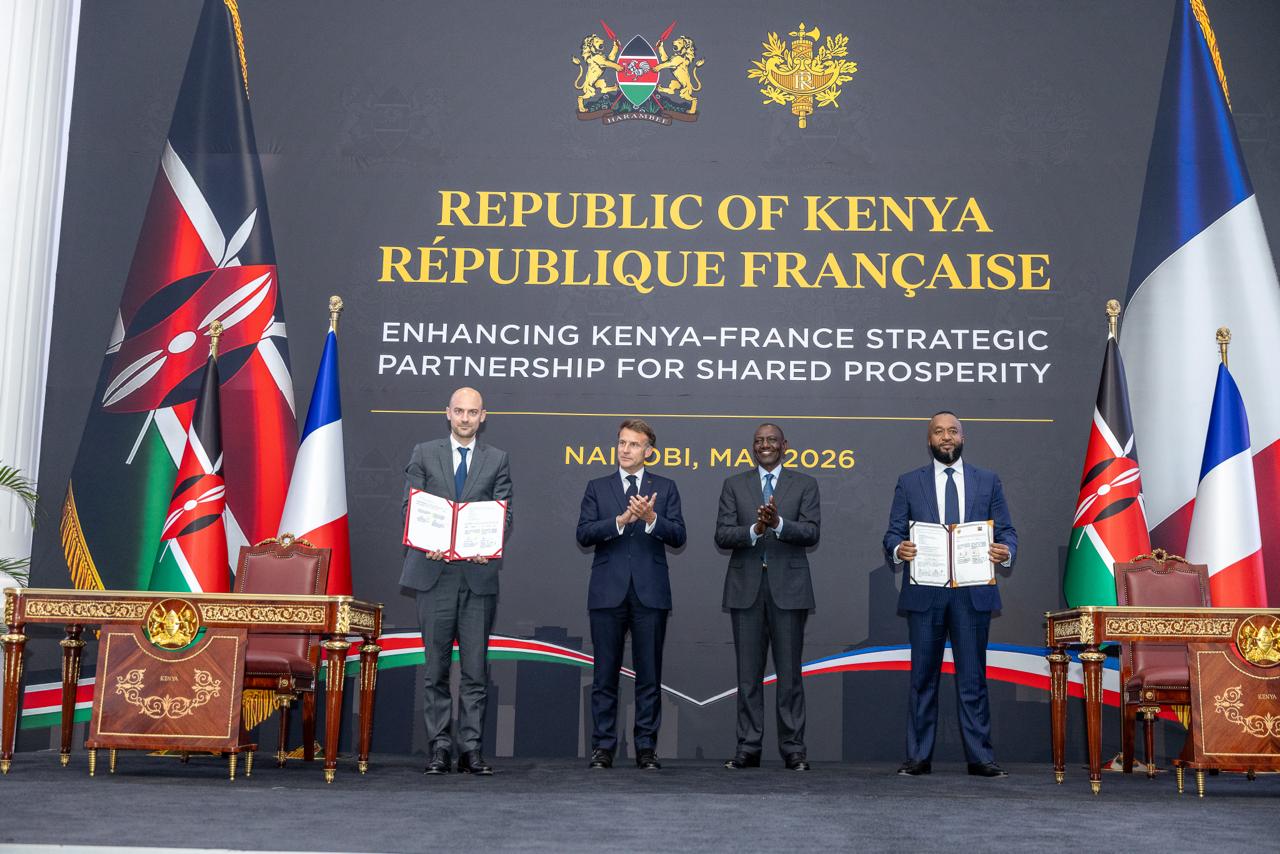
    Kenya and France have signed 11 agreements aimed at deepening cooperation across strategic sectors.

    The agreements were signed at State House Nairobi, following bilateral talks between President William Ruto and President Emmanuel Macron of France.

    President Macron is in the country for the Africa Forward Summit, which begins Monday, the 11th.

    President Ruto said one of the key agreements signed is the rehabilitation and modernisation of the KSh 12.5 billion Nairobi Commuter Rail project, which will serve as a central pillar of Kenya’s urban transport modernisation programme.

    The President said Nairobi Commuter Rail Line 5 will expand and upgrade key commuter rail corridors linking Nairobi to satellite towns such as Syokimau, Embakasi, Ruiru, and Kikuyu.

    “New extensions, including the Riruta-Ngong line currently under construction, will further improve connectivity across the metropolitan area,” he added.

    The President said Kenya and France also signed an agreement establishing a joint venture to develop and finance logistics and port infrastructure, an investment of about KSh 104 billion.

    Further, he said, the two countries signed an agreement to facilitate the purchase of premium purple tea varieties and promote Kenyan speciality teas across French retail networks, creating opportunities for value addition and higher incomes for farmers.

    The President pointed out that another agreement signed today supports Kenya’s digital transformation and connectivity enhancement agenda.

    “Kenya is building a dynamic digital economy that is driving innovation, competitiveness, and regional integration through flagship initiatives such as Konza Technopolis and the Digital Superhighway,” he said.

    The President said he discussed with President Macron opportunities to deepen collaboration in digital infrastructure, digital public services, cybersecurity, data systems, and artificial intelligence, as Kenya continues to strengthen its position as a leading technology and innovation hub for East and Central Africa.

    President Ruto said Kenya seeks to leverage France’s technology in the development of safe nuclear energy to support the country’s ambitious target of generating 10,000 megawatts of power.

    “Kenya is going to benefit from France’s understanding of nuclear energy,” he said.

    Additional bilateral agreements signed today cover cooperation in the blue economy and fisheries, financing for the raising of Masinga Dam and the modernisation of Kenya’s climate and weather services, production of Sustainable Aviation Fuel in Kenya, collaboration in agri-food systems transformation, and the expansion of the Kipeto Wind Energy Development Project by an additional 100 megawatts at a cost of KSh 32.5 billion.

    President Ruto also said Kenya is keen on enhancing air connectivity between Kenya and France to support growing trade, tourism, and business engagement.

    “At present, limitations in frequency, capacity, and routing constrain the full potential of direct air links between our two countries,” he said.

    President Ruto said he also agreed with President Macron to strengthen cooperation in digital health, laboratory systems, and epidemic preparedness, including the improved use of real-time data for early detection and response.

    “This will enhance healthcare delivery and strengthen Kenya’s capacity to respond to future outbreaks,” he said.

    The President also welcomed the deepening cooperation in education and skills development, particularly in STEM and Technical and Vocational Education and Training.

    He said the state-of-the-art University of Nairobi Engineering and Science Complex project, valued at KSh 5.6 billion, is now moving into the implementation phase.

    On regional and global issues, President Ruto said they reaffirmed their shared commitment to multilateralism, climate action, and reform of the global financial architecture to ensure fair and predictable access to financing for developing countries.

    “President Macron and I agreed that the Africa-France Summit must move beyond dialogue to implementation, with a clear focus on investment, innovation, and partnerships that deliver measurable results,” he said.

    The President said the decision to host the Africa Forward Summit in Kenya, for the first time in a non-Francophone country, is a strong affirmation of the growing ties between the two countries.

    “Kenya is deeply honoured to host this summit, the first to be held outside France or a Francophone African country in more than five decades,” he said.

    He said the summit marks a significant step towards a more balanced, action-oriented, and results-driven partnership between Africa and France.

    President Ruto said Kenya will continue working with like-minded countries to advance the country’s development agenda.

    He explained that Kenya will not look East or West.

    “We are looking forward,” he said.

    On his part, President Macron said France is committed to building wider partnerships and expanding French investment in Africa.

    On the multilateral level, he said the Africa Forward Summit will seek to reform the international financial architecture and defend the reforms at the G7 Summit to be hosted in France next month.

    “We will try and speed up the reform of the African Financial Infrastructure with the African Development Bank,” he said.

    The French President said hosting the Africa Forward Summit in Kenya does not alienate West African countries.

    He said West African countries will be represented at the meeting.