A global coalition under the banner ‘Stop Financing Factory Farming’ is urging the World Bank and the International Finance Corporation to stop funding factory farming and redirect money to smallholder farmers.
Globally, the World Bank Group invested approximately 1.4 billion in industrial livestock production between 2023 and 2024 alone. Its private sector arm, the International Finance Corporation, approved 38 industrial livestock investments worth nearly 2 billion between 2020 and 2025.
Sub-Saharan Africa is a significant recipient. A 2023 white paper by the Stop Financing Factory Farming Campaign (S3F) revealed that the region received 22 animal agriculture projects of 62 projects across developing regions, valued at approximately $1.395 billion, accounting for 41.9% of the $3.3 billion in total direct support from development finance institutions, including the World Bank Group. These figures highlight the region’s share of global financing flows into industrial animal agriculture and raise concerns about the long-term impacts on rural livelihoods, ecosystems, and climate resilience across Africa.
Despite growing concerns over the environmental and social costs of factory farming, the World Bank Group announced plans to expand its agribusiness portfolio to $9 billion annually by 2030. At the same time, the IFC is undertaking a once-in-a-decade review of its environmental and social Performance Standards, creating a pivotal opportunity to align public finance with climate commitments, biodiversity protection, and sustainable development goals.
World Animal Protection warns that continued investment in factory farming undermines traditional African food systems, which are largely based on smallholder farmers who produce the majority of the continent’s food.
Instead of strengthening food security, large-scale industrial livestock systems often concentrate wealth to a few individuals, increase environmental degradation, and expose communities to pollution and disease risks.
Below, Sally Kahiu, External Affairs Lead at World Animal Protection, emphasizes the urgency of shifting financial priorities.
A global coalition under the banner ‘Stop Financing Factory Farming’ is urging the World Bank and the International Finance Corporation to stop funding factory farming and redirect money to smallholder farmers#KBCniYetupic.twitter.com/opIZTYfmdf
Stop Financing Factory Farming Campaign ((S3F) continues to urge international financial institutions to adopt transparent policies that phase out funding for industrial livestock operations.
“Public finance should be a force for equitable development, not a driver of environmental harm and social exclusion,” said Opeyemi Elujulo, Executive Director of Youth in Agroecology and Restoration Network (YARN) and S3F Youth, Policy, and Campaign Lead.
“The issue is not just about what is being funded, but also, what is being neglected. Agroecological and community-led food systems, widely recognized for their potential to enhance biodiversity, strengthen local economies, and build climate resilience, remain chronically underfunded. Redirecting financial flows toward these approaches is both a moral imperative and a strategic necessity to eliminate dependency and inequality.”
Aflatoxin has been described as a major food safety crisis in Kenya, with endemic contamination reportedly affecting key staple crops such as maize, peanuts, and dairy products, mostly in the eastern region.
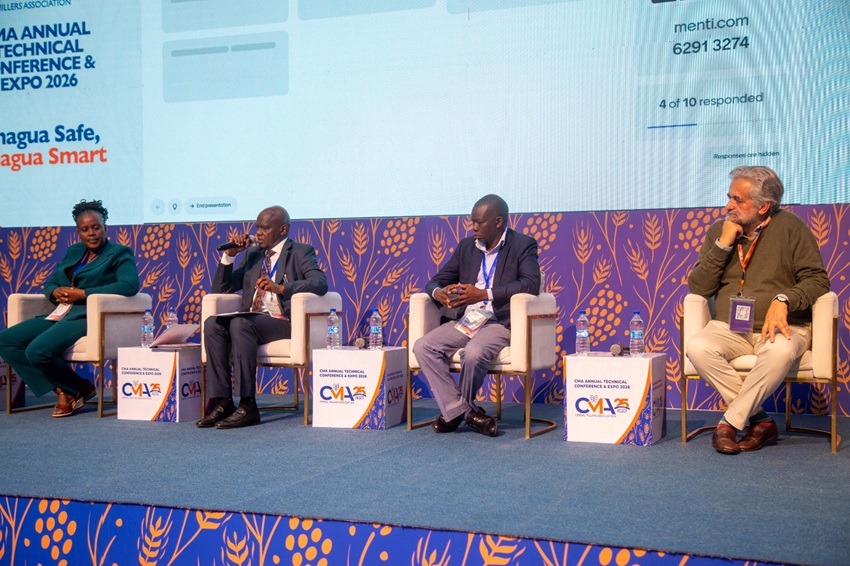
The aflatoxin crisis featured prominently during the annual Cereals Millers Association (CMA) Technical Conference and Expo 2026, organized by CMA. The two-day event, held at the Sarit Expo Centre in Nairobi, brought together over 70 companies—including those offering solutions to aflatoxin—and millers.
While exhibitors termed it a crisis that deserves action to end it, one company, Aflabox Srl, came with a solution for aflatoxin in Kenya—the first of its kind in Africa. The company developed Aflabox, a tool that uses AI to scan and provide real-time aflatoxin testing from the ground.
Paloma Fernandes, Chief Executive Officer of the Cereal Millers Association (CMA), said Kenya has had a serious problem with aflatoxin for many years, and action is being taken to find out how the entire problem can be addressed. Top among these efforts is the innovation of Aflabox by an Italian company, which has brought solutions to the crisis.
Speaking during the Annual Technical Conference and Expo 2026, the CMA CEO said that in 2012, statistics showed that 65 percent of commercial flour on store shelves had been contaminated by aflatoxin.
“This affected milk as well as breast milk and peanuts. We then started self-regulating. Somewhere in 2020 we found that about 50 percent was still contaminated,” she said.
She said in 2020 there were also some aflatoxin cases that could kill instantly, but revealed that they have been working to sort that out.
Fernandes said they were very excited that this year’s conference included new innovations in terms of aflatoxin testing and fortification.
“One of the exciting ones, as you have seen, is the Aflabox, and this is going to be a game changer for us—whether we are in mills, on the farms, or as aggregators. We are very excited to see where this innovation will take us,” she said.
The two-day event, held at the Sarit Expo Centre in Nairobi, brought together over 70 companies—including those offering solutions to aflatoxin—and millers.
Dr. Luca Alinovi, CEO and Co-Founder of Aflabox, said his startup is bringing new technology to measure aflatoxin in a country where things are complicated.
He said their innovation uses the Aflabox connected to Wi-Fi to test for aflatoxin instead of using complicated labs.
“Instead of using bio-chemicals, you just put our device, do a click, and in 30, 40, 50, 60 seconds you get the results—if it’s contaminated or not,” he said.
Alinovi said Aflabox is going to change the lives of millers, traders, and farmers who are often exposed to the big problem of aflatoxin.
He said CMA has been the champion against aflatoxin, adding that the government has also been very aggressive against aflatoxin, and he felt they were fighting the same battle to end the crisis.
“Aflabox is a European company but is represented here by Aflazero, which is allowing us to be present and to work extensively in the country. We want to be very big and solve the problem for the people—the millers, the traders, and the government,” he said.
Alessio Collussi, an agronomist at Aflabox, said the big problem Kenya and the whole of Africa is facing is the amount of aflatoxin present in the food being consumed daily, particularly food made from flour.
He said many times it has been found that the amount of aflatoxin is very high, exceeding the legal limit.
“The legal limit in Kenya is 10 ppb. Now the issue is that to measure aflatoxin in food, we require equipped laboratories where laser tests or other sophisticated analyses have to be performed. So in this case, what we wanted to do was to prepare a solution that would simplify the screening of aflatoxin,” he said.
Collussi said they came up with a small box where a sample of maize is added to conduct tests, enabling farmers, traders, or aggregators to understand the origin of risks and be able to solve the problem.
Dr. Wilson Songa from Kaizen Top Mark and a member of the Executive Board of the Agriculture Sector Network said Aflabox would change the infection of aflatoxin and ensure action is taken in time to prevent contamination in food.
Hundreds of children with disabilities, caregivers, teachers, and local leaders gathered at Jomo Kenyatta Stadium for the Eastern Region Sunshine Rally, a flagship event aimed at celebrating children with disabilities and advocating for their full inclusion in society.
The event brought together participants from Machakos, Kitui, Makueni, and Kajiado counties, serving as the fifth and final instalment of a nationwide series organised by Rotary clubs in Eastern Kenya under Rotary District 9212.
Previous rallies were held in the Coast, Western, Nairobi, and Mt. Kenya regions.
Beyond the celebrations, the rally functioned as a strategic advocacy platform to shift public narratives and strengthen the visibility of children living with disabilities with organisers highlighting that despite existing policy frameworks supporting inclusion in Kenya, many of these children continue to face systemic barriers in education, infrastructure, and social participation—particularly in rural and semi-urban areas where access to specialised services remains limited.
The event hosted 650 children with disabilities drawn from schools across the region, offering them a space for play, interaction, and recognition.
Speaking at the rally, Eastern Sunshine Rally Chair Michael Kilonzo emphasised the importance of creating environments where children with disabilities are seen and valued.
“The Sunshine Rally is about dignity and belonging. Every child deserves to be recognised, to play, to learn, and to feel part of society,” Kilonzo said.
District Governor Nominee Dr. Patrisio Njeru called on families and communities to take a more active role in supporting children with disabilities, particularly by ensuring access to education and healthcare. He urged an end to practices that isolate such children from community life.
“We must move away from the culture of hiding children with disabilities. When children are kept at home, they miss out on education, social interaction, and even critical medical support. Taking them to school and into community spaces is essential for their development and wellbeing,” Dr. Njeru noted.
The rally reinforced Rotary’s broader commitment to inclusion and community impact, with organisers calling for sustained collaboration between families, educators, policymakers, and civil society to break down barriers and create equitable opportunities for all children.
When women are empowered with wealth, power and autonomy, they drive measurable economic growth, create positive change in their communities, and enable real contributions to Gross Domestic Product (GDP) growth.
Gender equality is not merely a social aspiration. It is an economic imperative. According to the World Bank, women-owned businesses account for nearly half of all micro, small and medium enterprises in Sub-Saharan Africa. Yet women entrepreneurs continue to face a disproportionately large financing gap estimated at over 42 billion dollars across the region. This gap is not about a lack of ambition. It is about a lack of access.
From financial inclusion to financial empowerment
For years, conversations around women in finance have focused on inclusion by opening bank accounts and increasing access to credit. While this progress matters, inclusion alone is not enough. True transformation comes from empowerment. It requires equipping women with tailored financial solutions, capacity building, networks, and opportunities that recognize their unique realities. When a woman accesses affordable credit to expand her business, she hires more staff. When she receives financial literacy training, she manages cash flows more effectively. When she joins a network of like-minded entrepreneurs, she gains mentorship, markets, and confidence.
Access, knowledge, trust, and choice lead to economic empowerment.
The multiplier effect of investing in women
Each of these investments multiplies in impact. According to a UN analysis, women reinvest up to 90 per cent of their income back into their families and communities, compared to 30 to 40 per cent for men. This means that every shilling invested in a woman entrepreneur supports school fees, healthcare, nutrition, and local economic activity.
In Kenya, where women make up nearly half of the labour force and a significant share of micro and small business owners, women-centred banking is not a niche offering. It is a growth strategy for the country. The theme Give to Gain calls for intentional and collective action. For the financial sector, this means moving beyond symbolic gestures. It means designing gender-responsive credit scoring models, offering flexible repayment structures aligned to cash-flow cycles, and bundling financing with training, digital literacy, and market linkages. It also means ensuring that women are represented not only as customers but as leaders within financial institutions.
Closing the unbanked gap
Even as Kenya is recognised globally for its advances in mobile money and digital finance, many Kenyan women remain excluded from the formal financial system. UN Women reports that women make up a disproportionate share of the world’s unbanked population, and in Sub-Saharan Africa, only 52 per cent of women have financial accounts compared to 64 per cent of men.
Being unbanked limits the ability to save, build credit, access insurance, and accumulate assets. Kenya has made progress through mobile money, agent banking, and regulatory reforms, but gaps persist for women in rural areas, informal sectors, and low-income communities.
The next phase must focus not just on access but on deepening usage, improving financial literacy, and designing products that meet women’s economic realities. Expanding meaningful financial access must remain a national and industry priority.
Beyond just accounts
However, deepening access requires us to confront a more subtle challenge. While progress has been made in expanding account ownership, many women remain excluded from higher-value financial products.
Experts refer to this as “shallow inclusion,” where women hold basic accounts but lack access to long-term credit, asset financing, investment opportunities, and insurance. Without access to these instruments, women can transact, but not necessarily to accumulate wealth, manage risk, or scale enterprises sustainably. Deepening inclusion, therefore, requires financial systems to move beyond entry-level products and intentionally design pathways that support asset building and long-term economic security for women.
Women and economic resilience
Building on the need for meaningful access, women-centred banking also strengthens economic resilience. According to research by Mastercard, 93 per cent of women in Kenya consider starting or running their own business, signalling an enormous entrepreneurial and economic potential within the country. But this potential is facing numerous risks as women-led enterprises in Kenya, from smallholder farming to retail and manufacturing, face shocks such as climate events, health crises, and rising costs, often with limited financial buffers.
Financial institutions can help by providing savings options, insurance, flexible repayments, and tailored support. For example, in 2025, Family Bank’s Queen Banking unit trained over 10,400 women, equipping them with financial literacy, business skills, and access to finance. Many have since expanded their enterprises, showing how targeted support builds resilience. In doing so, women-centred finance moves beyond enabling growth to building more shock-resistant households, businesses, and economies.
The future of Kenya’s economy will not be built by excluding half its population. It will be built by recognizing women not as beneficiaries of development, but as co-architects of it. This International Women’s Day, let us commit to investing boldly in women because when women rise, we all gain.
Rose Kamene is the Head of Women Banking at Family Bank Limited
Listed agribusiness and superfoods grower, Kakuzi Plc, has posted a Ksh 387.5 million after-tax profit, marking a significant turnaround from the Ksh 131.6 million after-tax loss booked last year in its 2025 full-year financial results released on Tuesday.
The firm’s Board of Directors, buoyed by the firm’s profitable run last year, has also recommended a first and final dividend of Ksh 16 per share, double the payout for 2024.
From total revenues of Kshs 5.4 billion, Kakuzi, a leading grower of Avocado, Macadamia, and Blueberry superfoods, posted a Ksh 568 million pre-tax profit, up from the Ksh 167 million pre-tax loss in 2024.
According to Kakuzi Plc Chairman Nicholas Ng’ang’a, while certain circumstances that led to the loss in 2024 have been mitigated, geopolitical tensions continue to negatively impact the firm’s flagship avocado operations.
To mitigate losses, Kakuzi Managing Director, Chris Flowers said the firm is actively rolling out a products-and-market diversification strategy, among other efforts to accelerate growth.
“For example, as an agricultural company, we have expanded our irrigation water conservation capacity by adding 1 million cubic meters of rainwater storage, bringing our total to 13 million cubic meters. This key development further enhances our self-sufficiency in water tapped from water catchment areas in our farm,” Mr Flowers said.
He added, “These sustainability and business development initiatives demonstrate our commitment to integrating sustainable agricultural practices into our operations, which we believe will be fundamental to our future success.”
While describing the company’s performance as commendable on the back of tighter governance and sustainable business operations, Flowers singled out the firm’s blueberry operations, which continue to indicate that, despite high establishment costs, the crop could significantly contribute to Kakuzi’s diversification strategy.
“As a part of our corporate strategy of product diversification, we continue to focus on value addition wherever it makes commercial sense. The strategy is paying off, and while Kakuzi was export-oriented in the past, we can now confirm that we have a growing domestic market contribution to the bottom line, with sales exceeding Ksh 50 million,” he said.
Trade and Industry Cabinet Secretary Lee Kinyanjui has said the government plans to intensify value addition and consumption of locally manufactured agro-products as part of the national industrial development strategy.
The ongoing plans, CS Kinyanjui said, are geared toward promoting value addition and agro-business capacity building, targeting various crops and superfoods, including macadamia, avocado, and livestock products.
Speaking during a tour of listed agribusiness firm Kakuzi Plc’s orchards in Murang’a County, CS Kinyanjui noted that Kenya has latent potential to produce edible oils from Macadamia, among other oil crops. The local production of edible oils, he said, will play a key role in advancing import substitution efforts while promoting the Buy Kenya, Build Kenya agenda.
In Kenya, Kakuzi is the largest producer of avocados and the largest single macadamia orchard estate, with plans to double its current export capacity to more than US$100 million per year in the medium term. This year, Kakuzi is eyeing an investment of more than US$ 15 million to expand its blueberry-growing venture by increasing its orchards from 10 hectares to 100 hectares.
While lauding Kakuzi’s value-added capacity, CS Kinyanjui noted that, as global demand for healthy foods grows, Kenya needs to position itself as a major producer of superfoods.
“Demand for food will always be there, even in difficult times such as war. I commend Kakuzi for the great work. As they expand, they also create employment opportunities,” he said.
He added, “The government will continue to support investors in exports. As we open up international markets through economic partnership agreements, we must also ensure we have enough produce to meet demand.”
The country, he acknowledged, spends more than KSh 500 billion annually importing agricultural products, including edible oils, which can be grown and produced locally. The government, he reiterated, is working to decisively shift our economy from dependence on imports to a net exporter of agricultural products, manufactured goods, and value-added commodities.
“I am impressed at the diverse manufacturing and agribusiness value addition that Kakuzi is undertaking, including the daily production of 1,000 litres of cold-pressed Macadamia oil,” Kinyanjui said.
He added, “As a strategic policy, the government is clear, and His Excellency President William Ruto is spearheading efforts to power agro-industrialisation. Working with partners such as Kakuzi and through SEZs, EPZs, and County Aggregation and Industrial Parks, the intention is to transform agricultural produce into high-value products for domestic, regional, and global markets.”
On his part, Kakuzi Plc Managing Director Chris Flowers confirmed that the firm is actively undertaking a products-and-markets diversification strategy to boost its earnings and shareholder value.
Kakuzi’s ongoing diversification strategy, he said, prioritises the development of high-quality consumer products for the domestic and export markets. Kenya, Mr Flowers added, is ideally placed (geographically) to be Africa’s largest producer of superfoods, supplying the Far-East, the Middle East, Europe and the USA.
“The Kakuzi business growth and diversification plan is firmly anchored in positively contributing to the development and promotion of locally produced, export-grade, quality, value-added products,” Mr Flowers said.
As part of Kakuzi’s commitment to industrialisation and the value addition of local oil crops, as envisioned in the Bottom-Up Economic Transformation Agenda (BETA), the company has integrated a Macadamia Processing Plant, including a Cold-Press Oil extraction unit. The Kakuzi Macadamia Processing Plant has an installed capacity of 2,000 tons of saleable kernel (SK), making it one of the largest in Kenya.
Drought is the leading contributor to livestock deaths in Arid and Semi-Arid Lands (ASALs) in Kenya. According to a recent National Drought Management Authority report (NDMA), drought conditions continued to worsen across most ASAL counties, driven by persistent hot and dry weather throughout January 2026.
Mandera, Wajir, Kwale, and Kilifi were classified in the Alarm phase, while thirteen counties—including Turkana, Marsabit, Samburu, Isiolo, Baringo, Laikipia, Tharaka, Kajiado, Taita Taveta, Kitui, Tana River, Garissa, and Lamu were categorised in the Alert phase; Embu, Narok, and West Pokot were in Pre-Alert, and only Nyeri, Meru, and Makueni remained in the Normal phase. These NDMA classifications were based on environmental, production, access, and utilization indicators falling outside normal thresholds.
Kenya has continued to experience a severe recurring drought crisis between 2021 and 2025 with the ‘greatest drought’ in 40 years marked in 2021-2023 which caused livestock death (approximately 13.2 million). After a brief respite in 2023, drought conditions returned in 2024 and intensified sharply in late 2025 and early 2026 due to the failure of the October-December (OND) rains leaving millions at risk of food insecurity, water shortages and livestock losses especially across ASALs counties.
In Kajiado, the drought has decimated pastures, forcing pastoralist communities into a desperate exodus in search of grazing land and water for their animals. According to NDMA, the county lost 38.8% of its livestock population, 252,592 out of 652,856 between September and November 2022. This is not an isolated event but part of a worsening cycle of climate change induced extreme weather conditions and resultant disasters affecting pastoralist livelihoods across Kenya’s ASALs. For pastoralist communities, livestock represents their entire wealth, social status and cultural identity.
According to the Cabinet Secretary, Ministry of Agriculture and Livestock Development, Mutahi Kagwe, Kenya’s livestock sub-sector contributes 42% of the agricultural Gross Domestic Product (GDP), and 12% to the national GDP while accounting for 30% of total agricultural products. Kagwe notes that the importance of livestock is set to rise further, as growing incomes, and the projected doubling of Kenya’s population by 2050, leads to higher demand for livestock products. Picture by Brent Otieno
According to the Kenya National Livestock Research Agenda (2025-2035), presently, the major constraints besetting Kenya’s livestock industry include diseases, malnutrition, mismanagement, and low inherent productivity. The present production level is estimated to be one third of that which should be obtained from existing stock. Basically, the country is losing 70% of the realized potential of the livestock sector.
Other constraints include increasing human population leading to pressure on agricultural land and negative ecological outcomes; unsustainable land and environment management practices; dependency on unreliable rain-fed agriculture; inaccessible and high input costs; climate change resulting in severe, erratic weather patterns, and emerging pests and diseases. Moreover, decreasing access to production resources such as, credit and technology amidst increasing poverty levels and distorted market value chains is also negatively impacting on livestock production.
The report also notes that to increase livestock productivity, research must include improvements in breeding and husbandry. Further, the adoption of emerging livestock technologies and innovations coupled with streamlining of livestock value chains can lead to increased productivity and quality along livestock value chains.
As one of the solutions to address pastoralist resilience and livestock system strengthening in Kenya, the Kenya Pastoral Market Development (KPMD) Program, implemented through the Strathmore Agri-Food Innovation Centre (SAFIC) at Strathmore University, aims to strengthen livestock value chains and improve livelihoods for pastoralist communities by connecting producers to more efficient and inclusive market systems.
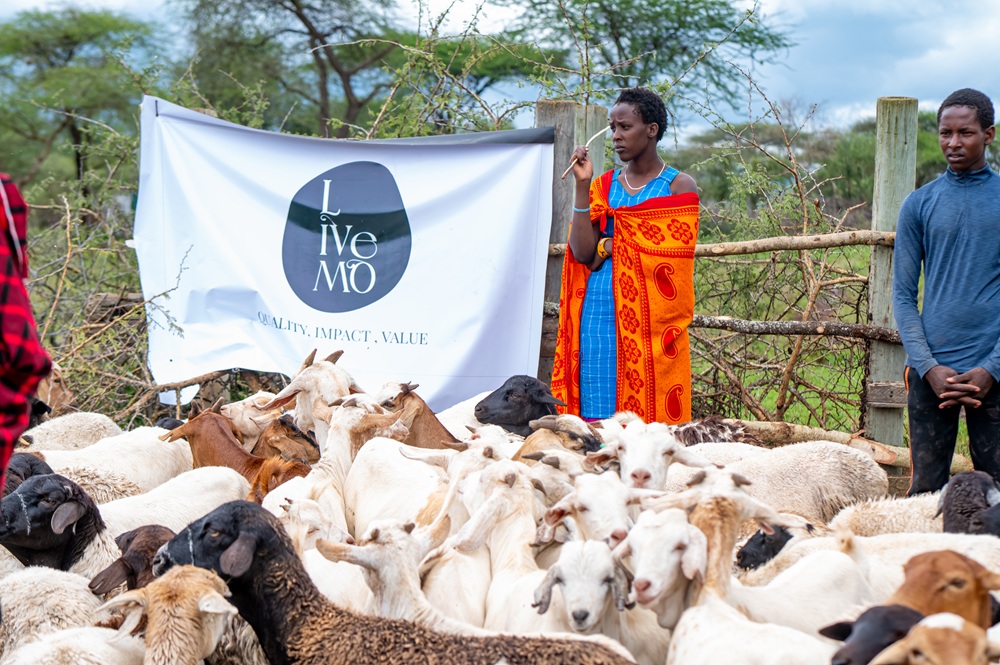
Within this program, LiveMo Investments Ltd, a livestock and meat enterprise serves as a private-sector partner (off taker) working directly in the livestock value chain—sourcing, processing, and supplying livestock and meat products while linking pastoralist farmers to reliable markets.
In this way, the KPMD program provides the broader framework for market development, interventions, and innovation, while Livemo plays a practical role in implementing market-based solutions that help pastoralists access buyers, improve productivity, and increase the value of their livestock.
‘The KPMD program was designed to address long-standing challenges faced by pastoral communities using data-driven and market-focused strategies and aims to enhance livelihoods, bolster economic sustainability, and strengthen resilience among pastoral communities. Here in Kenya, the program enables effective access to quality input and offtake markets. Under KPMD we have 8.8 million pastoralists,’ explains Prof. Ruth Kiraka, Associate Professor, Strategy and Entrepreneurship, Strathmore University.
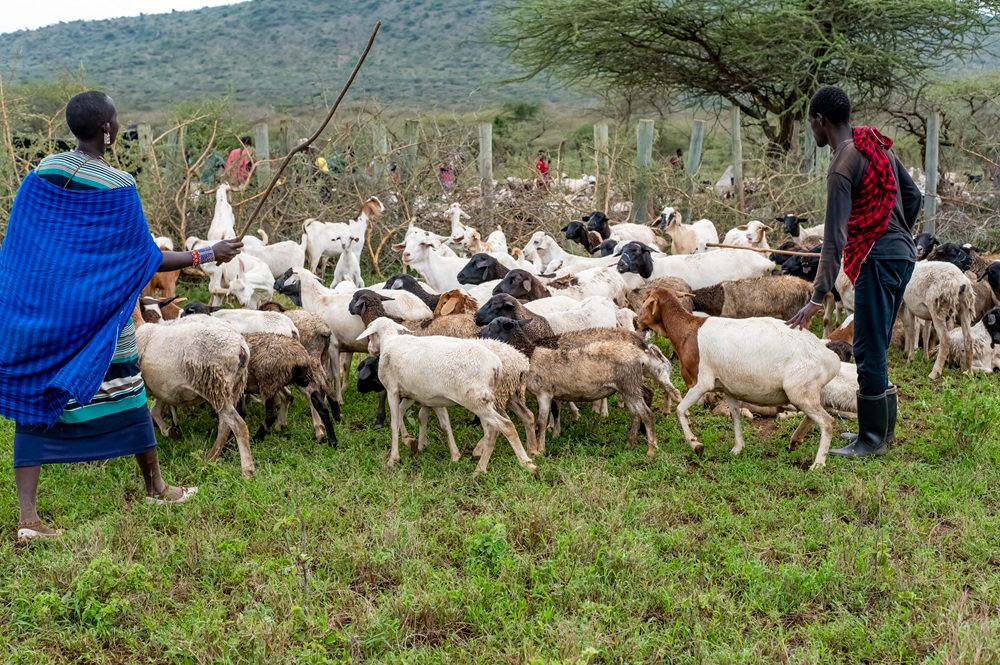
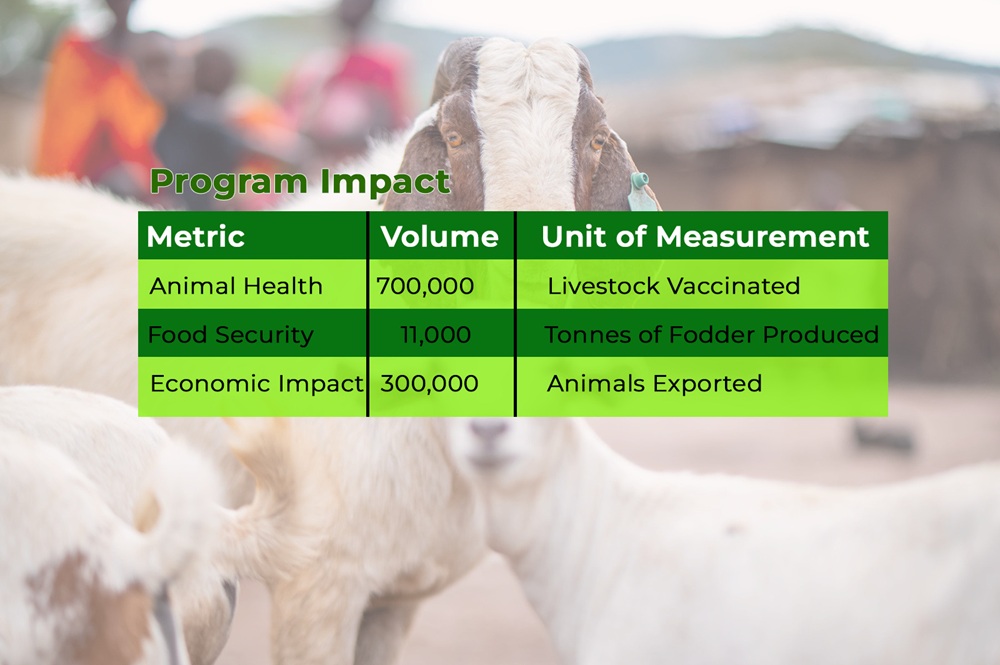
The programme has introduced fodder aggregation and storage models that are acting as a buffer as drought persists. Instead of watching animals die during a dry spell, pastoralists are now treating grass as a harvestable crop. LiveMo manages 868 acres of which 518 acres are currently planted with fodder, with 76 acres in Kajiado and 100 in Laikipia. The smale scales farmers affiliated to them have 643 acres of fodder.
Under their program, 13,000 households have been registered; with 54% of the members being women.
Below, Livemo Fodder Production Lead Gilbert Wang’ombetells us more:-
In Livemo, pasture/fodder development, training focuses on sustainable pasture management, high quality fodder production, and efficient feeding strategies to improve livestock nutrition and productivity
Below, LiveMo Project Management Lead Lisa Beryl shares more insights:-
Kenya’s domestic meat consumption is significantly higher than its exports, with annual demand estimated at over 304,150 tons while the Gulf region is a key export market notably, the United Arab Emirates, Saudi Arabia, Bahrain, South Sudan, Oman, Qatar and Kuwait. In the first half of 2025, Kenya’s goat meat exports to the UAE reached KShs5.47 billion, representing a 5.8% rise from KShs5.17 billion in the same period in 2024. The National Population and Housing Census of 2019 showed that Kenya’s animal resource base comprised 2.2 million dairy cattle, 559,000 dairy beef, 13 million indigenous cattle, 19.3 million sheep, and 28 million goats.
LiveMo demonstrates how locally led innovations are strengthening livestock systems and supporting pastoralist communities across Kenya’s ASALs, with a focus on climate resilience, livestock productivity, nutrition, and women’s economic empowerment across the value chain. Picture by Brent Otieno
The Kajiado county government has been making strides in the control and treatment of Contagious Caprine Pleuropneumonia (CCPP), a highly contagious, often fatal bacterial disease affecting goats and Foot and Mouth disease, a highly contagious viral infectious disease of cattle, sheep, goats and pigs. For animal health experts in LiveMo, it’s a race against time to prevent cross-border diseases with vaccinations taking place after every six months.
Below is a video showing a vaccination exercise taking place.
Farmers also receive guidance on best animal husbandry practices, genetic selection and breeding techniques to ensure healthier and more productive animals. Goat farmers are provided with Boer bucks to improve their stock by obtaining hybrid goats that are fast maturing, provides quality meat and are diseases resistant in addition to being tolerant to heat stress.
With 54% of people registered being women, LiveMo is committed to promoting gender equality in agriculture by proving women farmers with skills, resources, and opportunities needed to actively participate in and benefit from livestock farming. Women are now moving from the periphery to the center of the livestock value chain. It’s not just about making cheese anymore; it’s about controlling the pricing.
“They say when you empower a woman, you empower a community or a society, but what does this actually mean in practice? Through our KPMD program, we are working directly with directly with pastoralists’ in ASALs counties in Kenya and we are looking to work with women especially because women take care of the small ruminants that’s the sheep and the goats. By working with the women who are able to buy these animals at a young age, they take care of them and sell them at a good price and they are able to increase their incomes,” said Prof. Ruth Kiraka
“Through this program we’ve been able to increase the incomes of these women by over 40%, so they are better off economically than they were before the program. Most of these pastoral households are also polygamous, so it’s the responsibility of the women to take care of her own children, educate them, clothe them and make sure they have good healthcare and basically well taken care of, When a woman is empowered and able to do all of these things, her family is uplifted.” She added.
Selina Ruth, one of the breeding beneficiaries shares her story:-
“By equipping farmers with the necessary tools and knowledge, LiveMo empowers them to optimize their farming operations, increase their profitability, and contribute to a more sustainable and prosperous agricultural industry.” Muthoni Kioria, Managing Director of Livemo Investments.
Operating in a traditionally male-dominated sector, Muthoni has built LiveMo into a women-led agribusiness driving real innovation in pastoral livestock markets — advancing climate-smart practices and positioning Kenya more competitively in regional and global meat trade.
The Kenya Pastoral Market Development (KPMD) program is demonstrating a transformative approach to addressing the cyclical drought crises that have devastated Kenya’s ASAL counties. By connecting pastoralists to reliable markets, introducing fodder aggregation and storage models, and providing critical animal health interventions, the program is building resilience against the climate-induced. The programme has also contributed to a notable reduction in Gender-Based Violence incidents, as economic independence shifts power dynamics within households and reduces women’s vulnerability.
Furthermore, by promoting sedentary livelihoods through fodder cultivation and market integration, the initiative is gradually reducing harmful nomadism. This shift carries profound social benefits—men no longer need to stay away from their families for extended periods in search of pasture—and environmental advantages, as controlled grazing patterns replace the overgrazing that degrades fragile ASAL ecosystems.
Below, Prof. Ruth Kiraka, Associate Professor, Strategy and Entrepreneurship, Strathmore University shares more on the KPMD program.
The World Cancer Day 2026 theme “United by Unique” calls on us to place people, not diseases, at the centre of cancer care. In Sub-Saharan Africa (SSA), this call is especially urgent.
Cancer mortality remains unacceptably high, and behind every statistic is a life cut short by late diagnosis, limited access to treatment, and a lack of locally relevant evidence. Ethically conducted and locally led clinical trials offer one of the most powerful tools to change this reality.
Cancer is a present and growing crisis for Africa, requiring comprehensive, multi-sectoral efforts to prevent, detect, and manage its burden. As populations grow and age, cancer incidences are rising sharply and survival rates in Sub-Saharan Africa are lagging far behind those in high-income countries.
According to GLOBOCAN 2022 estimates, Sub-Saharan Africa recorded approximately 848,311 new cancer cases and 559,083 cancer-related deaths, with projections suggesting cancer deaths could reach one million annually by 2030. Among women, breast and cervical cancers account for the highest incidence, while prostate cancer is the most commonly diagnosed cancer among men.
The drivers of high mortality rates are well known: late diagnosis, high treatment costs, under-resourced healthcare systems and limited access to modern cancer therapies. Clinical trials help address these barriers, while also acknowledging the distinct biological, social, and health system contexts of African patients.
Firstly, for patients across Sub-Saharan Africa, groundbreaking treatments for cancer remain a distant hope, constrained by barriers of cost and access. Clinical trials help change this narrative. For a mother facing advanced breast cancer or a father battling prostate cancer, enrolment in a clinical trial may provide access to potentially life-saving therapy without the burden of cost.
Secondly, every cancer journey in Africa is shaped by our unique genetic heritage, environments, and health system realities. Yet for too long, medical guidance has relied largely on data generated in Europe, North America, or Asia. Conducting clinical trials here in Sub-Saharan Africa allows us to begin writing our own chapter in the story of cancer care. It generates evidence born from our communities, ensuring that life-saving treatments are not just imported, but proven and tailored to work for our people. This evidence is foundational to personalized and equitable cancer care.
Third, clinical trials build sustainable research capacity. The true impact of a trial is measured not only in the data generated, but in the skills and confidence it leaves behind. By training physicians, nurses, and researchers in high-quality trial conduct and ethics, we invest in our people. This creates a powerful ripple effect and shifts the paradigm, ensuring African institutions do not simply host studies, but design and lead them. In doing so, our research capacity can finally prioritize the cancers that most affect our communities.
Fourth, participation in clinical trials raises the standard of care for all cancer patients. When a hospital hosts a trial, it brings more than a new therapy, it brings a new level of excellence. To participate, institutions must strengthen diagnostic precision, patient monitoring, and data management practices to meet the highest international standards. This infrastructure of care does not remain confined within the trial. Instead, it becomes routine practice.
Nurses and physicians trained in meticulous trial protocols apply the same rigor to every patient. The improved systems for tracking a patient’s journey leads to better care for all. In this way, a single trial acts as a catalyst, creating waves of systemic improvement that benefit countless patients who may never enrol in a study, but whose care is nonetheless elevated.
Finally, and most profoundly, clinical trials are a necessary response to a crisis we can no longer escape. Behind the rising projections of cancer deaths are millions of individual stories. For example, according to the World Health Organization (WHO), in many low- and middle-income countries, including across Africa, less than about 30 per cent of children with cancer survive, compared with more than 80 per cent in high-income countries, meaning roughly four out of five children diagnosed with cancer in Africa do not survive long-term. In this context, trials are far more than studies, they are an essential pathway to discovering treatments that not only work but are also practical and affordable within our health systems and communities.
As we mark World Cancer Day 2026, we must move beyond symbolism to action. Governments must prioritise funding and policy frameworks that enable ethical, efficient clinical trials. Regulators must streamline approval processes without compromising patient safety.
Funding agencies and industry partners must invest in African-led research, not as an afterthought but as a global imperative. Academic institutions and hospitals must embed research into routine care, and communities must be engaged as partners, not subjects.
Cancer does not wait and neither should we. By committing now to inclusive, locally driven clinical trials, we can change the trajectory of cancer in Sub-Saharan Africa and ensure that innovation reaches those who need it most.
Prof Mansoor Saleh is the Chair, Department of Haematology-Oncology and Founding Director, Cancer Center, Aga Khan University Medical College, East Africa and Aga Khan University Hospital, Nairobi.
As Kenya celebrates its progress in digital connectivity and innovation, a darker trend has emerged beneath the surface of its tech boom: a sharp rise in Technology-Facilitated Gender-Based Violence (TFGBV) affecting millions of women and girls across the country.
Recent studies conducted in Kenya, including research within higher learning institutions, indicate that nearly 90% of young adults have witnessed TFGBV, while 39% report having experienced it. Manifestations include cyberbullying, online sexual harassment, sextortion, non-consensual sharing of intimate images, and AI-generated deepfakes.
TFGBV has serious consequences for victims’ mental health, personal safety, dignity, and economic participation. Women and girls — particularly adolescents, students, journalists, activists, and women in public life — are disproportionately affected. In certain cases, online violence escalates into offline harm.
To address this, the Embassy of France in Kenya and the Agence Française de Développement (AFD) on Monday launched a €5 million regional project to combat TFGBV in Kenya and six other African nations.
In the initiative, AFD is supporting Kenyan feminist civil society organizations under the Feminist Organizations Support Fund (FSOF). The four-year initiative (2026 – 2030) is implemented across seven African countries: Kenya, Cameroon, Togo, Zimbabwe, Benin, Senegal, and Nigeria.
While in Kenya and three other countries the focus is on direct support to feminist organizations and survivors, in Benin, Senegal, and Nigeria the programme also supports policy dialogue and public engagement to strengthen national responses to digital gender-based violence.
In Kenya, the project will strengthen local organizations working to prevent online harassment and digital abuse, improve digital security, and provide holistic support to survivors, including psychological, legal, and technological assistance.
The initiative also supports the production of research and advocacy efforts to promote stronger policies and safer digital spaces for women and girls through UAF and the Kenyan Covaw (Coalition on Violence Against Women), as well as partners like The Engine Room and AWID (Association for Women’s Rights in Development).
Through this programme, AFD contributes to advancing gender equality and ensuring that digital transformation in Kenya is inclusive, safe, and empowering for all
“Since 2020 in close collaboration with French-led Support Fund for Feminist Organizations (FSOF) we have already mobilized over €255 million to support Feminist Organizations around the globe.’ Anne Gaël Chapuis, AFD Director for Kenya
Watch below as AFD Director for Kenya Anne Gaël Chapuis, shares more on the Kenya funding.
AFD Director for Kenya, Anne Gaël Chapuis: The Agence Française de Développement (AFD) supports Kenyan feminist civil society organizations to combat Technology-Facilitated Gender Based Violence (TFGBV) through a regional initiative under the Feminist Organizations Support Fund… pic.twitter.com/eMsO0z2qYo
French Ambassador to Kenya Arnaud Suquet says Technology-Facilitated Gender Based Violence (TFGBV) is a big issue noting that 90% of adult women in Kenya have experienced it. Notes that France has committed to feminist diplomacy.
Road traffic accidents continue to be the bane of Kenyans with most of those hospitalized suffering inability to pay hospital bills.
A recent report of the National Council on the Administration of Justice (NCAJ) 2025/26 has revealed that traffic accidents are costing the economy over Sh48.5 billion annually on treating road traffic injuries.
When presenting the NCAJ report, Chief Justice Martha Koome indicated that according to the study, “the cost of treating a victim of road traffic accidents stand at about KSh69,000 for moderate injuries and KSh147,000 for severe injuries, with hospital admissions ranging between 10 and 24 days depending on the extent of injury.”
For Dina Nafula Simiyu, St Luke’s Orthopaedic and Trauma Hospital in Eldoret, continues to be her adopted home following a grisly accident on August 24th 2025. Her mother Pauline Nabangala Mukholi recalls the day as if it only happened yesterday.
It was an early morning when according to Nabangala, her husband Lawrence Simiyu and daughter Dina left to book a vehicle as Dina embarked on journey from Chekalini in Lugari Sub County of Kakamega County to Embu University in Embu County, where she had been admitted to study a Bachelor of Laws degree, a course she had chosen right at joining Butere Girls National School in Kakamega County.
But as fate would have it, her joy of joining the University to study the course of her dreams came to a screeching halt when out of the blues, a vehicle just appeared and ploughed through crowd of people standing besides the road, among the victims was Dina and her father. “I ran to Chekalini market, after receiving the call, to my surprise my husband had been injured and my daughter was worse off,” said Pauline Nabangala, “the vehicle hit my daughter and trapped her beneath its belly, dragging her for over 40 meters.”
By the time Dina was lifted from where the vehicle stopped, she had head injuries and on taking her for first aid, it was discovered that she also had an injury to the spinal cord, this had her transferred to St Luke’s Orthopeadic and Trauma Hospital in Eldoret.
Her hospitalization saw the hospital bill shoot to “Kshs 1.9 million, we conducted fundraisings as well a little payment from the Social Health Authority(SHA) which reduced the bill by Kshs 900,000,” said Nabangala when KBC Channel 1 interviewed her as she took care of her daughter in hospital. To date the bill now stands at over Kshs 1 million and counting.
Former Chairperson of Butere Girls Alumni Association Prof. Selpher Cheloti says as a student under the Alumni Scholarship, Dina was brilliant girl, very focused, very intentional and she clearly told us she wanted to be a lawyer, “when we took her as Alumni Association, she was put into the mentorship group of the lawyers, magistrates and judges, said the former Chairperson of the Butere Girls Alumni Association Prof. Selpher Cheloti, and adds, “When she scored an A- and was admitted to Embu University to study a course of her dreams, we were very happy.”
Dina’s mother Pauline Nabangala is appealing to well-wishers to intervene and bail out her daughter so that she can seek specialized treatment, “since October 1st last year the hospital discontinued treatment for the injuries from the accident,” said Nabangala, the only thing they do is to help with infections that Dina gets as we stay in hospital, I was hoping if I can be assisted, to pay the bill so that my daughter can seek treatment elsewhere.”
The former Chairperson of the Butere Girls Alumni Association Prof. Selpher Cheloti is urging Kenyans to come on board and help to raise funds that will enable Dina to get back on feet, “so that Dina can continue with her dream of becoming a lawyer when she completes her studies.”