Author: Christine Muchira

  • Ksh8.3B Port of Mombasa infrastructure project hits 50pc completion

    Ksh8.3B Port of Mombasa infrastructure project hits 50pc completion

    A mega infrastructure project valued at Ksh8.3 billion is steadily taking shape at the Port of Mombasa, the ambitious development is expected to significantly enhance cargo mobility, safety and operational efficiency at the country’s busiest seaport.

    The project forms a critical component of the Kenya Ports Authority’s (KPA) long-term infrastructure modernisation programme aimed at supporting the ever-increasing cargo volumes while improving connectivity between the port, Gates 18 and 20, Kipevu Road and the wider Northern Corridor.

    Dispelling misinformation surrounding the project and its value for money, KPA CEO Capt. William Ruto said the development stems from recommendations of the 2018 TradeMark Africa Traffic Management Study.

    He said the study identified the Back of Port Road corridor as a major bottleneck requiring a grade-separated transport solution to improve cargo evacuation and eliminate traffic conflicts.

    Capt. Ruto explained that the project is not a conventional road construction programme but a major port transport interchange involving highly specialised civil, structural, geotechnical, electrical, drainage and security engineering works.

    The CEO disclosed that the project was procured through an international competitive tender in which contractors submitted bids ranging between Sh8.3 billion and Sh9.6 billion. The contract was awarded to the M/s Stecol Corporation and Miliki Development Company Joint Venture at Ksh8.3 billion after emerging as the lowest evaluated responsive bidder.

    “It is within the market price and I can even say it is cheaper. In terms of our consultant, it is even cheaper. We are getting value for money as KPA. The problem is only we called it a road, instead of calling it a major infrastructure that we are building in the port,” stated Capt. Ruto.

    The project, which is now 50 pc complete, is expected to be completed in March 2027. It comprises a 1.8-kilometre dual carriageway, including 704 metres of elevated viaduct supported on bored pile foundations and reinforced concrete box girders, rising up to 15 metres above ground level to safely accommodate heavy port traffic.

    “A viaduct is different from a bridge in the sense that for a viaduct, you are putting up a bridge-like structure that spans over a vast tract of land that may have developments below,” explained Eng. Stephen Wasike, the Project Consultant Engineer.

    “There’s a limit to how high or how close you should come to the pipeline because it’s a live line carrying petroleum products, and that forced the project to go higher. We also had to pass over an existing KPA facility known as the One-Stop Centre, which houses numerous critical operations and could not be demolished. We therefore had to construct the viaduct above it,” added Eng. Wasike.

    The development also includes two major roundabouts, slip roads, ramps and associated traffic management infrastructure, creating an integrated grade-separated transport interchange.

    The project has also involved the excavation of Kipevu Hill, requiring approximately 450,000 cubic metres of rock cutting and 150,000 cubic metres of engineered fill.

    To stabilise the excavated slope and safeguard adjacent strategic infrastructure, the project includes the construction of a 265-metre Geosynthetic Mechanically Stabilised Earth (GMSE) retaining wall designed to prevent slope failure near the Kenya Pipeline Company petroleum storage tank farms.

    The project has further entailed the relocation and protection of critical operational infrastructure, including the port’s primary high-voltage power supply network that serves the entire facility. The network is being rerouted through a purpose-built utility tunnel excavated within Kipevu Hill from the Gate 18 substation.

    Water mains, fibre-optic communication networks, medium- and low-voltage electrical services, as well as the Integrated Security System (ISS), are also being relocated.

    In addition, a major underground stormwater drainage tunnel is under construction from the gantry workshop to the Kipevu outfall to safely channel runoff and protect both the roadway and surrounding port infrastructure.

  • Dr. Muli champions African unity at Tanzania’s 7.7 cultural festival

    Dr. Muli champions African unity at Tanzania’s 7.7 cultural festival

    National Liberal Party Leader and Anzauni Clan Leader Dr. Augustus Kyalo Muli has called on African communities to strengthen unity by embracing their shared cultural heritage, saying traditional institutions have a critical role in promoting peace, regional integration and social cohesion.

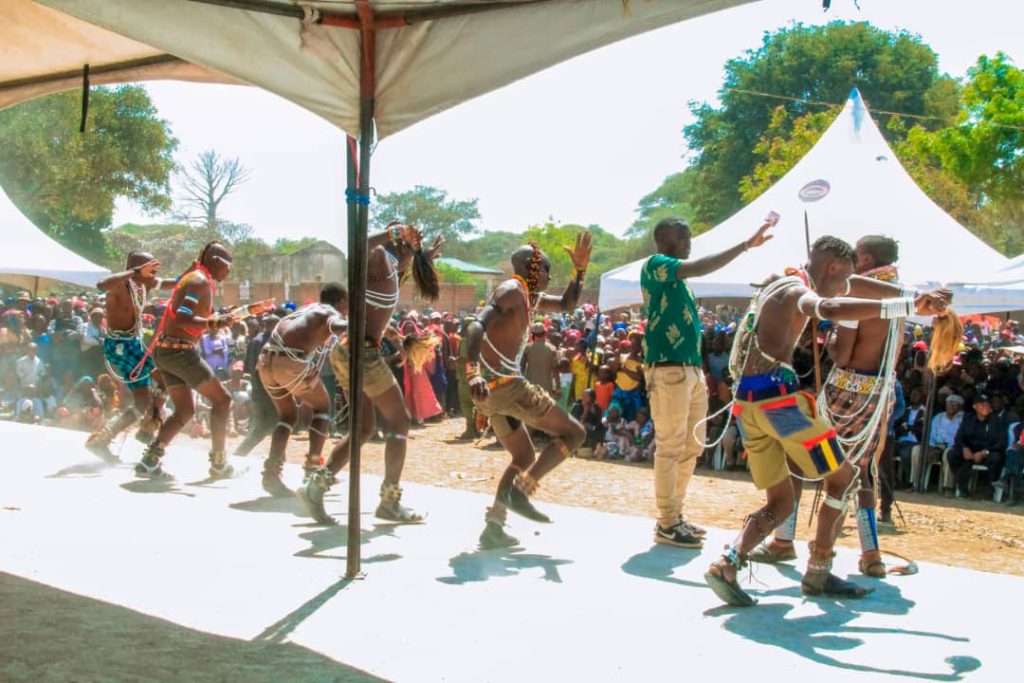
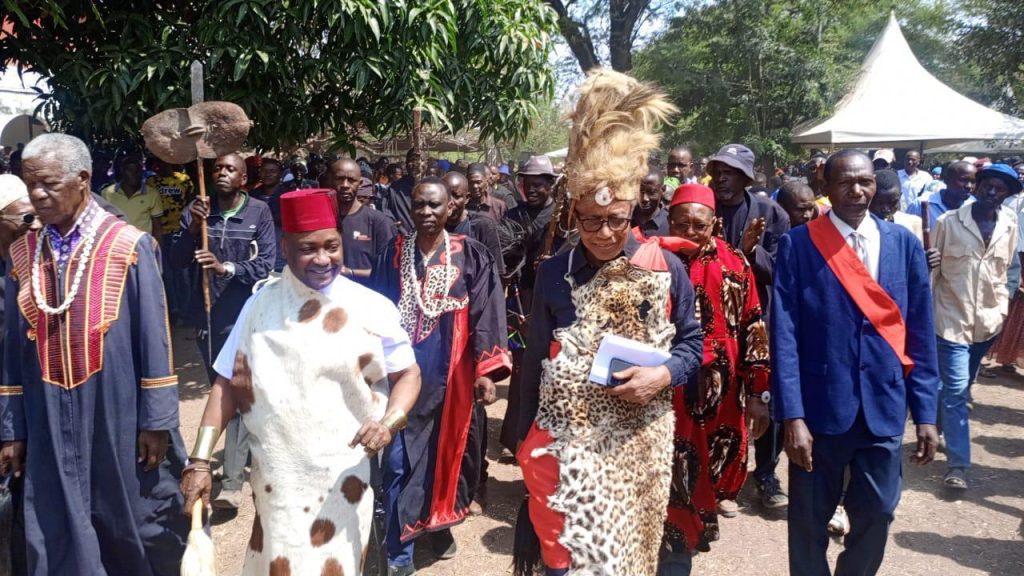
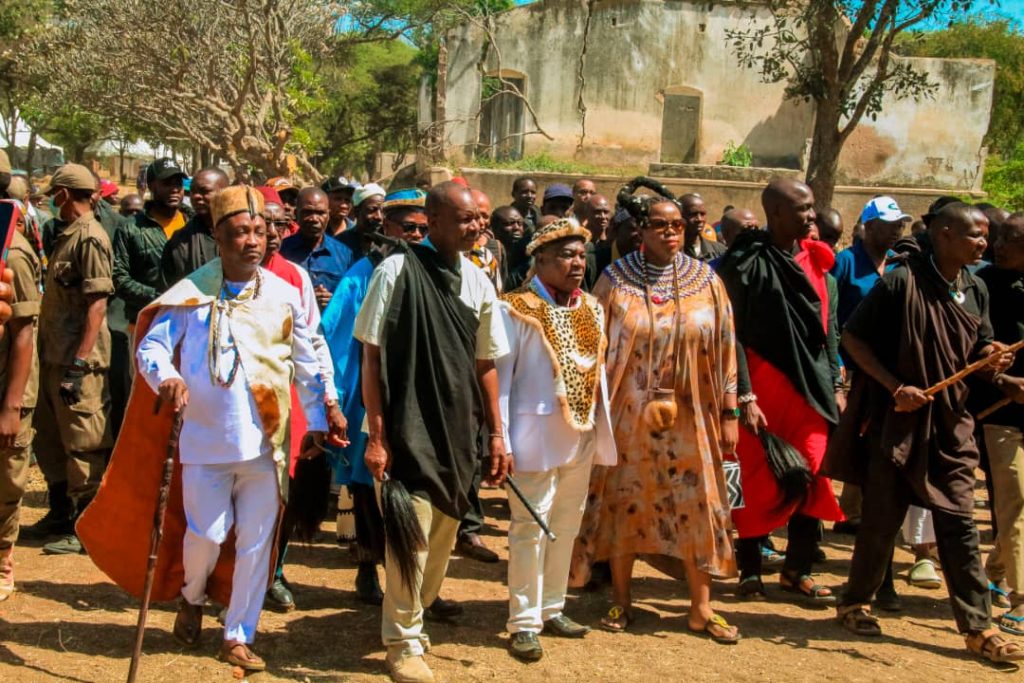
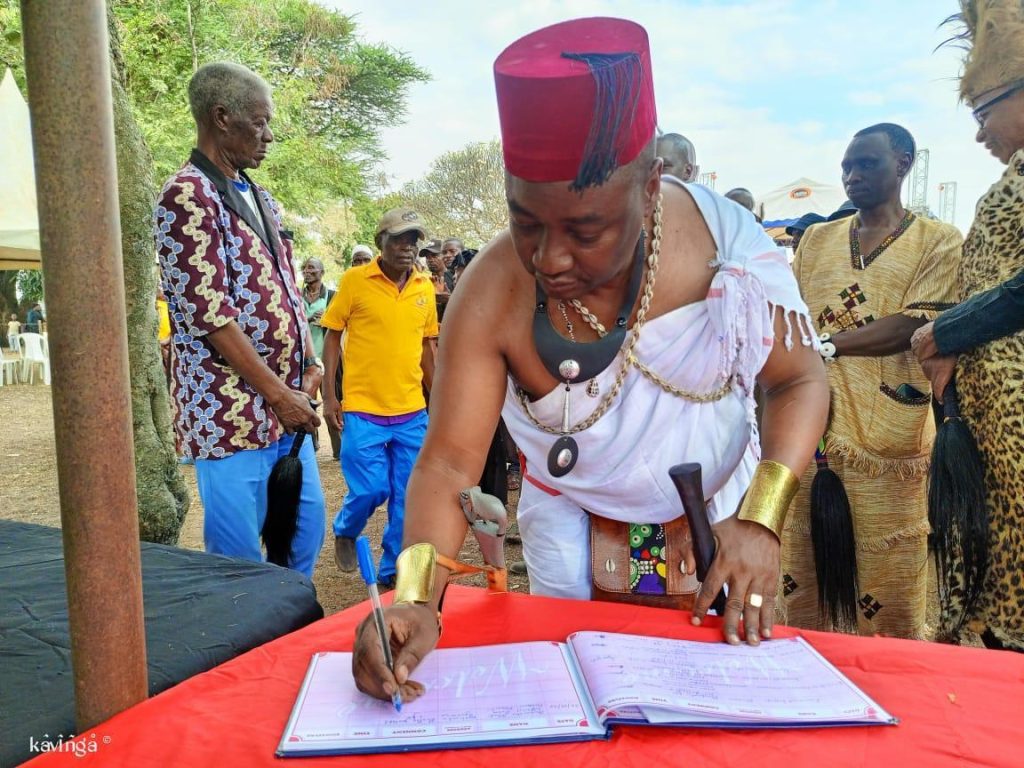
    Dr. Muli made the remarks during the annual 7.7 Celebrations, a four-day cultural festival hosted by the Sukuma community under the Busiya Kingdom in Shinyanga, where he joined traditional leaders and delegates from Tanzania, Kenya, South Africa and the Zulu Kingdom.

    Attending the celebrations at the invitation of Chief Makwaia III, the 23rd monarch of the Busiya Kingdom, Dr. Muli said African communities share deep historical and cultural links that should be harnessed to foster stronger cross-border cooperation and preserve indigenous traditions for future generations.

    He urged traditional leaders across the continent to remain at the forefront of promoting peaceful coexistence, cultural identity and community development, noting that cultural diplomacy continues to play an important role in strengthening relations among African nations.

    Dr. Muli has also called on the government of Kenya to recognize traditional Chiefs and empower them to assist in Governance especially land and family disputes.

    Currently the traditional clan leaders are engaged in Alternative Dispute Resolution but are not sufficiently empowered and facilitated by the national government

    The annual festival, which culminates on July 7, is the largest cultural gathering of the Sukuma people, Tanzania’s largest ethnic community. It features traditional dances, cultural exhibitions, elders’ councils and prayers for rain and prosperity.

    Chief Makwaia III said the celebrations continue to unite communities from across Africa while preserving the customs and traditions that define their shared heritage.

    On the sidelines of the event, Dr. Muli held talks with Chief Makwaia III on expanding cooperation between the Anzauni Clan and the Busiya Kingdom in cultural exchange, education, tourism and community development.

    The Kenyan delegation returned home with a goodwill message and an invitation for Sukuma elders to visit Kenya in 2027 as part of efforts to deepen cultural and people-to-people ties.

    The next edition of the 7.7 Celebrations will be held in Shinyanga from July 4 to 7, 2027.


  • KNPHI establishes mobile laboratory at Lwakhakha to strengthen Ebola preparedness

    KNPHI establishes mobile laboratory at Lwakhakha to strengthen Ebola preparedness

    The Kenya National Public Health Institute (KNPHI) in collaboration with the U.S government-funded Strengthening Infectious Disease Detection Systems (STRIDES) has established a mobile laboratory at the Lwakhakha Point of Entry (PoE).

    The move marks a significant milestone in strengthening the country’s preparedness and response to the ongoing Ebola Virus Disease (EVD) outbreak in neighbouring countries.

    The newly operational facility is designed to deliver Ebola test results within approximately four hours, significantly reducing diagnostic turnaround times and enabling rapid public health action.

    It becomes Kenya’s second mobile laboratory after the Alupe Mobile Laboratory in Busia County and the fifth laboratory supporting EVD diagnostics nationwide, joining the National Public Health Laboratory and the Kenya Medical Research Institute (KEMRI) laboratories in Nairobi and Kisumu.

    Speaking on the development, KNPHI Acting Director General Dr. Kamene Kimenye said mobile laboratories are a critical component of outbreak response as they bring high-containment diagnostic capacity closer to areas at greatest risk.

    “Mobile laboratories are essential during Ebola outbreaks because they bring high-security diagnostic testing directly to outbreak epicentres. By reducing sample turnaround times from days to just three to four hours, they enable immediate patient isolation, interrupt chains of transmission, and support the timely evaluation of novel treatments and vaccines,” she said.

    The establishment of the Lwakhakha Mobile Laboratory reinforces Kenya’s surveillance and response capacity at high-risk border entry points, ensuring that suspected Ebola cases are detected, tested, and managed promptly to minimise the risk of cross-border transmission.

    The KNPHI Directorate of Laboratory Science and Safety continues to play a central role in advancing Kenya’s public health emergency preparedness through strategic leadership in laboratory systems and health data management.

    Besides, it coordinates disease surveillance, laboratory testing, quality assurance, and the development and validation of diagnostic testing algorithms, ensuring accurate, timely, and reliable detection of emerging public health threats.

    The deployment of the mobile laboratory underscores KNPHI’s commitment to strengthening national health security by expanding access to rapid diagnostic services and enhancing the country’s capacity to respond effectively to infectious disease outbreaks.

  • Waiguru leads call for peaceful campaigns, urges Ol Kalou voters to shun political violence  

    Waiguru leads call for peaceful campaigns, urges Ol Kalou voters to shun political violence  

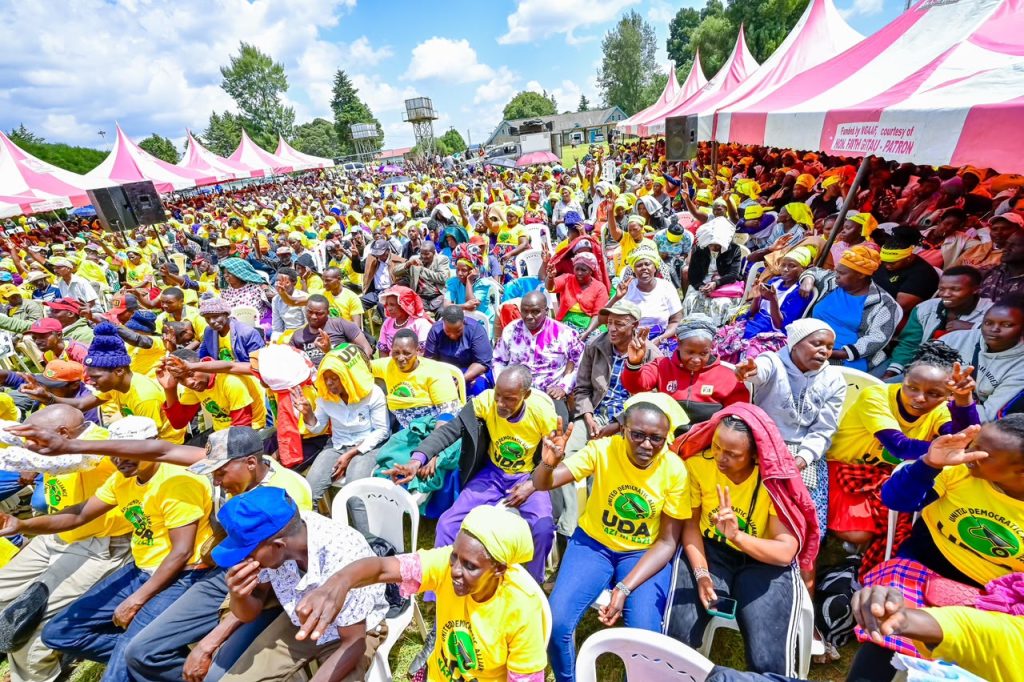
    Kirinyaga Governor Anne Waiguru has led leaders in condemning political violence and intolerance ahead of the July 16 Ol Kalou parliamentary by-election.

    Waiguru urged leaders and residents to embrace peaceful campaigns and reject political violence.

    The calls for peaceful campaigns come in the wake of rising tension and political intolerance that has seen goons attack and disrupt meetings and campaign posters for UDA Candidate Samuel Muchina destroyed.

    Speaking during engagements with residents at Rurii Ward and later at Nyandarua University College, where she met residents from Kaibaga and Mirangine wards, Waiguru said acts of vandalism and intimidation witnessed during the campaigns had no place in modern democracy.

    “We as the Tutam Brigade want to condemn the incidents whereby goons have been destroying Samuel Muchina’s billboards and campaign materials. Violence and political intolerance are wrong and outdated. The people of Ol Kalou have categorically stated that they want development and not politics of insults, violence and false promises,” she said.

    Waiguru urged leaders and supporters across the political divide to maintain peace throughout the campaign period and on election day. “Please keep in mind that this election is not for 2027. That time will come and all leaders will return to tell you what they have delivered and why they deserve another term,” she said.
    Waiguru maintained that the by-election presented residents with an opportunity to secure development by remaining aligned with the national government.

    “I have heard your leaders repeatedly say that the people here want electricity, roads, hospitals and universities. Those are projects that can only be delivered through a leader working together with the national administration,” she said.

    Drawing from Kirinyaga’s experience, Waiguru said strategic cooperation with the national government had enabled the county to deliver major development projects. “In Kirinyaga we have a Level Five Hospital, and this year we will be commissioning three Level Four hospitals. Learn from Kirinyaga and other counties that have remained in government because that is how we have been able to deliver major projects for our people,” she said.

    She further urged voters to support the United Democratic Alliance (UDA) candidate, saying he was best placed to continue the development agenda started by the late area MP.

    She also cautioned residents against what she termed misleading political narratives by self-centred leaders who are leading the people of the mountain astray.

    UDA parliamentary candidate Samuel Muchina also condemned the destruction of campaign materials, calling on supporters to conduct peaceful campaigns.

    “Political violence and intolerance have no place in this election. I urge all our supporters to maintain peace, reject acts of vandalism and refuse to be used to commit crimes,” Muchina said.

    He pledged to prioritise development if elected citing promising better roads, expanded elecrificattion, improved water services, a Level Five hospital and a university.

    Nyandarua Woman Representative Faith Gitau Muhia said the constituency had an opportunity to elect a leader focused on service delivery rather than politics.”The people of Ol Kalou have decided they want someone who will work and deliver for them, not empty rhetoric. This is a chance to make the right choice for development by electing Samuel Muchina,” she said.

    She cited Governor Anne Waiguru’s work in Kirinyaga, noting that it is evidence of what can be achieved through collaboration with the national government.

    Mbeere North MP Leo Wamuthende said his own constituency had benefited after electing a UDA candidate during a by-election. “I am living proof that a by-election can change a constituency’s development trajectory. The people of Mbeere North chose to remain in government, and today they are witnessing major road construction and other development projects,” he said, urging residents to vote for Muchina and also support Kenya Kwanza government.

    Nyeri Senator Wahome Wamatinga also urged residents not to be misled by divisive politics. “Do not be fooled into becoming soldiers for other people’s political interests. Counties that have remained in government are benefiting from roads, electricity, hospitals and schools,” he said.

    The leaders also urged voters to turn out in large numbers to elect Samuel Muchina, stating that the by-election should be about securing development and improving livelihoods rather than advancing political confrontation.

  • Kirinyaga sets standard for County Industrial Parks, as Bungoma benchmarks project

    Kirinyaga sets standard for County Industrial Parks, as Bungoma benchmarks project

    Kirinyaga County is emerging as Kenya’s benchmark for the implementation of County Aggregation and Industrial Parks (CAIPs), with other counties visiting to learn from its successful model as it positions itself as a leading destination for agro-industrial investment.

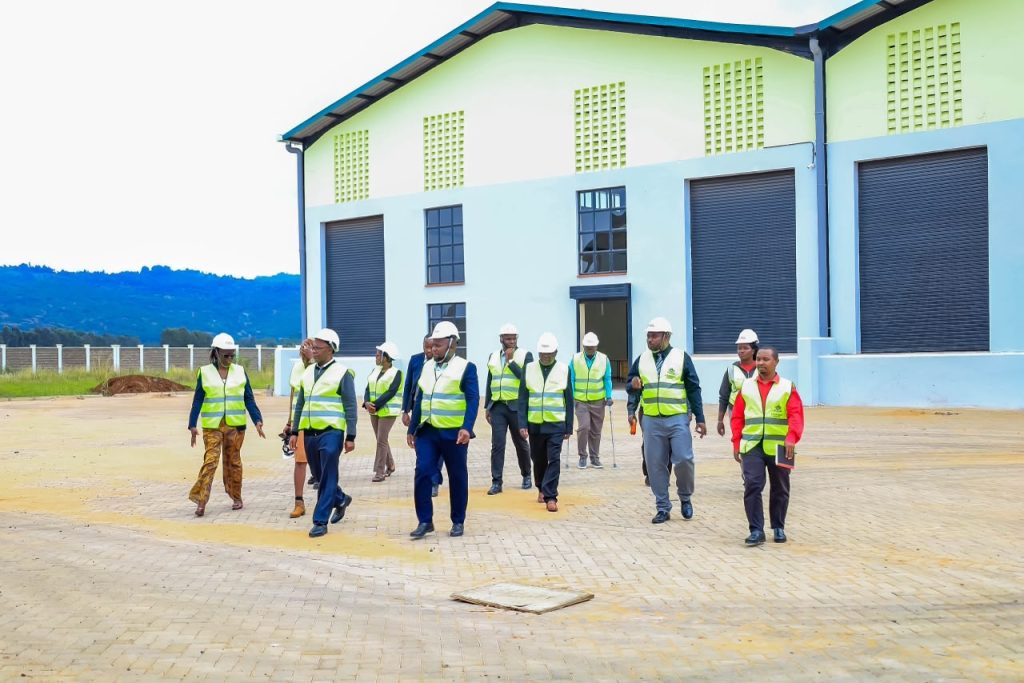
    Bungoma County’s Department of Trade, Energy and Industrialization on Wednesday toured the County Aggregation and Industrial Park (CAIP) at Sagana to benchmark on its implementation ahead of rolling out a similar project back home. The visit follows an earlier benchmarking mission by Kitui County, further cementing Kirinyaga’s position as a national leader in industrial park development.

    The CAIP is one of the flagship developments within the 252-acre Sagana Agro-Industrial City, a designated Special Economic Zone (SEZ) located in Ndia Constituency. Once fully developed, the industrial city is expected to create more than 10,000 direct jobs and a further 100,000 indirect employment opportunities while transforming Kirinyaga into a major manufacturing, processing and export hub.

    The expansive development will also host an Export Processing Zone (EPZ), agro-processing industries, hotels, a golf course, affordable housing projects and other commercial investments, making it one of the country’s most ambitious county-led industrialization initiatives.

    The benchmarking visit comes as the CAIP enters its final phase of construction, with the project now 96 per cent complete. Eight warehouses have already been completed, while the County Government has begun onboarding investors interested in establishing industries at the park ahead of its commissioning.

    Governor Anne Waiguru welcomed the Bungoma delegation, saying county-to-county learning continues to strengthen devolution and accelerate economic development across the country.

    “County-to-county learning remains one of the greatest strengths of devolution, and we are glad to share our experience in advancing agro-industrialisation and value addition,” the Governor said.

    Kirinyaga Investment Development Authority (KIDA) Chairman Michael Ndwiga said only a few finishing works remained before the project is completed. “The project is now 96 per cent complete and what remains are the final touches, mainly landscaping and cabro works,” Ndwiga said.

    He said the county had already gazetted KIDA regulations, paving the way for investor onboarding. “Investors are already submitting applications. They are evaluated and, once they qualify, they are issued with lease agreements to establish industries at the park,” he said.

    Ndwiga said early investor onboarding would ensure industries begin setting up operations immediately upon completion of the park, accelerating value addition, job creation and investment in the county.

    Bungoma County Chief Officer for Trade, Energy and Industrialization Stephen Wamalwa said the delegation selected Kirinyaga because of the remarkable progress it has made in implementing its County Aggregation and Industrial Park.

    “We came to Kirinyaga because they are way ahead of us in the implementation of CAIPs. We wanted to benchmark and collect lessons that will help us implement ours,” Wamalwa said.

    He said the delegation had gained practical insights that would improve implementation in Bungoma and help speed up completion of its own project.

    “We have gained valuable insights that we can apply back home. They will help us move faster and also push our contractor to pull up his socks,” he said.

    Wamalwa noted that the team had also benchmarked in Meru and Laikipia counties but found Kirinyaga to be the most advanced.

    “We have visited Meru and Laikipia too, but Kirinyaga is ahead of the rest. We appreciate the support we have received from the County Government and KIDA, and we hope to come back for more benchmarking,” he added.


  • Waiguru rolls out community empowerment drive as dairy farmers receive 13 milk coolers

    Waiguru rolls out community empowerment drive as dairy farmers receive 13 milk coolers

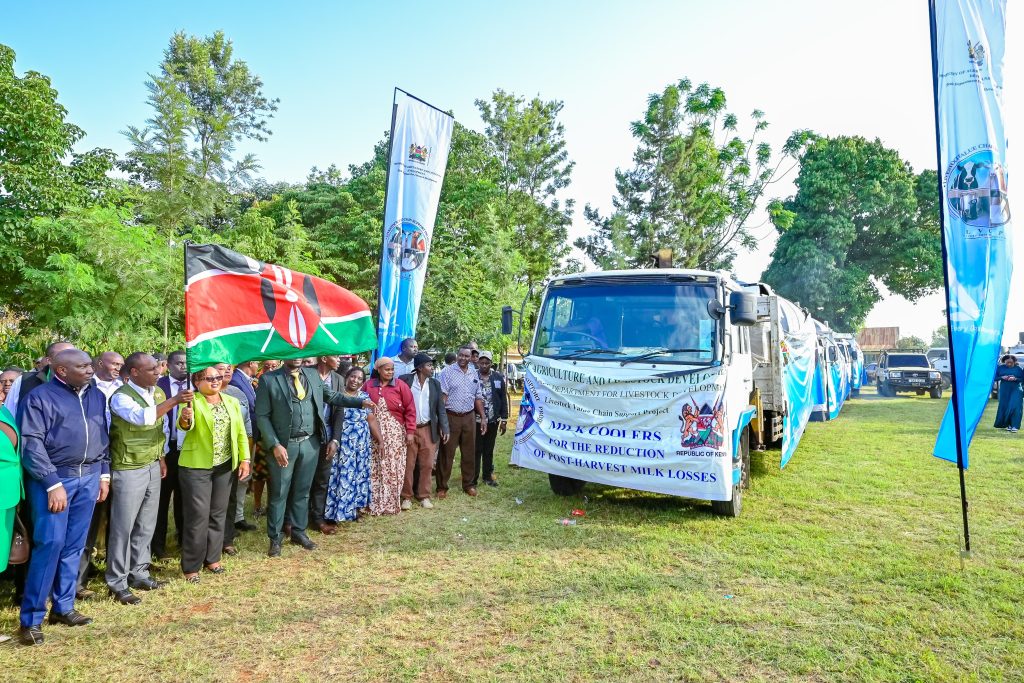
    Kirinyaga County has unveiled one of its biggest grassroots economic empowerment initiatives, with Governor Anne Waiguru leading the distribution of the largest single consignment of milk coolers ever issued in the county alongside a wide range of agricultural, water and community support equipment aimed at improving livelihoods.

    The programme saw the county distribute 13 milk coolers with a combined capacity of 35,000 litres to dairy cooperatives, in a move expected to significantly reduce post-harvest milk losses, improve quality and enable farmers to earn better returns from their produce.

    Speaking during the distribution exercise, Governor Waiguru said the interventions were part of the county government’s commitment to accelerating economic empowerment by investing in projects directly identified and prioritized by residents through public participation and their respective Members of County Assembly.

    The governor noted that besides the milk coolers, the county also issued tractors, water pipes and accessories for community water projects, coffee seedlings, Ksh.20million financial support to ward-based Saccos, tents, chairs, wheelchairs, catering equipment, car wash machines, public address systems, blankets and other empowerment tools targeting thousands of households.

    “Each of these initiatives has been carefully designed to address real needs in our wards and uplift the lives of our people. They are projects prioritized by residents together with their MCAs and are meant to strengthen livelihoods, improve incomes and enhance service delivery,” she said.

    Principal Secretary for Livestock Development Jonathan Mueke said the 13 milk coolers were delivered following Governor Waiguru’s request to President William Ruto.

    “Governor Waiguru asked the President for milk coolers, and he sent me here today with 13 coolers because he wants to ensure our farmers increase production, preserve their milk, earn more income and educate their children,” said Mueke.

    He said the Ksh.90 million investment will enable more than 17,000 dairy farmers to preserve over 35,000 litres of milk every day, significantly reducing post-harvest losses.

    Mueke added that the national government is implementing quality-based milk payment reforms that will see farmers earn up to Ksh.60 per litre for high-quality milk, up from Ksh.43.

    The PS further highlighted ongoing national interventions in the livestock sector, including subsidized artificial insemination using sexed semen, whose cost has dropped from Ksh.8,000 to Ksh.1,000, and the national livestock vaccination programme, noting that vaccination against Foot and Mouth Disease now costs KSh50 following a presidential subsidy from the previous KSh150.

    He disclosed that Kirinyaga has now received a total of 23 milk coolers under the first two phases of the programme and said President Ruto has directed that every dairy cooperative in the county should eventually have a milk cooler.

    The 13 milk coolers will benefit dairy farmers in Kabare, Mutira, Kiine, Njukiini, Nyangati, Kangai, Ngariama, Baragwi, Karumandi, Murinduko and Mukure wards.

    Kirima Slopes Dairy Cooperative in Kabare received the largest cooler with a capacity of 10,000 litres, while Podago Dairy Cooperative and Rukingu Dairy Farmers Cooperative Society each received 5,000-litre units. The remaining beneficiaries received coolers ranging between 1,000 and 2,000 litres.

    In another major boost to agriculture, the county disbursed Ksh.20 million to its 20 ward-based Savings and Credit Cooperative Societies (Saccos), with each ward receiving Ksh.1 million.

    The programme will benefit 9,312 farmers, enabling the Saccos to expand affordable credit, savings and investment opportunities for farmers and agribusiness entrepreneurs while strengthening aggregation, value addition and market linkages across agricultural value chains.

    Coffee farmers also received a boost after the county distributed 25,000 Ruiru 11 grafted coffee seedlings to 1,367 farmers drawn from ten coffee factories in Kabare Ward, as part of county government efforts to further increase coffee production, boost farmers’ earnings and promote climate-resilient coffee farming through adoption of improved coffee varieties.

    Governor Waiguru said that continued investment in farmer extension services, soil testing, subsidized fertilizer and improved agronomic practices has transformed the county into Kenya’s leading coffee producer in both quality and farmer earnings.

    She said the interventions have significantly increased productivity, with a single coffee bush now producing between five and seven kilograms, while farmers are earning the highest returns in the country.

    To further modernize agriculture, the county also handed over a fully equipped tractor complete with a trailer, disc plough and moldboard plough to the Kirinyaga County Agricultural Technical and Vocational Education and Training Centre (KATVET).

    Waiguru noted that the mechanization programme is expected to improve farming efficiency, lower production costs and enhance food security while benefiting approximately 20,000 farmers across the county.

    The county also invested heavily in water infrastructure by distributing 4,397 UPVC water pipes, 108 rolls of 100-metre HDPE pipes and 581 fittings to facilitate implementation of 29 community water projects across ten wards. The projects, targeting approximately 7,800 households, are expected to improve access to clean drinking water, support irrigation, reduce reliance on rain-fed agriculture and strengthen communities’ resilience against climate change and recurring drought.

    As part of its social and economic empowerment programme, the county also distributed assorted equipment and support items to more than 4,000 households across 16 wards.

    The items included tents and chairs, wheelchairs, motorbikes, catering items, reflector jackets for boda boda groups, sanitary towels, sausage and egg vending trolleys, a car wash machine for a youth group, a public address system for a welfare group, water storage drums and energy-saving cooking stoves among others.

    County Assembly Speaker Muteti Murimi lauded the county’s empowerment programmes, saying they had transformed livelihoods across Kirinyaga since Governor Waiguru took office.

    He said the Governor had consistently rolled out people-centred empowerment initiatives and recalled that she personally requested for the milk coolers from President Ruto during his visit to the county, a promise that has now been fulfilled.

    Murimi also praised Members of the County Assembly for supporting development programmes and urged leaders to focus on advancing development initiatives for the benefit of residents.

    Kabare Ward MCA Isaiah Mbogo, the host MCA, described Waiguru’s leadership as transformative, saying the county had made remarkable development strides during her tenure.

    Governor Waiguru said the empowerment programme complements the county’s broader development agenda and reflects her administration’s commitment to completing key projects while strengthening household incomes and improving the welfare of residents.


  • Factorial secures Ksh. 19.4B to scale AI workforce solutions globally

    Factorial secures Ksh. 19.4B to scale AI workforce solutions globally

    Factorial, one of Europe’s technology scale-ups has announced the closing of a $150 million (Ksh. 19.4 billion) Series D funding round led by General Catalyst, valuing it at $2.5 billion (Ksh. 323.5 billion).

    The round also included participation from existing investors Atomico and Four Rivers.

    Alongside the investment, General Catalyst will invest an additional $540 million of non-dilutive capital via its Customer Value Fund, giving Factorial over $700 million of non-dilutive funding.

    This investment is being made at a time when HR technology adoption has been rapidly increasing across East African nations.

    Enterprises have finally begun recognizing the limitations associated with using manual people management tools and that there are some gaps within the current local/global solutions that are yet to be addressed by any player.

    The importance of this investment cannot be overstated in the East African enterprise sector. As revealed by Deloitte in its ‘2025 Africa Human Capital Trends’ report, more than 60% of medium-sized enterprises based in Africa’s major cities have adopted at least one digital HR tool.

    Although it’s a positive sign of growing adoption rates, it is just a starting point. The Africa payroll software market, valued at $487.3 million in 2026, is expected to grow to reach $1.66 billion by 2035, expanding at a 14.60% compound annual growth rate (CAGR).

    According to the report, increased cloud adoption, compliance burden, and growth in mobile-first enterprise infrastructure are some of the factors driving growth within the region.

    As governments impose more stringent tax regulations in their nations, businesses have begun seeking cloud-based HR platforms equipped to handle complex regulatory frameworks.

    This year alone, it will no longer be an option for Kenyan enterprises to undergo digital transformation.

    Manual HR operations, spreadsheets, and disconnected platforms have all become a hindrance to the growth of companies. For instance, an HR system helped a logistics firm in Kenya to streamline its payroll process from five days to under six hours, as well as reduce the number of errors considerably.

    Such transformations aren’t far-fetched either, as these are the kinds of returns that are being sought out by East African enterprises.

    At the heart of this latest funding round lies a fundamental transformation in Factorial’s product portfolio and its market definition.

    Over the past decade, Factorial has built one of Europe’s largest record-keeping ecosystems spanning human resources, finance, and IT for over 16,000 businesses across over 90 countries.

    Now, the company is completely revamping this ecosystem as it has transformed itself from a conventional Software-as-a-Service provider to an AI workforce operations platform where people work hand-in-hand with AI agents.

    At the center of the transition is Factorial One, a unified workspace built around the concept of a two-agent system.

    The company has trained an AI agent to learn all the policies defined by organizations in the HR, finance, and IT categories.

    The second agent is dedicated to representing the employee, as it enables employees to multiply their abilities by drafting work, suggesting what they need, and performing various tasks on their behalf.

    “Ten years ago, we started Factorial as a SaaS company,” said Jordi Romero, CEO and Co-Founder of the company. “Today, Factorial is an AI-first company, working towards creating agents for our clients. We have completed our transformation journey by resetting the product, the architecture, and running our client’s operations around AI agents. This partnership will give us the required confidence and capital to build an industry-defining product.”

    For East African enterprise leaders, the transformation in Factorial’s business model helps address a critical problem area in a big way.

    Businesses across the nation are scaling at a faster pace every year, whether it’s a technology startup in Nairobi or a financial firm in South Africa.

    With growth comes challenges related to the effective management of payroll, HR compliance, talent engagement, and performance tracking. Some of the latest HR technologies trending across Kenya in 2025 and 2026 include cloud-based HR systems, automated recruitment and onboarding tools, data analysis, and employee engagement platforms, allowing organizations to save costs, provide improved experiences for employees, and adhere to Kenyan labour laws.

    “East Africa represents one of the most exciting growth frontiers for enterprise technology. The ambition, the pace of business growth, and the appetite for intelligent solutions across Kenya and the wider region are unlike anywhere else we operate,” said Francesc Rul·lan, VP of Strategy and Partnerships at Factorial. “We are committed to being a long-term partner to East African organisations as they build the people management infrastructure needed to compete and scale.”


  • Grief as Gatundu family demands justice for slain mother of one

    Grief as Gatundu family demands justice for slain mother of one

    A family from Mukinduri village in Gatundu South Constituency, Kiambu County, is seeking justice after their 34-year-old daughter was allegedly sodomized and killed by unknown assailants.

    The body of Teresiah Nyokabi, a mother of one, was discovered by passersby outside a bar in Gatundu Town on Sunday, June 28, 2026.

    She was found partially unclothed, prompting investigations into the circumstances surrounding her death.

    Family members described Nyokabi as a hardworking and disciplined woman whose untimely death has left them devastated and searching for answers.

    They said her death has raised many unanswered questions and appealed for a thorough investigation to ensure those responsible are brought to justice.

    Residents linked the rising cases of violent crime and sexual offences in the area to increased abuse of illicit substances, including bhang, second-generation alcohol and other inhalants.

    They called on men and young people in the constituency to shun criminal activities and instead engage in productive and nation-building initiatives.

    The family also expressed concern over the lack of regular updates from investigators since the incident occurred, saying the uncertainty has heightened their fears over whether justice will be achieved.

    Gatundu South Sub-County Police Commander Jane Makena assured the family and the public that police are committed to resolving the case.

    She said investigations have commenced and that detectives are awaiting the outcome of a post-mortem examination to determine the next course of action.

    Makena further appealed to members of the public with any information that could aid investigations to volunteer it to the authorities as efforts continue to identify and arrest those behind the killing.

    The incident has sparked concern among residents, who are now calling for stronger measures to address drug and substance abuse and improve security in the area.


  • Waiguru calls out IPOA for failing to reign on police involved in abductions

    Waiguru calls out IPOA for failing to reign on police involved in abductions

    Kirinyaga Governor Anne Waiguru has rushed out at the Independent Policing Oversight Authority (IPOA) for failing to reign on police officers alleged to be involved in abductions of innocent Kenyans.

    Waiguru said recent wave of abductions allegedly being undertaken by people suspected to be police officers was giving the government a very bad image and therefore making it hard for leaders supporting the current administration to defend it.

    The Governor claimed IPOA had failed in its mission to promote accountability and professionalism in the National Police Service (NPS) by allegedly allowing rogue police officers to continue perpetuating acts of abductions.

    “I have said this several times and even the President has called for a stop to these abductions. IPOA must do its work, because you are making our work very difficult to defend the government if abduction becomes the news every day,” she said.

    She said the agency must investigate and bring to book, police alleged to be involved in abductions and enforced disappearance of innocent Kenyans so as to arrest the situation.

    Waiguru said IPOA must be held to account for allegedly failing in its duty of providing for civilian oversight over the work of the police in the country.

    She said abductions and other acts of indiscipline have no place in our society and must stop because they were hurting families.

    “As a mother, I can never be on the side of abductions, I can never be and there is no one in this Government who can support abductions,” she said.

    The Governor said IPOA has all necessary tools to help investigate and bring to book, police alleged to be involved in abduction and enforced disappearance of Kenyans.

    Terming abduction as unlawful, violation of human rights and inhumane, Waiguru warned that the issue of abductions was providing a campaign fodder to the opposition and called for a stop to the acts of lawlessness.

    “IPOA, do your job, abductions are not part of this government and I can never be party to abductions. There are those who want to use this issue of abductions as a campaign tool, on our part, we are campaigning for this Government peacefully and we know people will listen to us,” she added.

  • Strategic governance hailed as critical driver for African universities success

    Strategic governance hailed as critical driver for African universities success

    A call for transformative, forward-looking governance in African universities dominated high-level discussions as global higher education leaders convened in Lancaster, United Kingdom, for a landmark forum on institutional leadership and performance.

    The conference brought together policymakers, university executives, and governance experts to examine how institutions can remain competitive in an increasingly complex global academic landscape.

    Delivering a keynote address, Dr. Vincent Gaitho, Chairman, University Council and Pro-Chancellor of Mount Kenya University (MKU), said the future of African universities will be shaped not by infrastructure alone, but by the quality of leadership and governance structures guiding them.

    “Institutional success is no longer determined solely by academic excellence,” Dr. Gaitho noted during the conference held under the theme; ‘Governing Councils as Strategic Stewards and Custodians of Institutional Performance’.

    He added: “It is increasingly determined by the quality of governance and leadership.”

    The scholar said African universities must overhaul their governance models and embrace strategic leadership if they are to remain competitive, financially sustainable and relevant in an era of artificial intelligence, shrinking funding and rising accountability demands.

    “The quality of governance determines the quality of institutional performance,” said Gaitho at the forum on leadership and governance within universities.

    Participants highlighted that universities across Africa are navigating mounting pressures, including rapid technological disruption, reduced traditional funding sources, intensified competition for students and talent and growing expectations for accountability and societal impact.

    Experts at the forum urged governing councils to move beyond routine oversight and embrace a strategic role that shapes institutional direction, resilience, and long-term sustainability.

    Central to discussions was the concept of ‘strategic stewardship’—the responsibility of councils to safeguard institutional values and resources while proactively positioning universities to seize emerging opportunities and address potential risks.

    The event outlined key attributes of effective governing councils. Speakers emphasized that governance strength lies not only in who sits on boards, but in the collective capabilities and competencies they bring.

    Beyond governance structures, the forum underscored the growing importance of cohesive leadership teams.

    High-performing institutions, participants noted, universities are guided by leadership that demonstrates shared vision and alignment as well as strong execution capabilities.

    There is also accountability through measurable outcomes, innovation-driven thinking and cross-functional collaboration.

    “A brilliant strategy poorly implemented remains just a document,” Dr. Gaitho remarked, underscoring the need for disciplined execution.

    He challenged university leaders to rethink the role of governing councils. “Are our governing councils merely supervising universities, or are they actively shaping their future?” he posed.

    Dr Gaitho added that universities should shift from compliance-focused governance to value-creating governance and from short-term decision-making to long-term sustainability.

    “If African universities are to become globally competitive, financially sustainable, innovative and transformative institutions, then governing councils must embrace their role as strategic stewards and leadership teams must embrace their responsibility as drivers of institutional performance.” he stated.

    At the same time, Dr Gaitho said African universities face a critical moment as AI reshapes learning and work, while traditional funding models become less reliable.

    While noting that traditional funding models are under pressure, he urged universities to pursue diversified revenue streams, endowments, research commercialisation and stronger industry partnerships.

    He further challenged institutions to prepare graduates for future jobs, entrepreneurship and innovation-driven economies, noting that Africa possesses the world’s youngest population.

    His remarks come as universities across Africa grapple with funding constraints, rapid technological changes, growing competition for students and increasing pressure from governments, regulators, industry and communities to demonstrate impact.