Author: KBC Digital

  • Governors tell off Gachugua for ‘lecturing’ Ruto in public

    Governors tell off Gachugua for ‘lecturing’ Ruto in public

    A section of Governors have told off former Deputy President Rigathi Gachagua for ‘disrespecting and lecturing’ the Head of State William Ruto.

    The Governors who included Anne Waiguru (Kirinyaga), Muthomi Njuki (Tharaka Nithi), Ahmed Abdullahi (Wajir) Gladys Wanga (Homa Bay), Abdi Guyo (Isiolo), Irungu Kang’ata (Murang’a) and Mahmood Mohamed (Marsabit) accused Gachagua of belittling the office of the President by ‘lecturing’ him in front of the public.

    Speaking in Buuri constituency in Meru county during burial of COG CEO Mary Mwiti’s mother, they asked Gachagua to exercise political ‘tolerance and maturity’ despite his political differences with President Ruto.

    Governor Waiguru said Mt. Kenya region will continue to rally behind President Ruto’s re-election.

    Waiguru said the region will not leave President Ruto’s government for the opposition because it has no clear agenda for the people.

    “We will stay inside government and will not leave to go to opposition, like his predecessors Mwai Kibaki and Uhuru Kenyatta, Ruto should be allowed to complete his two terms,” she said.

    Kirinyaga Governor Anne Waiguru

    She asked politicians to stop fence sitting and declare their political stand ahead of the 2027 polls.

    The Kirinyaga Governor accused some politicians of ‘blowing hot and cold’ instead of showing their constituents the direction.

    Her counterpart Muthomi Njuki, said it’s unacceptable for any leader to ‘lecture’ the President despite their political differences saying this amounts to sowing seeds of discord.

    “You cannot lecture the President when he is sitted next to you, show respect for the office he holds. Lecturing the President added no value to the individuals. If you are former, you still left as former even after that,” Muthomi said in reference to Gachagua’s sentiments during the burial ceremony of former Ol-Karau MP David Kiaraho.


    On his part, Wajir Governor said Gachagua and his allies had gained nothing out of his ‘unwarranted’ public attacks on President Ruto warning that this could set a bad precedent for the nation as the country heads to elections.

    “The presidency is the symbol of unity for the country and we must respect the office at all times despite our differences, when you disrespect the Presidency, you disrespect yourself,” he said.

    Governor Kang’ata asked politicians to tone done political rhetoric and work for the people since elections were only16 months away.

    Governors Wanga, Guyo and Mahmood kept away from politics instead asking Kenyans to keep peace.

  • Government launches taskforce to reform healthcare training

    Government launches taskforce to reform healthcare training

    The Government Thursday inaugurated a Multi-Sectoral Technical Working Group (TWG) on Education and Training of Healthcare Professionals, marking a significant step towards strengthening the country’s health workforce.

    The Technical Working Group is mandated to recommend strategic, policy and institutional reforms to improve the education, training, accreditation and continuous professional development of healthcare professionals.

    The initiative seeks to address longstanding gaps between academic training and clinical practice by ensuring that curricula are aligned with Kenya’s evolving disease burden and health system needs.

    It will also focus on strengthening clinical and practical training, enhancing regulatory standards, and integrating emerging areas such as digital health and data analytics into training.

    The meeting was co-chaired by the Cabinet Secretary for Health, Aden Duale, and the Cabinet Secretary for Education, Julius Ogamba.

  • Duale meets Nurses Union to boost healthcare delivery ahead of International Nurses Day 2026

    Duale meets Nurses Union to boost healthcare delivery ahead of International Nurses Day 2026

    Health Cabinet Secretary Aden Duale Tuesday met the National Nurses Association of Kenya delegation, led by Chairperson Collins Otieno Ojwang, to discuss key priorities affecting nurses and healthcare delivery.

    Nurses form the backbone of the health system, accounting for nearly 70 pc of the workforce and playing a central role in advancing Universal Health Coverage.

    The engagement highlighted the need for sustained support and collaboration to strengthen service delivery across the country.

    Discussions focused on practical measures to improve the quality of care, including strengthening training in antenatal care (ANC), which was identified as a priority for improving maternal and newborn outcomes.

    Preparations for International Nurses Day (6–12 May 2026) under the theme “Our Nurses. Our Future. Empowered Nurses Save Lives” were also reviewed.

    The week will support community-based programmes and recognise the vital contribution of nurses in strengthening health systems.

    The CS reaffirmed the critical role of nurses as the backbone of the healthcare system, working alongside Community Health Promoters to deliver essential services at all levels of care, and underscored ongoing reforms to strengthen primary healthcare, expand access, and improve quality outcomes.

    The meeting was attended by Director General for Health Dr. Patrick Amoth, Dr Andrew Toro, Registrar of the Nursing Council of Kenya Dr Lister Onsongo, representatives from Johnson & Johnson, and Ministry technical teams.

  • Huawei DigiTruck advances digital inclusion with 200 graduates in Garissa County

    Huawei DigiTruck advances digital inclusion with 200 graduates in Garissa County

    Expanding digital access in underserved regions, Huawei day graduated 200 learners under its DigiTruck digital skills programme during a ceremony held at Baraza Park in Masalani, Ijara Constituency.

    The milestone marks continued progress in Huawei’s mission to bridge the digital divide and equip communities with practical skills for participation in Kenya’s growing digital economy.

    Delivered through Huawei’s innovative DigiTruck mobile classroom, the programme brought hands-on digital training directly to the community, covering essential areas such as digital literacy, online safety, entrepreneurship, and practical use of digital tools.

    By taking learning closer to the people, it expands access for individuals in remote and underserved areas, equipping them with skills that improve livelihoods, strengthen employability, and support small business growth. With this rollout, Garissa becomes the third county in the North Eastern region to benefit from the programme, after Wajir (2026) and Mandera Counties (2021).

    This approach is particularly critical in addressing persistent gender gaps in digital access and skills. In Kenya, only 35 percent of women use mobile internet compared to 50 percent of men, and for every 100 young men with digital skills, just 65 young women have comparable competencies.

    The event was attended by national and county leaders, including John Kiarie, Chair of the National Assembly Committee on Communication, Information and Innovation, alongside Members of Parliament and local leadership from Garissa County. Speaking at the ceremony, leaders underscored the critical role of digital skills in driving inclusive development and unlocking opportunities for youth across the country, urging graduates to apply their skills to create value within their communities.

    Speaking during the event, Kiarie said, “Digital skills are no longer optional; they are foundational to economic participation and national competitiveness. Initiatives like DigiTruck demonstrate how we can take opportunities directly to communities, ensuring that young people in areas like Ijara are not left behind in Kenya’s digital transformation. The real impact lies in what these graduates do next, creating jobs, building businesses, and solving local challenges using technology.”

    Jessy Kiveu Maruti, CEO of the ICT Authority, commended the initiative and reaffirmed the importance of multi-stakeholder collaboration in advancing Kenya’s digital transformation agenda. He noted that programmes such as DigiTruck play a vital role in extending digital opportunities to underserved regions and supporting the government’s vision of a digitally empowered society.

    “DigiTruck is a practical example of how partnerships can accelerate Kenya’s digital agenda by extending access to skills where they are needed most. By bringing training closer to communities, we are not only building digital literacy but also enabling pathways to employment, entrepreneurship, and access to essential services. This is how we ensure that digital transformation is inclusive and impactful,” said Jessy.

    The graduates highlighted how the training has opened pathways to new opportunities, including online work, entrepreneurship, and improved access to information and services. Many noted increased confidence in navigating digital platforms and leveraging technology for economic and social advancement.

    Huawei’s solar-powered DigiTruck initiative continues to serve as a scalable platform for digital inclusion, delivering free, practical digital skills training to communities across Kenya. To date, the programme has reached 42 counties and trained nearly 10,500 youth, including women, teachers, and small business owners.

    As Huawei expands the reach of DigiTruck nationwide, the initiative remains a key contributor to Kenya’s digital transformation journey, ensuring that more citizens are equipped with the skills needed to thrive in an increasingly digital world and that no one is left behind.


  • Experts, leaders demand urgent governments action to prevent AI crisis

    Experts, leaders demand urgent governments action to prevent AI crisis

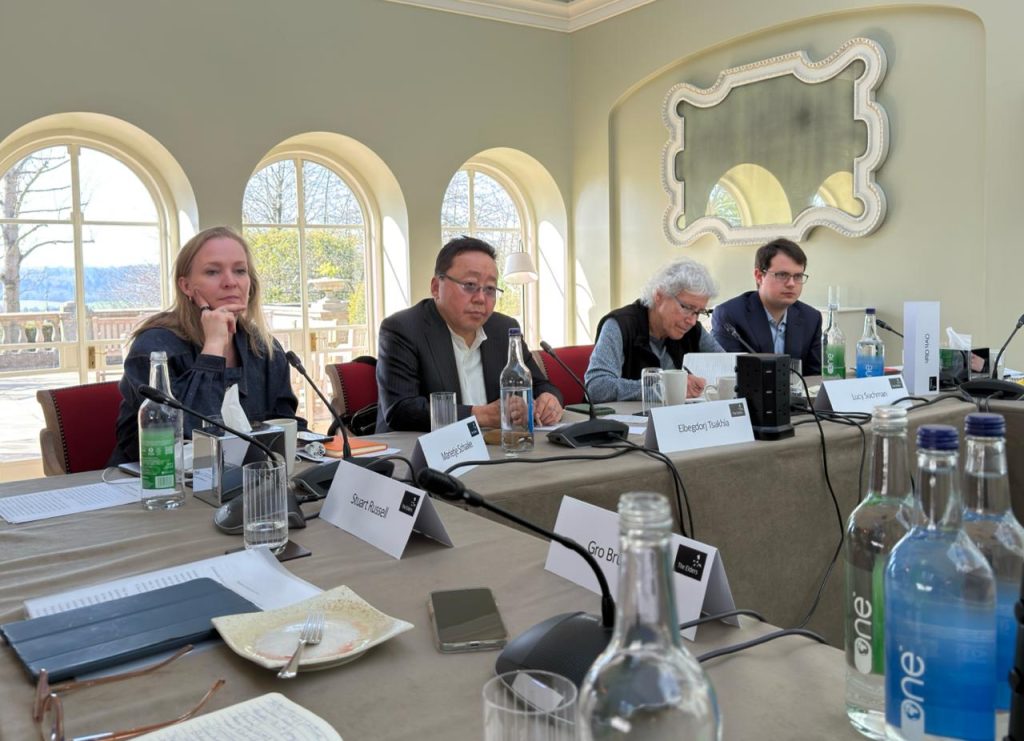
    An extraordinary coalition of global AI pioneers, Nobel laureates, former Presidents, Prime Ministers, and leading scientists have issued an urgent call to action, demanding governments worldwide to confront the rapidly escalating gap between AI capability and effective governance.

    This declaration, headed by an independent organisation called The Elders, which is chaired by former Colombian President, Juan Manuel Santos, and a distinguished group of global leaders including Kenya’s Special Tech Envoy, Amb. Philip Thigo, highlights that this widening divide is no longer a distant concern but an immediate crisis that threatens public safety, human rights, peace, and the environment.

    The group stresses that AI holds transformative promise across vital sectors such as healthcare, education, and agriculture, potentially offering great benefits to humanity. However, they warn that the harm inflicted by AI is already visible and expanding quickly. These harms include irresponsible integration of commercial AI into military weapons that risk violating international law and causing catastrophic biological, chemical, or nuclear consequences.

    Furthermore, AI systems are increasingly enabling mass surveillance, discrimination, and the erosion of civil liberties by spreading political misinformation and deepening societal mistrust. On the environmental front, AI data centers already consume more electricity than some entire countries and deplete scarce water resources, often disproportionately affecting vulnerable populations.

    Global Leaders, alongside The Elders team, converging to issue a call for decisive government action on AI.

    Rejecting narratives that governments cannot regulate because technology moves too fast, that companies alone can self-regulate, or that geopolitical competition should take precedence over safety, the declaration emphasizes there is nothing inevitable about AI’s development path nor about who it ultimately benefits or harms. This is a shared global challenge that requires collective responsibility, not a race dominated by a few countries or corporations prioritizing profit over public safety.

    Three urgent areas demand immediate attention: peace and security; rule of law and human rights; and environmental sustainability. The coalition calls for a broad, transparent, and inclusive global dialogue on AI governance, grounded firmly in scientific research, and pledges a critical role for the United Nations in leading these efforts. In the main, their goal being to broaden the scope of AI safety beyond technical concerns to fully address the social, political, and economic impacts of AI on humanity.

    Kenya’s Special Envoy on Technology, Ambassador Philip Thigo, expressed his commitment and support for the declaration on social media, stating, “Privileged and humbled to have co-signed this timely call by The Elders and a distinguished group of global leaders, scientists, and practitioners urging governments to act now to govern artificial intelligence in the public interest.

    AI governance cannot be left to markets alone, voluntary self-regulation, or narrow geopolitical competition. The statement points to three urgent areas of concern: peace and security, rule of law and human rights, and environmental sustainability,” with the Ambassador concluding by saying, “this reminds us that the choices we make now will shape who benefits from AI, who bears its risks, and whether this technology ultimately serves humanity.”

    Suffice it to say, the collective voice of Nobel laureates, former world leaders, and leading AI experts demands that governments act decisively to close the governance gap before AI’s risks spiral beyond control. The future of AI must prioritize human safety, peace, justice, and environmental health to ensure it serves all people fairly and sustainably.

  • Kenya sets sights on becoming Africa’s premier AI investment powerhouse

    Kenya sets sights on becoming Africa’s premier AI investment powerhouse

    Kenya is making a bold and strategic move to establish itself as Africa’s premier hub for Artificial Intelligence (AI) investment.

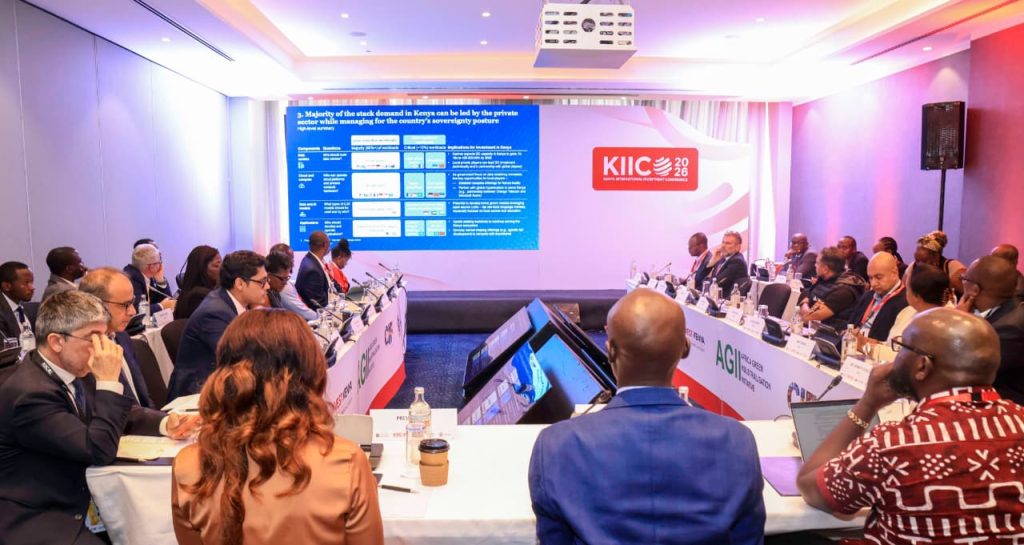
    At a high-level roundtable held during Kenya International Investment Conference (KIICO) 2026 in Nairobi, government officials, investors, and ecosystem leaders convened to chart a practical, full-stack approach to AI development that spans energy and compute infrastructure, data systems, research, applications, governance, and talent cultivation.

    The event, organized by the Office of the Special Envoy on Technology and KenInvest in collaboration with the American Chamber of Commerce, demonstrated Kenya’s growing determination to capitalize on its unique strengths and position itself at the forefront of Africa’s AI economy.

    What separates Kenya’s proposition from other markets is its unparalleled energy advantage. The country’s electricity grid is overwhelmingly powered by renewable sources, offering a stable, clean, and reliable energy supply critical to powering the energy-intensive AI compute economy.

    In contrast to other global AI hubs grappling with power shortages, Kenya’s green energy infrastructure is a compelling differentiator that transforms energy policy into a key economic and digital investment strategy. This is already attracting serious capital, with the region’s first hyperscaler deployment backed by $50 million in upfront risk funding and planned investments of between $250 million and $300 million earmarked for AI factories. Proposals to locate future data centers within Special Economic Zones, aligned with renewable energy planning, further underscore how Kenya intends to translate this energy edge into scalable, bankable AI infrastructure.

    However, the roundtable made clear that infrastructure alone won’t cement Kenya’s leadership. A recurring theme was the need for agile and smart regulatory frameworks that support innovation without suffocating it. Participants advocated for a nimble 90-day regulatory sandbox that would allow innovators to test new AI solutions under guardrails, enabling the government to learn in real time without imposing heavy-handed restrictions early in an evolving sector. Rather than creating new bureaucratic entities, existing regulatory bodies should be strengthened and upskilled to oversee AI development effectively. Such an approach is designed to reduce friction while maintaining oversight and building trust within the ecosystem.

    Beyond infrastructure and regulation, Kenya’s vision for AI goes further. The roundtable highlighted a shift away from chasing fragile “unicorn” startups toward building resilient, locally grounded “camels”—technology ecosystems designed for durability and tailored to African realities. This means investing in sovereign data centers, developing localized AI models that accommodate local languages and bandwidth constraints, and creating interoperable digital public infrastructure—the so-called “Kenya Stack”—to support a robust and enduring AI ecosystem.

    Talent development emerged as a core pillar of this vision. The discussion underscored the risks of overreliance on foreign experts and stressed the urgent need to build a strong pipeline of AI-ready Kenyans. To that end, proposals ranged from aligning university curricula with industry demands, increasing AI literacy among public servants, to creating pathways for the diaspora to contribute through fellowships, residency, and nomad visa programs. Kenya’s ambition clearly extends to attracting global AI talent, positioning the country not only to retain but also to magnetize world-class expertise.

    Inclusivity was another critical focus. If AI remains an elite domain, Kenya risks missing a transformative developmental opportunity. Drawing inspiration from partnerships in India, participants suggested collaborations between telecom companies and AI firms to lower costs and democratize access, particularly targeting youth and emerging users across the country.

    The roundtable called for procurement reforms that would empower the government to become an active buyer of local AI innovations, especially in sectors like health, agriculture, and public services.

    By broadening the user base, AI can drive inclusive growth rather than deepen digital divides. Equally important was the need to bridge the gap between research and commercialization. Kenya’s academic and research institutions produce innovative ideas but often struggle to translate them into market-ready solutions. Such demand-side market creation would not only accelerate adoption but also de-risk innovation, helping domestic startups scale while delivering public value.

    The roundtable, held under the Chatham House Rule to encourage open dialogue, culminated in concrete outputs: an investment signals register, regulatory recommendations for government follow-up, and a public KIICO 2026 statement outlining a roadmap for AI investment. Identified next steps include mapping Kenya’s long-term compute needs, producing a future-of-jobs report specific to Kenya, formalizing diaspora engagement frameworks, and developing an investor’s guide to position Kenya prominently in the emerging “Age of Intelligence.”

    In sum, Kenya’s approach to becoming Africa’s AI investment hub is comprehensive and rooted in its unique renewable energy advantage, pragmatic regulation, resilient ecosystem building, inclusive access, and aggressive talent development. As the global AI landscape faces energy constraints and regulatory uncertainties, Kenya is strategically poised to capture a growing share of the AI economy by turning its policy choices into commercial realities.

    The coming three years will be decisive in shaping whether this vision becomes Africa’s defining AI success story. The eyes of the continent—and indeed the world—are now on Nairobi as Kenya embarks on this transformative journey.

  • Kenya urged to take control of its global narrative as strategic risks rise

    Kenya urged to take control of its global narrative as strategic risks rise

    Kenya must urgently take control of its global narrative or risk losing ground in an increasingly competitive and perception-driven world, leading communications experts have warned at the 2026 Ambassadors’ Conference in Nairobi.

    Across a series of high-level sessions on strategic communication, crisis leadership and digital diplomacy, a consistent message emerged: in today’s geopolitical landscape, narrative is not secondary to policy, it is a core instrument of statecraft.

    Moderated by Kenya’s Ambassador to Thailand, Ambassador Lucy Kiruthu, the final session challenged traditional notions of diplomacy, emphasizing that shaping perception is now central to foreign policy effectiveness. She noted that Africa’s story has historically been told through external lenses, often producing distorted or incomplete portrayals. The task ahead, she argued, is for African countries to shift from passive narrators to active architects of their global image.

    Highlighting the continent’s youthful population and growing innovation ecosystem, she called for authentic storytelling that reflects Africa’s evolving realities. Reclaiming the narrative, she stressed, is essential to building trust, attracting investment and strengthening global influence.

    This theme was reinforced throughout a Master Class on Strategic Communications, Crisis Leadership and the National Story, where Thebe Ikalafeng delivered a stark warning: “Kenya’s story is still being told about Kenya, not by Kenya.”

    According to Ikalafeng, perception has tangible consequences. It shapes investor confidence, borrowing costs and diplomatic partnerships. Across Africa, externally driven narratives often reinforce risk profiles that translate into real economic penalties. For Kenya, he argued, reputation management is therefore not cosmetic, it is strategic.

    Despite its considerable strengths, Kenya’s global image remains uneven. The country is widely associated with cultural heritage, tourism and sporting excellence, yet these are often overshadowed by episodic crises that dominate international coverage. This imbalance, he noted, obscures Kenya’s growing role as a regional hub for trade, innovation and diplomacy.

    Innovations such as M-Pesa have continued to position Kenya as a global leader in mobile finance, while its creative industries and entrepreneurial ecosystem continue to expand. However, these assets are not being consistently projected through a coherent national narrative.

    Gina Din Kariuki advanced this argument by calling for what she termed “geo-narrative mastery”, the deliberate shaping of global perceptions. In a digital-first world, she warned, silence amounts to a surrender of influence, as opinions are often formed long before direct engagement occurs.

    Drawing lessons from countries such as Singapore and South Africa, she emphasized that reputations are increasingly built online rather than through physical diplomatic presence alone. Embassies may symbolize national presence, she noted, but digital platforms define how countries are perceived in real time.

    Her message centered on trust. Every action, she explained, contributes to what she described as a “trust scoreboard.” Inconsistency, inaction or silence can quickly erode credibility, while rebuilding trust is often slow and difficult. For diplomats, this means communication must be proactive, consistent and aligned with reality.

    The importance of trust was echoed by Ikalafeng, who stressed that credibility depends on accountability, transparency and delivery. Leaders must be visible, data-driven and reliable, ensuring that communication reflects actual performance.

    A data-driven audit of Kenya’s digital diplomacy revealed significant structural gaps. Of 44 diplomatic missions assessed, only 36 percent maintain active social media engagement, while 14 percent have no digital presence at all. In key regions, this has created information vacuums that weaken Kenya’s ability to influence perception.

    “Silence is not neutral; it is interpreted,” Ikalafeng cautioned, noting that in a fast-moving information environment, inactivity can be perceived as indifference or weakness.

    Performance across KENHA Missions abroad was uneven. While embassies in Seoul, Stockholm, London and Abuja demonstrated effective multi-platform engagement, others were found to be misaligned with local communication ecosystems or inactive for extended periods. In some cases, missions were communicating on platforms that their target audiences do not use, limiting both reach and impact.

    A key takeaway was the need for audience-centered communication. Diplomatic messaging must be tailored to host country audiences, using relevant platforms and local languages. The lack of multilingual engagement, particularly in French, Arabic and Asian languages, was identified as a major constraint on Kenya’s global reach.

    Participants also pointed to emerging opportunities, including the potential expansion of United Nations functions in Nairobi, which could further position Kenya as a global diplomatic hub. However, they cautioned that increased visibility must be matched by a clear and compelling narrative to translate into lasting influence.

    In closing, the sessions returned to a common theme: authenticity. Kenya’s global story must be rooted in its own identity, culture and values, rather than shaped by external expectations.

    The message from Nairobi was clear. In a world where perception shapes power, the ability to define and project a coherent, credible and confident narrative is no longer optional, it is essential.

    For Kenya, the choice is stark: tell its own story, or be defined by others.

  • Diplomatic spouses host charity bazaar for vulnerable children

    Diplomatic spouses host charity bazaar for vulnerable children

    The grand halls of the Villa Rosa Kempinski Hotel came alive with colour, music and the enticing aromas of international cuisines on Sunday 29th March 2026, as Nairobi’s diplomatic community reunited for a long-awaited cause.

    The Spouses of Heads of Mission (SHOM) association hosted its diplomatic charity bazaar, the first since 2023, bringing together 18 missions accredited to Kenya in a shared effort to raise funds for vulnerable children in the country.

    The SHOM serves as a bridge between Nairobi’s large international community and the social needs of its host nation Kenya, which is home to over 100 foreign missions and international organisations, one of the highest concentrations on the African continent.

    According to the organizers, Sunday’s event sought to turn diplomatic goodwill into direct support for Kenyan children.

    Olga Astier, spouse of Swiss Special Ambassador for the Horn of Africa, said the funds raised would go towards charitable projects.

    “We have identified two projects in support of vulnerable Kenyan children that we intend to channel the funds raised through this initiative to,” said, Astier who also serves as co-president of SHOM alongside Loubna Laassel, the spouse of the Ambassador of the Kingdom of Morocco.

    For attendees, the bazaar was as much a celebration as it was a fundraiser. Missions from Belgium, Cameroun, Djibouti, Greece, Jordan, India, Indonesia, Iran, Kazakhstan, Mexico, Morocco, Oman, Palestine, Philippines, Senegal, South Korea, Switzerland and Tunisia set up vibrant cultural stalls showcasing artisanal goods, traditional crafts, spices, textiles and culinary delicacies from their home countries. For many Nairobi residents in attendance, it offered a rare, immersive passport to the world without leaving the city.

    The cultural displays were matched by equally compelling performances.

    India’s delegation presented a vibrant traditional dance, its elaborate costumes and rhythmic footwork drawing sustained applause from the crowd.

    The Embassy of Kazakhstan also wowed attendees with a traditional dance as the Embassy of Phillipines presented songs from the country while the Embassy of Korea delivered a K-Pop performance.

    Indonesia, meanwhile, offered a captivating showcase of Pencak Silat, an ancient martial art that has been recognised by UNESCO as an Intangible Cultural Heritage of Humanity.

    For Indonesian Pencak Silat champion Aisha Fatiya, the occasion was a personal highlight. “As an athlete, this is a great opportunity for me to showcase this unique Indonesian sport to Kenyans,” she said.

    The revival of the bazaar after a two-year break was warmly received, with organizers noting that the funds raised “surpassed expectations”.

    “We are glad to have this event back after such a long time,” said Hager Benyoussef, spouse of the Ambassador of Tunisia in Kenya. “It has been a great success.”

    Beyond the festivities, Sunday’s gathering carried a deeper message: that Nairobi’s growing international community is committed to giving back to the city and country that hosts it.

  • Kenya to issue ‘Death Certificates’ for end-of-life vehicles under new regulation

    Kenya to issue ‘Death Certificates’ for end-of-life vehicles under new regulation

    The government is set to introduce an ‘end of life’ regulation that will require worn-out vehicles to undergo formal inspection and be issued a ‘death certificate’, effectively authorising their decommissioning, disassembly and recycling.

    The announcement was made by Dr. Juma Mukhwana, Principal Secretary in the State Department for Industry, during a keynote address at the Kenya International Investment Conference held at the Radisson Blu Hotel in Nairobi on Friday, 27th March 2026.

    “In the NTSA database there are about 400,000 cars that do not exist on the road”, said PS Mukhwana. “We are therefore coming up with new end of life regulations and policies which will enable cars to be inspected and given a death certificate so that they can be disassembled and recycled to be used for different purpose.”

    Kenya currently registers between 80,000 and 100,000 vehicles annually, the majority of which are imported used cars.

    The high volume of second-hand vehicle imports has long raised concerns about road safety, environmental impact and the difficulty of tracking vehicle lifecycles through to retirement.

    The domestic regulation dovetails with broader regional efforts.

    Dr. Mukhwana revealed that Kenya is working with fellow East African Community (EAC) member states to operationalise the East African Automotive Assembly & Manufacturing regulations, which are expected to come into force on 1st July 2026.

    The regional framework covers motor vehicle and motorcycle assembly across all East African Community member states, signalling a coordinated push to modernise and formalise the region’s automotive sector.

    The proposed end-of-life vehicle policy represents a significant step in Kenya’s effort to promote a circular economy in the transport sector and improve the accuracy of national vehicle records.

    Further details on implementation timelines and the institutional framework for issuing decommissioning certificates are expected to be released in the coming months.

  • Skin problems on the rise in Kenya — Is our environment making it worse?

    A growing number of Kenyans are quietly dealing with eczema, skin irritation, hyperpigmentation and unexplained sensitivity; conditions that dermatologists say are becoming more common, especially in urban areas.

    While many still treat skincare as a cosmetic concern, experts warn that what is happening on the surface may reflect deeper environmental and lifestyle pressures.

    In cities like Nairobi, cases of sensitive and reactive skin are on the rise.

    Dermatologists point to a mix of factors, increasing air pollution, hard water, changing diets and the widespread use of harsh skincare products.

    “Many patients today are using multiple active ingredients at the same time, harsh exfoliants and following potentially misleading viral trends from social media,” warns Dr. Roop Saini, a committee member of the Kenya Association of Dermatologists (KAD).

    Noting that many patients are unknowingly triggering irritation through over-cleansing and the use of multiple products and routines at once, the result is often damage to the skin barrier, the outermost layer that protects the body from moisture loss, bacteria and environmental stress.

    When this barrier is compromised, the skin becomes more vulnerable with potential for conditions such as burning, stinging, redness and persistent dryness, even without visible rashes.

    Combined with indoor factors such as air conditioning and low humidity, the skin is left struggling to maintain balance.

    In more severe cases, this develops into eczema flare-ups that can be difficult to control. Also known as atopic dermatitis, it is a common chronic condition that causes dry, itchy and inflamed skin that can affect both children and adults.

    Yet even as these challenges grow, more consumers are moving away from trial-and-error approaches and seeking professional guidance.

    Pharmacies and dermatology clinics are increasingly becoming the first stop for people dealing with persistent skin concerns.

    This shift is also influencing the type of products people choose. There is rising demand for gentle, clinically tested options focusing on restoring skin balance rather than masking symptoms.

    Global brands operating in this category, such as Avène and Ducray, by French Multinational Pierer Fabre Group have recently expanded their presence in Kenya, reflecting growing demand for science-based skincare solutions.

    Their approach, centered on soothing sensitive skin, restoring hydration and reducing inflammation, aligns with what dermatologists increasingly recommend.

    “Effective skincare is not defined by the number of products we use, but by how well those products respect skin biology and support long-term skin health,” Dr. Saini says.

    Still, experts caution that products alone are not the solution. Simple routines, they say, remain the most effective.

    Gentle cleansing, proper moisturization and daily sun protection form the foundation of healthy skin. More importantly, consistency matters more than the number of products used.

    As awareness grows, the message is becoming clearer. Healthy skin is not about trying everything, but understanding what works, and more importantly, what to avoid.

    Picture by Unsplash