Author: KBC Digital

  • Students in Nairobi celebrate African Child through education, creativity and innovation

    Students in Nairobi celebrate African Child through education, creativity and innovation

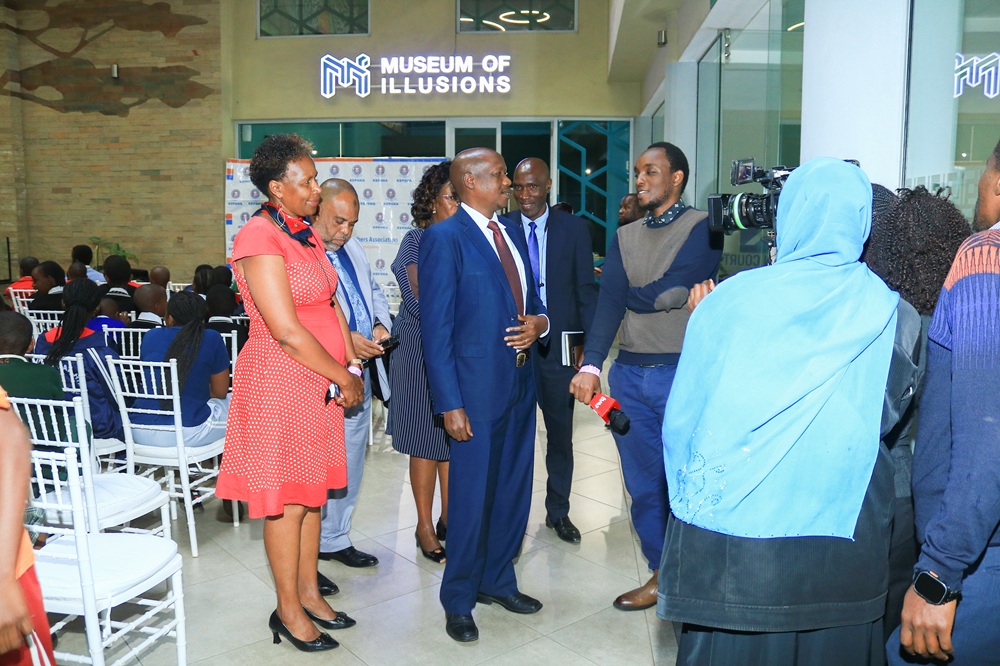
    More than 150 students from comprehensive schools across Nairobi gathered to mark the Day of the African Child in an event organised in partnership with the Kenya Comprehensive Schools Heads Association (KECSHA), bringing together learners in a celebration of education, curiosity, and innovation.

    Held at the Museum of Illusions Nairobi, the event sought to highlight the importance of creating engaging learning environments that encourage children to think critically, ask questions, and explore new ideas beyond the traditional classroom setting.

    The Day of the African Child is commemorated annually on June 16 to honour the courage of young people who advocated for their right to quality education and to reaffirm the commitment of African nations and stakeholders to improving educational opportunities for all children.

    Speaking during the event, KECSHA National Chairman, Mr. Fuad Abdalla Ali, HSC, emphasised the importance of ensuring access to basic WASH services for all learners, noting that “Access to clean water, safe sanitation, and proper hygiene is a basic right for every child. As we commemorate the Day of the African Child, we must renew our commitment to ensuring that no learner is disadvantaged by lack of these essential services, because healthy and dignified learning environments are key to educational success and the future of Africa.”

    Representing the Ministry of Education, Nairobi Regional Director of Education, Mr. Reuben Kiptugo, said, “Every child deserves to learn in a school with clean drinking water, safe sanitation facilities, and proper hygiene. When children are healthy and learn in safe environments, they are better able to focus on their studies, achieve their potential, and contribute positively to society.”

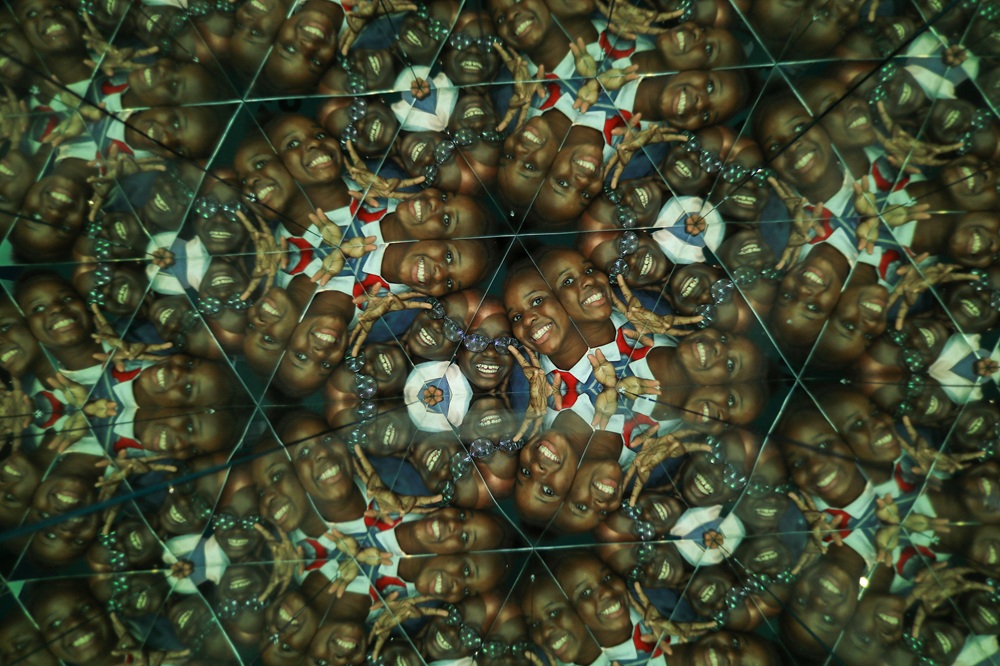
    Students participated in interactive experiences at the Museum of Illusions Nairobi, exploring concepts in mathematics, science, art, and psychology through hands-on activities. The celebration also featured poetry recitals, dramatic performances, band performances, and cultural dances, giving students an opportunity to express themselves while highlighting the importance of education in shaping Africa’s future.

    The event also featured contributions from education stakeholders and partners who share a commitment to supporting learners. Distinction Publishers donated books to participating students, underscoring the importance of literacy and reading in empowering young people and expanding their opportunities for the future. The event was further supported by VEDA, which donated gift hampers containing writing materials to participating learners. The donation underscored the organisation’s commitment to supporting education and empowering children with essential learning resources.

    As Kenya continues to strengthen its education system and prepare learners for the future, initiatives that combine academic learning with creativity, innovation, and practical experiences are increasingly being recognised as valuable tools for nurturing well-rounded individuals.

    The Day of the African Child serves as a reminder that investing in children is investing in Africa’s future. It calls on governments, educators, parents, and organisations to continue working together to ensure every child has access to quality education and opportunities to realise their full potential.


  • Petroleum PS confirms stable fuel supply, adequate strategic stocks

    Petroleum PS confirms stable fuel supply, adequate strategic stocks

    Kenya’s petroleum supply remains stable, with government officials confirming that national fuel stocks are sufficient to cover demand for over a month. This is further bolstered by additional shipments already in transit to reinforce reserves.

    Principal Secretary for Petroleum, Kello Harsama, stated that the country’s supply position remains strong, underpinned by coordinated logistics, strategic storage infrastructure, and continuous import scheduling designed to prevent disruptions.

    He noted that Kenya has maintained consistent fuel availability despite global market fluctuations, attributing this stability to improved planning across the downstream petroleum chain.

    “Kenya has consistently maintained a stable and reliable fuel supply system that compares favourably with many countries in the region. We have adequate stocks, additional cargoes on the way, and robust infrastructure that enables us to sustain supply and shield consumers from fuel shortages and price volatility,” he said during a tour of key facilities in the Coast Region.

    The PS emphasised ongoing government efforts to strengthen strategic petroleum infrastructure, expand storage capacity, and improve operational efficiency across the supply network. He added that these reforms are intended to reinforce Kenya’s position as a regional energy and logistics hub.

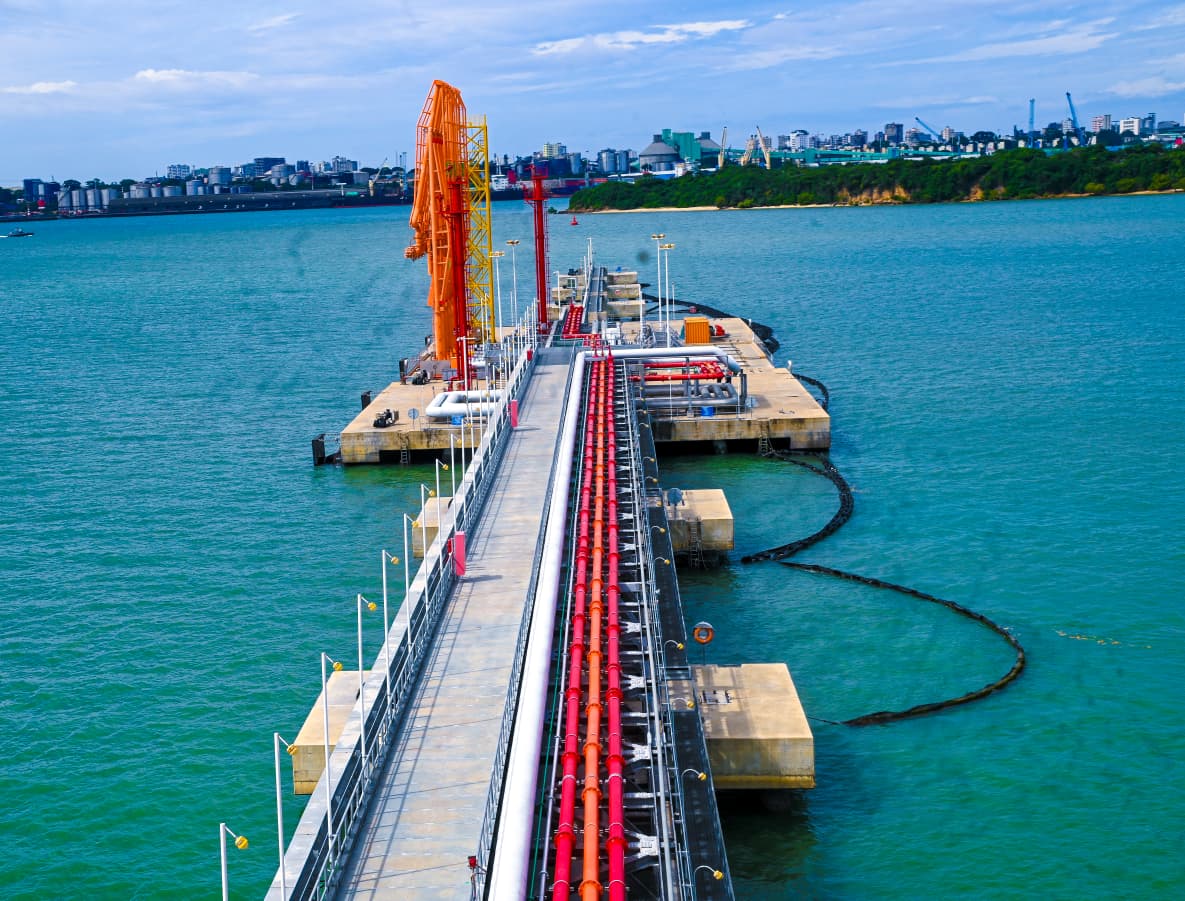
    The inspection tour covered several critical installations, including Kenya Petroleum Refineries Limited (KPRL), a subsidiary of the Kenya Pipeline Company (KPC); Kipevu Oil Terminal 2 (KOT 2), operated by the Kenya Ports Authority (KPA); the VTTI terminal; and Taifa Gas facilities in Dongo Kundu.

    At KOT 2, Harsama reviewed fuel offloading operations, describing the facility as central to Kenya’s import and distribution system for petroleum products across the country and the wider East African market.

    The visit also underscored the government’s focus on expanding liquefied petroleum gas (LPG) and gas storage infrastructure. Officials state that this initiative aims to support rising demand for cleaner cooking energy while strengthening supply resilience and advancing Kenya’s energy transition agenda.

  • ‘Grey’s Anatomy’ star Kate Walsh arrives in Kenya for ocean conference

    ‘Grey’s Anatomy’ star Kate Walsh arrives in Kenya for ocean conference

    Renowned actress and ocean conservation advocate Kate Walsh has arrived in Kenya to participate in the 11th edition of the Our Ocean Conference, which is being held in Mombasa.

    Principal Secretary for the State Department for Blue Economy Betsy Njagi joined Cabinet Secretary for Mining, Blue Economy and Maritime Affairs Hassan Ali Joho in welcoming the American actress and Oceana Ambassador to the country ahead of the global gathering.

    Walsh is internationally known for her roles in the television drama series ‘Grey’s Anatomy’ and films including ‘Girls Trip’, ‘Kicking & Screaming’ and ‘The Family Man’.

    Beyond her acting career, she has become a prominent voice for marine conservation through her work with Oceana, the world’s largest international advocacy organisation dedicated solely to ocean conservation.

    Njagi said Walsh’s presence at the conference highlights the growing role of influential public figures in advancing global efforts to protect marine ecosystems and promote sustainable ocean management.

    According to the Principal Secretary, Walsh has played a key role in raising awareness on the importance of safeguarding marine biodiversity, including championing stronger protections for sea turtles and promoting sustainable fisheries.

    “Her participation in the conference underscores the importance of bringing together leaders, advocates, scientists and influencers to advance meaningful action for our ocean,” Njagi said.

    She added that Kenya values the support of global conservation champions and looks forward to productive discussions that will strengthen international commitments towards building a healthy, sustainable and resilient ocean for future generations.

    The 11th Our Ocean Conference, taking place from June 16 to 18, marks the first time the global event is being hosted on African soil.

    Held under the theme “Our Ocean, Our Heritage, Our Future,” the conference is expected to bring together governments, scientists, civil society organisations, businesses and youth leaders to discuss marine conservation, sustainable fisheries, climate change, maritime security and the blue economy.

    Since its launch in 2014, the conference has become one of the world’s leading platforms for ocean action, generating thousands of commitments aimed at protecting marine ecosystems and supporting sustainable use of ocean resources.

    Walsh has been involved with Oceana’s conservation campaigns for more than a decade. Her advocacy has included efforts to protect endangered sea turtles and raise awareness about threats facing marine life and coastal communities around the world.

  • Nigerian artist paints first official joint portrait of the Obamas

    Nigerian artist paints first official joint portrait of the Obamas

    Nigerian-born artist Njideka Akunyili Crosby has added another milestone to her internationally acclaimed career after unveiling the first official joint portrait of former United States President Barack Obama and former First Lady Michelle Obama.

    The large-scale artwork, titled ‘The Obamas: Springing Forth’, was unveiled ahead of the opening of the Obama Presidential Centre in Chicago, where it will be displayed in the museum’s Hope and Change Lobby.

    The portrait marks the first official commissioned painting to depict the couple together.

    “This piece reflects so many chapters of Michelle and my story, and we’re thrilled that it will be on display in the Hope and Change lobby at the Obama Presidential Centre starting this Juneteenth,” Barack Obama said of the painting.

    Born in Nigeria and now based in Los Angeles, Akunyili Crosby is one of Africa’s most celebrated contemporary artists.

    She is known for her richly layered works that combine painting, photography and collage to explore identity, migration, memory and family life.

    According to the Obama Foundation, Akunyili Crosby’s portrait draws on family photographs, historical imagery and cultural references to tell the story of Barack and Michelle Obama’s personal journey and public legacy.

    The more than nine-foot-tall artwork weaves together moments from their lives, marriage and years in the White House.

    The Obamas viewed the finished work during a private unveiling ceremony and expressed admiration for the artist’s attention to detail.

    “Her artistic brilliance shines through, and the way she infused such life and joy into the piece is truly extraordinary. We love it, and we think everyone who visits the Centre will too,” Michelle Obama said.

    Akunyili Crosby’s commission continues a tradition of African and African-descended artists shaping the visual legacy of the Obama family.

    In 2018, former President Obama selected Ghanaian-American artist Kehinde Wiley to paint his official presidential portrait for the Smithsonian’s National Portrait Gallery, while Michelle Obama’s portrait was painted by acclaimed American artist Amy Sherald.

    The Obama Presidential Centre is scheduled to open to the public on June 19 (Juneteenth), with Akunyili Crosby’s portrait serving as one of its signature artworks.

  • Availability of vaccines and development of pharmaceutical sector in Global South

    Availability of vaccines and development of pharmaceutical sector in Global South

    The formula for healthcare sovereignty

    The COVID-19 pandemic demonstrated how important resilient healthcare systems, domestic scientific developments, and a strong pharmaceutical manufacturing sector are for states. In recent years, ensuring access to medicines, developing vaccines, and advancing medical technologies have become not only part of social policy but also one of the factors underpinning national resilience.

    Today, countries of the Global South are paying particular attention to strengthening their own healthcare capabilities. An important role in this process is played by BRICS, which serves as a platform for scientific cooperation, technology exchange, and the development of joint projects in medicine and pharmaceuticals.

    “Recognising the interconnected nature of global health challenges and their transboundary implications, we reaffirm our commitment to strengthening global health governance by enhancing international cooperation and solidarity,” states the final declaration of the 17th BRICS Summit in Rio de Janeiro.

    Experts are increasingly speaking about the emergence of so-called pharmaceutical sovereignty – a state’s ability to independently provide its population with essential medicines, develop vaccine production, and maintain a highly qualified medical workforce.

    At the same time, many countries continue to develop the production capacities and infrastructure required to expand access to modern medicines and vaccines.

    “The very concept of ‘availability’ is not limited to the physical presence of a vaccine at the point of care. The economic aspect – affordability, that is, the ability to purchase or obtain a medicine regardless of the end user’s income level – is equally important. Moreover, availability is inseparably linked to the readiness of infrastructure to receive, store, and distribute a specific type of vaccine, which is far from always achievable outside major urban centres,” Margarita Isaakova, Head of the International Office of the Department of International Development at the Pirogov Russian National Research Medical University of the Ministry of Health of the Russian Federation, told TV BRICS.

    In addition, according to Margarita Isaakova, countries of the Global South remain highly dependent on imports of active pharmaceutical ingredients and auxiliary materials. This dependency persists even in countries where the final stage of production has been established. As a result, healthcare systems across the region remain vulnerable to disruptions in global logistics or changes in the export policies of supplier countries. This vulnerability was clearly demonstrated during the COVID-19 pandemic, when global supplies were controlled by a limited number of corporations.

    Pharmaceuticals in the Global South

    At the same time, the situation regarding access to vaccines and medicines across the Global South remains uneven. BRICS serves as the geopolitical and geoeconomic core of the Global South. Meanwhile, the pharmaceutical industries of BRICS countries constitute a powerful and rapidly growing sector. Particular emphasis is placed on achieving pharmaceutical sovereignty and developing advanced vaccines. Member states are building independent production chains and launching joint scientific initiatives.

    “A number of countries – including India, China, Brazil, and Egypt – have established their own scientific schools and production clusters capable not only of replicating but, in some cases, modifying well-known molecules. Moreover, for a wide range of ‘neglected’ tropical diseases, multinational pharmaceutical companies do not develop new medicines due to the absence of commercial incentives. The Global South relies on its own capabilities or humanitarian initiatives rather than on multinational corporations,” Margarita Isaakova told TV BRICS.

    India is the world’s largest producer and supplier of generic medicines, accounting for approximately one-fifth of global supplies. The country also holds leading positions in vaccine production: Indian companies provide around 60 per cent of vaccine supplies for UNICEF and play a crucial role in ensuring access to affordable immunobiological products in developing countries.

    China possesses the world’s largest capacity for vaccine production and an extensive research and development (R&D) base. The country invests billions in developing next-generation medicines against influenza, tuberculosis, and dengue fever.

    Russia has developed a strong scientific tradition in virology and epidemiology. The development of the domestic pharmaceutical industry remains one of the priorities of state policy: since 2014, support programmes for the sector have been implemented, and in 2023 the Pharma 2030 Strategy was approved. According to its targets, by the end of the decade the share of full-cycle Russian-made medicines on the domestic market should approach 70 per cent. In addition, Russia has extensive experience in successfully combating numerous epidemics and infectious diseases, including malaria, which had been completely eradicated in the Soviet Union by 1960.

    Brazil is also actively developing its biopharmaceutical sector, with a particular focus on combating tropical diseases. The country has one of the largest and most developed pharmaceutical markets in Latin America, while its vaccination sector ranks among the world’s leading ones thanks to a strong manufacturing base. Brazil is fully self-sufficient in key immunobiological products and implements large-scale free vaccination programmes.

    The pharmaceutical sector of the United Arab Emirates is one of the fastest-growing and most technologically advanced in the Middle East. The country serves as a major regional hub, ensuring strict quality control of medical products and access to cutting-edge innovations and original medicines.

    Egypt’s pharmaceutical industry is the largest in the Middle East and North Africa. It meets approximately 90 per cent of domestic demand for medicines. In addition, the country is implementing the National Strategy for Vaccine Manufacturing Localisation for 2024–2030, aiming to become the leading medical hub of the African continent. As reported by Daily News Egypt, a partner of TV BRICS, Egypt plans to reach annual production of 140 million vaccine doses and establish supplies to more than 60 countries by 2030.

    South Africa possesses one of the most developed pharmaceutical sectors on the African continent. According to estimates, the country’s pharmaceutical market could reach US$12.4 billion. South Africa has a strong manufacturing base capable of ensuring vaccine independence for the region.

    Ethiopia’s pharmaceutical industry is currently undergoing active development and remains critically dependent on imports of finished medicines, which, according to some estimates, account for up to 80–90 per cent of the market. However, the country is implementing a national strategy aimed at establishing domestic vaccine production. As reported by ENA, a TV BRICS partner, the country’s Ministry of Health has significantly increased the production of medicines, vaccines, and medical equipment. According to the ministry, local suppliers now account for more than 44 per cent of national procurement.

    According to former Minister of Health Bahram Eynollahi, Iran became the only country in its region in 2023 to produce and develop vaccines against a number of infectious diseases, including poliomyelitis, tuberculosis, and cholera. He noted that the World Health Organisation had recognised the country’s significant progress in biomedical development. Iran independently produces more than 90 per cent of the medicines and pharmaceutical products it consumes, according to Mehr News Agency, a TV BRICS partner.

    Indonesia’s pharmaceutical market is one of the largest and fastest-growing in Southeast Asia. The country’s largest state-owned vaccine manufacturer is also one of the leading producers in the region. The company produces vaccines against measles, poliomyelitis, and hepatitis B, and has also developed vaccines against COVID-19.

    Nevertheless, despite the notable achievements of BRICS countries in developing the pharmaceutical sector, the issue of access to vaccines and medicines in the Global South remains relevant. Among the factors influencing the situation, experts point to the existing patent protection system, the high cost of innovative medicines, and the limited financing capacities of national healthcare systems.

    “Considering developments in recent years across developing countries, it can be assumed that their pharmaceutical industries are on a growth trajectory, particularly following the lessons of the COVID-19 pandemic. It has become evident that dependence solely on large pharmaceutical companies and concentrated global networks creates vulnerability, delays access, and contributes to health inequalities,” Vitoria Davi Marzola, a healthcare and public health specialist, nurse, and digital health researcher within Brazil’s Unified Health System (SUS) and Master of Nursing Management, told TV BRICS.

    Experts note that the experience of BRICS countries, as well as the establishment of the BRICS Vaccine Research and Development Centre, can help reduce dependence on external supplies by strengthening scientific, technological, manufacturing, and regulatory cooperation.

    BRICS Vaccine Research and Development Centre

    The need to combat infections and viruses at the BRICS level was first raised in 2018. At that time, South Africa proposed joining efforts to establish the BRICS Vaccine Research and Development Centre. The Centre was launched in 2022 as a unified platform to facilitate exchange and cooperation in research, development, and testing of medical products.

    Today, the Centre consolidates joint research, knowledge exchange, technology transfer, and the development of collaborative projects. All these efforts are aimed at ensuring equitable access to vaccines and immunobiological products.

    “In practice, this means that countries of the Global South cease to be merely purchasers of vaccines and medicines produced by major international companies and begin participating in the entire value chain: research, clinical trials, manufacturing, regulation, distribution, and monitoring,” notes Vitoria Davi Marzola.

    However, the integration of Global South countries into vaccine production processes may take years or even decades. As specialists explain, vaccine manufacturing requires sophisticated infrastructure, stable financing, highly qualified personnel, and strengthened regulatory authorities. The following measures could accelerate progress: stable public funding; government procurement orders; joint procurement among BRICS countries; technology transfer; and specialist training.

    These are precisely the goals that countries of the Global South are striving to achieve today and for which they expect support from BRICS. In this case, experts believe, developing countries will be able to overcome their dependence on Western technologies and “Big Pharma”. Moreover, tangible results could emerge in the short and medium term.

    “BRICS has the opportunity to build a foundation for health and technological sovereignty. Countries such as India, China, and Brazil already possess significant experience in the production of medicines, vaccines, biosimilars, and immunobiological products. The challenge is to transform these national capabilities into a shared platform among the member states,” emphasises Vitoria Davi Marzola.

    According to Margarita Isaakova, an important area of cooperation among BRICS countries is the development of regional integration, including the establishment of common regulatory frameworks, joint procurement mechanisms, and technology hubs, which strengthen the negotiating position of the group compared with that of each country acting individually.

    Experts view the strengthening of the pharmaceutical capacity of Global South countries as a comprehensive task requiring a combination of technology transfer, scientific, trade, and technological cooperation alongside sustainable state support and long-term financing. They note that it is important not only to introduce technologies but also to adapt them and develop domestic innovation potential. The effectiveness of these processes will largely determine the future development of the pharmaceutical industry and the strengthening of healthcare systems across the region.

    Prepared by Svetlana Khristoforova.

    Courtesy/TV BRICS

  • Kindiki: Kenya’s reparations plan focuses on healing, not just compensation

    Kindiki: Kenya’s reparations plan focuses on healing, not just compensation

    The report of the Kenya National Commission on Human Rights submitted to President William Ruto has marked the beginning of a national shift toward restorative justice and repairing relationships among Kenyans, with leaders describing it as a foundational step in addressing harm arising from demonstrations.

    Speaking at State House, Nairobi, Deputy President Prof. Kithure Kindiki said the framework for reparations for victims of demonstrations represents the first step in a broader process of restoring relations between citizens and state institutions.

    He said its implementation would strengthen accountability for both protesters and security agencies, while promoting lawful exercise of the constitutional rights to assemble, demonstrate, picket and petition authorities.

    “Today is one of my proudest moments since I left law school nearly 30 years ago,” Kindiki said. He noted that the gathering reflected Kenya’s ongoing constitutional journey and the need to understand both why the country is addressing the issue of demonstrations and why it must do so now.

    Kindiki said justice has multiple dimensions, including retributive justice, where offenders are punished, and restorative justice, which focuses on rebuilding relationships between offenders and victims.

    “It is my humble submission, Your Excellency, that we are gathered here this morning to advance the agenda of our country more in the area of restorative justice and repairing relationships among ourselves. That’s why we are here,” he said.

    He emphasised that the criminal justice system would continue to function, but noted that restorative justice had long remained underutilised despite its potential to deliver long-term reconciliation.

    He added that Kenya has now entered the complex field of transitional justice, which many countries have historically avoided.

    According to Kindiki, the framework is not simply about compensation, as some harms, including loss of life, cannot be fully compensated.

    “Therefore, today we are not talking compensation; we are talking reparation because we cannot compensate death. I mean, it’s unimaginable,” he said.

    He observed that Article 37 of the Constitution guarantees the rights to assemble, demonstrate, picket and petition, but noted that public debate has often focused narrowly on demonstrations alone.

    Kindiki said while many demonstrations in Kenya have been peaceful and conducted by professionals, trade unions and civil society actors, challenges have mainly arisen in politically charged protests.

    The Deputy President also highlighted legal principles underpinning justice systems, including Nullum crimen sine lege (there is no crime without law) and Nulla poena sine lege (there is no punishment without law).

    He said these principles require that punishment must always be grounded in law and remain proportionate to the gravity of the offence, reinforcing the need for balance between accountability and deterrence.

    “Legal discussion must balance crime and punishment even as we talk about reparation,” he said.

    Kindiki further expressed optimism about a future where demonstrations are conducted peacefully and responsibly, with political leaders organising lawful protests, ensuring discipline among supporters and working with police to facilitate orderly expression.

    He said such a future would safeguard the interests of millions of Kenyans who are not involved in politics.

    “We must make sure that we don’t make this country dangerous for the 55 million Kenyans who do not earn a living from politics,” he said.

    The Deputy President concluded by describing the reparations framework as a historic and consequential step toward national healing, restorative justice and long-term reconciliation.

  • Construction of Ksh 1B irrigation project in West Pokot begins

    Construction of Ksh 1B irrigation project in West Pokot begins

    The government has commissioned the construction of Lomut Phase II Irrigation Scheme in West Pokot County to the tune of Ksh 1.03 billion.

    This follows successful completion of phase 1 of the project focusing on hydraulic works, mechanization support, and construction of a service center and machinery workshop at a cost of Ksh 905 million.

    Speaking during the launch which coincided with handing over to farmers Weiwei Phase III Integrated Irrigation Scheme to farmers, East African Community, Regional Development and ASALs Cabinet Secretary Beatrice Askul said  the project is a game changer to residents of North Rift and will lift hundreds out of poverty help make the region food secure.

    “I am humbled and happy to join you today to commission and officially hand over the Sigor Wei Wei Integrated Development Project Phase III to the Wei Wei farmers community together with all the equipment and machinery that will enable the beneficiaries to sustain their livelihoods even beyond the support of funding partners,” she said.

    The new funding of phase II of the project will facilitate the expansion of irrigation infrastructure and opening up 205 hectares for agricultural production.

    The project primary goal was ambitious to develop an irrigation system covering 1,500 acres (600 hectares) to improve food security and strengthen community resilience.

    The project was implemented in three phases through a partnership between the Government of Kenya and the Italian Government through the Italian Agency for Development Cooperation (AICS).

    “This project demonstrates the power of partnerships in creating lasting socio-economic change. The impact extends beyond the immediate beneficiaries to neighboring communities and contributes to national food security,” said Fabio Minniti, Head of Cooperation, AICS.

    The newly completed Phase III involved further expansion, capacity building, and the supply of machinery and equipment worth Ksh 417.3 million, bringing an additional 325 hectares under irrigation.

    The cumulative investment in the project now stands at approximately Ksh 3.21 billion, making it one of the most significant agricultural investments in Kenya’s ASAL regions.

    According to the Kerio Valley Development Authority(KVDA), the scheme currently produces approximately 1,000 tonnes of seed maize annually, generating more than Ksh 60 million in income for participating farmers.

    The project has also created over 1,000 jobs across agricultural value chains while ensuring reliable water supplies for farming, livestock, and domestic use.

    Phase III alone directly benefits 325 households, with each household allocated one hectare of irrigated farmland.

  • Bensoul teams up with Ariel for new single “Waiting”

    Bensoul teams up with Ariel for new single “Waiting”

    Rwandan artist Ariel Wayz has released her new single “Waiting” featuring Kenyan singer-songwriter Bensoul.

    The song brings together two distinct East African voices in a warm, emotional love record built around a feeling many people know too well: two close friends who feel something deeper but are unsure whether to remain friends or become lovers.

    According to the song’s description, “At its heart, “Waiting” explores the delicate space between friendship and romance, the quiet tension, the unsaid words, the fear of ruining something good, and the hope that one person will finally be brave enough to speak.”

    Released through the Universal Music Group (UMG), the song is available to stream on all digital platforms.

    “With Ariel Wayz representing Rwanda and Bensoul bringing his Kenyan soulful touch, the collaboration carries a strong regional feel while telling a universal love story,” UMG said in a statement. “The song is positioned as an East African love anthem for anyone who has ever been caught between “just friends” and “something more” with a campaign message of “Are we just friends, or are we waiting to become lovers?”

  • Koskei opens Navakholo Police Headquarters, DCC office in Kakamega

    Koskei opens Navakholo Police Headquarters, DCC office in Kakamega

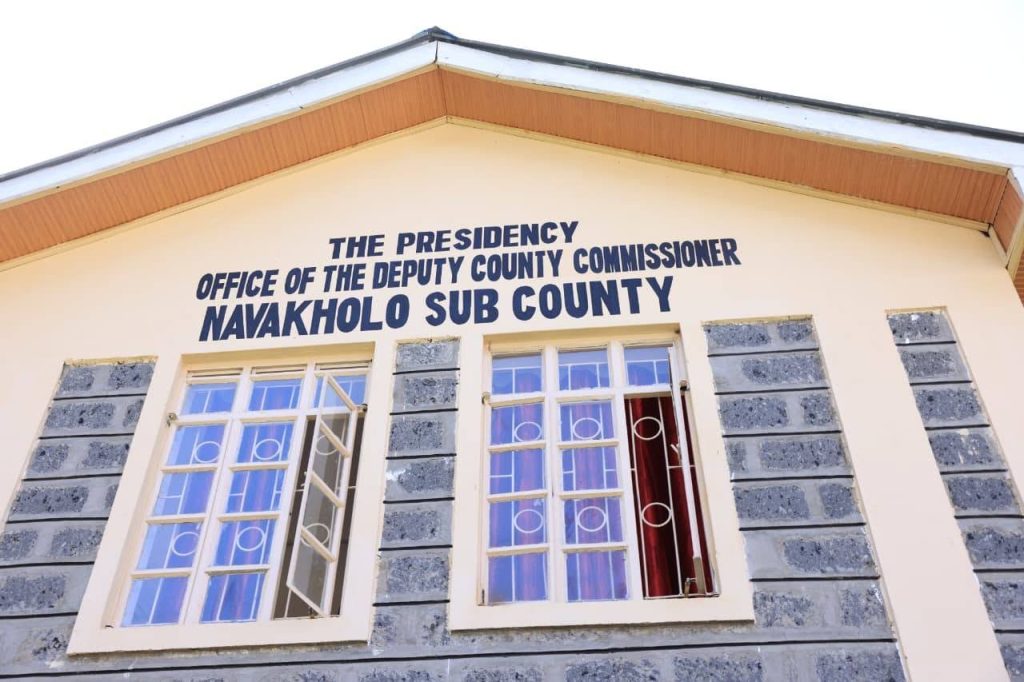
    Head of Public Service Felix Koskei has officially opened the new Navakholo Police Headquarters and the Office of the Deputy County Commissioner in Navakholo Town, Kakamega County, in a bid to strengthen security operations and administrative coordination.

    Koskei said the two facilities will deepen state presence at the local level by bringing law enforcement and administrative services closer to residents, while also improving coordination between police officers, National Government Administration Officers, and the public.

    He noted that security remains a shared responsibility, adding that the investments will enhance response mechanisms, improve inter-agency coordination, and build public confidence in security institutions.

    He added that strengthened presence of government services will also support local development by creating a safer environment for families, businesses, schools, and the wider community.

    The police headquarters was financed through the National Government Constituencies Development Fund (NG-CDF), while the DCC office was funded by the national government.

    Present at the function were Principal Secretaries Prof. Beatrice Inyangala (Higher Education), Boniface Makokha (Economic Planning), Jane Imbunya (Public Service), and Susan Mang’eni (MSMEs).

    Also in attendance were Navakholo MP Emmanuel Wangwe, Malava MP David Ndakwa, Taita Taveta MP John Bwire, John Washiali, Tourism Regulatory Authority Chair Benjamin Were, and the area Member of County Assembly.

  • MoH: 23 Ebola centres established nationwide, 34,000 health workers trained

    MoH: 23 Ebola centres established nationwide, 34,000 health workers trained

    Kenya has intensified Ebola preparedness measures across the country despite not recording any confirmed case of the deadly disease, the Ministry of Health has said.

    During a visit to Garissa County Referral Hospital, Health Cabinet Secretary Aden Duale inspected the hospital’s Ebola preparedness infrastructure, including a dedicated isolation facility comprising a 20-bed unit for confirmed cases and a separate 10-bed unit for suspected cases.

    The facility is among 23 isolation and treatment centres established through collaboration between the National and County Governments to strengthen the country’s capacity to respond to public health emergencies.

    According to the Ministry of Health, more than 34,000 healthcare workers have undergone specialised training on surveillance, case management, infection prevention and control, and emergency response as part of ongoing efforts to enhance preparedness.

    The ministry further revealed that over 100,000 travellers have been screened at points of entry, while four specialised laboratories have been designated and equipped to conduct Ebola testing and diagnosis.

    Additional measures implemented by the government include strengthening disease surveillance systems, operationalising rapid response teams, enhancing infection prevention and control mechanisms, and prepositioning critical medical supplies and personal protective equipment across the country.

    Duale said the government remains committed to maintaining a high level of vigilance through close collaboration with county governments, development partners and local communities to protect Kenyans from potential public health threats.

    While at the facility, the CS also commissioned a newly renovated 28-bed inpatient ward aimed at improving service delivery, enhancing patient experience and reducing congestion at the hospital.