Author: KBC Digital

  • Addis Ababa to host landmark World Public Summit Africa on diplomacy, innovation, and development

    Addis Ababa to host landmark World Public Summit Africa on diplomacy, innovation, and development

    More than 600 leaders, policymakers, innovators, academics, and civil society representatives from across Africa and beyond are expected to gather in Addis Ababa on 29 and 30 July for the inaugural World Public Summit Africa. The international forum aims to redefine public diplomacy and strengthen Africa’s role in shaping global affairs.

    Hosted at the United Nations Economic Commission for Africa (UNECA) under the theme “New World: Africa in Shaping a Common Future,” the summit is organised by the World Peoples Assembly in partnership with the Global Black Centre and several international organisations. Organisers state that the event will serve as a platform for advancing dialogue, cooperation, and development through public diplomacy, cultural exchange, and economic partnerships.

    The gathering comes at a time of significant geopolitical change, with African countries increasingly seeking greater influence in global decision-making processes. Organisers contend that traditional state-to-state diplomacy is no longer sufficient to address contemporary challenges and opportunities. Instead, they advocate for broader engagement involving citizens, civil society organisations, educational institutions, businesses, and cultural actors.

    “The summit reflects a new approach to international engagement that prioritises people-to-people cooperation, mutual respect, and shared development goals,” organisers said in a statement.

    The two-day event will feature a high-level plenary session, five thematic working platforms, an international business cooperation forum, a 1,200-square-metre innovation exhibition, and an international awards ceremony. More than 2,000 participants are also expected to attend a closing celebration and concert at the historic ADWA Memorial Complex.

    Discussions during the summit will focus on five key themes considered critical to Africa’s future development and international engagement.

    The first platform, “Genuine Sovereignty,” will explore strategies for strengthening national resilience through investments in infrastructure, food security, and information systems. Participants will examine ways African countries can enhance self-reliance while remaining active partners in global cooperation.

    A second platform, dedicated to “Youth Leadership,” will focus on education, employment, and leadership development. Organisers say the discussions will highlight opportunities to equip Africa’s rapidly growing youth population with the skills and networks needed to compete and lead in a globalised economy.

    Technology and innovation will take centre stage in the third platform, “Innovations for the Future.” Experts will discuss artificial intelligence, digital transformation, infrastructure modernisation, media evolution, and the social implications of technological change.

    The fourth platform, “Creativity and Cultural Diplomacy,” will examine how Africa’s rich cultural heritage can be leveraged to strengthen international partnerships, build trust, and foster mutual understanding among nations and communities.

    The fifth thematic track will focus on “International Scientific and Educational Cooperation,” highlighting the importance of cross-border research, academic partnerships, and knowledge exchange as drivers of sustainable development.

    Alongside these discussions, the summit’s “International Business Cooperation Platform” will seek to strengthen economic ties between African and international partners. Operating under the theme “From Trust Between Peoples to Trust Between Economics,” the forum will facilitate business-to-business and government-to-business engagements while showcasing investment opportunities across the continent.

    Participants will also have access to an innovation exhibition featuring solutions in sectors such as food technology, cybersecurity, financial technology, smart transport, education, and digital infrastructure.

    A key objective of the summit is to deliver practical outcomes that extend beyond the event itself. Organisers plan to establish an African Network of Public Diplomacy to promote collaboration among practitioners and institutions working in diplomacy, development, and international engagement. The summit will also support the creation of a community of African public diplomacy leaders and the launch of a World Peoples Assembly Business Club in Africa.

    Other anticipated outcomes include the development of a media platform dedicated to public diplomacy and African storytelling, as well as stronger partnerships between governments, non-governmental organisations, and the private sector.

    Delegates are expected to adopt four key documents at the conclusion of the summit: an African Communiqué, recommendations for the broader World Public Summit 2026, proposals to strengthen NGO cooperation across the continent, and initiatives for the development of a public diplomacy media platform.

    The Addis Ababa gathering marks the first of six regional summits planned for 2026, culminating in the flagship World Public Summit under the theme “A New World: Values That Unite.” Additional regional forums are scheduled to take place in India, the Arab world, Latin America, Europe, and Russia.

    Organisers say the Africa summit represents an important opportunity for the continent to shape emerging global conversations on diplomacy, development, and international cooperation while advancing a vision grounded in sovereignty, innovation, cultural exchange, and shared prosperity.

  • China vows to champion global south interests in new governance white paper

    China vows to champion global south interests in new governance white paper

    China has reaffirmed its commitment to strengthening the voice and influence of developing countries in global affairs. A newly released white paper on global governance outlines Beijing’s ambitious vision for a more equitable international order.

    Titled “More Just and Equitable Global Governance: China’s Principles, Proposals and Actions,” the white paper from the State Council Information Office details China’s approach to reforming international institutions and deepening cooperation with countries of the Global South.

    The document reiterates China’s position as both a participant in and advocate for Global South development, arguing that developing nations should play a greater role in shaping international decision-making, economic governance, and global development priorities.

    “China will always be a member of the Global South, and in the Global South, its roots will remain. No matter what the future holds, it will always keep the well-being of the Global South in mind,” the white paper states.

    According to the document, China intends to continue strengthening solidarity and cooperation among developing countries while safeguarding their common interests in international affairs. It states that Beijing will pursue these objectives through principles of sincerity, real results, amity, good faith, and mutual benefit.

    A major pillar of China’s strategy is the expansion of South-South cooperation through multilateral platforms such as BRICS and the Shanghai Cooperation Organization (SCO).

    The white paper describes BRICS as a leading force within the Global South, contributing to economic growth, reforms in global governance, and greater democracy in international relations. China highlighted its role in establishing key BRICS institutions, including the New Development Bank and the Contingent Reserve Arrangement, which it says have emerged as important components of the international financial architecture.

    The document also underscores China’s support for the continued expansion of BRICS membership, describing the recent enlargement of the bloc as a historic milestone for both BRICS and the broader international system.

    “China continues to support more Global South countries in joining the cause of BRICS as full members, partner countries, or in the ‘BRICS Plus’ format, to build the cooperation mechanism into a primary channel for strengthening solidarity and cooperation among Global South nations and a vanguard for advancing global governance reform,” the white paper states.

    The white paper also highlights the growing role of the Shanghai Cooperation Organization, which China says has evolved into a significant force for peace, development, and international fairness. The SCO now comprises 27 countries across Asia, Europe, and Africa, with a combined economic output approaching US$30 trillion.

    Beyond regional organisations, Beijing is advocating reforms to major international institutions to better reflect contemporary economic realities.

    China argues that developing countries remain underrepresented in global financial governance and calls for reforms within the World Bank and the International Monetary Fund. The white paper urges shareholding reviews at the World Bank and quota realignment at the IMF to address what it describes as a democratic deficit in international financial institutions.

    “China believes that the international financial architecture should be more balanced in representation and better reflect the realities of the world economy,” it states.

    The document also reiterates China’s support for reform of the United Nations Security Council, particularly increasing the representation of developing countries.

    “It is imperative to address the historical injustice suffered by Africa, with priority and special arrangements made for the continent’s demands,” the paper states, adding that Africa’s demands should receive priority consideration through special arrangements during UN reform discussions.

    The white paper places particular emphasis on modernisation and development across the Global South. China says it has advanced an initiative for open and inclusive cooperation among developing countries and implemented a range of measures aimed at supporting economic transformation and sustainable growth.

    Africa features prominently in the document, with China noting that relations with all African countries maintaining diplomatic ties with Beijing have been elevated to the level of strategic relations.

    “At the Beijing Summit of the Forum on China-Africa Cooperation, bilateral relations between China and all African countries with which it has diplomatic ties were officially elevated to the level of strategic relations, and the overall positioning of China-Africa relations was elevated to an all-weather China-Africa community of shared future for the new era,” the paper states.

    The paper further highlights China’s commitment to supporting African modernisation through cooperation in multiple sectors and the implementation of ten partnership actions agreed under the Forum on China-Africa Cooperation.

    Beyond Africa, China pledged continued engagement with Arab states, Latin America and the Caribbean, and Pacific island countries through various cooperation frameworks focused on development, trade, cultural exchanges, connectivity, and sustainable growth.

    The white paper presents China’s vision of a global governance system that is more representative, balanced, and responsive to the needs of developing nations. Through institutional reform, expanded South-South cooperation, and deeper partnerships across the developing world, Beijing says it aims to help create a more inclusive international order while supporting the modernisation and development aspirations of Global South countries.

  • Murang’a purple tea debuts in Paris premium market

    Murang’a purple tea debuts in Paris premium market

    Kenya’s Purple Tea has been launched in Paris at Hôtel de Crillon, giving French consumers and industry experts access to the rare, antioxidant-rich tea grown in the volcanic highlands of Murang’a.

    The launch comes as Kenya intensifies efforts to market its tea as a recognised, branded product rather than a raw bulk commodity. Geographical Indication (GI) status is expected to help safeguard Purple Tea’s unique origin and quality while enhancing its competitiveness in international markets.

    Speaking in Paris, James Mwangi, Equity Group Managing Director and CEO, said the initiative gives Kenyan tea its own identity, moving it from commodity to premium status, with real potential to raise farmer incomes and improve access to education and household investment.

    Kenya’s Ambassador to France, Betty Chebet Cherwon, called it a step toward fairer trade, using branding and market access to strengthen economic ties between Kenya and France.

    The launch builds on a market-access deal signed at the Africa Forward Summit between Gatanga Industries, Palais des Thés and Equity Group, and follows an earlier tea showcase at the G7 Summit in Évian, where Élysée Palace chefs made dark chocolate using Kenyan Grand Cru tea.


  • Man arrested for posing as EACC investigator to extort Ksh2M bribe

    Man arrested for posing as EACC investigator to extort Ksh2M bribe

    A man has been arrested by the Ethics and Anti-Corruption Commission (EACC) for allegedly posing as one of its investigators and demanding a bribe from a member of the public.

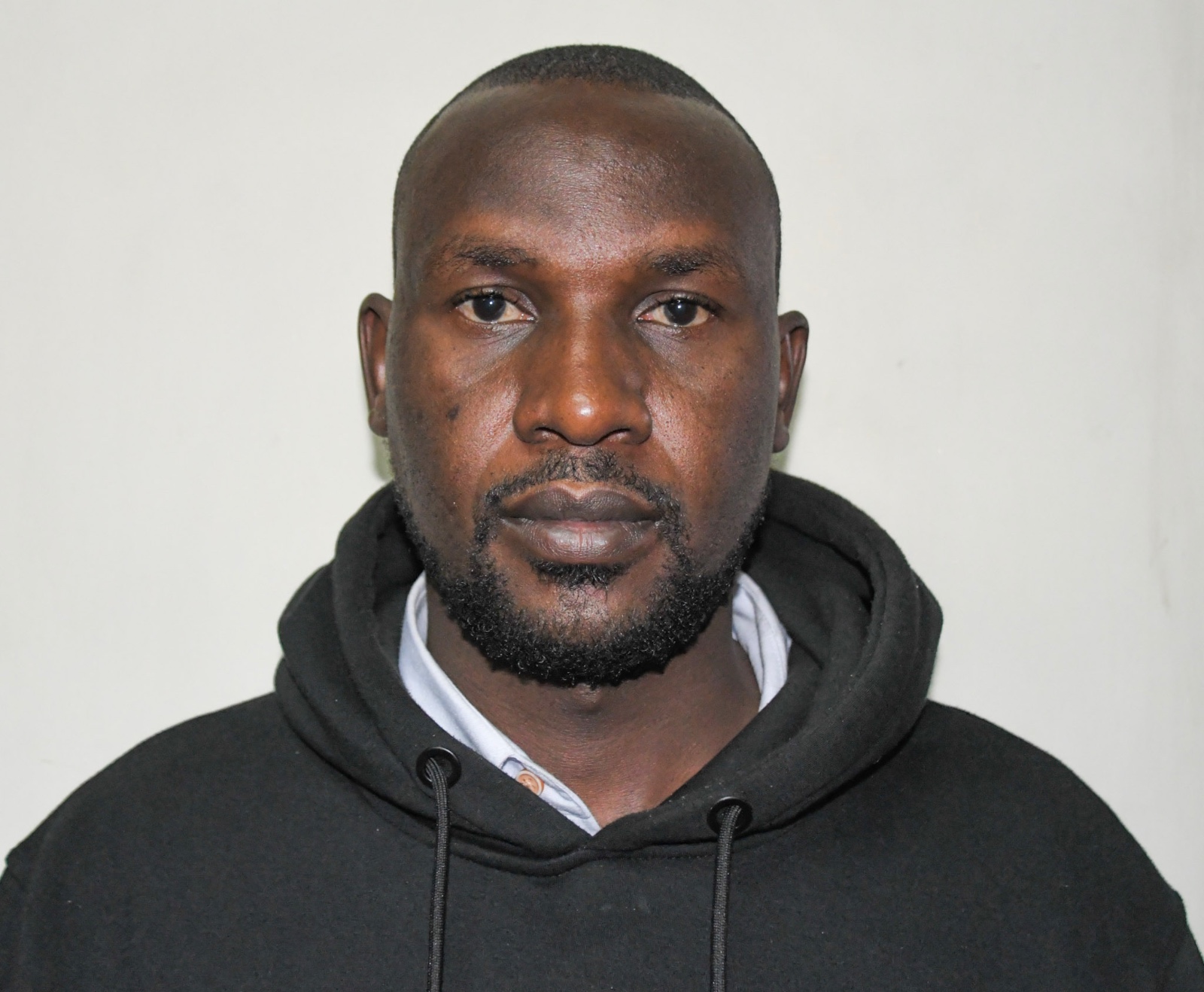
    In a statement on Monday, EACC said the suspect, identified as Felix Manyaga Mogaka, falsely presented himself as a Commission investigator and contacted a director of a company contracted by the Narok County Government.

    According to the Commission, Mogaka claimed that the company was under investigation for corruption and later arranged a meeting with the director at a hotel, where he allegedly demanded Ksh2 million to stop further action against the firm.

    The arrest followed a complaint lodged with EACC, prompting the Commission to mount an operation that led to Mogaka’s arrest on Monday, June 22, while allegedly receiving Ksh200,000, part of the demanded bribe.

    The suspect is currently being processed at the Integrity Centre pending the conclusion of investigations.

    The antigraft agency cautioned members of the public against falling prey to fraudsters posing as its officers, noting that official summonses are issued in writing and require individuals to appear at EACC offices.

    EACC further noted that its officers do not conduct official meetings in hotels or solicit payments to influence investigations.

  • Speaker calls on youth to reject political manipulation

    Speaker calls on youth to reject political manipulation

    National Assembly Speaker Moses Wetang’ula has challenged young Kenyans to take charge of their future through education, entrepreneurship and agriculture, warning them against being manipulated by politicians pursuing selfish interests.

    Speaking during a meeting with elders and professionals from Tongaren Constituency led by area MP John Chikati, Mr Wetang’ula urged the youth to view education as a personal investment whose greatest beneficiary is the learner.

    “I want to encourage young people to be masters of their own destiny because, at the end of your education, the number one beneficiary is yourself. You are not in school because of your father, your mother or anybody else. It is about building yourself first, and once you do so, you can help others,” he said.

    The Speaker noted that many young people fail to appreciate the transformative power of education and skills development, yet the choices they make today will largely determine their future opportunities and success.

    He urged learners to remain focused on their studies and embrace innovation, describing education as the most reliable pathway to economic empowerment and national development.

    Mr Wetang’ula also challenged young people to exploit opportunities in agriculture, describing the sector as a key driver of job creation, wealth generation and food security.

    “Our young people must begin to see agriculture as a business and a source of prosperity. The future of our country depends on productive citizens who create opportunities rather than wait for them,” he said.

    At the same time, he cautioned against the growing trend of political actors using young people to fuel violence and unrest during political contests.

    “Do not allow yourselves to be used as instruments of violence. Those who send you to the streets rarely suffer the consequences. Instead, be ambassadors of peace, unity and development in your communities,” he said.

    His remarks come amid a growing national conversation on youth involvement in politics and the responsibility of leaders to promote peaceful democratic engagement.

    The Speaker also defended Western Kenya’s push for increased development funding, saying the region has a legitimate right to demand its fair share of national resources and government projects.

    “There should be no apology for demanding development for Western Kenya. Our people contributed significantly to the success of the Kenya Kwanza administration and deserve their fair share of national resources, opportunities and development projects,” he said.

    Mr Wetang’ula further reassured residents that the long-delayed Naitiri–Misikhu Road project had been revived following the replacement of a non-performing contractor.

    “The project is back on track and we expect it to be completed by December. Infrastructure remains critical in opening up our region for trade, investment and economic growth,” he said.

    He called on leaders from Western Kenya to work together in advancing a common development agenda, saying unity was essential for the region’s socio-economic transformation.

    “As leaders, we must remain united, focused and purposeful. When we speak with one voice and work together, we can transform our region and position it for greater influence in the national leadership landscape,” he said.

    The meeting brought together community elders, professionals and opinion leaders from Tongaren Constituency to discuss youth empowerment, development priorities and strategies for accelerating socio-economic growth in the region.

  • Agroecology, Conservation experts from Africa meet in Bomet for regional exchange forum

    Agroecology, Conservation experts from Africa meet in Bomet for regional exchange forum

    Agroecology experts and conservation practitioners from across Central, Eastern and Southern Africa have converged in Bomet, Kenya, for a regional exchange meeting aimed at advancing sustainable agriculture and biodiversity conservation.

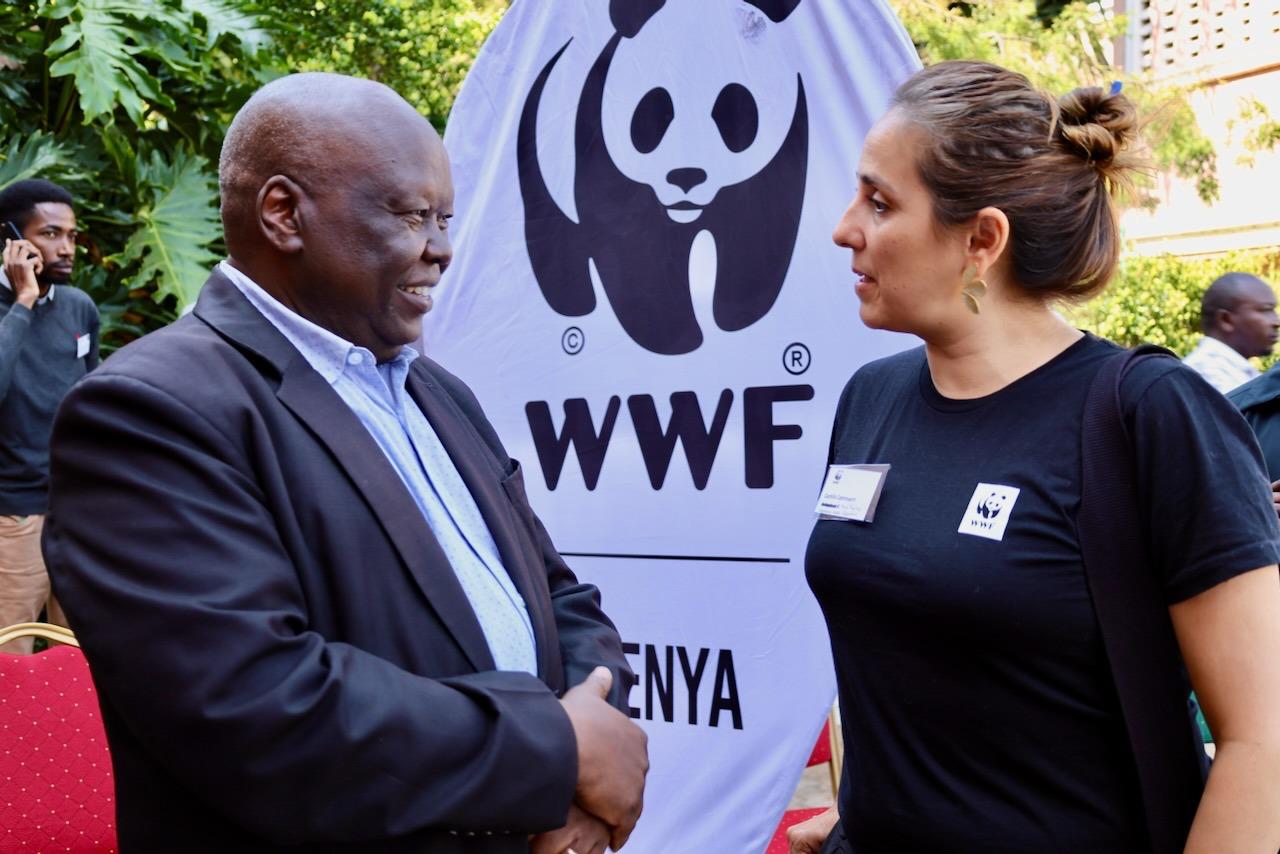
    The three-day forum, jointly organised by WWF and the Biovision Foundation under the Agroecology for Life Initiative, seeks to strengthen the integration of agroecology into conservation strategies while promoting sustainable food systems across the continent.

    The Africa Agroecology Regional Exchange, themed “Agroecology for Biodiversity and Livelihoods: Building Capacity and Partnerships in Africa,” has brought together WWF country office staff and leading agroecology organisations from Cameroon, the Central African Republic, the Democratic Republic of the Congo, Gabon, Kenya, Madagascar, South Africa, Tanzania, Uganda, Zambia and Zimbabwe.

    Participants will explore how agroecological approaches and nature-positive farming practices can help address biodiversity loss, enhance climate resilience, and improve food security and livelihoods for communities across Africa.

    To strengthen learning, collaboration and knowledge sharing on agroecology and biodiversity conservation, they will undertake field visits to project sites to build a shared understanding of agroecology and its alignment with global frameworks such as the Kunming–Montreal Global Biodiversity Framework (Target 10), as well as nature-positive production systems and regenerative agriculture practices.

    This will present real-world examples from African landscapes, examine how agroecology can strengthen country programmes and landscape strategies, and identify concrete pathways for collaboration between conservation and agroecology actors.

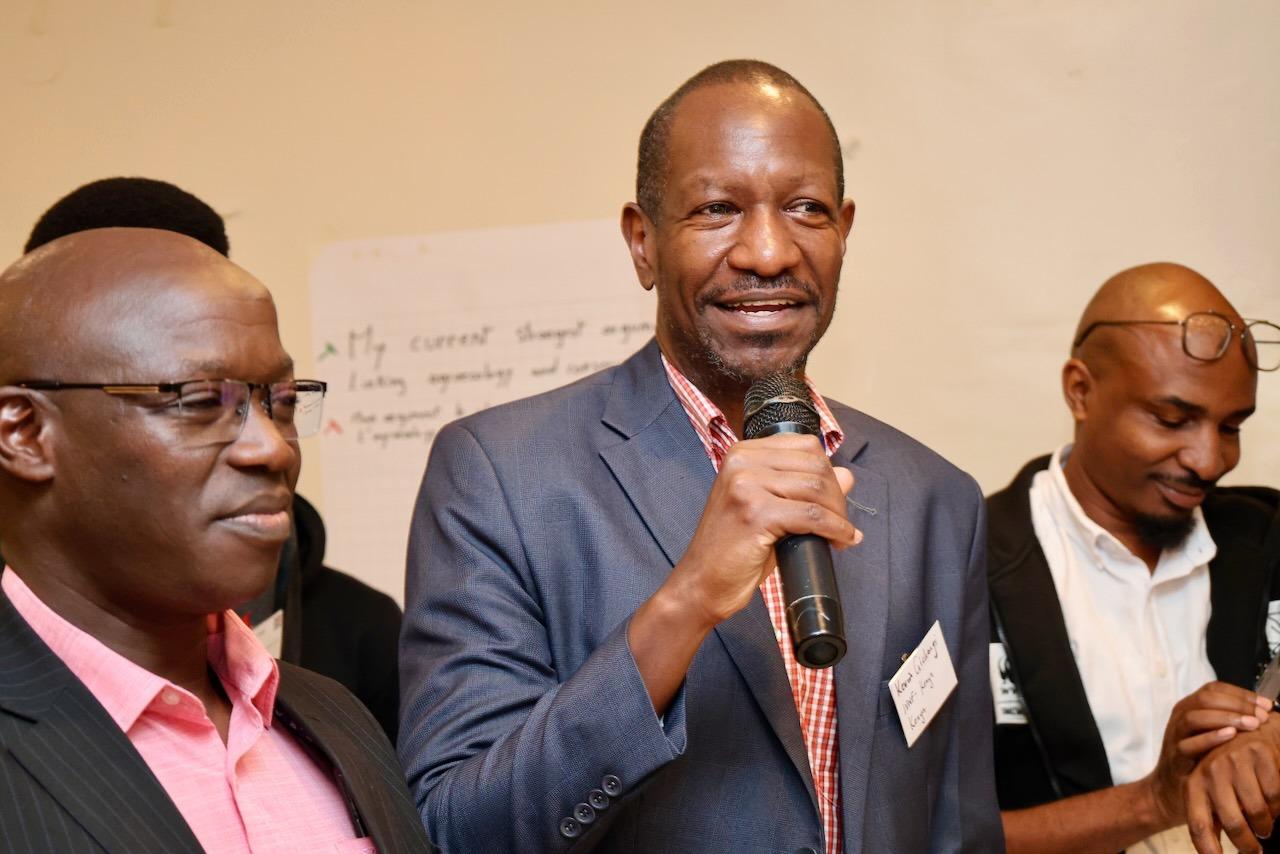
    Speaking during the official opening of the conference on behalf of the CEO of WWF-Kenya, Kevin Gichangi noted that Africa continues to face interconnected challenges including climate change, biodiversity loss, land degradation, and food insecurity. He emphasised that addressing these challenges requires integrated solutions that support both people and nature.

    He highlighted agroecology as a practical and transformative approach that enables communities to produce food while restoring ecosystems, improving livelihoods, and strengthening resilience to climate change. He further noted that WWF recognises agroecology as a key conservation strategy that contributes to nature-positive production systems and supports global biodiversity and climate goals.

    He urged participants to take advantage of the workshop as a platform for learning, networking, and sharing experiences from different landscapes and countries. At the same time, he reaffirmed WWF-Kenya’s commitment to supporting agroecological approaches and promoting sustainable food systems across Africa.

    “Agroecology presents us with a unique opportunity to produce food in ways that restore nature, strengthen communities, and build resilience to climate change. By working together, we can create food systems that benefit both people and biodiversity across Africa.”

    Gichangi Kenya Rift Lakes Manager-WWF Kenya

    The WWF Food and Agriculture Practice team emphasised the importance of bringing together conservation practitioners and food systems experts to explore practical solutions to challenges affecting agriculture and biodiversity across Africa.

    Deputy Leader of WWF’s Global Food Practice Karen Luz described agroecology as an effective pathway for addressing food security while conserving ecosystems, restoring degraded landscapes, and improving livelihoods. Participants were encouraged to openly share experiences, successes, lessons learned, and challenges throughout the exchange.

    The team further highlighted the importance of partnerships, financing mechanisms, policy support, and knowledge exchange in scaling agroecological approaches across the continent

    The Biovision Foundation observed that climate change, biodiversity loss, and food insecurity demonstrate that agriculture and conservation cannot be addressed independently. Drawing on more than 25 years of Biovision’s experience supporting agroecological transitions across Africa, she highlighted numerous examples where agroecology has improved livelihoods, enhanced resilience, and supported biodiversity conservation.

    Food and agriculture are among the leading drivers of biodiversity loss globally.

    Bomet Deputy Governor Shadrack David Rotich, in his opening remarks, welcomed participants while highlighting the critical role county governments play in implementing policies and legislation related to agriculture, environmental management, and natural resource conservation.

    He noted that agroecology aligns closely with county development priorities and sustainable land-use planning objectives.

    The sessions by the experts established a strong foundation for the Africa Agroecology Regional Exchange. Speakers consistently highlighted agroecology as a practical solution for addressing climate change, biodiversity loss, land degradation, and food insecurity while improving livelihoods and strengthening ecosystem resilience.


  • Africa must be at the centre of finding solutions to its own challenges

    Africa must be at the centre of finding solutions to its own challenges

    Prime Cabinet Secretary Musalia Mudavadi has said the African Day is a symbol of solidarity, resilience, and a shared vision for prosperity across the continent, and the celebration reflects Africa’s rich diversity while reinforcing the collective commitment to peace, cultural exchange, and sustainable development.

    Speaking as the Chief Guest at the Africa Day 2026 celebrations marking the 63rd anniversary of the Organisation of African Unity (OAU), PCS emphasised the importance of the celebration that was not only a cultural showcase but also a reaffirmation of the enduring spirit of unity that defines Africa.

    The event brought together African nations in a colourful showcase of culture, cuisine, and heritage. Exhibition stands from Senegal, Sudan, South Africa, Angola, Ghana, Zimbabwe, Cameroon, Botswana, Sahrawi, Burkina Faso, Zambia, Eritrea, Egypt, Uganda, Algeria, Democratic Republic of Congo, Nigeria, and Sierra Leone offered guests a chance to experience authentic African cuisines, traditional attire, music, and art.

    Mudavadi, also the Cabinet Secretary for Foreign and Diaspora Affairs, said the African Day serves as a constant reminder of where we have come from as a continent, who we are as a people, the strength of its unity in the rich diversity, and their collective responsibility and solidarity to forge a prosperous future.

    “African Day embodied the African Union’s vision of “An Integrated, Prosperous and Peaceful Africa, driven by its own citizens and representing a dynamic force in the global arena. We must remain resolute in translating this collective vision into reality, guided by the African Union Agenda 2063,” said Mudavadi.

    Mudavadi said Africa must be at the centre of finding solutions to its own challenges. Accordingly, we must support African-led peace and security initiatives and strengthen our institutions such as the African Union, the Intergovernmental Authority on Development (IGAD), and the International Conference on the Great Lakes Region.

    Mudavadi noted that, even as the African countries gathered in unity, thoughts remain with communities affected by the devastating Ebola outbreak in the region, which has claimed the lives of many of fellow Africans.

    PCS said the continent was commemorating this year’s Africa Day under the African Union’s 2026 theme, “Assuring Sustainable Water Availability and Safe Sanitation Systems to Achieve the Goals of Agenda 2063”.

    “Therefore, the 2026 Africa Day renews our commitment to advancing water and sanitation as essential enablers for industrialisation, climate resilience and food security. Additionally, safe drinking water is a critical component of a healthy continent,” said Mudavadi.

    Mudavadi said Africa was endowed with sufficient water resources to meet the basic needs while supporting agriculture, energy generation, and industrialisation, and the challenge was not one of scarcity, but of governance, infrastructure, and climate resilience.

    “Notably, Kenya hosted the 11th Our Ocean Conference in Mombasa in June 2026, the first to be held in Africa, reflecting Africa’s growing leadership in Ocean governance and the blue economy. A notable outcome of the Conference was the adoption of the Mombasa Declaration, which advances sustainable fisheries, marine conservation and the fight against illegal, unreported and unregulated (IUU) fishing, that costs African economies an estimated USD 11 to 13 billion annually,” said PCS.

    He said commemoration renews our commitment to amplify Africa’s collective voice in multilateral fora, including calls for United Nations reform, to advance our shared aspirations for peace, prosperity and a more inclusive international order.

    Mudavadi said the continent continues to grapple with the twin challenge of governance and violent conflicts.

    “As we mark 63 years of African Unity, we must consolidate our governance gains and encourage each other to firmly embrace democratic values, recognising that accountable leadership and strong institutions are important to sustainable peace and the silencing of the guns in Africa,” he said.

    PCS said the Africa Forward Summit held in Nairobi in May 2026 reaffirmed the continent’s collective resolve to take greater charge of its future by enhancing African Agency through stronger African financial institutions; greater domestic resource mobilisation; industrialisation and value addition; human capital development, and more assertive African representation in global decision-making.

    Similarly, during the G7 Summit in June 2026, Mudavadi said that President William Ruto articulated Africa’s priorities and position as crystallised at the African Forward Summit, noting that Africa was diversifying and strengthening mutually beneficial partnerships founded on trade and investment, rather than aid, and on manufacturing and value-addition, rather than extraction.

    “Indeed, Africa is no longer an apologist for its circumstances, nor defined by lamentations. We are a voice to be heard, a valued global partner with immense opportunities for shared prosperity, and not a problem to be solved,” said Mudavadi.

    He said the outcomes of the G7 Summit included commitments to reform the development cooperation system and shape mutually beneficial partnerships, address escalating global debt vulnerabilities that threaten economic stability and constrain fiscal space for essential public service interventions, and reinforce the guarantee architecture, notably through African Trade and Investment Development Insurance (ATIDI).

    “It also advanced the need for democratisation of technology, including Artificial Intelligence (AI), and underpinned the imperative of ensuring responsible use of these digital platforms. The Summit further called for deeper cooperation in health, including cancer research and resource mobilisation to tackle emerging Ebola outbreaks. As such, we must strengthen African health systems and institutions, including the Africa Centres for Disease Control and Prevention (Africa CDC),” he said.

    Amid rising economic nationalism, PCS said that Africa must accelerate the full implementation of the African Continental Free Trade Area (AfCFTA) to foster intra-African trade, reduce dependence on external markets and strengthen economic resilience.

    Equally important, he noted, the continent’s sustained campaign to raise public awareness of the benefits and opportunities of the Continental Free Trade Area. We must also support and strengthen African-oriented financial institutions such as the African Development Bank and African Export-Import Bank (Afreximbank).

    He noted that the realisation of Agenda 2063 depends on a stronger and more effective African Union spearheaded by President Ruto, in his capacity as the Champion of the African Union Institutional Reforms, continuing to engage stakeholders, to enhance inclusivity, and building consensus in advancing the Union’s Reform Agenda.

    PCS took the opportunity to market the candidatures of Professor Pheobe Okowa for her re-election as Judge to the International Court of Justice (ICJ) for the period (2027–2036), and Lady Justice Njoki Ndung’u for election as Judge to the International Criminal Court (ICC) for the period (2027-2036)

    “Kenya has put forward candidates for positions where we believe our country can make a meaningful contribution. We have nominated distinguished and experienced jurists who, we are confident, will serve with excellence and integrity. On behalf of the people and the Government of Kenya, I wish to respectfully commend Kenya’s candidatures to the consideration and support of Member States.

  • Energy Access: UK announces extension of Ayrton Fund

    Energy Access: UK announces extension of Ayrton Fund

    The UK government has announced a major new phase of its international clean energy leadership, confirming the extension of the Ayrton Fund to 2030 and an £88 million scale-up of its flagship Transforming Energy Access (TEA) platform.

    The boost is aimed at strengthening global partnerships while supporting UK innovation, jobs and long-term economic resilience.

    The announcement, made at the Ayrton Forum at the start of London during Climate Action Week, also includes the publication of the UK’s fourth International Climate Finance (ICF) strategy, which sets out how the UK will mobilise finance, strengthen resilience and accelerate access to clean and affordable energy worldwide.

    The fund currently supports projects in more than 100 countries across Africa, Asia and the Indo-Pacific.

    According to the statement, the initiative has so far improved access to clean energy for 46 million people, leveraged £3 billion in additional public and private investment, and enabled more than a quarter of a million green jobs globally.

    Speaking at the event, Professor Sir John Edmunds, Chief Scientific Adviser at the Foreign, Commonwealth and Development Office, said the future of development lies in bringing innovation and investment together to deliver smarter, more sustainable and more diverse financial flows.

    He emphasised the need for fairer access to knowledge, skills and technology, while ensuring that countries and communities play a central role in shaping solutions that address their own development challenges.

    “Ayrton exemplifies this – the UK working as an international partner – moving ideas from research into the real world by bringing together researchers, entrepreneurs, governments, investors and multilateral institutions. In an uncertain and contested world, energy is the pivot issue on which so much rides – security, development, climate, and equality,” he said.

    He added that the UK was proud to contribute to building “a cleaner, fairer, healthier future for all.

    More than 300 leaders from across business, finance, government, academia and civil society are taking part in the forum to celebrate the Fund’s achievements and discuss how to accelerate clean energy transitions in emerging economies ahead of 2030’s Sustainable Development Goal (SDG) targets.

    Launched in 2021, the Ayrton Fund brings together the UK Government’s ODA clean energy research, development and demonstration (RD&D) portfolio under a single cross government framework spanning the Foreign, Commonwealth and Development Office (FCDO), the Department for Energy Security & Net Zero (DESNZ), and the Department for Science, Innovation and Technology (DSIT).

    It supports clean energy technology innovation, alongside the business models and systems needed to deploy them at scale.

    The Fund contributes to SDG7 on energy and SDG13 on Climate, and aligns with wider UK priorities, including the Global Clean Power Alliance (GCPA) and the Foreign Secretary’s priority of “accelerating the global clean energy transition while delivering opportunities for the UK.

    EXPLAINER: Since launch, UK-supported innovations have:

    • Improved clean energy access for 46 million people in developing countries
    • Leveraged £3 billion in additional public and private investment
    • Reduced CO₂ emissions by 14 million tonnes – the same as the annual carbon footprint of 2.5 million people in the UK
    • Enabled more than 256,000 green jobs globally
    • The Fund has also delivered clear benefits for the UK, supporting over 300 UK‑based organisations involved in clean energy research and innovation, and enabling more than 1,000 UK jobs.


  • Two KRA employees arrested over Ksh3M bribe demand claims

    Two KRA employees arrested over Ksh3M bribe demand claims

    Two Kenya Revenue Authority (KRA) employees have been arrested by the Ethics and Anti-Corruption Commission (EACC) for allegedly demanding a Ksh3 million bribe from a taxpayer.

    The suspects Faith Gathoni Njoroge and Tyson Marango Owuor, who are based at KRA’s Upper Hill offices, were arrested following a complaint that they had demanded the bribe to influence the resolution of a Capital Gains Tax assessment valued at Ksh4.5 million.

    According to EACC, the commission conducted an operation after receiving the complaint, during which the two officials were allegedly arrested while receiving Ksh900,000 as part of the requested bribe.

    The money was recovered during the operation, leading to the arrest of the two officials.

    The suspects are currently being processed at the EACC’s Integrity Centre as investigations continue, with the commission expected to recommend charges under the Anti-Bribery Act, 2016.

  • Construction of Nyandarua’s first university set to begin

    Construction of Nyandarua’s first university set to begin

    Nyandarua County is set to get its first university following the completion of the land titling process by the Ministry of Lands.

    The milestone clears the way for groundbreaking and the commencement of construction works ahead of the official laying of the foundation stone by President William Ruto.

    The announcement of the landmark project was made by Cabinet Secretary Alice Wahome, who Monday, led an extensive development tour across Nyandarua County,

    The CS said Phase One of the Olkalau university project will cost Ksh1.3B and will include critical infrastructure, among them a hostel that will accommodate 1,300 students, marking a major step toward expanding higher education opportunities in the county.

    The CS further inspected and commissioned key government projects aimed at accelerating development in the region.

    She began her tour in Ol Kalou, where she inspected the Affordable Housing Project. The first phase, comprising 110 completed housing units, is ready for occupation, while a second phase of 450 additional units is currently under construction.

    She also inspected the ongoing construction of students’ hostels at Ol Kalou Vocational Training College, being developed under the Housing Programme. The hostel project will accommodate 560 students, significantly improving access to decent and affordable accommodation for trainees.

    In Mirangine, Wahome commissioned the Mirangine Modern Market, a project expected to boost trade and create more economic opportunities for local traders.

    Addressing residents during the tour, the CS urged the people of Nyandarua to continue supporting the government and its development agenda, saying this would ensure more projects are delivered to the region.

    She also called on residents of Ol Kalou to rally behind the United Democratic Alliance candidate in the forthcoming by-election.