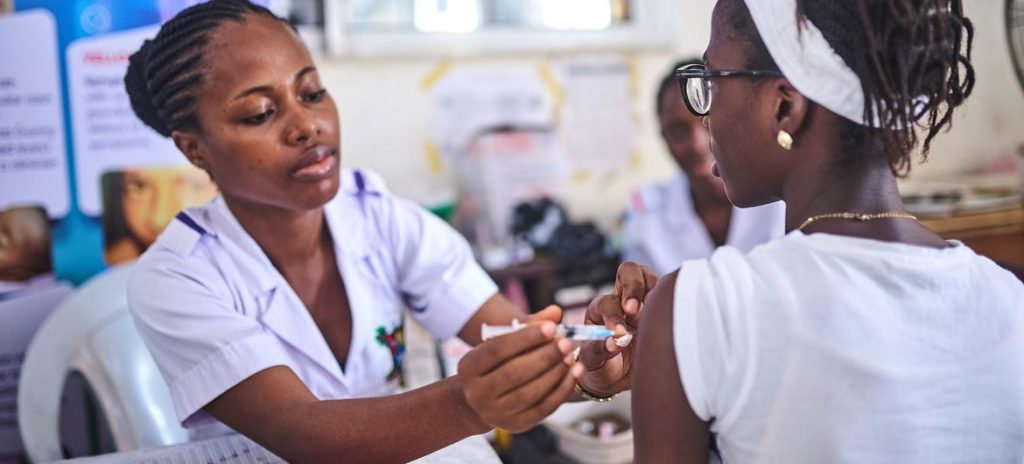
Author: Christine Muchira/Release

  • WHO: Up to 45pc of Dementia risk can be prevented

    WHO: Up to 45pc of Dementia risk can be prevented

    The World Health Organization (WHO) has released updated guidelines on reducing the risk of cognitive decline and dementia, providing countries with evidence-based recommendations to help prevent or delay the onset of dementia across the life course.

    Dementia is a condition caused by brain diseases and affects memory, thinking and the ability to function. More than 57 million people live with dementia worldwide and nearly 10 million people get newly diagnosed every year. Alzheimer disease is the most common form of dementia and is estimated to account for 60–70% of cases.

    While there is no cure for dementia, up to 45% of the risks can be attributed to modifiable risk factors such as tobacco, alcohol use, social isolation, physical inactivity, air pollution and noncommunicable diseases (NCDs), including high blood pressure and diabetes. Beyond health, dementia affects a person’s independence, dignity and safety.

    “We know more today than ever before about what drives dementia risk, and these guidelines translate that knowledge into action,” said Dr Tedros Adhanom Ghebreyesus, WHO Director-General. “Countries now have clear, evidence-based recommendations they can put into practice immediately to protect people’s cognitive health.”

    WHO’s new guidelines reflect the latest evidence and innovations in dementia risk reduction providing proven interventions that can effectively lower dementia risk through early awareness and timely action. They represent an important opportunity to reduce the burden of dementia in the coming decades through stronger integration of services for noncommunicable diseases, mental health and brain health.

    Reducing risk, preventing illness

    The updated guidelines reflect significant growth in the evidence base since WHO first issued recommendations on dementia risk reduction in 2019. They provide consolidated recommendations on addressing unhealthy behaviours, managing medical conditions, and reducing exposure to environmental factors that may contribute to cognitive decline and dementia.

    The guidelines recommend several healthy behaviours and lifestyle interventions to reduce dementia risk, including cognitive training and cognitive stimulation and engagement in social activities for adults who have normal cognition or are experiencing mild cognitive impairment.

    The updated advice also includes interventions that reduce risk of NCDs, including increasing physical activity, stopping tobacco use, reducing alcohol consumption, adopting a healthy diet, and a new recommendation to reduce exposure to air pollution.

    Management of cardiometabolic conditions such as hypertension, diabetes, and high cholesterol can also help reduce dementia risk. Further, hearing aids may be offered as part of risk-reduction strategies.

    As an intervention to reduce the risk of cognitive decline and/or dementia, the guidelines do not recommend supplementation with vitamins B and E, omega-3 polyunsaturated fatty acids (PUFA) and multivitamins/minerals in the absence of a diagnosed deficiency, due to the lack of evidence of any potential benefits to outweigh unexpected harmful effects.

    Human and economic cost

    Dementia affects an individual’s ability to live independently, work and function, while placing substantial burdens on families and carers. It carries a major economic loss, costing the global economy an estimated US$ 1.3 trillion annually. About half of this cost is driven by unpaid care provided by families and friends. Understanding risk factors and taking action to prevent dementia can improve health and quality of life, helping people live longer, healthier and more independent lives.

  • WHO warns DR Congo Ebola outbreak is outpacing response as Uganda reaches milestone

    WHO warns DR Congo Ebola outbreak is outpacing response as Uganda reaches milestone

    The Ebola outbreak in the Democratic Republic of the Congo (DRC) has become the third largest on record and is spreading faster than any previous one during the first month of exposure, the head of the World Health Organization (WHO) warned on Thursday.

    Addressing reporters in Geneva, WHO Director-General Tedros Adhanom Ghebreyesus said the two month-old outbreak has continued to expand despite major efforts by the Government, WHO, the Africa Centres for Disease Control and Prevention (Africa CDC) and other partners.

    “So far, 2,273 cases have been reported, with 796 deaths,” he said. “By comparison, the 2018–2019 Ebola outbreak in DRC took more than 10 months to reach 2,000 confirmed cases.”

    Transmission still accelerating

    Tedros said intense transmission in Ituri province in DRC’s restive eastern region remains WHO’s biggest concern.

    More than 80 per cent of new infections are being detected outside known contact lists, indicating that transmission chains are continuing undetected, while about two-thirds of deaths occur in communities among people who never receive treatment in a health facility.

    “Despite the progress we have made, the outbreak in DRC is continuing to outpace the response,” he warned.

    Active armed conflict is also hampering operations. Dr Tedros noted that an Ebola treatment centre in Bunia was attacked on Wednesday, further complicating efforts to reach affected communities.

    ‘This disease can be survived’

    Treatment capacity has grown to more than 800 beds, laboratory capacity has increased from one laboratory to 16, and contact follow-up rates have risen to almost 80 per cent. More than 21,000 community health workers are being trained, while safe and dignified burials have also improved.

    The Director-General highlighted encouraging progress in research and therapeutics, but even without approved vaccines or treatments, 377 people have recovered from the disease.

    “With early diagnosis and safe care, this disease can be survived and stopped,” Tedros said.

    Uganda milestone

    In neighbouring Uganda, however, WHO reported encouraging progress.

    The country’s last confirmed Ebola patient was discharged from care on Thursday after testing negative for the virus twice, marking the start of the 42-day countdown before the outbreak can officially be declared over.

    Uganda has reported 20 confirmed cases and two deaths since declaring its outbreak on 15 May. Fifteen infections were linked to importation from the DRC, while five resulted from local transmission.

    WHO Representative Dr Kasonde Mwinga said the figures reflected the commitment of Uganda’s health workers, communities and partners, but warned the country remains at risk.

    Funding gap threatens response

    Tedros stressed that containing the outbreak will require stronger political backing as well as financial support.

    WHO’s joint continental preparedness and response plan with Africa CDC still faces a funding gap of more than $400 million.

    “We urge donors to fill this gap and to help us control this outbreak as quickly as possible,” he said.

    “This is not charity. It’s an investment in national security.”

    The UN Children’s Fund, UNICEF, has also appealed for additional resources, warning this week that only 25 per cent of the funding required for its Ebola response is currently available.

    During a visit to Ituri, UNICEF Regional Director Gilles Fagninou said the epidemic could still be contained if governments, communities and humanitarian partners acted more quickly and collectively.

    “We know how to stop this epidemic,” Mr. Fagninou said. “The challenge is not the lack of solutions, but the lack of funding to deploy them at the scale needed.”

  • Amref University unveils plan for Beyond Zero teaching hospital

    Amref University unveils plan for Beyond Zero teaching hospital

    The Chairperson of the International Board of Directors for Amref Health Africa, Sheila Khama, has unveiled plans to establish the Beyond Zero Maternal and Child Health Care Hospital as a teaching facility at Amref International University (AMIU).

    The move is aimed at strengthening the training of future healthcare professionals while advancing maternal and child health across Africa.

    Speaking during AMIU’s 7th graduation ceremony at the university’s Northlands campus, Khama said the proposed teaching hospital, to be developed in partnership with the Beyond Zero Initiative under the patronage of former First Lady Margaret Kenyatta, reflects the university’s long-term vision of building sustainable healthcare capacity for future generations.

    The ceremony, held under the theme “Raising Leaders for Africa’s Health Transformation,” saw 530 graduands receive certificates, diplomas, undergraduate and postgraduate degrees.

    Khama said the university’s vision extends beyond the current graduates to future generations of health professionals. She emphasized that realizing this vision depends on strong strategic partnerships, including the collaboration with the Beyond Zero.

    “It is because of these partnerships that we are able to achieve what you witness today,” Khama said.

    Amref International University Chancellor Tsitsi Masiyiwa said the institution is committed to nurturing leaders capable of responding to Africa’s unique health challenges.

    “AMIU nurtures leaders who understand Africa because they belong to Africa. We develop leaders who appreciate our challenges, recognize our opportunities, and are committed to building solutions that are relevant, practical, and sustainable,” she said.

    The university noted that its expanding academic programmes and growing investment in digital learning are helping bridge Africa’s health workforce gap by producing graduates who are not only job-ready but also equipped to strengthen health systems and drive equitable, sustainable health transformation across the continent.

    Delivering the keynote address, Uganda’s outgoing Minister of Education, Dr. Joyce Kaducu, challenged the graduates to use their knowledge in service of their communities.

    “Africa’s future will be shaped by leaders like you. Wear your qualification with purpose and dedicate your knowledge to building healthier, stronger communities across our continent,” she said.

    The proposed Beyond Zero teaching hospital is expected to enhance AMIU’s practical training capacity while supporting improved maternal and child healthcare, further strengthening the university’s role in developing Africa’s next generation of health leaders.

  • New cholera outbreak alert for Sudan’s war-weary communities

    New cholera outbreak alert for Sudan’s war-weary communities

    New cholera outbreak has already claimed more than 100 lives in Sudan, heightening serious concerns for vulnerable communities including in besieged El-Obeid, where daily drone attacks have continued to hamper aid access.

    “Cholera is back and it’s affecting several states, mainly in the western part of the country, the Darfurs and the Kordofans,” said Dr Shible Sahbani, UN World Health Organization (WHO) Representative to Sudan.

    Briefing journalists in Geneva, the official reported more than 1,330 confirmed cases and 114 deaths from the disease, which is preventable but can be deadly if not treated quickly.

    The true number of fatalities is likely much higher and aid agencies are deeply concerned that the disease could spread among the hundreds of thousands of people who’ve fled towns and rural areas in North Kordofan.

    The Sudanese state located in the centre of the country is the epicentre of fighting between former allies the Sudanese Armed Forces (SAF) and the paramilitary Rapid Support Forces (RSF).

    Vulnerable to disease

    The cholera case fatality rate is already “extremely high” at 13.7 per cent and it is expected to worsen when the upcoming rainy season sets in, Dr Sahbani explained.

    Sudan is the world’s largest humanitarian crisis with more than 33 million people in need; this includes 21 million who require health services. Since war erupted on 15 April 2023, at least 59,000 people have been killed.

    Although some people have returned to states “where the situation is improving” including the capital, Khartoum, Dr Sahbani stressed that 13.4 million remain displaced; nine million within Sudan and 4.6 million in neighbouring countries. In addition to cholera, existing disease outbreaks include dengue, malaria, meningitis, hepatitis E and measles.

    “We are particularly concerned about the spread [of cholera] to El-Obeid in North Kordofan, where the access is very limited and where the fragile health system is under increasing strain,” the WHO representative said. “Health facilities are overwhelmed there and access to care is very, very limited.”

    Aid boost call

    The agency has prepositioned enough health supplies for more than 25,000 people in El-Obeid “but I can admit that it’s not enough”, Dr Sahbani said. On Monday, WHO delivered 8.5 tonnes of medical supplies to Kadugli and Dilling in South Kordofan as part of an inter-agency convoy.

    This was the first WHO shipment to reach Kadugli since December 2024 because of access blockages.

    Dr Sahbani echoed recent appeals from UN human rights chief Volker Türk to the international community to prevent further atrocities in El-Obeid and a repeat of mass killings in El Fasher when RSF forces entered the city last October.

    “We call for our partners and donors to help us to be able first to access and second to be able to send enough supplies and enough facilities in El-Obeid. But we know that the situation there is very, very bad and it’s worsening with higher risk of disease outbreaks, malnutrition, violence, including violence against women and children.”


  • Cancer cases could nearly double by 2050 without urgent action, WHO warns

    Cancer cases could nearly double by 2050 without urgent action, WHO warns

    The number of new cancer cases worldwide could rise to almost 35 million a year by 2050 unless countries take urgent action to strengthen prevention, early diagnosis and treatment, the World Health Organization (WHO) warned on Wednesday.

    That’s the headline stemming from a new report from the UN health agency highlighting stark inequalities in cancer survival between high and low-income countries.

    Ten million deaths a year

    The Global Status Report on Cancer 2026, produced with the International Agency for Research on Cancer the IARC, a specialised WHO agency outlines that cancer already causes more than 26,000 deaths every day, with an estimated 20.6 million new cases and nearly 10 million deaths annually, making it the world’s second leading cause of death after cardiovascular disease.

    The report warns that while progress has been made in tobacco control, vaccination and cancer prevention, millions of people continue to face major inequalities in access to life-saving care.

    “Cancer is a deeply personal disease that touches nearly all of us. But whether a person survives cancer should never depend on where they were born or what they earn,” said WHO Director-General Dr Tedros Adhanom Ghebreyesus said, adding that “the inequities documented in this report are not inevitable; they are the consequence of choices, and they can be reversed through stronger and unified action.”

    Stark inequalities

    According to the report, survival rates differ sharply between rich and poor countries. While 87 per cent of women diagnosed with breast cancer survive for at least five years in high-income countries, the figure falls to around 42 per cent in low-income countries.

    Fewer than one in three countries currently include cancer care within their universal health coverage packages, leaving many patients without access to essential diagnosis, treatment or supportive care.

    WHO also highlighted the heavy social and economic burden of the disease. Its first global survey of people affected by cancer found that:

    • at least 45 per cent experience financial hardship
    • more than half report mental health challenges
    • almost all caregivers face significant pressures, including unpaid care responsibilities and social isolation.

    Continental variations

    In 2024, Asia accounted for more than half of all cancer cases and deaths, reflecting its large population.

    Europe, with only around nine per cent of the global population, recorded 21 per cent of cancer cases and 20 per cent of deaths, giving it a disproportionately high burden.

    Meanwhile, many countries in Africa and parts of Asia continue to experience lower incidence rates but significantly higher mortality.

    Lung cancer most deadly

    Lung cancer remains the leading cause of cancer death worldwide. Among men, lung, prostate and colorectal cancers are the most common, while breast, lung and colorectal cancers account for a large share of cases among women.

    In 2024, there were an estimated 2.4 million women diagnosed with breast cancer and 694,000 deaths globally. Breast cancer occurs in every country of the world in women at any age after puberty but with increasing rates in later life.

    Prevention remains key

    WHO estimates that nearly four in 10 cancer cases are linked to preventable risk factors, including tobacco use, alcohol consumption, obesity, physical inactivity, unhealthy diets and infections such as human papillomavirus (HPV) and hepatitis B and C.

    © UNICEF/Dawali David A health worker immunizes a girl with the HPV vaccine in Lagos, Nigeria, as part of Africa’s largest vaccination campaign.

    The agency underlined the need for prevention efforts that keep pace with emerging risks.

    “While we are seeing reductions in some cancer rates in countries that have implemented prevention policies, progress has been too slow,” Dr Elisabete Weiderpass, Director of IARC, said.

    “The cancer profile is evolving, increasingly driven by rising rates of obesity, physical inactivity, unhealthy diets and air pollution. Cancer prevention must remain a political priority.”

    Progress and persistent gaps

    The report points to several important achievements over the past decade including decline in global tobacco use, vaccination programmes, and stronger political commitment.

    82 per cent of countries are now reporting national cancer control plans, compared with 50 per cent in 2010. Scientific research has also accelerated, however access to essential medicines remains deeply unequal.

    Availability of the 20 priority cancer medicines ranges from just 9 to 54 per cent in low and lower-middle-income countries, compared with 68 to 94 per cent in high-income countries.

    Put people first

    WHO said cancer control must move beyond medical treatment alone by placing people living with the disease and their families at the centre of health systems.

    “Cancer is not just a medical diagnosis it profoundly, indefinitely affects every aspect of a person’s life, and their family’s as well,” said Clarissa Schilstra, a childhood cancer survivor who helped lead WHO’s global survey.

    She urged policymakers to work more closely with people who have lived experience of cancer to design more equitable and effective health policies.

  • El Niño confirmed, set to fuel more extreme weather, says WMO

    El Niño confirmed, set to fuel more extreme weather, says WMO

    The UN urged all countries on Tuesday to bolster early warning systems after confirming the onset of El Niño, warning that the Pacific Ocean-warming phenomenon will bring above-average temperatures “nearly everywhere” and fuel more extreme weather.

    According to the World Meteorological Organization (WMO), there is an 80 per cent chance that El Niño conditions will emerge between June and August and a 90pc probability of this happening thereafter.

    “This update matters because El Niño is a major driver of global weather and climate patterns,” said WMO Secretary-General Celeste Saulo. “The footprint of an El Niño travels far beyond its origins in the Pacific Ocean, impacting agriculture, energy supplies, trade, water resources, supply chains, and livelihoods across entire regions.”

    At 6°C above average, tropical Pacific Ocean temperature readings are fuelling concerns that this El Niño could feed on this extra heat and devastate vulnerable and unprepared communities worldwide.

    “The world must treat it as the urgent climate warning it is,” stressed UN chief Antonio Guterres, reacting to the WMO alert.

    The last El Niño in 2023-24 was one of the five strongest on record and it played a role in record global temperatures registered in 2024, noted Saulo.

    There is “no evidence that climate change increases the frequency or intensity of El Niño events”, according to WMO, but it can amplify associated impacts because a warmer ocean and atmosphere provide more energy and moisture for extreme weather events such as  heatwaves and heavy rainfall.

    Preparing for El Niño 

    “We understand El Niño; we can prepare much better for El Niño thanks to science and to the investment of many countries to be well prepared,” the WMO chief told journalists in Geneva. “But on top of El Niño, you have extreme events and those extreme events are requiring more and more [investment].”

    Together with weather agencies worldwide, the WMO’s role in the coming months involves monitoring conditions to inform decision-making by governments, humanitarian agencies and other climate-sensitive sectors.

    “Advance seasonal forecasts and early warnings are vital to save lives and cushion the impact on our economies and our communities,” Saulo insisted.

    El Niño and La Niña explained

    Both El Niño and La Niña are opposite phases of the El Niño–Southern Oscillation (ENSO), one of the most powerful naturally occurring climate patterns on Earth.

    El Niño is characterized by a warming of ocean surface temperatures in the central and eastern Equatorial Pacific. It typically occurs every two to seven years and lasts around nine to 12 months.

    It generally begins developing between March and June and reaches its peak intensity between November and February, with impacts on global temperatures typically being most pronounced in the second year after development.

    ENSO events fall into four categories: weak, moderate, strong or very strong. “Even a moderate El Niño makes some weather and climate extremes more likely,” said WMO.

  • Ebola epidemic spreading rapidly and outpacing containment efforts

    Ebola epidemic spreading rapidly and outpacing containment efforts

    There are more than 900 suspected cases of the Bundibugyo strain of Ebola in the Democratic Republic of the Congo, and 220 suspected deaths, the head of the World Health Organization (WHO), Tedros Ghebreyesus, said on Monday.

    The latest outbreak of the deadly disease, which WHO has declared a public health emergency of international concern, is spreading faster than health workers can contain it.

    In the DRC, the epicentre of the outbreak, WHO has upgraded its national risk assessment from high to very high, and neighbouring countries including Uganda, where five cases and one death have been confirmed are at especially high risk.

    In a statement on Saturday, Tedros said the newly confirmed cases in Uganda included a Ugandan health worker, a driver and a Congolese national who travelled from Ituri Province, in the neighbouring Democratic Republic Congo (DRC), for medical care.

    “This brings the total number of people in Uganda who have been tested positive for Ebola Disease caused by the Bundibugyo virus to five,” read the statement.

    He commended Ugandan health authorities for their efforts to detect, monitor and care for people suspected of and confirmed for contracting the Ebola virus.

    Treatment centres in eastern DRC set alight

    However, efforts are being hampered, especially in the troubled east of the DRC, by the local community’s distrust of outside authorities, which is significantly increasing the risk of disease transmission.

    In recent days, two treatment centres were set on fire in the region, which has been beset by intense fighting, causing the displacement of more than 100,000 people.

    Marie Roseline Belizaire, Director of Emergency Response for WHO Africa, told UN News that the attacks are linked to misinformation campaigns circulating on social media, which are significantly slowing case investigations and limiting the ability of healthcare teams to reach affected communities.

    Anger at Ebola burial rules

    The strict protocols surrounding the burial of suspected Ebola victims have been a cause of anger among the population. Funeral wakes involving more than 50 people have been banned by the authorities in north-east DRC, and armed soldiers and police have been guarding burials carried out by health workers.

    According to Dr. Belizaire, WHO is working with traditional local leaders and healers to intensify community engagement and improve the safety of outside health workers.

    The families of the victims are given access to mourn their loved ones but, in order to protect them from the virus, they are not permitted to touch the body. “We offer the family protective equipment,” explains Dr. Belizaire, “so that they can assist in placing their loved one in a body bag and pray over them.”

    No vaccines

    Even though outbreaks stretch back almost 20 years, there are still no approved vaccines or therapeutics for the Bundibugyo virus.

    WHO has recommended prioritising two antibodies in clinical trials, and the evaluation of the antiviral obeldesivir in a clinical trial as a treatment for people who are high-risk contacts.

    The UN health agency is urgently scaling up operations on the ground, including contact tracing, establishing treatment centres, strengthening laboratory capacity, case management, infection prevention and control, risk communication and community engagement.

    Some $3.9 million has been released from the WHO Contingency Fund for Emergencies to help fund these measures.

  • WHO chief calls for urgent Ebola action, pandemic preparedness

    WHO chief calls for urgent Ebola action, pandemic preparedness

    The recent Ebola and hantavirus outbreaks demonstrate that the world is still vulnerable to rapidly spreading infectious diseases, Tedros Ghebreyesus, the head of the World Health Organization (WHO), warned on Saturday at the close of the 79th World Health Assembly in Geneva.

    His call came as Ugandan authorities confirmed on Saturday that there were three new cases of the Bundibugyo strain of the Ebola virus, which to date has neither a cure nor a vaccine.

    “The three new cases include a Ugandan health worker, a driver and a Congolese national who travelled from Ituri Province in the neighbouring Democratic Republic of the Congo, (DRC), for medical care,” Tedros said in a social media post. “This brings the total number of people in Uganda who have tested positive for Ebola disease caused by the Bundibugyo virus to five.”

    WHO is working with the Africa Centres for Diseases Control and Prevention, (Africa CDC) and partners in the DRC and Uganda, to contain the outbreak, support affected people and help to coordinate the response. On Friday, WHO raised the national risk assessment for the DRC to “very high” although the global risk remains low.

    Cross-border collaboration essential

    In Kampala, Uganda, WHO held a two-day high-level ministerial meeting on cross-border coordination in response to the Bundibugyo Ebola outbreak.

    Addressing ministers from South Sudan, the DRC and Uganda, Dr. Marie Roseline Belizaire, WHO Africa’s Director of Emergency Preparedness and Response, stressed the need to strengthen and sustain cross-border collaboration to contain the outbreak.

    She warned that delays in response can have serious consequences and emphasised that stronger surveillance and preparedness systems are critical because “time saves lives” during outbreaks.

    Sustained financial contribution

    The Director-General appealed to Member States to continue increasing assessed financial contributions to ensure WHO remains strong, independent and capable of responding to future global emergencies.

    He also stressed that global agreements must translate into practical action that protects communities, contains outbreaks quickly and ensures healthcare reaches vulnerable populations.

    “Every nation is healthier and safer when all nations are healthier and safer,” he said.

    Key agreements reached during the assembly

    The week-long Assembly concluded with Member States adopting resolutions on several major health priorities, including: Tuberculosis control, emergency and critical care, precision medicine, stroke prevention and treatment, Neglected tropical diseases (NTDs), diagnostic imaging, pharmacovigilance and medicine safety, transplantation and liver disease as well as countries also agreed to reform the global health architecture through a WHO-hosted, Member State-led process aimed at improving international coordination during health crises.

    Leaders emphasised that the success of these agreements will depend on implementation at country level, including stronger health systems, financing and community engagement body.

    The way forward for WHO member states is to finalise and implement the Pandemic Agreement and PABS annex and strengthen surveillance and rapid response systems for outbreaks.

    This as well as invest in resilient national health systems, improve vaccine access and healthcare delivery, increase sustainable financing for WHO operations as well as expand international cooperation and data sharing.

  • DRC Ebola outbreak: hundreds of suspected cases, no vaccine

    DRC Ebola outbreak: hundreds of suspected cases, no vaccine

    A fast-spreading Ebola outbreak in the Democratic Republic of the Congo (DRC) has health workers rushing to stop transmission while the roll out of any potential vaccine is months away, the UN World Health Organization (WHO) said on Tuesday. 

    WHO’s representative in DRC, Dr Anne Ancia, told reporters in Geneva that there are more than 500 suspected cases including 130 suspected deaths, but that only 30 cases have been confirmed in the country so far.

    The agency is working closely with the authorities and rushing more testing kits to eastern DRC to identify cases of infection of Bundibugyo virus, a species of Ebola virus for which there are no vaccines or therapeutics.

    “We have significant uncertainty about the number of infections and how far the virus has spread,” Dr Ancia said.

    Early cases

    Speaking from Bunia in Ituri province, where cases were initially detected, Dr Ancia said that the outbreak has also reached North Kivu, with confirmed cases in Butembo and Goma. Uganda has also confirmed two imported cases.

    WHO chief Tedros Adhanom Ghebreyesus declared the outbreak a public health emergency of international concern on Sunday morning. He has expressed concern about the “scale and speed of the epidemic”.

    Uncertainty still surrounds how and where outbreak started.

    “I don’t think that we have the ‘patient zero’ for now,” said Dr Ancia. “What we know for now is that on 5 May, there was…a person who died in Bunia. The body was brought back [to] Mongbwalu…and put in a coffin. And then the family decided that the coffin was not worth the person. And therefore…they changed the coffin. And then there was the funeral, and it’s from where it started.”

    Detection of the initial cases was slowed down by the fact that local tests in Bunia showed negative results for the Zaire strain of Ebola.

    The wide range of symptoms fever, fatigue, diarrhoea and vomiting also complicated the task of making a swift diagnosis, with the additional difficulty that the nosebleeds that are also associated with the disease did not begin until day five of infection, the WHO official explained.

    Kinshasa breakthrough

    In the end, it was only through tests in Kinshasa that the presence of Bundibugyo virus was finally revealed.

    Dr Ancia said that there is a focus on the international level on potential candidate vaccines or treatments which could help fight the outbreak. A WHO technical advisory group was scheduled to meet on Tuesday afternoon “to provide further recommendation to the WHO and its Member States on which potential vaccine should be prioritized”, she explained.

    Ervebo, a vaccine against the Zaire Ebola virus, is under consideration, the WHO representative said, but “it would take two months for it to be available”.

    While a vaccine could bring additional prevention and protection to the affected populations, the key to containing transmission lies in grassroots work within the communities to raise awareness, fight misinformation and ensure adherence to sanitary measures, especially around funerals.

    “If we use coercive measures and the population does not agree, we will see bodies disappear. We will see suspected cases refusing to come to the hospitals and health facilities,” Dr Ancia warned, underscoring health workers’ continuing engagement with schools, churches and community leaders.

    WHO is supporting the Government-led response with more than 40 health professionals on the ground and through the deployment of supplies and extra diagnostic capacity, in what remains a “highly complex epidemiological, operational and humanitarian context”, characterized by insecurity and displacement, the WHO representative said.

    IDP vulnerability

    The UN Refugee Agency (UNHCR) said on Tuesday that the affected provinces of Ituri and North Kivu are home to more than two million internally displaced people and returnees, while healthcare capacity remains weakened by conflict.

    There is also concern for refugees living in the affected areas. In Ituri some 11,000 South Sudanese refugees require preventive assistance while in North Kivu’s capital, the rebel-held city of Goma, more than 2,000 Rwandan and Burundian refugees need sanitary supplies.

    The most recent outbreak of the Ebola Zaire virus in DRC ended in December 2025, and the trauma of a major epidemic in North Kivu and Ituri in 2018-19 persists among the population.

    Dr Ancia stressed that while it may be two months until a vaccine is available, “it is not two months before the outbreak will be done”.

    “Remember the previous one, it took two years,” she warned.


  • UN underscores protection of nuclear sites following drone strike on Emirati plant

    UN underscores protection of nuclear sites following drone strike on Emirati plant

    The head of the UN atomic watchdog on Monday underscored the need to safeguard nuclear security in wartime, a day after a drone strike near a nuclear power plant in the United Arab Emirates (UAE). 

    The International Atomic Energy Agency (IAEA) was informed that the UAE has restored off-site power to Unit 3 of the Barakah Nuclear Power Plant earlier on Monday following the attack, which caused a fire at an electrical generator near the Emirates’ sole nuclear plant.

    IAEA Director-General Rafael Grossi welcomed the restoration of external electricity supply “as an important step for nuclear safety, which means the reactor no longer needs emergency diesel generators for power,” the UN agency tweeted.

    Never a target

    The development occurred in the context of the ongoing crisis in the Middle East, which erupted in late February following US and Israeli strikes against Iran, and Tehran carrying out counterstrikes on several countries in the Gulf and wider region.

    According to news reports, the plant can provide a quarter of UAE’s energy needs.

    Grossi reiterated that “nuclear sites and other installations important for nuclear safety must never be targeted by military activity.”

    Stop the fighting

    Prior to this, UN Secretary-General António Guterres issued a statement saying he was deeply alarmed by reports of the drone strikes.

    The Secretary-General recalled that he has consistently warned against any further escalation of the Middle East conflict, “and this incident provides yet another reason for all sides to halt the fighting completely,” he said.

    “There must be no further attacks near civilian infrastructure, including nuclear power plants,” he stressed, adding that “attacks on nuclear installations are totally unacceptable, a violation of international law and must be condemned.”