Author: Claire Wanja

  • Music Associations Alliance of Kenya calls for amendments to Copyright Act

    Music Associations Alliance of Kenya calls for amendments to Copyright Act

    The Music Associations Alliance of Kenya (MAAK) has submitted a petition to parliament calling for a comprehensive review and amendment of the Copyright Act to protect artists’ rights.

    According to the Justus Ngemu, Chairman of Kenya Association of Music Producers , there are critical  concerns with the ACT that are negatively impacting its members that need immediate action to safeguard the interests of artists and copyright owners in Kenya.

    One of the key issues raised in the petition is the licensing of Collective Management Organizations (CMOs) by the Kenya Copyright Board (KECOBO).

    “This section clearly states that a CMO may be de-registered if it fails to function adequately, deviates from its Memorandum and Articles of Association, alters its rules to the extent of non-compliance, or fails to adhere to any provisions of the Act. This continued licensing of underperforming CMOs not only contradicts the law but also infringes upon our constitutional rights,” said Ngemu.

    Another critical concern highlighted is Section 46(5) of the Copyright Act, which restricts the freedom of association for members, in violation of the Constitution of Kenya.

    “This provision forces artists to belong to organizations that do not serve their common interests and denies them the right to exercise their freedom of association. Furthermore, it is disheartening to note that the Copyright Act has not been reviewed since the amalgamation of the Constitution of Kenya in 2010, failing to adapt to the changing needs of our creative community,” he added.

    MAAK says it is strongly advocating for legislation that compels CMOs to distribute a minimum of 70% of the collected funds.

    “Currently, the majority of CMOs allocate a significant portion of the collected revenue to administrative expenses, leaving artists and copyright owners with meager compensation for their hard work and creativity. Over the past decade, the Kenya Copyright Board has reported a consistent trend of CMOs utilizing a substantial portion of funds for administration, thus depriving artists of their rightful earnings. This exploitation of our members’ hard work amounts to nothing short of enslavement, a violation of the constitutional rights of artists and copyright owners.”

    The Music Associations Alliance of Kenya is calling upon Parliament to heed to the concerns and initiate a thorough review of the Copyright Act.

    “We urge the government to enforce the provisions of Section 49(9) to prevent the licensing of underperforming CMOs, safeguarding the interests of our members. Furthermore, we emphasize the need to uphold artists’ constitutional right to freedom of association by amending Section 46(5) of the Copyright Act. Lastly, we strongly recommend legislation that ensures CMOs distribute a minimum of 70% of the collected revenue, thus providing artists with fair compensation for their invaluable contributions to the creative industry.”

    MAAK adds that it remains committed to protecting the rights and welfare of its members and seeks a collaborative effort with all stakeholders to address the pressing concerns.

    “Together, we can create an environment that fosters creativity, supports artists, and upholds the principles of fairness and justice within the Kenyan creative community,” said Ngemu.



  • African sentiment is favouring Ukraine

    African sentiment is favouring Ukraine

    Ahead of the African Peace Initiative visit to Kyiv and Moscow, the upcoming Russia/Africa meetings in St. Petersburg and the BRICS Summit in South Africa in August, international research company Ipsos polled African citizens on their attitudes towards Russia, Ukraine and the controversial position on the war taken by some African governments.

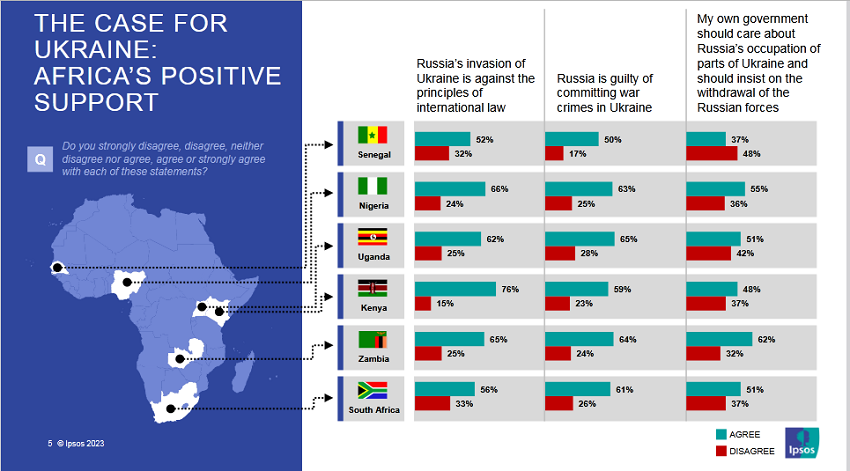
    A majority felt that the Russian invasion of Ukraine was against the principles of international law, that Russian forces should withdraw from Ukraine and that Russia was guilty of committing war crimes in Ukraine.

    These were the most important findings in a random study among individuals 18-years-old and older, who expressed an interest in news and politics in South Africa, Kenya, Nigeria, Senegal, Uganda, and Zambia.

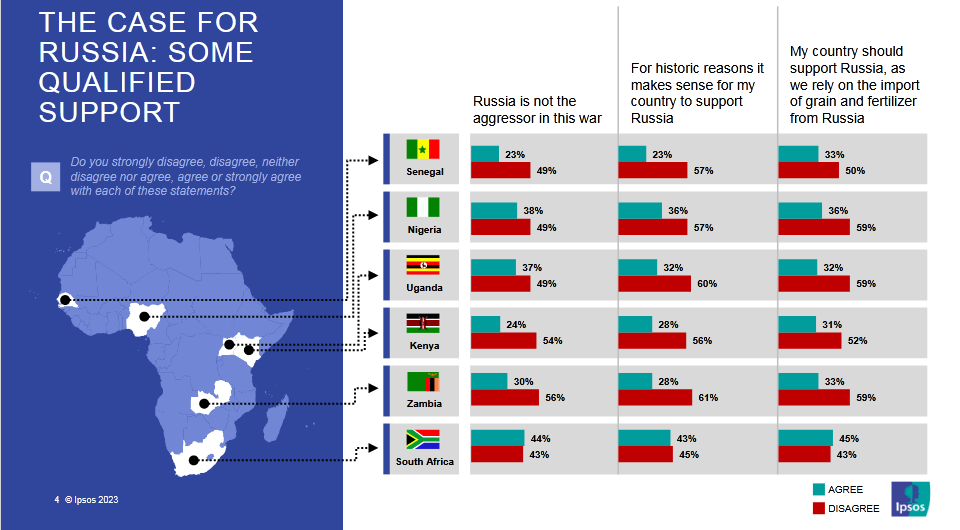
    In conducting the polling, several statements were read out to each respondent, and they then had to indicate whether they strongly disagreed, disagreed, neither disagreed not agreed, agreed, or strongly agreed with each of the statements.

    A minority agreed with the statements looking at the war from the Russian point of view – and in none of the six countries did a majority choose to agree with any of the three statements. However, South Africans were split down the middle in virtually equal proportions regarding all three opinions.

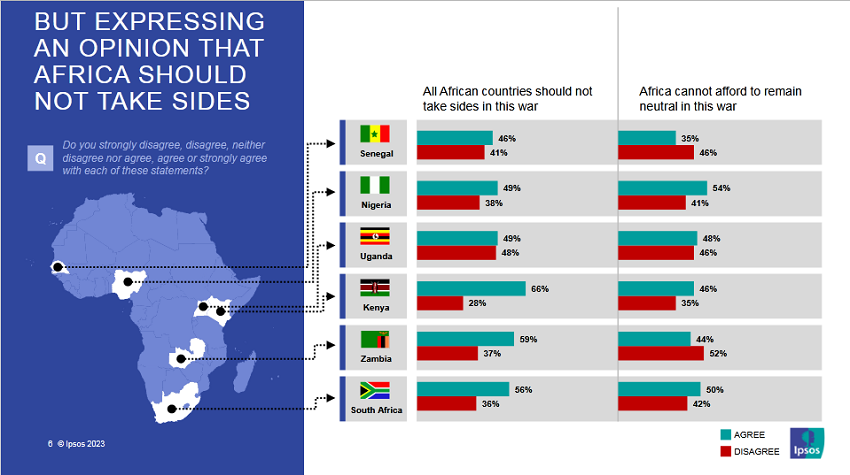
    Africans expressed strong feelings that their continent should stay nonaligned or neutral in this conflict and Kenyans, especially, felt that Africa should not take sides in the war. A smaller proportion of Nigerians, however, thought quite strongly that Africa could not afford to remain neutral in the war and should support Ukraine.

    Large majorities agreed that the war was not in Africa’s best interest, as it had detrimental effects on food supply and energy costs at home. Large majorities also agreed that “having lived through colonialism, conflict and forced occupations, we should not support any country in their attempts to illegally annex parts of another country without consequences”. However, Africans are not immune to regretting the devastation of war and they feel that both Russians and Ukrainians are war victims.

    Most Africans took a neutral stance when asked about whether their own government should support Russia or Ukraine. Majorities maintained that the ideal outcome would be somewhere in the middle of the two extremes. It is important to observe that larger proportions in all seven countries thought support for Ukraine rather than for Russia was in the best interest of their countries.

    Finally asked to make a personal choice there was definitely little ambiguity, and a majority in both Kenya and South Africa supported Ukraine. Substantial proportions in the other countries followed suit

  • Harnessing waste yogurt containers as planters

    Harnessing waste yogurt containers as planters

    Have you ever wondered what happens to your yogurt containers once you’ve finished enjoying your tasty treat?

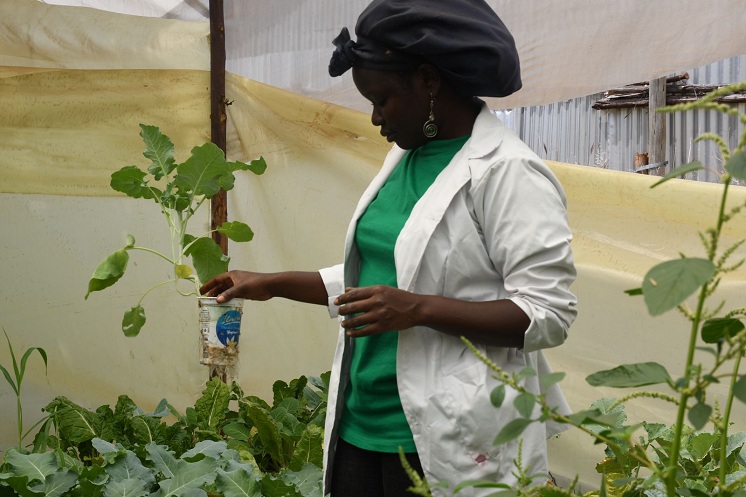
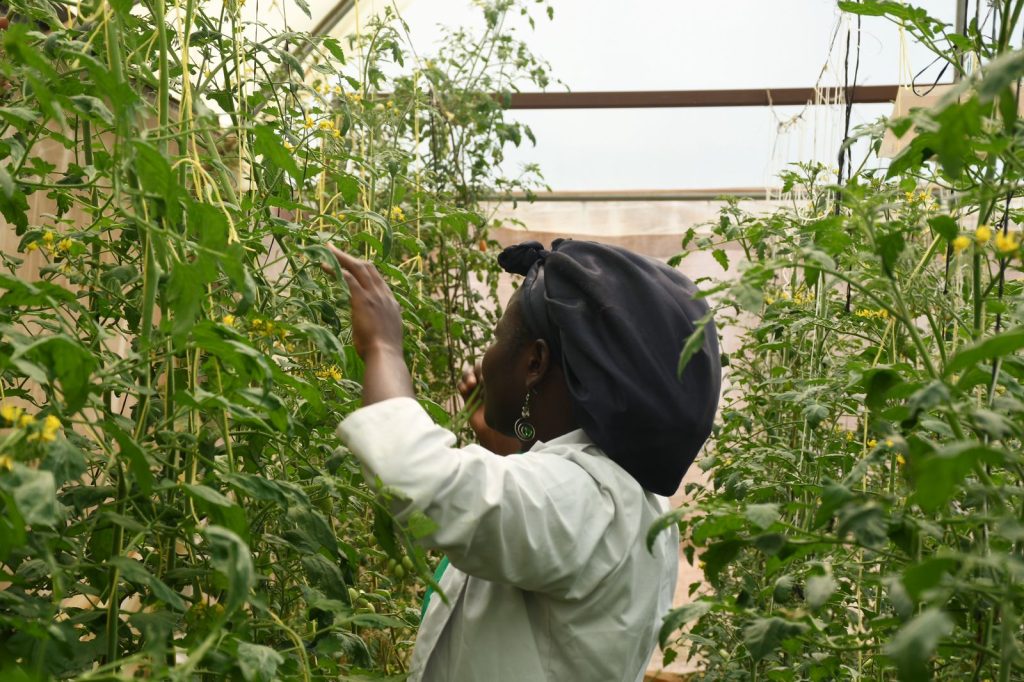
    Along Kenyatta Road, we had the opportunity to visit Hydroponics Enterprise, where we met Leah Ladona tending to her farm. Leah, a hydroponic expert and agronomist, is among the few urban farmers championing for climate justice and taking action for a more sustainable future.

    “Many people believe that hydroponic farming is expensive,” Leah explained, “but we have taken a cost-friendly approach while promoting environmental sustainability. We collaborate with residential caretakers to separate yogurt containers from other waste during disposal.”

    Leah is a hydroponic expert and agronomist

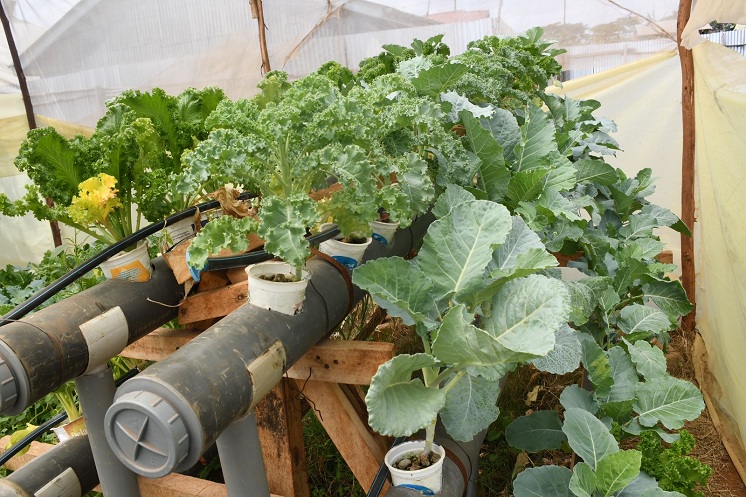
    Leah’s innovative approach demonstrates her commitment to addressing environmental challenges. In this type of farming, plants are grown in yogurt containers filled with pumice, serving as the growing medium. The containers are then placed in PVC pipes, which function as a system to supply water from a reservoir to each plant and back to the reservoir.

    This hydroponic setup not only facilitates efficient water conservation but also eliminates the risk of blockages since no soil is used.

    In recent years, climate change has resulted in unpredictable rainfall patterns. As a consequence, hydroponic farming has emerged as a sustainable approach to ensure food security. It offers several advantages, including increased yields, longer harvesting periods, resilience against climate change impacts, and the ability to cultivate crops in areas with limited arable land.

    Leah highlighted, “Instead of waiting for one or two months for a plant to yield, with hydroponic farming, the yield can be achieved in as little as two weeks. This not only saves a significant amount of time but also allows farmers to meet the demands of a consistent market by supplying produce almost every day.”

    “Instead of waiting for one or two months for a plant to yield, with hydroponic farming, the yield can be achieved in as little as two weeks,” says Leah

    Furthermore, hydroponic farming minimizes soil pollution, water pollution, and environmental degradation. By eliminating the need for traditional soil-based agriculture, it contributes to a greener and more sustainable environment. The utilization of waste yogurt containers as planters showcases the ingenuity and resourcefulness of urban farmers like Leah in their commitment to cultivating positive change.

    Let’s join hands in embracing hydroponic farming and its potential to revolutionize our agricultural practices. By adopting innovative and environmentally conscious approaches like this, we can pave the way towards a greener, more sustainable future.

    By Pollet Kang’oe

  • Africa festival in Niedernhausen: Supporting medical camps in Kenya

    Africa festival in Niedernhausen: Supporting medical camps in Kenya

    Get ready for a remarkable journey into the heart of Africa! On the horizon, a sensational African festival awaits, set to captivate attendees and support a noble cause.

    Organized by the esteemed non-profit organization “Doki’s Advice,” this upcoming event promises an immersive experience of African art, culture, and culinary delights for the entire family. Mark your calendars and be part of a truly charitable celebration that will make a difference in healthcare access in Kenya.

    Scheduled for Saturday, June 24th, the sprawling soccer field adjacent to the kindergarten on Wiesenpfad 10 in Niedernhausen will transform into a vibrant African oasis. From 12 p.m. to 7 p.m., be prepared to be dazzled by an array of interactive activities, cultural displays, and delectable dishes. Immerse yourself in the sights, sounds, and tastes of Africa, all in support of providing medical aid to those in need.

    The festival kicks off at noon with a captivating performance by Adesa, World Music Ghana, setting the stage for an enchanting day ahead. Explore a multitude of stands featuring eye-catching African clothing, exquisite jewelry, accessories, and intricately crafted imported handicrafts. Unleash your creativity at the children’s corner, where a handicraft table and face painting stations beckon the young ones. And for the elderly and pregnant women, a dedicated resting area provides a space to relax and engage in conversations, just like the African tradition.

    Feel the rhythm pulsating through your veins as you join drumming and painting workshops led by renowned professionals, Bam Tam and Kenyan painter Malack Silas.

    Unleash your inner artist and let the vibrant colors and beats of Africa ignite your imagination. At 3 p.m., be transported to a world of wonder as Adesa weaves African fairy tales and fables, brought to life through music, dance, colorful costumes, masks, acrobatics, and juggling. Experience the magic and wisdom of Africa, enchanting both young and old alike.

    Participate in the much-anticipated “Ms./Mr. Africa” fashion competition, where attendees dressed in traditional African attire or those who purchase items from the bazaar can showcase their style and win fantastic prizes. Witness the grand finale of the festival at the “Closing Event” at 6 p.m., where participants from the drumming workshops will showcase their newfound talents, creating an electrifying atmosphere filled with pulsating beats and infectious energy. And to conclude the festivities on a high note, an unforgettable “after party” awaits from 7 p.m. to 9 p.m., featuring the internationally renowned DJ Buuchezo.

    This remarkable event is organized by Doki’s Advice, a non-profit organization founded by Dr. Daniel Ogutu, an esteemed specialist in internal medicine based in Germany.

    With a steadfast commitment to providing medical advice and treatment to those in need in East Africa, particularly Kenya, Doki’s Advice aims to establish a diagnostic clinic in Kenya by the end of this year. By attending the Africa festival, you directly contribute to their vital medical camps and help improve healthcare access in the region.

    Looking ahead, Doki’s Advice envisions a future where a state-of-the-art diagnostics clinic in Kenya, alongside European-level training for medical staff, becomes a reality. The festival serves as a powerful platform to rally the community’s support, raising awareness about the healthcare challenges faced in East Africa while celebrating the rich tapestry of African culture.

    Don’t miss this extraordinary opportunity to help set up a state-of-the-art medical diagnostics clinic in Kenya, providing essential healthcare services to underserved communities. The clinic will not only offer advanced medical facilities but also provide European-level training for local medical professionals, ensuring sustainable healthcare development in the region.

    In addition to the clinic, “Doki’s Advice” has an ambitious plan to introduce a unique “Worktation” program, inviting European doctors to combine work and vacation in Kenya. This program aims to foster knowledge exchange, cultural understanding, and long-term collaborations between medical professionals from different parts of the world.

    By attending the Africa festival in Niedernhausen, you become an integral part of this transformative journey. Your presence and contributions will directly support “Doki’s Advice” in realizing their vision of improved healthcare and a brighter future for the people of East Africa.

    Don’t miss this opportunity to experience the richness of African culture, indulge in delectable cuisine, and make a charitable impact. Save the date, June 24th, and join us at the Africa Festival in Niedernhausen. Together, let’s celebrate diversity, embrace unity, and make a real difference in the lives of others.


  • Qatar Airways signs deal with Shell for sustainable aviation fuel supply

    Qatar Airways signs deal with Shell for sustainable aviation fuel supply

    Qatar Airways has signed a deal with Shell to source 3,000 metric tonnes of neat Sustainable Aviation Fuel (SAF) at Amsterdam Schiphol airport.

    It encompasses the existing jet fuel contract with Shell at Amsterdam which will now see Qatar Airways using at least a 5 per cent SAF blend over the contract period for the fiscal year 2023-2024. The Qatar Airways bilateral agreement with Shell is part of a wider effort initiated by the Oneworld alliance, which has a set target of using sustainable aviation fuel (SAF) for 10% of combined fuel volumes by 2030.

    Qatar Airways is the first carrier in the Middle East and Africa to procure a large SAF amount in Europe beyond government SAF mandates. SAF offers significant potential for decarbonisation as neat SAF can reduce full lifecycle emissions by up to 80% compared to conventional jet fuel.This means that Qatar Airways will be reducing its emissions on flights from Amsterdam by approximately 7,500 tonnes of CO2 for the fiscal year.

    Qatar Airways Group Chief Executive, His Excellency Mr Akbar Al Baker, said: “At Qatar Airways, we are strongly committed to supporting the industry’s effort to ramp up the use of sustainable aviation fuel, as one of the key pillars to decarbonise the aviation industry. Last year, we signed our first off take agreement in the US, and now we are placing a multi-million US dollar SAF deal in Amsterdam to illustrate our SAF commitment and reiterate our calls for a more robust SAF supply chain across our global network”.

    “We remain steadfast in our ambitious target of 10 per cent SAF use by 2030 and this announcement establishes another landmark for Qatar Airways that underlines the positive outcome of the industry’s collaboration which is critical to accelerating the SAF supply and achieving our target. SAF is still 3 to 5 times more expensive than fossil-based jet fuel. This is why it is essential for all stakeholders to play their part in facilitating research & development of SAF facilities, enhancing economies of scale, providing financing and placing supportive policies”.

    “Qatar Airways and Shell have a history of collaboration, so it is fantastic to now work together on decarbonisation as we supply them with SAF for the first time,” said Mr Jan Toschka, President of Shell Aviation.

    “SAF is a key lever for decarbonising aviation, but scaling its supply and use requires concerted action from across the aviation sector. Today’s agreement is a great example of the collaborative actions that are required to help accelerate aviation’s progress towards net zero.”

    Passengers and customers of Qatar Airways are able today to compensate for their flight emissions through the purchase of high-quality carbon credits, credited under International Civil Aviation Organization criteria, the UN’s aviation body.

    Qatar Airways currently invests in carbon credit projects that generate renewable energy, which help in reducing carbon emissions. Qatar Airways is also working on introducing a solution which will allow passengers and customers to offset their emissions by contributing to the cost of SAF.


  • Rethread Africa wins Ksh 34M in prestigious global award

    Rethread Africa wins Ksh 34M in prestigious global award

    Kenyan-based company, Rethread Africa, is among 10 winners of the 2023 Global Change Award, known as the Nobel Prize of fashion.

    They were among 10 global innovations that won €200.000 (over Ksh 34M) each to support their development in making the fashion industry planet positive.

    Rethread Africa’s submission showcased how bio-based synthetics can be extracted from a variety of raw materials. By turning waste from sugar and corn production into bio-based synthetics, this innovative material uses far fewer resources while upholding the same qualities as petrol-based alternatives. These textiles naturally decompose if discarded.

    This development reinforces the growing trend of sustainable fashion in Kenya where the Ministry of Environment estimates that the country generates approximately 22,000 tons of textile waste each year.

    In 2019, the government launched the National Textile Policy, which aimed to boost the local production of textiles and garments using sustainable practices.  According to a survey conducted by the Sustainable Inclusive Business (SIB) program, 60 percent of Kenyans believe that sustainable fashion is important.

    “Over the next 12 months, we hope to get our fabric into the hands of fashion designers, creatives, and brands. We want to get our fabric past the R&D phase and into textile stores at a comparable quality, if not better, than petrol-based synthetics. To do this, we hope to increase the impact we have on smallholder farmers and expand the farmer base beyond Kenya.” Says Charles Oyamo, CEO of Rethread Africa.

    Karl-Johan Persson, H&M Foundation board member, commented “We have an urgent opportunity to support innovations that could transform the entire fashion industry – that’s why we’re doubling the grant and the number of winners. We’re giving these innovators a total of 2 million euros and access to our accelerator program – but we’re also giving the industry an opportunity to connect with these brilliant innovators. I’m excited to see the impact these innovators will make on the industry.”

    Christiane Dolva, Strategy Lead H&M Foundation, added “There’s a wide range of solutions among this year’s winners. If scaled, I believe they could have a real impact on the industry – which needs a holistic transformation if we are to reach a planet positive fashion future. We look forward to working with the winners during the accelerator and help enable their innovations to accelerate and scale.”

    Initiated and launched in 2015 by H&M Foundation as the first innovation challenge of its kind, the Global Change Award is a global innovation challenge seeking bright minds that can reinvent fashion and change the way it is seen, worn, and made.

    Over 35 innovations have received a combined grant of 7 million euros and become key members of GCA Alumni, a valuable network for connection and collaboration, supported by H&M Foundation and its partners.

  • Tala names Agnes Muthoni as head of growth and strategy for Kenya

    Tala names Agnes Muthoni as head of growth and strategy for Kenya

    Tala has announced the appointment of Agnes Muthoni as the new head of growth, and strategy.

    She takes over from Annstella Mumbi who has been appointed interim General Manager for Tala-Kenya.

    Muthoni will be responsible for driving Tala’s strategic initiatives, fostering growth and advancing the organization’s projections of growing three-fold over the current financial year.

    She brings a wealth of experience and expertise to the private lender having spent over 15 years in strategy, partnerships,product and customer experience.She has spent most of her career working for financial institutions including Standard Chartered bank and hyper-growth startups in Africa namely Cellulant and Andela, where she helped the organization grow from Series B to Series E funding raising $381M.

    “I am honored and delighted to be join Tala, I look forward to working with the team to further accelerate growth and maximize the positive impact of easily accessible and affordable credit on society. Together, we will strive to unlock the full potential of FinTech while ensuring its ethical and responsible deployment,” said Agnes.

    Having been licensed to operate as a digital credit provider by the Central bank of Kenya earlier in Q1, Agnes will play a pivotal role in shaping Tala’s strategic direction and driving its expansion into new markets and sectors. She will collaborate closely with a talented team of researchers, engineers, and business professionals to identify growth opportunities, forge strategic partnerships, and develop innovative solutions.

    “Agnes’s appointment as the Head of Growth and Strategy marks an important milestone for us,” said Annstella Mumbi, Interim GM of Tala-Kenya.

    “Her deep understanding of the technology landscape, combined with strategic vision and leadership capabilities, make her the ideal candidate to lead our growth initiatives. We are thrilled to have her on board as we continue to push the boundaries building the future of finance and deliver value to our partners and customers.”

  • Kenyans in Germany showcase culture in Frankfurt

    Kenyans in Germany showcase culture in Frankfurt

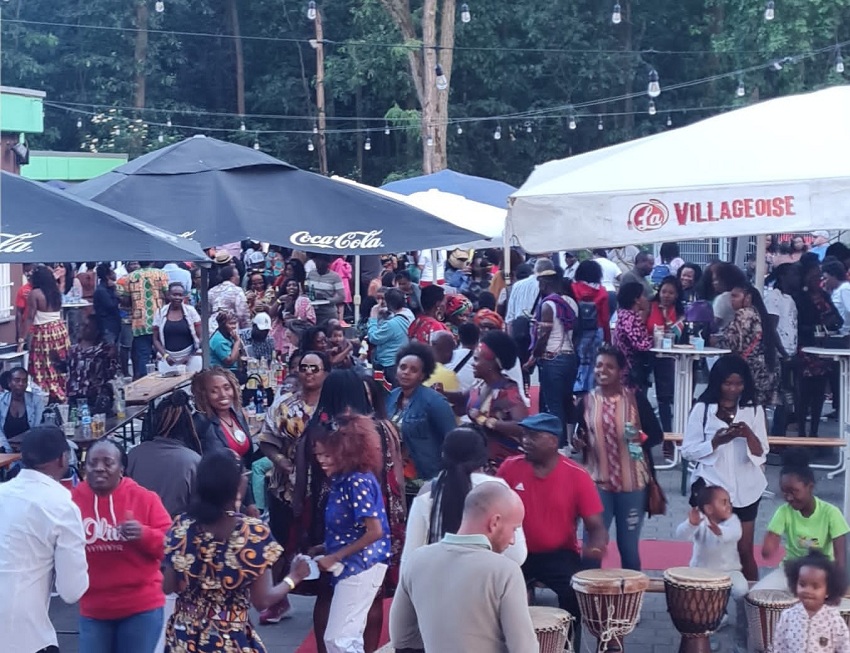
    The vibrant spirit of Kenya came alive as Kenyans in the diaspora gathered in Frankfurt am Main, Germany, to commemorate the highly anticipated 5th edition of Kenyan Cultural Day.

    This annual event, which began as a small BBQ gathering along the Main River in Hanau am Main, has evolved into a grand celebration of Kenyan culture, attracting a growing number of attendees each year. With the support of sponsors and well-wishers, the event embraced a diverse range of activities and culinary delights that captivated both adults and children.

    A Journey of Growth and Success:

    The roots of Kenyan Cultural Day can be traced back to 2013 when a group of five Kenyan friends and their families started gathering for BBQs at a park along the Rhine River in Hanau am Main. As the popularity of these gatherings grew, the Rafiki’s am Main Association was established and registered by the District Court of Hanau am Main in 2016. Inspired by the increasing number of attendees, Rafiki’s expanded its events to include family and friends’ open-air gatherings, and cultural festivities.

    The first-ever Kenyan Cultural Day took place in the summer of 2017 in Frankfurt am Main, attracting a remarkable turnout of Kenyans who embraced the opportunity to celebrate their heritage. Despite the challenges posed by the COVID-19 pandemic, the event persevered, returning in 2021 with an open-air Nyama Choma BBQ festival.

    The following year, in 2022, Kenyan Cultural Day embarked on a European tour with a famous Kenyan artist, culminating in an exclusive Nyama Choma festival in Frankfurt am Main. The event witnessed a significant increase in attendees, with over 400 Kenyans and friends, including children, gathering to revel in the festivities.


    The Excitement of the 5th Edition:

    With the demand for Kenyan Cultural Day soaring, the organizers embarked on the planning of the highly anticipated 5th edition in 2023. This time, they decided to enhance the experience for the younger attendees by investing in various kid-friendly activities. The event offered thrilling drumming workshops, engaging dance competitions, acrobatic performances, captivating animations, plays, and an enchanting kids’/parents’ fashion show, featuring designs by renowned Kenyan designers. The supervised kids’ corner and bouncing castle ensured that the little ones had a day filled with fun and excitement.

    For the adults, the event showcased the rich diversity of Kenyan cuisine, allowing attendees to indulge in Swahili port, Mama Park’s fish, succulent Nyama Choma, traditional staples like Ugali and Mukimo, refreshing Kachumbari, and the delicious Mboaga Mchicha. The culinary delights transported attendees back to the flavors and aromas of Kenya, creating a nostalgic ambiance.

    Mobilization Challenges and Gratitude:

    Organizing an event that brings together 500 Kenyans is no small feat, but the dedicated organizers of Kenyan Cultural Day have been able to achieve this remarkable milestone through years of hard work and support from the Kenyan diaspora. The event has received tremendous appreciation and backing from the community, with attendees showing unwavering support and making it a resounding success. The organizers expressed their heartfelt gratitude to the sponsors who played a vital role in making the event possible.

    Looking to the Future:

    Beyond the festivities and celebration, Kenyan Cultural Day reminds Kenyans in the diaspora to invest in their homeland. The event organizers encourage attendees to invest back home with Dhahabu Lands Limited. Dhahabu Lands Limited offers opportunities for Kenyans in the diaspora to invest in real estate projects and contribute to the development of their homeland. Whether it’s purchasing land, residential properties, or commercial spaces, Dhahabu Lands Limited provides secure and reliable investment options.

    In addition to investing in real estate, Kenyans in the diaspora can also support their homeland by utilizing the services of Kesland Freight Ltd Germany. Kesland Freight specializes in the efficient and reliable transportation of goods and freight from Germany to Kenya. By choosing Kesland Freight, Kenyans in the diaspora can easily send goods and packages back home, strengthening ties with their families and contributing to the local economy.

    Moreover, the event organizers encourage attendees to book their travel experiences and adventures with Bornfire Adventures. Bonfire Adventures offers a range of tailored trips and tours to explore the beauty and diversity of Kenya. From wildlife safaris to cultural excursions, Bonfire Adventures ensures unforgettable experiences while supporting local communities and preserving the natural environment.

    By investing in real estate, sending goods through Kesland Freight, and booking trips with Bornfire Adventures, Kenyans in the diaspora can make a positive impact on their homeland and contribute to its growth and development.


  • Why solving the plastic menace requires cross-sectoral collaboration and partnerships

    Why solving the plastic menace requires cross-sectoral collaboration and partnerships

    Lilongwe, Malawi June 5 2023: Today is World Environment Day, a day the UN set aside to encourage awareness and action for protecting the environment.

    World Environment Day (WED) 2023 is being hosted by the Republic of Côte d’Ivoire in partnership with The Netherlands.

    The focus for WED 2023 is on solutions to plastic pollution under the campaign #BeatPlasticPollution. The day reminds us that people’s actions on plastic pollution matter and highlights some of the actions governments and businesses are taking to tackle the issue.

    The UN Environmental Agency says that the world is inundated with plastic waste. Over 400 million tonnes of plastic are produced yearly, half designed for single use.

    Consequently, huge amounts of plastic persist for long periods in the environment, with hazardous effects on the health and well-being of people and the planet.

    The main driver of these worsening harms is almost an exponential and still accelerating growth in global production and consumption of plastics. The projected population growth, urbanisation, and consumption pattern shifts will likely exacerbate the challenge.

    Of the approximately 172 million tonnes of plastics consumed in Africa, less than 10 per cent is recycled. An estimated 19-23 million tonnes end up in lakes, rivers and seas, devastatingly affecting society, economy and the environment.

    According to the UN, several countries in Africa including Côte d’Ivoire, Tanzania, Kenya, Mali, Cameroon, Uganda, Ethiopia, Malawi, Morocco, South Africa, Rwanda and Botswana have implemented strict policies on single-use plastics such as bans and high taxes. However, these have had mixed results.

    As we focus on efforts to beat plastic pollution, we are not oblivious that the war against plastic pollution is more than riding off eyesore garbage from our neighbourhoods. Instead, like many development challenges we seek to address, plastic pollution is intricately linked to other sectors. Furthermore, the challenge is also gendered and affects women and men differently. Often, women also get more exposure to micro-plastic wastes than men. In Uganda, for example, 8 in ten people who collect plastic waste are women and thus exposed to the dangers of pervasive micro-plastic wastes on their bodies.

    Plastics’ impacts on fisheries lead to the reduction of fish which affects fisherfolk’s ability to meet their families’ food needs, with disproportional effects on women and children. Female-headed households relying on the fish trade are affected the most. Besides the plastic pollution in the fishing trade, female fish traders face a high risk of sexual harassment and gender-based violence.

    Multifaceted development challenges like plastic pollution require cross-sectoral systems thinking, which recognizes the interconnectedness of sectors and actors.

    Incidentally, such efforts to address plastic pollution should not be confined to the environmental sector as they require joint action and partnerships with other sectors such as public health; trade and manufacturing; gender, youth and social development; among others.

    The USAID-funded BUILD project recognizes people’s interconnectedness, health, and the environment on which life depends.

    Implemented in Africa and Asia, the BUILD project seeks to support decision-makers to appreciate systems thinking and understand the cross-sectoral benefits of health, including the role of population dynamics and voluntary family planning.

    The project also seeks to increase gender equality and promote youth empowerment to achieve sustainable development outcomes.

    The author, Clive Mutunga, is the Director of the USAID-funded BUILD Project. BUILD is implemented by a consortium of partners in Africa, Asia and the U.S., led by the African Institute for Development Policy (AFIDEP)

  • Qatar Airways unveils ambitious plans for Africa in 2023

    Qatar Airways unveils ambitious plans for Africa in 2023

    Qatar Airways is setting its sights on further expanding its presence and operations in Africa in 2023.

    With a robust recovery plan in place, the airline aims to capitalize on the continent’s potential for growth and become a leading carrier in the region. Through strategic partnerships, increased flight frequencies, and a commitment to quality service, Qatar Airways is positioning itself for success while fostering trade, commerce, and tourism across Africa.

    Qatar Airways is committed to strengthening its connectivity across Africa, recognizing the continent’s immense potential for growth. By leveraging its extensive network and unrivalled knowledge of global passenger flows, the airline plans to expand its operations to key markets and sectors in Africa. Notably, Nigeria has emerged as Qatar Airways’ most connected market in Africa, leading to the launch of new services to Kano and Port Harcourt, in addition to existing flights to Lagos and Abuja.

    Strategic partnerships play a vital role in Qatar Airways’ plans for Africa. The airline recently announced a comprehensive codeshare agreement with Airlink, a South African carrier, offering travellers enhanced services and improved connectivity between 45 destinations in 13 countries across the region.

    Additionally, Qatar Airways and RwandAir signed a comprehensive codeshare agreement, granting the Rwandan carrier access to Qatar Airways’ extensive network across Africa and the rest of the world. Plans to launch cargo flights to Kigali further reinforce Qatar Airways’ commitment to bolstering intra-Africa routes.

    Qatar Airways recognizes the significant role it can play in boosting trade and commerce within Africa. By increasing its flight frequencies and expanding its network to over 150 destinations worldwide, the airline aims to improve connectivity and provide travellers with more choice and convenience. These efforts will not only enhance travel experiences but also act as catalysts for increased economic activity, facilitating the movement of goods, medicines, and essential travel between Africa and the rest of the world.

    To maintain its competitive edge in the region, Qatar Airways remains dedicated to continually improving its services. Celebrating its first anniversary in Kano and Port Harcourt, Nigeria, the airline acknowledges the support it has received from Africans and aims to enhance each service provided to its clients. The company is committed to listening to customer feedback and tailoring its services to meet their needs effectively.

    Looking ahead, Qatar Airways is poised to capitalize on the promising future of the airline industry as it gradually recovers from the impact of the COVID-19 pandemic.

    The International Air Transport Association predicts a return to profitability for the global airline industry in 2023, with the Middle East airlines, including Qatar Airways, expected to see passenger demand rise by 23.4%. Qatar Airways’ expansion plans in Africa align perfectly with these projections, positioning the airline to tap into the continent’s growth potential and drive profitability.

    As Qatar Airways embarks on its ambitious plans for Africa in 2023, the airline is set to make significant strides in expanding its reach, enhancing partnerships, and driving trade and commerce across the continent. With its unwavering commitment to quality service, coupled with strategic initiatives and a keen focus on customer satisfaction, Qatar Airways aims to solidify its position as a leading global carrier connecting Africa.

    By strengthening its operations and network in Africa, Qatar Airways aims to contribute to the growth and development of the region while providing travellers with seamless, world-class experiences.