Author: Christine Muchira

  • NPS calls for calm as security reinforced in Tseikuru following deadly attacks

    NPS calls for calm as security reinforced in Tseikuru following deadly attacks

    The National Police Service has called for calm and restraint following a series of deadly retaliatory attacks in Tseikuru Sub-county, Kitui County.

    In a statement, NPS condemned the attacks noting that the chronology of criminal attacks points to a pattern of retaliatory attacks involving two communities.

    “The chronology of criminal attacks below points to a pattern of retaliatory attacks involving two communities which must not only be condemned but also stopped immediately,” the statement read.

    The police say on 29th March 2026, a 44-year-old herdsman was killed near Mwingi Game
    Reserve. The following day, 30th March 2026, a suspected retaliatory attack left four people dead and yesterday, 25th April 2026, an attack on Kwa Kamari area left seven people dead.

    The Inspector General of Police Douglas Kanja, has already dispatched a high-powered security team led by Eliud Lagat, the Deputy Inspector General of the Kenya Police Service (DIG-KPS), who is already on the ground this morning at Kwa Kamari, Tseikuru.

    Additionally, NPS says reinforcements are also being dispatched to the area adding that the whole aspect of these attacks will be investigated exhaustively and to a logical conclusion.

    The NPS has committed to take all necessary measures to combat the violence and urged community leaders to speak the language of peace and reconciliation as criminal culpability and ultimate justice are pursued.

    Any person with any information regarding these incidents has been asked to give the police the
    necessary support by reporting to the nearest police station or law enforcement officer, or to share the same via our toll-free numbers 999 or 911 or anonymously via our #FichuaKwaDCI on 0800 722 203 or WhatsApp 0709 570 000.


  • New dawn for Chirichiro as rural electrification sparks opportunity

    New dawn for Chirichiro as rural electrification sparks opportunity

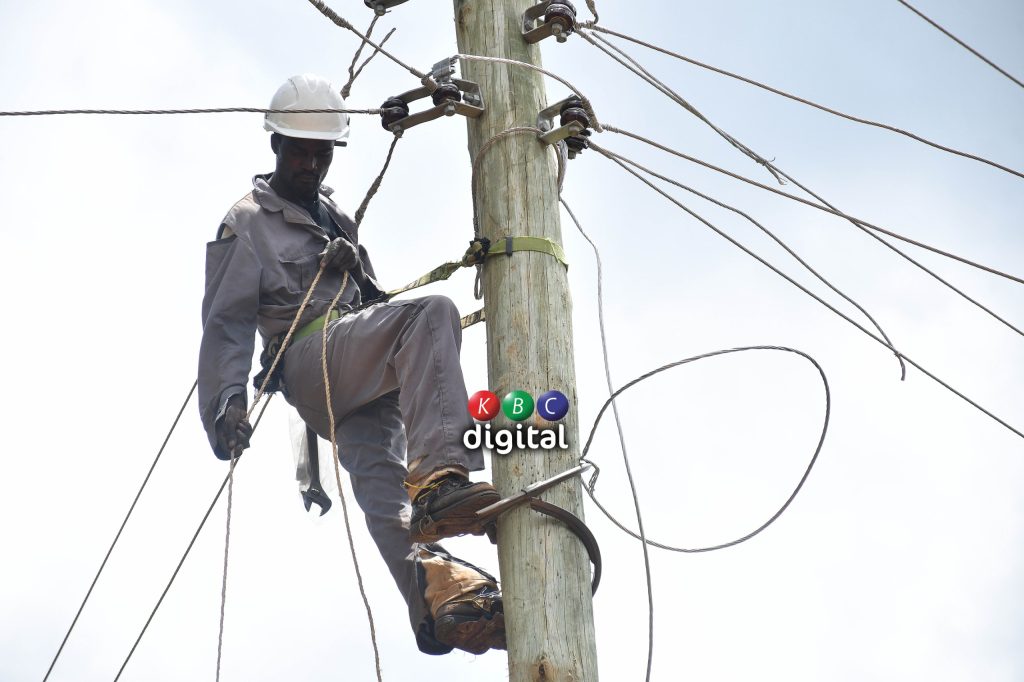
    As the sun rises over Chirichiro village in Nyamira County, Kenya, it casts a warm glow across the remote communities long defined by darkness.

    Isaac Nyaguka Kerage has lived without electricity for decades and like many other households in this hilly village, his family relied on alternative and costly options restricting economic activity and denying youths like himself opportunities that rely on reliable power.

    Today, Kerage and his fellow youths can now breath a sigh of relief following electrification projects undertaken by the Rural Electrification and Renewable Energy Corporation (REREC) in the area that include markets, tea buying centers, churches, schools as well as households.

    Speaking to KBC Kerage a student at Kisii Polytechnic studying plumbing said the arrival of electricity in his village is more than just a basic service noting that youths can now undertake businesses that rely on electricity.

    He noted that many young people in the area have been unable to access modern skills training or start small businesses due to lack of power.

    “Electricity will empower young people to start businesses like barber shops and cyber cafés and help reduce crime among the youth,” said Kerage.

    Since inception, the Rural Electrification and Renewable Energy Corporation has invested Ksh.150B in rural electrification boosting access from 4% in 2008 to over 75% today.

    With electrification, youth are expected to venture into income-generating activities such as welding, barbering, electronics repair, and small-scale agro-processing, while others can now pursue technical skills that require electricity, including ICT and device repair.

    Speaking to Nyamira residents, the Chief Executive Officer REREC, Rose Mkalama said the impact of rural electrification goes beyond household lighting, adding that it is a critical driver of youth empowerment and economic transformation.

    Mkalama noted that ‘Electricity is not just power; it’s an opportunity’. “From small businesses to longer study hours for our children, access to electricity will transform lives and create brighter futures.” she said.

    She called on parents and guardians to empower the youth with opportunities that rely on electricity saying “When electricity comes, jobs should follow. Let’s empower our youth with opportunities in wiring, installation, and other electrification works.”

    The REREC CEO highlighted the positive impact of electricity on education noting that access to electricity increases study time improving  learning.

    “More electricity means more study time. I encourage parents to take children to school. Connection to power will give our children more time to study and excel in school,” she said.

    At the same time, the CEO cautioned residents against fraudsters posing as agents offering electricity connections for a fee.

    “Do not pay anyone to connect electricity. Government connections are free. Ensure your home is properly wired by a certified electrician and always verify credentials,” she warned.

    Picture by Jackson Mnyamwezi

    Further she noted that access to power will enable young people to innovate, start enterprises, and tap into digital opportunities that were previously out of reach, especially in hard-to-reach hilly areas.

    The development is also expected to support the growth of micro-enterprises, reduce unemployment, and curb social challenges linked to idleness, including substance abuse among some young people.

    Stakeholders behind the project say rural electrification remains a key driver of inclusive economic growth, bridging the gap between rural and urban economies by enabling youth to participate in the digital and industrial economy.

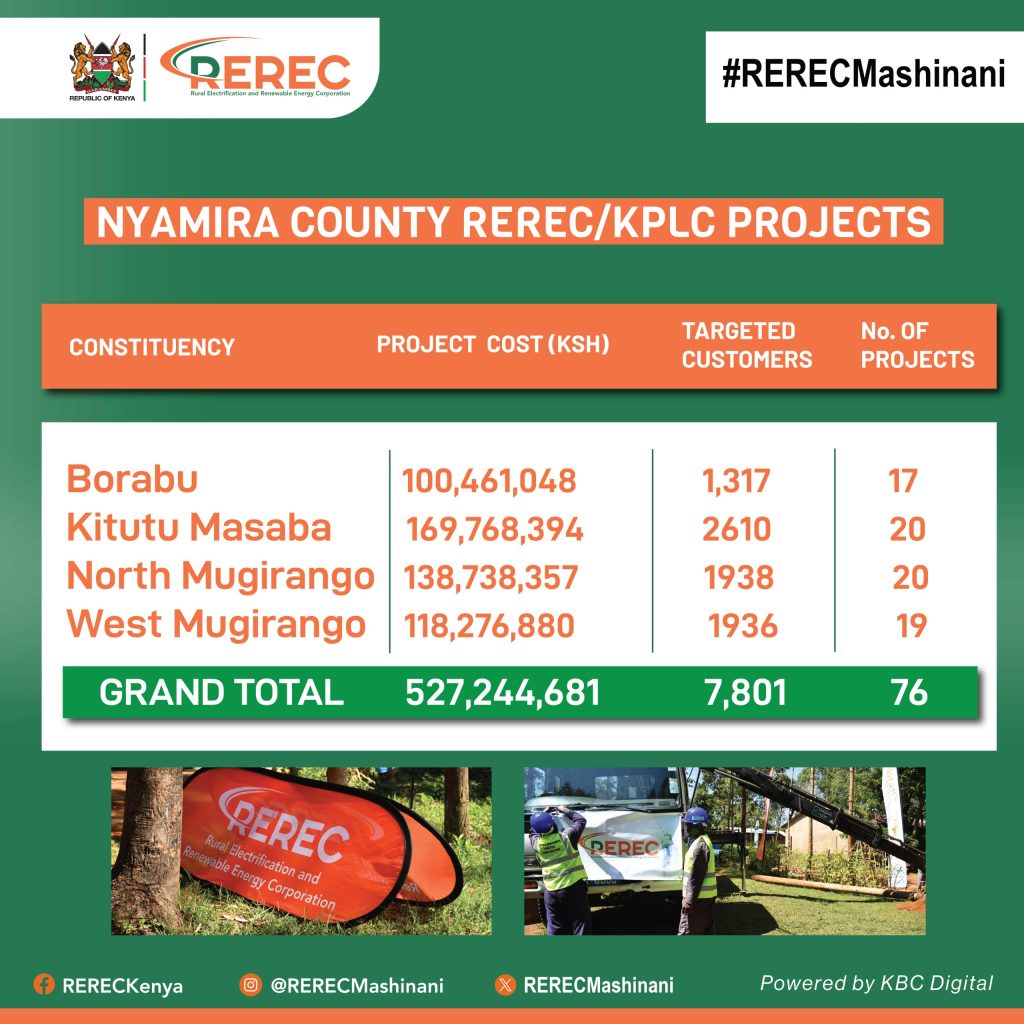
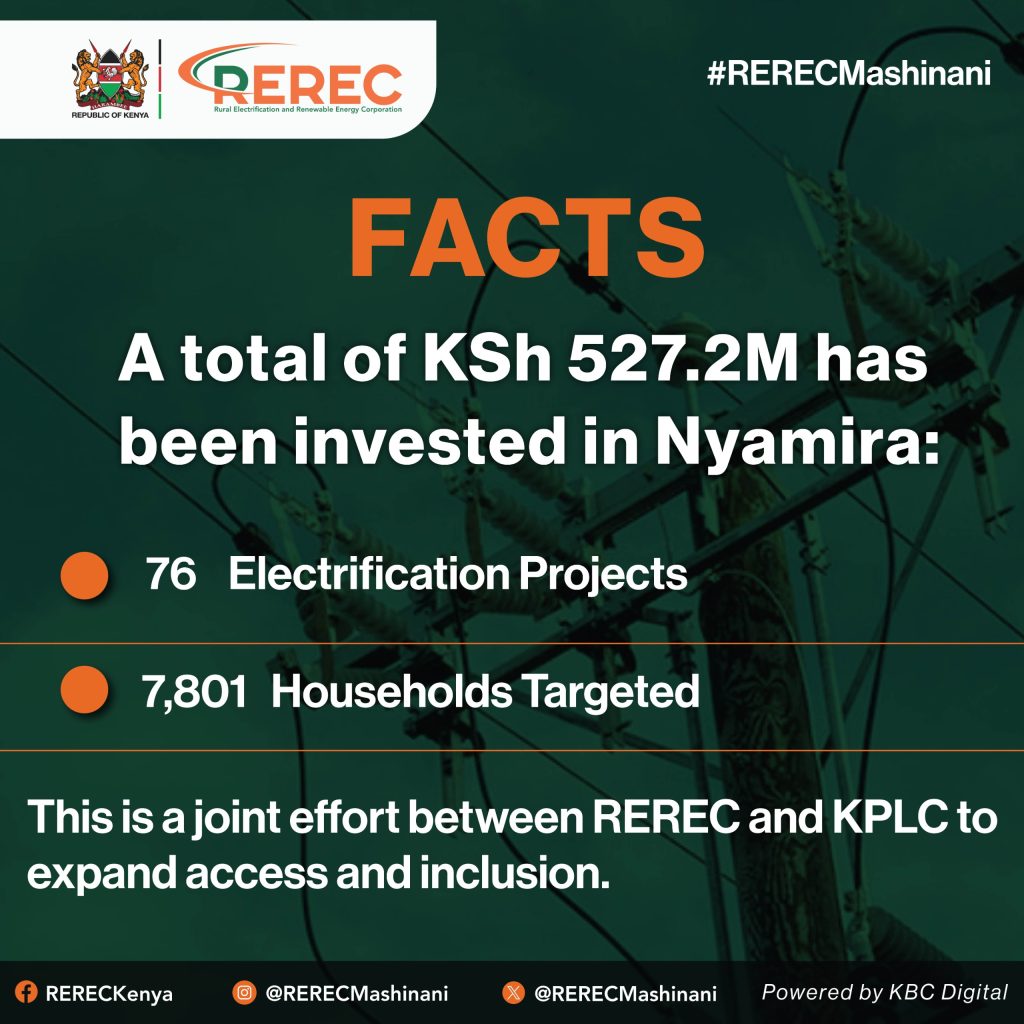
    A total of Ksh 527.2 million has been invested in electrification projects across Nyamira County with 76 electrification projects targeting 7,801 households. The initiative is a joint effort between the Rural Electrification and Renewable Energy Corporation (REREC) and Kenya Power and Lighting Company (KPLC) aimed at expanding access and inclusion as well as drive socio-economic development in the region.

  • Kenyan children’s book “Amani and the Last Seed” launched, inspiring young climate action

    Kenyan children’s book “Amani and the Last Seed” launched, inspiring young climate action

    Majesty Publishing House Africa has officially launched Amani and the Last Seed, a new children’s book by Kenyan author Cynthia Wambua.

    The book introduces young readers to a new kind of African hero; one who proves that no age is too small to tackle one of Africa’s most daunting challenges.

    At a time when the climate crisis has become urgent, Amani and the Last Seed offers a narrative of hope and agency.

    The story follows Amani, a young girl who witnesses the devastating effects of deforestation in her community. Rather than waiting for adults to intervene, Amani takes decisive action, embarking on a journey to protect the environment and restore the green canopy of her home.

    Cynthia Wambua, author of Amani and the Last Seed and Lorraine Onduru, CEO of Majesty Publishing House Africa hold a copy of the newly released children’s book

    “At Majesty Publishing House Africa, our mission is to develop and shape authentic African narratives,” says Lorraine Onduru, CEO of Majesty Publishing House Africa.

    “It is critical that our children see themselves reflected in stories where they are the protagonists of change. Amani is not just a character; she is a mirror for every African child to see their own potential in solving global issues like climate change,” she added.

    Targeting children aged 5–9, the book is designed with high readability and vibrant illustrations to engage early readers. By centering an African girl as an environmental champion, the book fills a vital gap in the literary market, providing relatable “home-grown” heroes for the next generation of environmental stewards.

    Cynthia Wambua, author of Amani and the Last Seed

    As Cynthia’s first published work, Amani and the Last Seed marks the beginning of a promising literary journey focused on empowering the youth through storytelling.

    “I wanted to create a story where children don’t just learn about the environment, but feel empowered to act for it,” says author Cynthia Wambua. “Amani represents the courage and resilience I see in children across the continent today.”

    Readers can purchase the book through the following channels: In-store: Nuria Store, or via admin@majestypublishingafrica.com,as well as on social mediahandles through @majestypublishing_africa (Instagram) or @majesty.publishing (TikTok).

    Cynthia Wambua is a writer and advocate for early childhood literacy. Amani and the Last Seed is her first book, born from a passion for environmental conservation and the belief that African children deserve heroes who look and live like them.


  • ODPP reaffirms commitment to human rights

    ODPP reaffirms commitment to human rights

    The Office of the Director of Public Prosecutions (ODPP) has reaffirmed its commitment to strengthening justice, accountability, and the rule of law in Kenya.

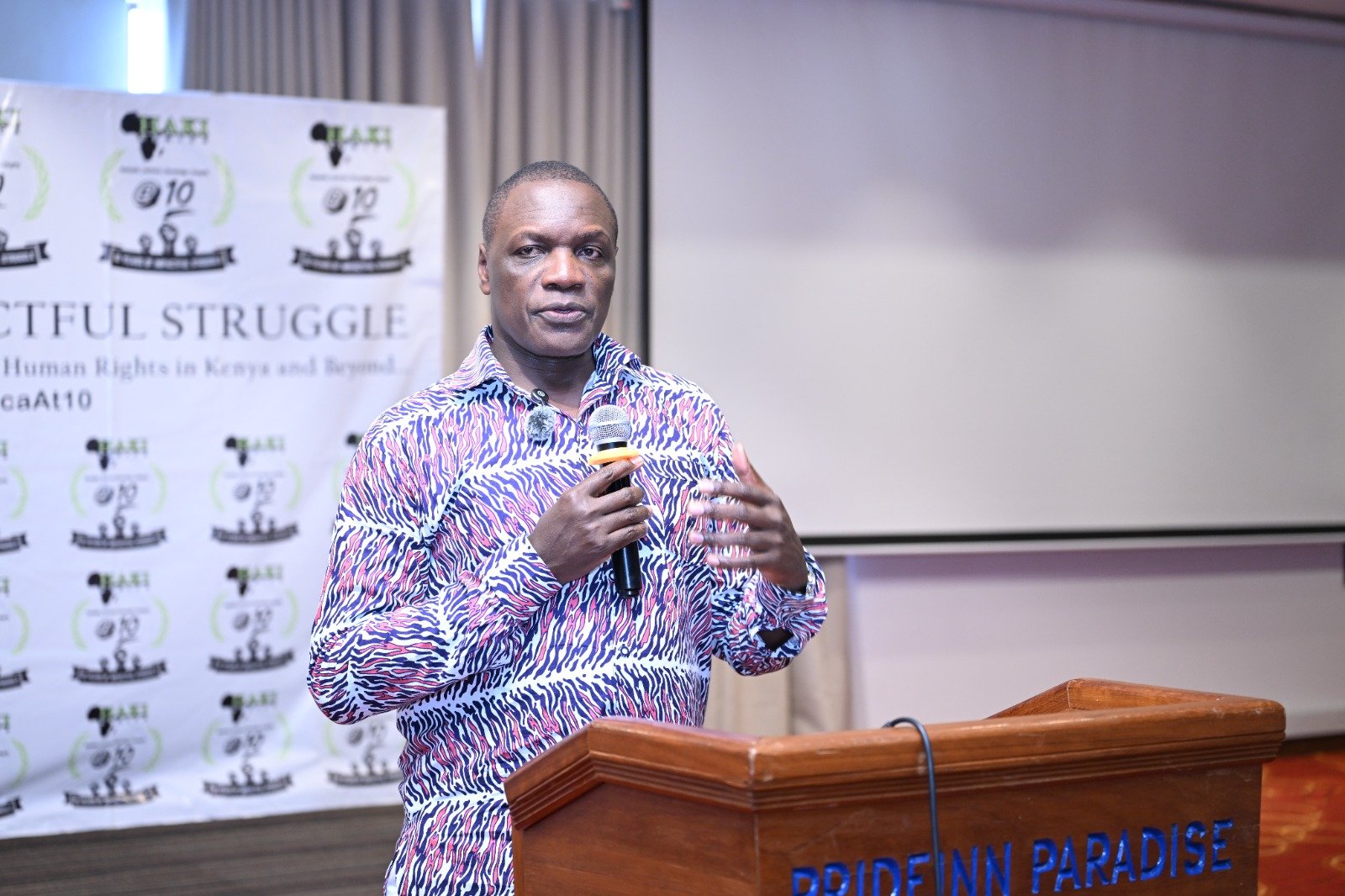
    Speaking at the Haki Africa 10-Year Anniversary Conference held in Mombasa on behalf of the Director of Public Prosecutions, Renson Ingonga, the Secretary, Public Prosecutions, Alloys Kemo, praised Haki Africa for its consistent role in promoting human rights and and encouraged the organisation to remain bold and steadfast in championing the rights of all.

    “You have been our cheerleaders for the good work we’ve done, and you have also challenged us where we fall short of your expectations. We may not be perfect, but these continuous engagements are what guide us towards achieving a better society,” said Kemo.

    He emphasized that the ODPP is anchored on the belief that justice and development are inseparable, noting that public trust in the rule of law, where the law applies equally to all regardless of status, is fundamental to a democratic society.

    Kemo further underscored that the ODPP operates strictly within the rule of law and is guided by key policy frameworks, including the Decision to Charge Guidelines, which ensure fairness and consistency in prosecutorial decisions.

    The event held on Saturday brought together civil society actors, development partners, and community representatives to reflect on a decade of human rights advocacy and chart the future of justice and accountability efforts in the region.

    On his part, Haki Africa Executive Director, Yusuf Abubakar reflected on the organization’s 10-year journey, highlighting its collaboration with the ODPP in addressing issues such as terrorism, radicalization, and the use of excessive force by law enforcement agencies.

    He noted that these engagements have fostered a human rights-based approach, including the adoption of soft strategies in working with duty bearers, and acknowledged notable progress within the ODPP, particularly in decision-making processes on charging.

    Haki Africa Board Chairperson Prof. Najya Mohammed also highlighted the organization’s decade of impactful interventions in addressing various human rights violations and promoting justice for vulnerable communities.

    The celebrations culminated in the launch of the Haki Africa Strategic Plan 2025–2028, setting the stage for the organization’s next phase of impact, followed by a commemorative cake-cutting ceremony marking ten years of resilience, advocacy, and transformative partnerships.

  • Suspect arraigned after police seize bhang worth Ksh 4.4M in Kikuyu

    Suspect arraigned after police seize bhang worth Ksh 4.4M in Kikuyu

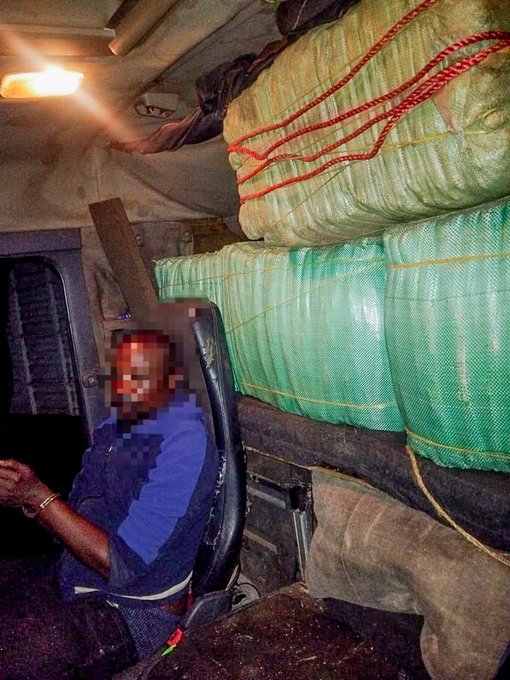
    A suspect has been arraigned in court after police officers seized narcotics valued at approximately Ksh 4.4 million during an operation in Kikuyu Sub-County, Kiambu County, as the crackdown on drug trafficking intensifies.

    According to police, a suspect was arrested and a haul of narcotic drugs recovered in a recent operation conducted along the Naivasha–Nairobi Highway.

    During the operation, officers intercepted a vehicle and, upon searching it, recovered four sacks containing substances suspected to be cannabis sativa (bhang), concealed within the trailer.

    The drugs are estimated to have a street value of approximately Ksh 4.4 million.

    The suspect was arrested, taken into custody, processed, and arraigned in court, while the vehicle was detained pending further legal processes.

    The authorities say the operation underscores the continuity and consistency of police interventions in addressing drug-related offences in Kiambu County.

    Members of the public have been urged to remain vigilant and report suspicious activities as part of broader efforts to combat drug-related crime in Kiambu County.

  • Kenya underscores need to expand surgical care, launches strategic plan

    Kenya underscores need to expand surgical care, launches strategic plan

    The government has underscored the importance of expanding access to safe and affordable surgical care is central to strengthening Kenya’s health system and advancing Universal Health Coverage.

    This commitment was highlighted during the launch of the first National Surgical Services Strategic Plan (2026–2031) by the Ministry of Health, marking a major milestone in improving surgical, obstetric and anaesthesia services across all levels of care.

    Speaking during the Surgical Society of Kenya Annual Scientific Conference, Principal Secretary for Medical Services, Dr Ouma Oluga, said the strategy provides a bold, costed roadmap aligned to Universal Health Coverage, aimed at reducing preventable deaths and improving outcomes, especially in underserved areas.

    He noted that surgical care remains a critical pillar of quality healthcare, and highlighted key reform enablers including health financing through the Social Health Authority, commodity security, digitalisation, and health workforce development.

    Nearly 29 million Kenyans are now registered under the Social Health Authority, strengthening access and financial protection for patients.

    The plan outlines targeted actions to build surgical workforce capacity, expand infrastructure, strengthen referral systems, integrate surgical indicators into health information systems, and enhance coordination across national and county governments, professional bodies, private sector and partners.

    Dr Oluga also urged healthcare professionals to embrace digital innovation to improve patient care and data systems, as he officially launched the strategy.

    In attendance were President of the Surgical Society of Kenya, Prof. Odula; Chair of Chairmen, Surgical Society of Kenya, Dr Mwachiro; members of the Surgical Society of Kenya; and representatives from national and county governments, among other stakeholders.

  • Kenya, Italy adopt 2026–2029 Action Plan to deepen strategic partnership

    Kenya, Italy adopt 2026–2029 Action Plan to deepen strategic partnership

    Kenya and Italy have adopted a comprehensive Action Plan for the period 2026–2029 aimed at strengthening bilateral relations across key areas that include, trade, education, security, technology and sustainable development.

    The agreements were reached Monday between the Italian Prime Minister Giorgia Meloni and  President William Ruto of Kenya who is on an official visit to Rome.

    The plan builds on the Mattei Plan for Africa, which positions Kenya as a key partner in Italy’s broader engagement with the African continent.

    According to a statement the two leaders resolved that the implementation of the Action Plan will be regularly reviewed through appropriate bilateral mechanisms.

    On Political Dialogue, the two leaders welcomed the strong momentum of the bilateral relationship and agreed to enhance the political dialogue through high-level visits and regular exchanges, including on the sidelines of multilateral events as well as periodic bilateral consultations between the respective Ministries of Foreign Affairs to strengthen coordination on issues of mutual interest in the context of the Memorandum of Understanding on Political Consultations.

    “They both agreed to reinforce cooperation in multilateral fora, including the United Nations, with a view to addressing global challenges such as technology, migration, sustainable development and climate change and to promote joint efforts aimed at fostering peace, stability and security in Africa and beyond, including through diplomatic initiatives and humanitarian support,” read the statement.

    Under the new framework, both countries committed to enhancing political dialogue through regular high-level engagements and strengthening cooperation in multilateral forums, including the United Nations, to address global challenges such as climate change, migration, and sustainable development.

    On the economic sector, Kenya and Italy pledged to boost trade and investment flows by supporting private sector partnerships and expanding opportunities in strategic sectors such as infrastructure, renewable energy, manufacturing, and agriculture. Particular focus will be placed on developing Kenya’s leather industry into a globally competitive sector.

    “They welcomed the organization of a bilateral Business Forum on the margins of the official visit of President Ruto to Italy, instrumental in enhancing cooperation in strategic sectors such as infrastructure, sustainable energy, agri-business, and manufacturing, with a particular focus on developing the leather production sector into a modern, sustainable, and globally competitive industry by improving quality, environmental standards and market access.”

    The leaders emphasised the need to promote tourism as a driver of cultural exchange, economic prosperity, and community empowerment through sustainable and inclusive tourism practices.

    “Both leaders agreed on the importance of promoting capacity-building initiatives including in foreign service, customs and trade facilitation, building upon the public administration training initiatives developed by the Italian National School of Administration in the context of the Mattei Plan for Africa,” statement noted.

    Sustainable development

    In the area of sustainable development, Kenya and Italy reaffirmed the centrality of working together towards the strengthening of food security and of sustainable high-value supply chains and climate resilience, with a particular focus on the coffee and blue economy sectors and in other fields of cooperation, such as urban development through the implementation of circular bio-economy systems and integrated sustainable waste management interventions.

    Additionally, they agreed on strengthening the bilateral cooperation in the development of physical and digital infrastructure, including transport and telecommunications and to promote joint initiatives in sustainable energy production and access, with particular attention to renewable sources and energy transition as well as cooperation on water management and environmental protection.

    Science, Technology, Innovation and Space

    Building upon the existing joint initiatives, the two leaders agreed to promote further collaboration in science, technology and innovation, including through joint research initiatives, cooperation projects, institutional partnerships and knowledge alliances and to strengthen the bilateral cooperation in the field of Artificial Intelligence and its practical implementation, in particular within the framework of the Mattei Plan AI Hub for Sustainable Development.

    They reaffirmed the importance attached to encouraging innovation ecosystems and technology circulation between the two Nations and to enhancing cooperation in the space sector, including capacity-building and the development of the space economy, by leveraging on the “Luigi Broglio” Malindi Space Center.

    Education

    The leaders stressed on the need to emphasised the priority of supporting the development of Technical and Vocational Education and Training (TVET) programmes, including through skills development, and, as for higher education, of promoting academic cooperation and exchanges between universities and research institutions.

    Similarly, they highlighted the importance of fostering people-to-people contacts, especially among youth, to strengthen mutual understanding and cultural ties and of encouraging partnerships between local authorities, including through twinning initiatives.

    Defence and Security Cooperation

    The two Leaders welcomed the signature of the Agreement on Defence Cooperation, whose implementation shall be strictly guided by alignment with the priorities and legal regimes of both Nations.

    Any bilateral initiatives, including training, capacity-building activities, and cooperation between the respective defence institutions, will be undertaken on the basis of mutual consent, transparency, and clearly defined priorities and safeguards.

    The Agreement will support cooperation in addressing shared security challenges, including maritime security and counterterrorism, in a manner that preserves authority over territory, territorial waters, and airspace.

    The Action Plan will be implemented through regular bilateral reviews, with both sides reaffirming their commitment to deepening their strategic partnership and exploring new areas of cooperation.

  • UAE says Kenya ties, investments unaffected by Middle East conflict, assures safety of diaspora

    UAE says Kenya ties, investments unaffected by Middle East conflict, assures safety of diaspora

    An interview with Sheikh Shakhboot bin Nahyan Al Nahyan, Minister of State, United Arab Emirates.

    1. The UAE has faced the biggest number of Iranian attacks why do you think that is the case?

    The UAE has been directly targeted in unprecedented attacks during this war, a conflict that was not of our choosing. Prior to its outbreak, the UAE made clear that its territory and airspace would not be used to launch attacks against Iran a commitment that Iran chose to disregard and violate.

    The situation in our region reflects a broader challenge to the UAE’s model of coexistence, tolerance, and economic openness one that has shown prosperity can flourish even in complex environments. This vision of stability and growth now faces increasing pressure.

    Following the ceasefire announcement by U.S. President Trump, we are closely monitoring developments between the United States and Iran.

    1. What is the UAE doing to try to restore freedom of navigation in the Strait of Hormuz? Kenya is heavily exposed to global fuel price volatility and shipping costs. What would prolonged disruptions in Gulf shipping routes mean for Kenya?

    Few waterways carry the same strategic weight as the Strait of Hormuz around a fifth of the world’s energy supplies pass through it each day, along with roughly 30 percent of the fertilizers essential for global food production. Its importance extends far beyond oil, underpinning supply chains that connect markets across continents.

    The current situation has global implications, not just regional ones. For African economies highly exposed to maritime trade, disruptions translate directly into higher shipping costs, supply chain delays, and rising prices for fuel, food, and essential goods.

    Through strengthened infrastructure, enhanced supply chain resilience, and sustained operational readiness, the UAE is able to maintain stable trade routes and ensure the continued flow of commerce with partners across Africa, including Kenya.

    1. The UAE is a major investor in Kenya. Do you expect UAE investments in Kenya to remain steady despite the war? How is the current conflict in the Middle East impacting UAE-Kenya relations and economic ties?

    Even in the current environment, the UAE’s economy remains strong, resilient, and globally integrated. Years of diversification, openness, and forward-looking policymaking underpin this resilience.

    There has been no disruption to our investment strategy or long-term economic priorities. Kenyans can be assured that the UAE continues to operate seamlessly, with cargo moving uninterrupted through our ports and flights operating as normal.

    This resilience is underpinned by the UAE’s expanding network of global economic and investment partnerships. With non-oil sectors contributing 75 percent of GDP and sovereign wealth funds holding approximately USD 2.49 trillion in assets, the UAE remains among the world’s largest sovereign wealth holders.

    Kenya is a key partner in the UAE’s engagement with Africa. The UAE–Kenya Comprehensive Economic Partnership Agreement (CEPA), signed last year, marks a significant step toward deeper trade and investment ties.

    Together, we are advancing a partnership rooted in logistics, infrastructure, and innovation – strengthening supply chains, enhancing business resilience, and delivering long-term, shared prosperity across Kenya and the wider region.

    1. Kenya has a large diaspora and business community linked to the UAE. What reassurances can you offer regarding safety and economic stability for Kenyans living and working in the UAE?

    The safety of everyone in the UAE is our highest priority, including the Kenyan community. Kenyan families can be assured that their relatives in the UAE are safe. His Highness President Sheikh Mohamed bin Zayed Al Nahyan visited injured civilians in hospital and affirmed, “They are all our responsibility.”

    Kenyans in the UAE are not guests they are part of our family, and we will do everything necessary to ensure their safety.

    The UAE remains at the highest levels of operational readiness, supported by state of the art, integrated defense capabilities. These advanced systems enable us to protect the country and all those who call the UAE home, and will continue to do so regardless of the duration or scale of any escalation.

    Life across the UAE continues with stability and resilience. Citizens and residents are going about their daily lives, businesses remain open, and the country continues to welcome visitors. The UAE is home to more than 200 nationalities, including a large Kenyan community. Our strength lies in this diversity and in the trust people place in our institutions.

    DISCLAIMER: Views expressed on this article do not in any way represent those of Kenya Broadcasting Corporation.


  • Government launches fourth legal aid service center at Nakuru GK Command

    Government launches fourth legal aid service center at Nakuru GK Command

    The government has launched the fourth legal aid service center at the Nakuru GK Command as it moves to enhance access to justice for vulnerable groups.

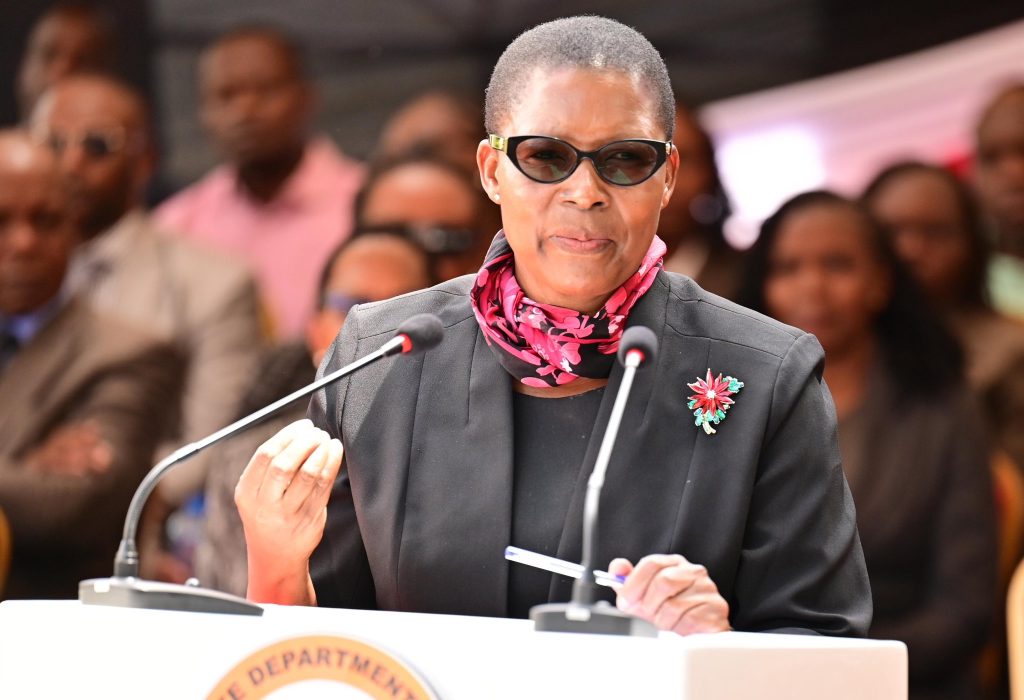
    Speaking during the launch, Attorney General Dorcas Oduor said the launch was testament to the government’s commitment in ensuring that justice in Kenya is inclusive, equitable and humane.

    She said the legal aid, which will target those in prison and vulnerable groups within the region, will focus on land matters, children in conflict with the law, civil disputes, constitutional rights matters, public interest litigation, probate and administration.

    “This service will bring services closer to those who needs it most and will ensure continuity of representation,” she said.

    Attorney General Dorcas Oduor

    According to Correctional Services Principal Secretary Dr. Salome Beacco, the roll-out of legal aid services reflects a Whole-of Government approach, bringing institutions together to ensure access to justice, uphold human dignity, and strengthen the rule of law within the correctional framework.

    “As the State Department for Correctional Services, we recognize that rehabilitation is most effective when anchored on dignity, fairness, and opportunity. Legal empowerment complements ongoing reforms in vocational training, education, psycho-social support, digital transformation, and aftercare services,” said the PS.

    Speaking at the same forum, Justice, Human Rights and Constitutional Affairs PS Judith Pareno said the launch of the legal aid was part of deliberate and determined efforts to bridge the gap in access to justice.

    “Prisoners and remandees are among those who often face unique challenges within our justice system. Many are navigating complex legal processes without representation. Some are awaiting trial for extended periods. Others do not fully understand their rights or the status of their cases,” observed Pareno.

    Nakuru Deputy Governor David Kones, Commissioner General of Prisons Patrick Aranduh, Probation and Aftercare Service Acting Secretary Shadrack Kavutai were among those present at the event that also witnessed representation, from among others, the judiciary and the Law Society of Kenya.

  • Kenya pushes circular economy agenda as government, private sector advance new national strategy

    Kenya pushes circular economy agenda as government, private sector advance new national strategy

    Kenya has intensified efforts to transition towards a circular economy following high level talks between the Ministry of Environment and the private sector aimed at shaping a new national framework for sustainable production and waste management.

    The meeting with the delegation led by KEPSA Head of KEPSA Consult, Circular Economy & Climate Change Dr. Kinyanjui Koimbori, focused on advancing Kenya’s transition to a circular economy.

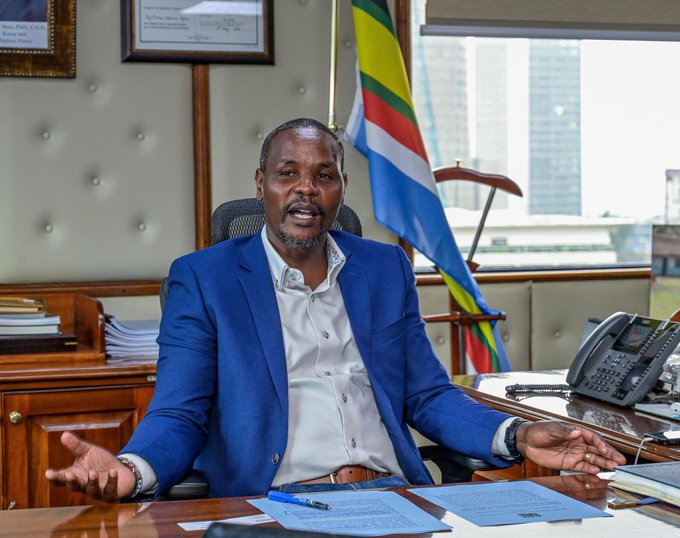
    Speaking Monday when he hosted a delegation from the Kenya Private Sector Alliance (KEPSA), Environment Principal Secretary Eng. Festus Ngeno welcomed the collaboration, noting that circular economy principles are a key pillar under the government’s Bottom-Up Economic Transformation Agenda (BETA) and the Ministry’s Strategic Plan 2023–2027.

    The discussions centered on the development of the Circular Economy Strategy and Implementation Plan (CESIP), a national framework aimed at shifting Kenya from the traditional linear “take-make-dispose” model to a more sustainable system that maximizes resource efficiency and minimizes waste.

    Dr. Ng’eno emphasised that adopting circular approaches will not only address environmental challenges such as pollution and waste management but also unlock economic opportunities, including job creation and green investment.

    The KEPSA team briefed the Principal Secretary on the CESIP development process, which will be implemented over a seven-month period from April to November 2026.

    The initiative is being supported technically by the Finnish Innovation Fund (Sitra) through the European Circular Economy Resource Centre, with KEPSA working in consortium with Intellecap Advisory Services.

    According to Dr. Koimbori, the strategy will provide a coordinated national roadmap consolidating existing policies and aligning efforts across sectors such as plastics, agriculture, textiles, electronics, and construction areas identified for their high resource intensity and potential for circular innovation.

    During the discussions, Dr. Eng. Festus Ng’eno called for a more inclusive and expedited approach to stakeholder engagement.

    He urged the team to leverage the Council of Governors (CoG) to gather views from county governments and ensure timely input from devolved units.

    Further, he encouraged the use of additional engagement platforms, including virtual platforms, to broaden participation and accelerate the process.

    The Principal Secretary also directed that the Ministry’s Multilateral Environmental Agreements (MEAs) team be actively involved in the process, particularly those who participated in negotiations on the global plastics treaty and the science-policy panel on chemicals and waste, to enrich the strategy with international best practices and insights.

    Environment Principal Secretary Eng. Festus Ngeno

    Dr. Ng’eno underscored the critical role of Kenya’s Extended Producer Responsibility (EPR) Regulations, noting that effective implementation will not only improve waste management but also stimulate local manufacturing by promoting recycling, value addition, and sustainable production systems.

    The CESIP will be developed through four key phases: inception, situational analysis, stakeholder engagement, and strategy formulation, with participation expected from over 110 stakeholders across government, private sector, academia, and civil society.

    The meeting concluded with a shared commitment to deliver a practical, action-oriented strategy that will accelerate Kenya’s transition to a circular economy while supporting climate action, sustainable production, and long-term economic resilience.

    The meeting was attended by Molu Wato, Director, Waste Management and Pollution Control in Environment and Climate Change, Karnika Yadav, Director at Intellecap Advisory Services among others.