Author: BBC News

  • Five to be charged in UK with spying for Russia

    Five to be charged in UK with spying for Russia

    Five people suspected of spying for Russia are to be charged in the UK with conspiracy to conduct espionage.

    Orlin Roussev, Bizer Dzhambazov, Katrin Ivanova, Ivan Stoyanov, and Vanya Gaberova will appear at Westminster Magistrates’ Court on Tuesday.

    The Bulgarian nationals are accused of conspiring to gather information which would be useful to an enemy between August 2020 and February 2023.

    It follows an investigation by the Metropolitan Police.

    The defendants are alleged to have worked in an operational spy cell for the Russian security services and that this work involved conducting surveillance on targets.

    They are accused of working on active operations in the UK and Europe and collecting and passing information to the Russian state.

    Mr Roussev, 45, is alleged to have run operations from the UK and acted as the link to those who received the intelligence.

    Officers who searched properties in London and Norfolk occupied by three of the defendants – Mr Roussev, Mr Dzhambazov, 41, and Ms Ivanova, 31 – found allegedly fake passport and official identity documents for the UK, Bulgaria, France, Italy, Spain, Croatia, Slovenia, Greece, and the Czech Republic.

    Some of the documents contained photographs of Mr Roussev and Mr Dzhambazov. It is alleged Mr Roussev made forgeries himself.

    The group are also accused of organising a surveillance operation in Montenegro which involved the creation of fake identification cards for journalists, including one in the image of Ms Ivanova.

    Mr Roussev, Mr Dzhambazov, and Ms Ivanova have lived in the UK for years, working in a variety of jobs, and living in a series of suburban properties.

    Mr Roussev has a history of business dealings in Russia. He moved to the UK in 2009 and spent three years working in a technical role in financial services.

    His LinkedIn profile states he later owned a business involved in signals intelligence, which involves the interception of communications or electronic signals.

    Mr Roussev, whose most recent address is a seaside guesthouse in Great Yarmouth, also states he once acted as an adviser to the Bulgarian ministry of energy.

    In Harrow, former neighbours described Mr Dzhambazov and Ms Ivanova as a couple.

    Mr Dzhambazov is described as a driver for hospitals and Ms Ivanova describes herself on her LinkedIn profile as a laboratory assistant for a private health business.

    The pair, who moved to the UK around a decade ago, ran a community organisation providing services to Bulgarian people, including familiarising them with the “culture and norms of British society”.

    According to Bulgarian state documents online, they also worked for electoral commissions in London which facilitate voting in Bulgarian elections by citizens living abroad.

  • Russell Brand: BBC and Channel 4 investigate allegations

    Russell Brand: BBC and Channel 4 investigate allegations

    The BBC, Channel 4 and a production firm have said they are investigating after allegations that Russell Brand sexually assaulted four women.

    The comedian and actor has been accused of rape and sexual assaults between 2006 and 2013, which he denies.

    The allegations form part of a report published by the Times, Sunday Times and Channel 4’s Dispatches.

    It also included claims about his behaviour towards women and his workplace conduct over the same period.

    Brand worked as a radio presenter for the BBC between 2006 and 2008. The BBC said it was “urgently looking into the issues raised” by the allegations. Channel 4, where Brand also worked as a presenter, announced an internal investigation.

    Although the alleged assaults are not said to have taken place on BBC or Channel 4 premises, the claims have raised questions for the broadcasters and the wider industry.

    The Times quoted sources claiming a complaint was previously made to BBC management about an “alarming display of aggression and disrespect” from Brand.

    During the period in question, Brand worked for two years as a presenter on “6 Music and Radio 2”, hosted Big Brother’s Big Mouth on Channel 4’s sister station E4, and launched his Hollywood movie career.

    On Sunday, the Times published a first-hand account from the woman who accused Brand of rape in Los Angeles in 2012.

    It later reported that since Saturday more women have come forward with allegations about Brand’s behaviour, which have not yet been investigated but “will now be rigorously checked”.

    ‘Very serious allegations’

    Endemol, the company behind shows Brand appeared on in the mid-noughties such as Big Brother’s Big Mouth, was bought by Banijay UK in 2020.

    It said it was aware of the “very serious allegations” relating to the “alleged serious misconduct of Russell Brand while presenting shows produced by Endemol”. It said it had launched an “urgent” internal investigation.

    Channel 4 said it had “asked the production company who produced the programmes for Channel 4 to investigate these allegations and report their findings properly and satisfactorily to us”.

    The broadcaster added it was conducting its own internal investigation, and encouraged “anyone who is aware of such behaviour to contact us directly.”

    The statement added: “We will be writing to all our current suppliers reminding them of their responsibilities under our code of conduct.”

    The broadcaster also confirmed to the Telegraph it had “taken down all content featuring Russell Brand” while it looked into the matter. “This includes episodes of the Great British Bake Off that he appeared on.”

    The Metropolitan Police has said it was “aware of media reporting of a series of allegations of sexual assault” but had not received any reports from alleged victims.

    It added: “We will be making further approaches to the Sunday Times and Channel 4 to ensure that any victims of crime who they have spoken with are aware of how they may report any criminal allegations to police.”

    A spokeswoman for the Los Angeles Police Department (LAPD) said the force had not been notified of any incidents, reports or allegations regarding Brand or any of the accusers.

    The spokeswoman also said she could not immediately confirm the reports in the Times of an LAPD officer being alerted by a rape treatment centre in 2012 about one of the accusers being treated there following an incident with Brand.

    Earlier on Sunday, Foreign Secretary James Cleverly said the entertainment industry had questions to answer over allegations against Brand.

    Mr Cleverly told BBC One’s Sunday with Laura Kuenssberg that those in power must “be better” at listening to the voices of the “relatively powerless”.

    He added: “I think there are some real challenges where you have these very, very acute differentials in power – whether that be in the entertainment industry, whether that be in politics, and we see this in the commercial world as well.

    “I think we have to be particularly careful when we listen to the voices of the people who are relatively powerless because we, I think collectively, have missed opportunities to do the right thing and intervene much, much earlier, and we’ve got to be better at this.”

    Asked whether there were questions for the industry, Mr Cleverly replied: “Sadly, I think there are.”

    MPs are expected to push for answers from big institutions that were involved in Brand’s career on the crucial questions of who knew what, and when.

    Dame Caroline Dinenage, who chairs the House of Commons media committee, said: “We will be closely monitoring the responses of the media, especially our public service broadcasters, to these allegations, and looking at the questions that this, yet again, raises about the culture in the industry as a whole.”

    Meanwhile, the Trevi Women & Children’s Charity said it had cut ties with the 48-year-old comedian and had been “deeply saddened and upset” following the allegations.

    Author Irvine Welsh, also speaking on Kuenssberg’s programme, said the entertainment industry “has to get its house in order so people do feel comfortable and it’s an environment where they can come forward and can be listened to”.

    But things have “changed for the better” in recent years since the start of the Me Too movement, he added.

    Other claims made in the investigation relate to Brand’s allegedly controlling, abusive and predatory behaviour.

    Sunday Times media editor Rosamund Urwin, who worked on the story, told BBC Radio 4’s Broadcasting House there were “a lot of questions to be answered” by TV companies.

    She said: “I think in the coming days we will see a lot more scrutiny, including in our paper, of who knew what when, and why on earth this man was continuing to go on Channel 4 shows as late as 2018/19 when there certainly were widespread rumours that would have at least needed investigating before you put him on your channel.”

    On Saturday, Brand went ahead with a scheduled comedy gig in north-west London, but did not address the allegations directly.

    The previous evening, the star released a video in which he denied “serious criminal allegations” that were about to be made against him.

    The actor and comedian said he was the subject of a “co-ordinated attack” involving “some very serious allegations that I absolutely refute”.

    “These allegations pertain to the time when I was working in the mainstream, when I was in the newspapers all the time, when I was in the movies, and as I’ve written about extensively in my books I was very, very promiscuous,” he said.

    “Now during that time of promiscuity the relationships I had were absolutely, always consensual.”

  • Zambia to upgrade ties with China, its biggest creditor

    Zambia to upgrade ties with China, its biggest creditor

    Zambian President Hakainde Hichilema Friday met his Chinese counterpart Xi Jinping in Beijing for bilateral talks.

    The two leaders agreed to upgrade their ties to a “comprehensive strategic cooperative partnership”.

    China has significant stakes in Zambia’s mining sector while the southern African nation seeks to restructure its mounting external debt with its leading creditor.

    President Xi said China and Zambia’s friendship had “withstood the test of international storms and changes” and encouraged more imports from the African country.

    President Hichilema said Zambia appreciates the guiding concepts and principles of Chinese-style modernization, and hopes to learn from the Asian country’s development experience.

    Zambia defaulted on its $18.6bn (£17bn) foreign debt in 2020 at the height of the Covid-19 outbreak, becoming the first country on the continent to default on its external debt since the start of the pandemic.

  • In pictures: The world of fashion comes together at Vogue World

    In pictures: The world of fashion comes together at Vogue World

    Top stars from the world of fashion and the creative arts descended on London’s Theatre Royal Drury Lane for what is being called the biggest sartorial event of the season.

    The second annual Vogue World kicks off London Fashion Week (LFW) which officially opens on Friday.

    The event, which closed with a fashion runway showcasing highlights from autumn/winter 2023 collections, made its debut during New York Fashion Week last September.

    Here are some of the most striking looks from the red carpet in London:

    Here are some of the most striking looks from the red carpet in London:

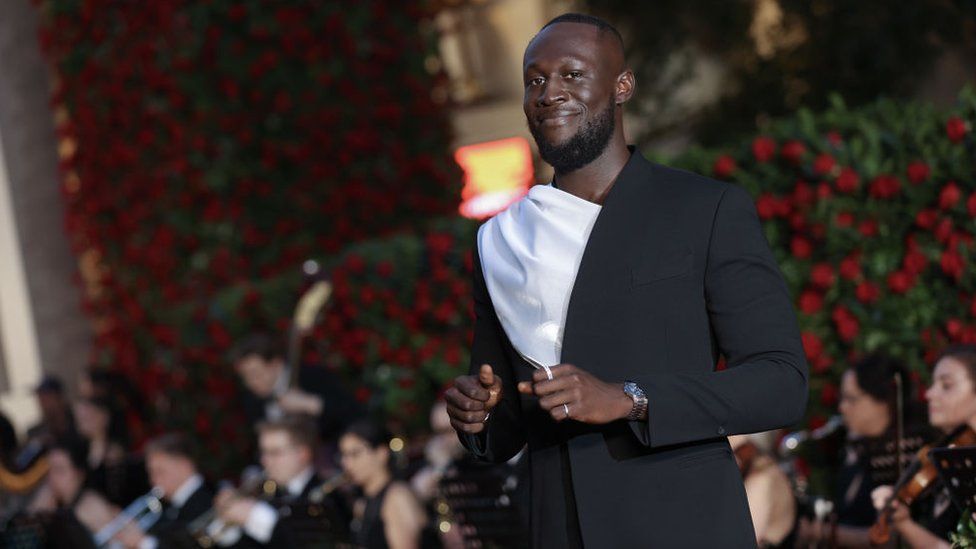
    Stormzy at the Vogue World eventGETTY IMAGES – Stormzy performed at the Vogue World event, with FKA Twigs, Sophie Okonedo and Olivier award-winning director Stephen Daldry also taking to the stage

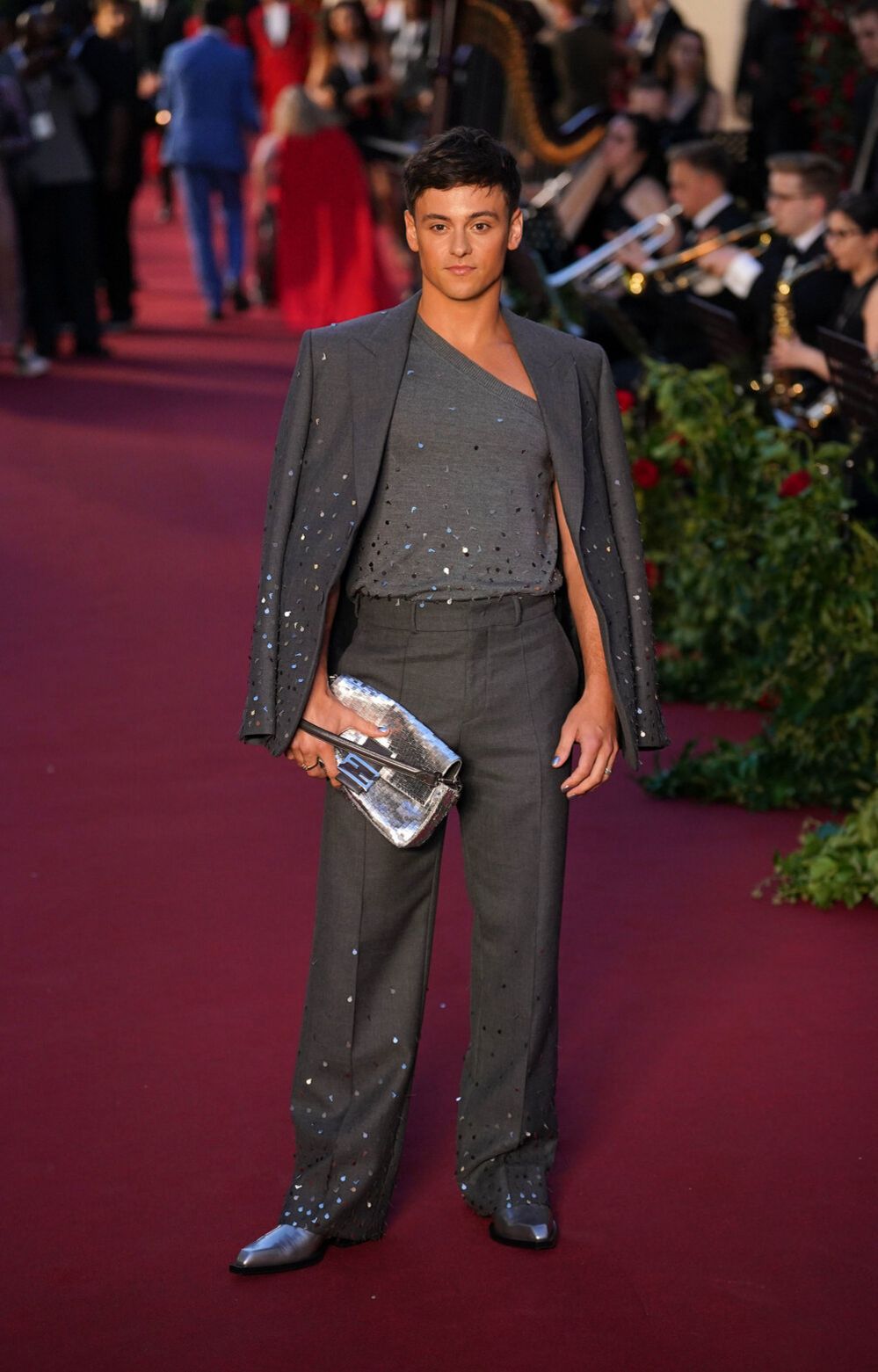
    Tom Daley attending Vogue WorldPA MEDIA – Olympic diver Tom Daley won gold at the Tokyo Olympics
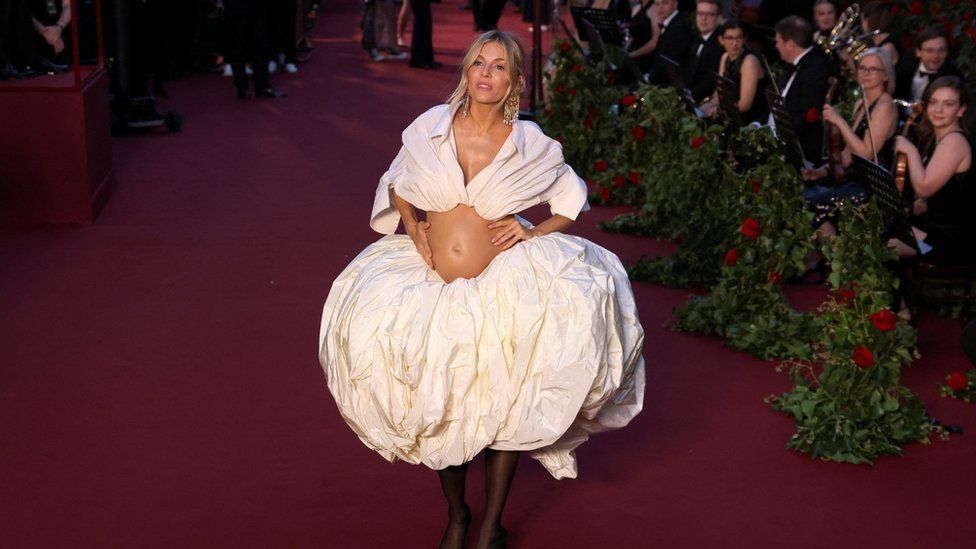
    Sienna Miller poses for a photo as she attends Vogue World in LondonREUTERS – Actress Sienna Miller in Schiaparelli proudly showed off her baby bump
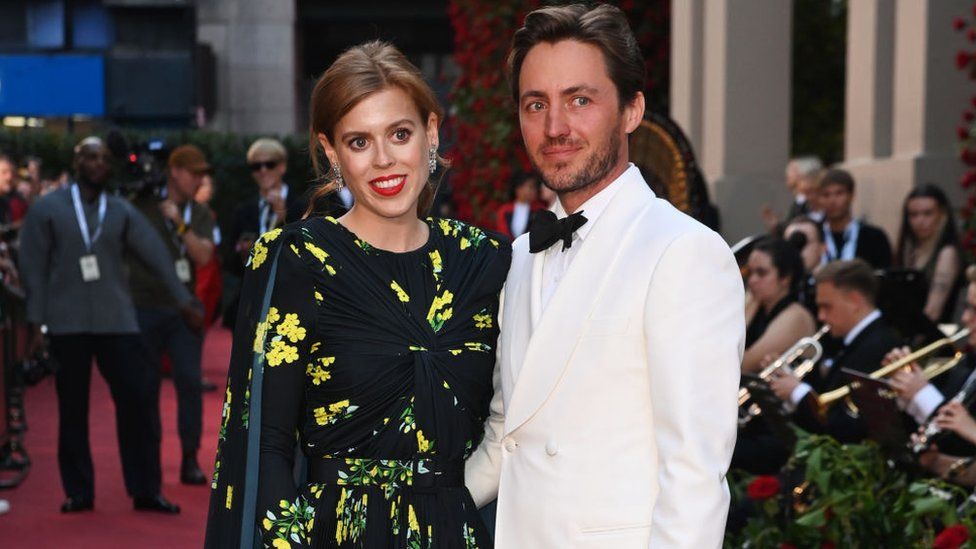
    Princess Beatrice of York and Edoardo Mapelli MozziGETTY IMAGES – Princess Beatrice of York attended with her husband Edoardo Mapelli Mozzi
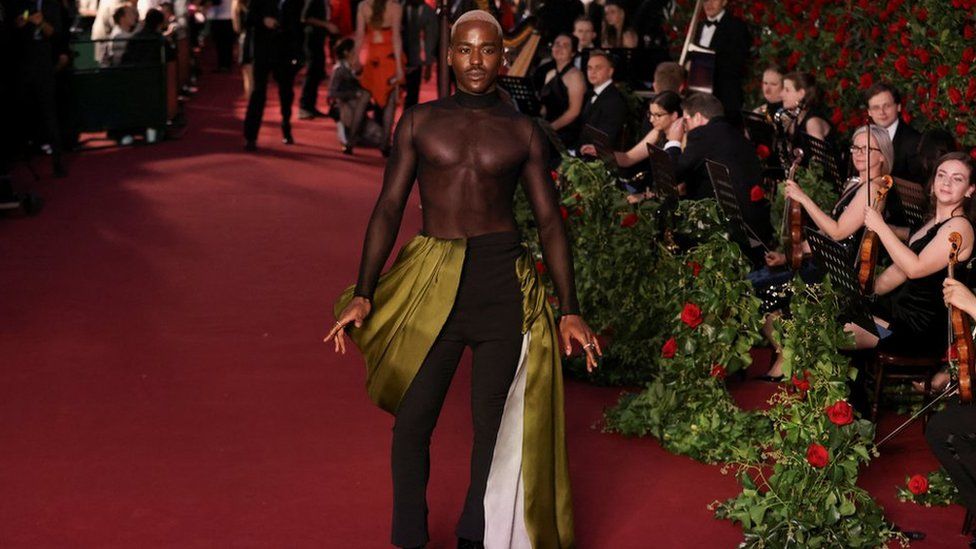
    Actor Ncuti Gatwa poses for a photo as he attends Vogue World in LondonREUTERS – Ncuti Gatwa is the new Doctor Who actor and was one of the stars in this year’s biggest blockbuster movie Barbie
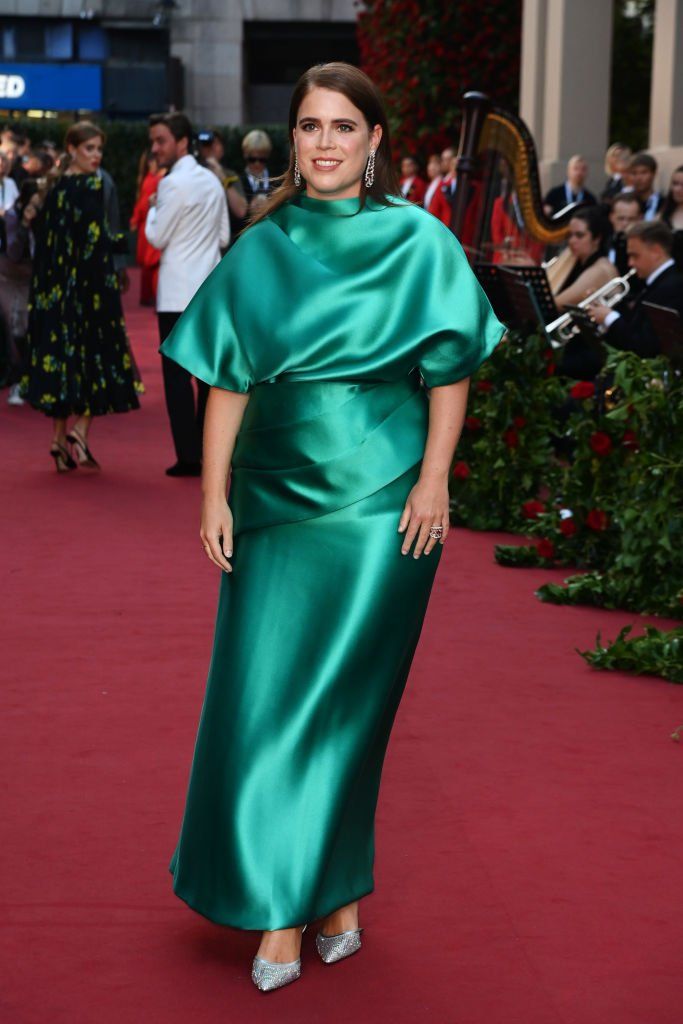
    Princess Eugenie of YorkGETTY IMAGES – Princess Eugenie of York attended alongside her sister Princess Beatrice
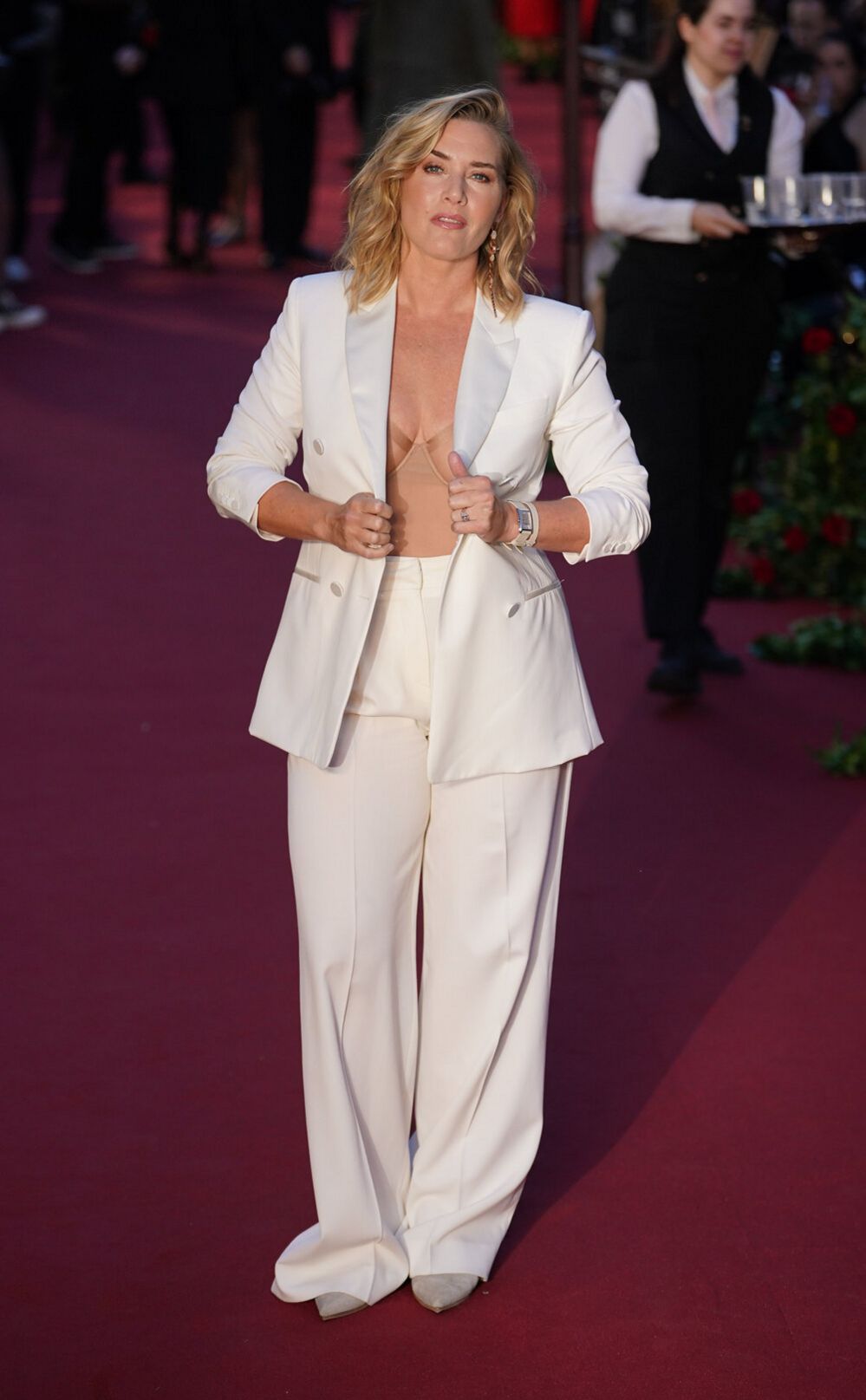
    Kate Winslet attending Vogue WorldPA MEDIA – Oscar winner Kate Winslet is set to star in the long-awaited Lee Miller biopic
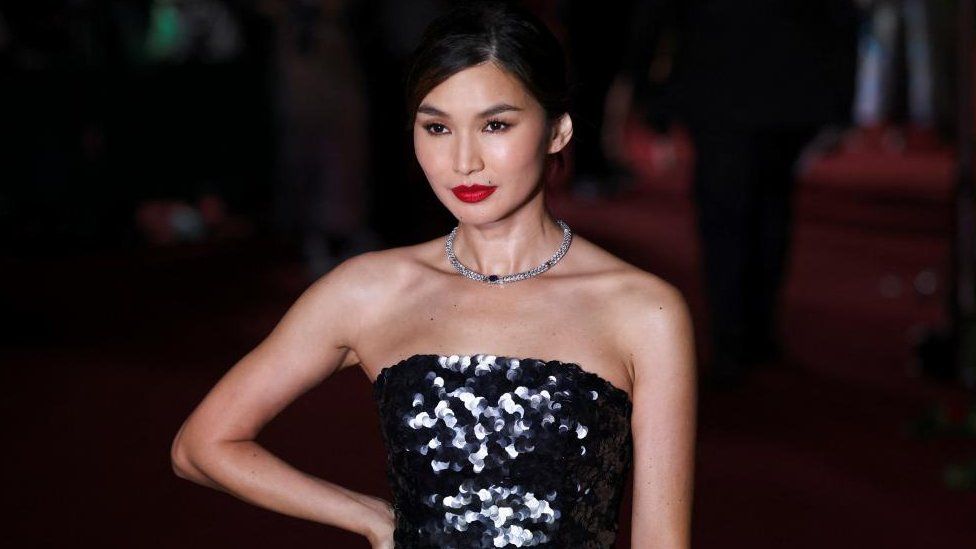
    Actor Gemma Chan poses for a photo as she attends Vogue World in LondonREUTERS – Actor Gemma Chan is one of the biggest British East Asian heritage stars in Hollywood
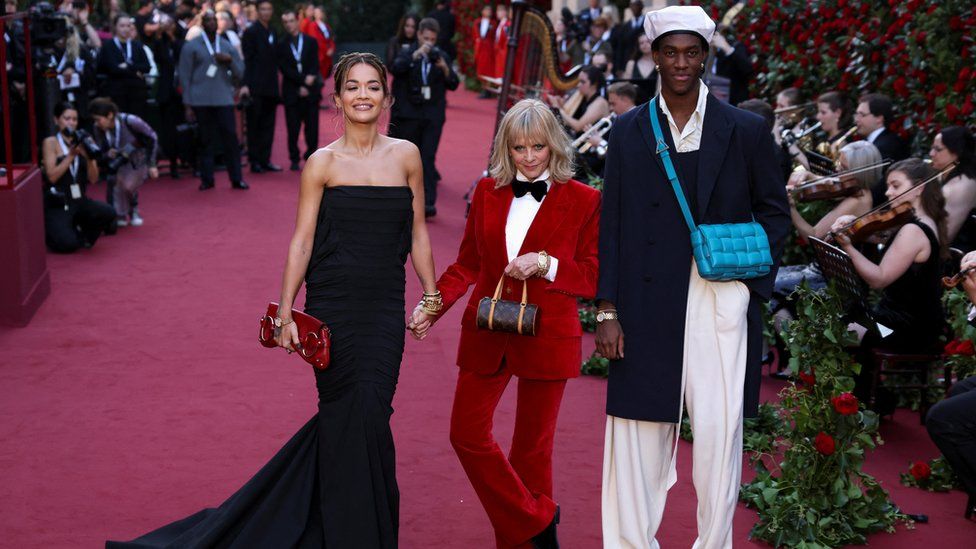
    Singer Rita Ora, Twiggy and Wisdom Kaye pose for a photo as they attend Vogue WorldREUTERS – Singer-actress Rita Ora, iconic model Twiggy and American model-influencer Wisdom Kaye
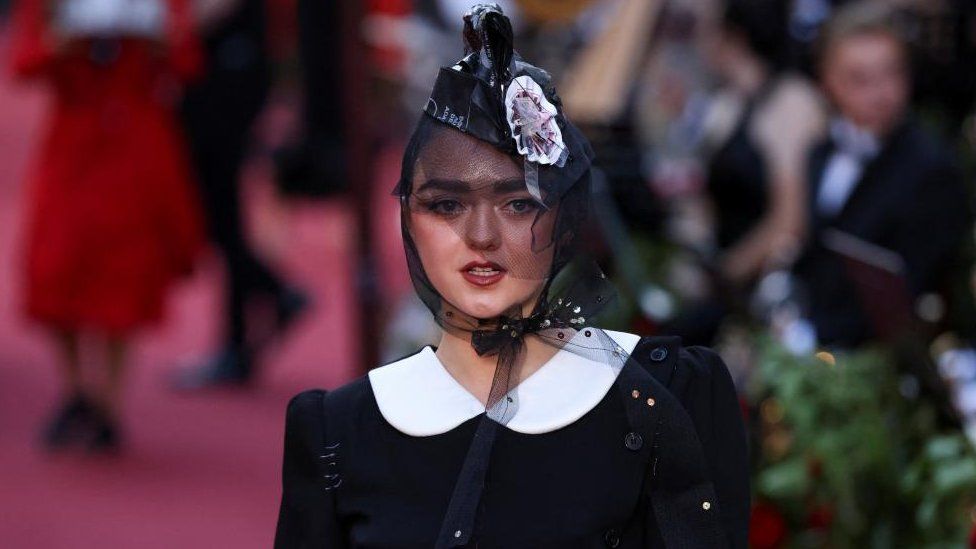
    Actor Maisie Williams attends Vogue World in LondonREUTERS – Actor Maisie Williams is best known for her role as Arya Stark in Game of Thrones
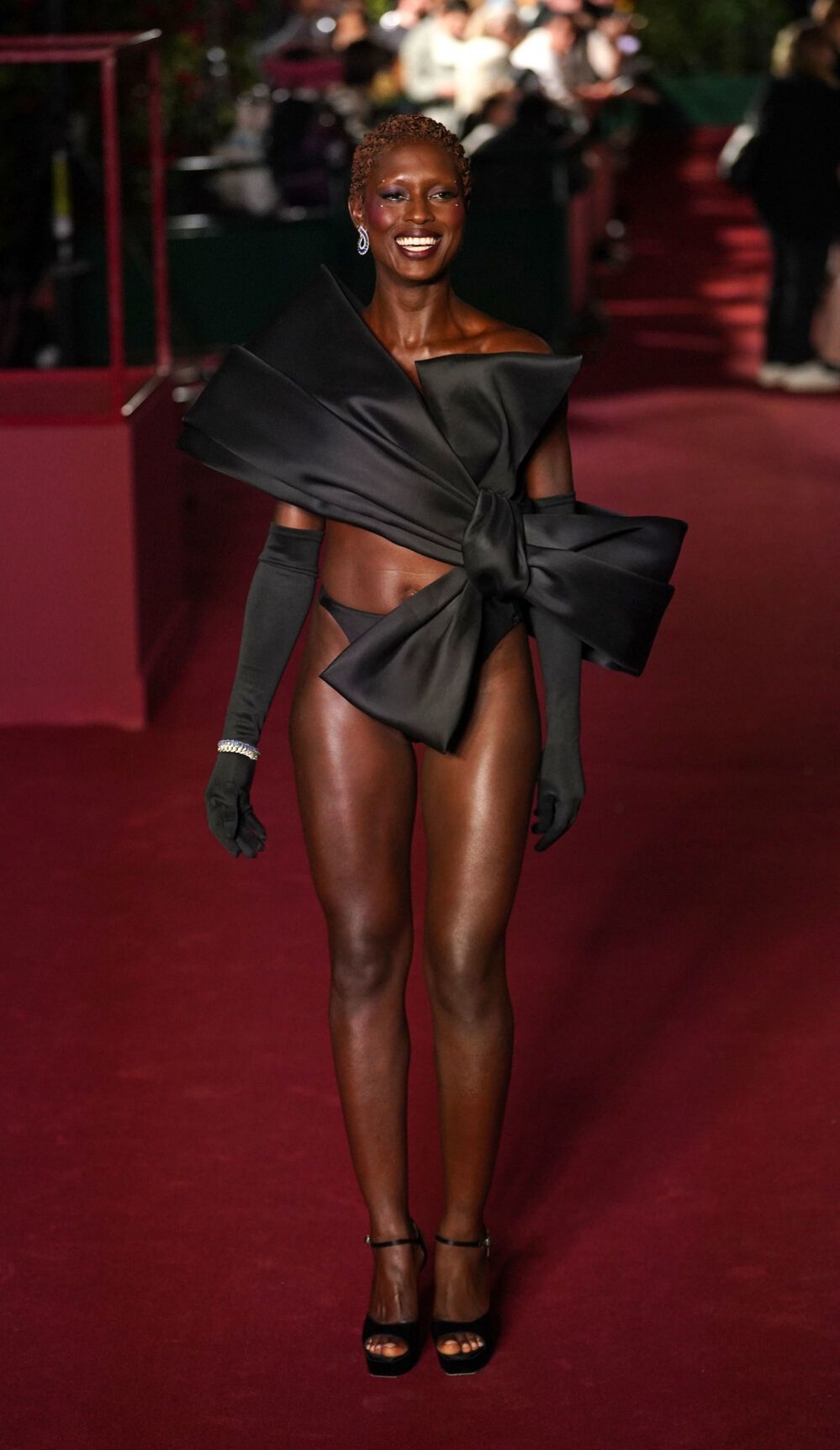
    Jodie Turner-Smith attending the Vogue WorldPA MEDIA – Actress-model Jodie Turner-Smith, who made her film debut in 2016’s Neon Demon
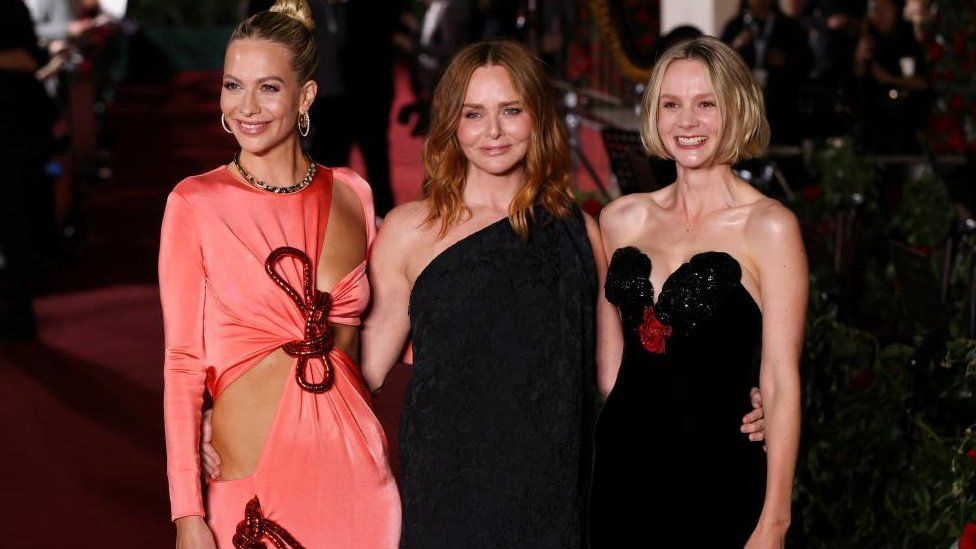
    Poppy Delevingne, Stella McCartney and Carey Mulligan pose for a photo as they attend Vogue World
    REUTERS – British model-socialite Poppy Delevingne, designer Stella McCartney and actress Carey Mulligan
  • Hunter Biden indicted on three federal gun charges

    Hunter Biden indicted on three federal gun charges

    President Biden’s son Hunter has been criminally charged with three counts of lying when buying a firearm, after efforts to reach a plea deal failed.

    The indictment marks the first time the child of a sitting president has been criminally prosecuted.

    A planned plea bargain to resolve gun and tax-related charges he faced abruptly fell apart in July.

    All three counts relate to Mr Biden allegedly lying on forms while buying a firearm while he was a drug user.

    Court documents show that Mr Biden lied on the federally-mandated forms while purchasing a Colt revolver at a Delaware gun store in October 2018.

    At the time, Mr Biden was a heavy user of crack cocaine.

    Under US federal laws, it is a crime to lie on the form or possess a firearm while a drug user.

    He previously acknowledged the charges during negotiations for the aborted plea deal.

    The younger Mr Biden’s legal woes have become an increasingly contentious issue in US politics.


  • DRC opposition politician sentenced to seven years for insulting president

    DRC opposition politician sentenced to seven years for insulting president

    Jean-Marc Kabund, an opposition figure in DRC, was on Wednesday sentenced to seven years in jail for slandering the president as pre-electoral tensions sharpen in the Central African nation.

    A former head of the Union for Democracy and Social Progress (UDPS), the party of Congolese President Felix Tshisekedi, Jean-Marc Kabund is a deputy and former vice-president of the National Assembly.

    Jean-Marc’s arrest came a month after he quit the ruling party to join the opposition.

    He had quit on the allegations that the government “was incompetent and institutionalized mismanagement and predatory behavior at the apex of the state.”

    Kabund appeared at the Court of Cassation for his trial on Wednesday, where he was given a sentence of seven years in jail for insulting the president.

    “This a very severe sentence,” Kadi Diko, Kabund’s defense lawyer, said.

    He added that the verdict pronounced by the Court of Cassation in the first and last Instance is not subject to appeal.

    The Court of Cassation ruled that “all the offenses for which Kabund was prosecuted were established.”

    The offenses were insulting the head of state and the institutions of the Republic and propagation of false rumors.

    During the hearing, Kabund reiterated his position on the management of the country by the regime in power.

    For him, ”DRC is in danger,” believing that Felix Tshisekedi, “everything is done no matter what.”

    “I ask the people to do everything possible to ensure that Tshisekedi is sidelined in the next elections because I consider that the country is in danger with him at the helm. The danger is the misery of the people, it is the insecurity in the east of the country, it is the insecurity in Kinshasa, urban banditry, kidnappings,” said Kabund.

    Before the judges, Kabund presented Tshisekedi’s power as an “unjust, anti-social power which organized predation.”

    To support his accusations, the former interim president of the ruling party(UDPS) asserted that “those at the top share the money.”

    Relatives and members of Kabund’s party considered his hearing as a “political trial” when the general elections are scheduled for December 20.

    President Tshisedeki, in power since January 2019, is a candidate for a second five-year term.

    Arrests of opposition figures and journalists have increased in recent months.

    Another opponent, Salomon Kalonda (under arrest since May 30), a close advisor to presidential candidate Moise Katumbi, was transferred Tuesday evening from the Ndolo military prison to a health facility, according to his lawyer.

    Accused of “spreading false rumors,” journalist Stanis Bujakera, a correspondent for Reuters news agency and Jeune Afrique, has been detained since Friday in Kinshasa.

  • Ariana Grande opens up about using botox, fillers

    Ariana Grande opens up about using botox, fillers

    US popstar Ariana Grande has said she previously used filler and Botox as “something to hide behind”.

    The singer made the comments in an emotional video for Vogue, in which she also confirmed she stopped the cosmetic treatments in 2018.

    “Full transparency… As a beauty person, as I do my lips, I’ve had a tonne of lip filler over the years and Botox,” she said.

    “For a long time, beauty was about hiding for me,” the 30-year-old added.

    “And now I feel like maybe it’s not.”

    The US star said she “stopped in 2018 because I just felt so… too much”, adding she wanted to “see my well-earned cry lines and smile lines”.

    As she was speaking, she appeared to hold back tears, admitting she “didn’t expect to get emotional” in a video where she was demonstrating how to do a 60s make-up look.

    She said that while “ageing is such a beautiful thing”, she wouldn’t be against getting other procedures in the future.

    “Now, might I get a facelift in 10 years?” she then joked. “I might, yeah!”

    Ariana – who has her own make-up brand – also spoke about how her relationship with cosmetics has changed since she rose to fame at the age of 17, playing Cat Valentine in Victorious.

    She said she used to apply make-up as a “disguise”, but that she now used beauty products as a way of “self-expression” and “accentuating” her features.

    It’s not the first time Ariana has spoken candidly about her appearance – she spoke about body shaming earlier this year.

    In a TikTok video, she suggested fans should avoid making even “well-intentioned” remarks about how “healthy, unhealthy, big, small, this, that, sexy, non-sexy” people may look.

    “There are ways to compliment someone or to ignore something that you see that you don’t like, that I think we should help each other work towards,” she said.

    “We should aim toward being safer, and keeping each other safer.”

  • House of Representatives to open Biden impeachment inquiry

    House of Representatives to open Biden impeachment inquiry

    The US House of Representatives will open a formal impeachment inquiry into President Joe Biden, its most senior Republican has said.

    Kevin McCarthy said the inquiry would focus on “allegations of abuse of power, obstruction and corruption” by Mr Biden.

    Republicans have been investigating the president since they took control of the House in January.

    The hearings have found no concrete evidence of misconduct by Mr Biden.

    They have, however, shed more light on business dealings by the president’s son Hunter Biden – which Republicans say are questionable – and on Mr Biden’s knowledge of his son’s activities.

    In a brief statement at the US Capitol, Mr McCarthy said there were “serious and credible” allegations involving the president’s conduct.

    “Taken together, these allegations paint a picture of a culture of corruption,” he said.

    The White House was quick to condemn Mr McCarthy’s decision.

    “House Republicans have been investigating the President for nine months, and they’ve turned up no evidence of wrongdoing,” White House spokesperson Ian Sams wrote in a social media post.

    “Extreme politics at its worst.”

    Hunter Biden is currently under federal investigation for possible tax crimes related to his foreign business interests.

    Mr McCarthy, a California lawmaker, also alleged that the president’s family has received special treatment from Biden administration officials investigating allegations of misconduct.

    The White House has denied any involvement in the Hunter Biden case, and said that President Biden has no ties to his son’s business operations.

    This inquiry will give congressional investigators greater legal authority to investigate the president, including by issuing subpoenas for documents and testimony that can be more easily enforced in court.

    The US constitution states a president can be impeached for “treason, bribery, or other high crimes or misdemeanours”, a process which can end in them being removed from office.

    However, any effort to remove President Biden would be unlikely to succeed.

    The House of Representatives, where Republicans hold a narrow 222-212 majority, would need to vote in favour. It would then need to proceed to a Senate trial and vote.

    Democrats have a majority in the Senate, and would almost certainly shoot down the proceedings if it gets that far.

    Mr Trump, the only US president to have been impeached twice, was acquitted both times by his fellow Republicans.

    Mr McCarthy, who as Speaker leads Republicans in the House, has been lobbied for weeks by right-wing members to open an impeachment inquiry.

    Congressman Matt Gaetz of Florida, a close ally of former President Donald Trump, called the announcement “a baby step following weeks of pressure from House conservatives to do more”. He had previously threatened to force a vote to remove Mr McCarthy from his leadership position if the Speaker did not start an impeachment investigation.

    Mr McCarthy’s hold on power in the House has been tenuous ever since he won the top job in January after 15 rounds of voting in the chamber – a modern record.

    He is currently trying to shepherd a series of spending bills through the House. These measures must be approved by Congress by the end of September to avoid a partial shutdown of the US government.

    Mr McCarthy’s move to back impeachment could be viewed as an attempt to curry the favour of right-wing House Republicans ahead of the budget battles.

    Such a strategy comes with risks, however. Centrist Republicans in competitive districts have expressed unease with an aggressive impeachment push, worried that it will alienate the independent and moderate voters who carried them to victory.Mr McCarthy has a 10-seat majority in the chamber, so if even a handful of these Republicans have cold feet on impeachment, it could ensure its failure.

    Some vulnerable House Republicans told reporters on Tuesday that they are focused on the ongoing congressional investigations into Mr Biden, rather than an impeachment inquiry.

    Democratic Senator Chris Coons said in an interview with the BBC, said that “Speaker McCarthy shows that he’s being held hostage by the most extreme elements of his Republican majority.”

    Already Democrats are pointing out that Mr McCarthy sharply criticised Democratic leader Nancy Pelosi in 2019, when she announced an impeachment inquiry into Mr Trump without holding a formal vote.

    While Mr McCarthy has only said he is approving an impeachment inquiry at this point, pressure will build for a formal authorising vote in the House to set the rules for impeachment hearings.

    Such a vote would put those centrists on the record – and provide fodder for Democratic attacks during the November 2024 general election.

    That is a next-year problem for Mr McCarthy, however. For the moment, he is trying to keep unruly conservative members of Congress from openly rebelling – and forcing a vote on whether to remove him from his job.

    Impeachment – or at least a movement toward it – could buy him the political breathing room to survive the coming months.

  • Ex-Secret Service agent reveals new JFK assassination detail

    Ex-Secret Service agent reveals new JFK assassination detail

    Six decades later, new details are still coming to light in one of the most scrutinised events in American history: the assassination of President John F Kennedy.

    Paul Landis, an 88-year-old former Secret Service agent who witnessed the president’s death at close range, says in an upcoming memoir that he took a bullet from the car after Mr Kennedy was shot, and then left it on the former president’s stretcher at the hospital.

    It might seem like a minute detail in a case that has been pored over since the 1960s, but to individuals who have spent decades looking at every shred of evidence, Mr Landis’s account is a major and unexpected development.

    Conspiracies over how many gunmen were involved, who was ultimately responsible, and how many bullets actually struck the president have abounded in the decades since the assassination.

    The idea that the true facts of the case differ from the official version is modern America’s original conspiracy theory, and according to some historians, the killing instigated the nation’s decaying trust in its government.

    Depending on how one looks at it, Mr Landis’s story either changes nothing or everything.

    His book The Final Witness is guaranteed to add more kindling to the never-ending national obsession with the assassination.

    “This is really the most significant news in the assassination since 1963,” said James Robenalt, a historian and Kennedy expert who worked with Mr Landis to prepare him for his public revelations.

    New details in an old case

    The primary facts of the Kennedy assassination are, by this point, well known and established.

    On 22 November 1963, a convertible carrying President Kennedy, First Lady Jackie Kennedy, and Texas Governor John Connally Jr and his wife was driving through Dealy Plaza in Dallas when a series of shots rang out.

    Mr Kennedy was struck in the head and neck, and Mr Connally was hit in the back. Authorities rushed both to nearby Parkland Memorial Hospital, where Mr Kennedy was declared dead. The governor survived.

    The Warren Commission report, the result of a government inquiry into the killing, identified Lee Harvey Oswald as the sole gunman. Ballistics evidence helped confirm this conclusion. He was shot and killed shortly after the assassination while in police custody.

    The report also concluded that a single bullet travelled through Mr Kennedy and hit Mr Connally, striking both in several places, which helps explain how one gunman carried out the attack. The finding became known as the “single bullet theory” or “magic bullet theory”.

    The commission partly relied on the fact that a bullet had later been found on Mr Connally’s hospital gurney.

    At the time, nobody knew where it had come from. But the committee ultimately concluded that the bullet had become dislodged as doctors raced to treat Mr Connally.

    Some sceptics of the official report have long fixated on the single bullet, finding it difficult to believe that it could have caused as many injuries as it did to two separate men.

    Mr Landis’s account has landed like a bombshell not only because it provides a new firsthand testimony but because, in some views, it complicates the theory of the single bullet.

    What Paul Landis remembers

    On the day of the assassination, Mr Landis, then 28, was detailed to Jackie Kennedy.

    When the violence began, he was just feet away from President Kennedy and witnessed the gruesome blow to his head.

    Then came absolute pandemonium. What Mr Landis did next, he told no one but a few confidants for decades.

    In an interview with the New York Times, Mr Landis said that after the motorcade arrived at the hospital, he spotted a bullet lodged in the Kennedy’s car behind where the president had been sitting.

    He picked it up and pocketed it. Shortly after, in his recollections, he was in an emergency room with President Kennedy, where he said he placed it on the president’s gurney so the evidence would travel with the body.

    “There was nobody there to secure the scene, and that was a big, big bother to me,” Mr Landis told the Times.

    “This was all going on so quickly. And I was just afraid that – it was a piece of evidence, that I realised right away,” he continued. “Very important. And I didn’t want it to disappear or get lost.”

    Mr Landis apparently never came forward with this evidence, and the Warren Commission never interviewed him. He never wrote it down in any official report.

    “He was totally sleep deprived and was still required to work, and was suffering from severe PTSD,” Mr Robenalt told the BBC.

    “He forgot about the bullet,” said Mr Robenalt, who spent significant time interviewing Mr Landis about his recollections and recently wrote a Vanity Fair piece deconstructing the revelation.

    “He was totally absorbed in the enormous stuff that was going on.”

    For years, he avoided reading about the assassination or the conspiracy theories it sparked – until he decided he was ready to tell his story to the world.

    The mystery bullet

    Those who have read Mr Landis’s account have taken different conclusions from it – and the story raises as many questions as it potentially answers.

    Mr Robenalt told the BBC that he believes this account undermines the “single bullet” theory.

    Mr Landis now believes the bullet he had found in the car was the one that turned up on Mr Connally’s gurney.

    He believes the bullet had embedded shallowly in Mr Kennedy’s back and fallen out in the car.

    If he is right, Mr Robenalt said, Mr Connelly and Mr Kennedy may not have been struck by the same bullet.

    He even believes it could re-open scepticism about whether Mr Oswald acted alone.

    If it had not been one bullet that caused both men’s’ injuries, Mr Robenalt asks in his extensive Vanity Fair piece, could Oswald have possibly fired both shots in such rapid succession with the rifle he used?

    Mr Landis does have very serious sceptics, however, including a colleague who was also a direct participant that day.

    Clint Hill, the agent who famously jumped onto the back of the Kennedy’s car to protect the president, does not believe Mr Landis’ account.

    “If he checked all the evidence, statements, things that happened, they don’t line up,” Mr Hill told NBC News. “It doesn’t make any sense to me that he’s trying to put it on the president’s gurney.”

    To Gerald Posner, an investigative journalist and author of Case Closed: Lee Harvey Oswald and the Assassination of JFK, Mr Landis’s story actually supports the “single bullet” theory.

    “People would now know how the bullet wound up on Connally’s gurney,” he said.

    Mr Posner said “his account has to be taken seriously”, but also had doubts about the certainty of Mr Landis’s memories after nearly six decades had passed.

    For example, Mr Posner pointed toward interviews from people inside the emergency room with Mr Kennedy at Parkland hospital. No one mentions Mr Landis’s presence there, he said.

    And the fact that Mr Landis never came forward raises questions about his conduct that day, Mr Posner said.

    “That being said, he could say things that are wrong but the underlying fact that, ‘I saw a bullet, I grabbed it, put in my pocket, and left it at the hospital before I left’: that either is true or not,” Mr Posner said.

    Whether or not Mr Landis opens a new mystery or simply confirms existing fact is almost beside the point.

    This is the Kennedy assassination, after all, and his revelation will ensure continued years of debate and dissection of one of America’s greatest national traumas.

    “Are you going solve it to anybody’s 100% satisfaction? No,” Mr Posner said. “It’s a case that will never be closed, for most people.”

  • Morocco earthquake: Race against time to save survivors buried in rubble

    Morocco earthquake: Race against time to save survivors buried in rubble

    Morocco faces a race against time to save those trapped under the rubble by Friday’s earthquake, as emergency services battle to supply remote areas.

    Villagers continue to dig by hand and shovel to find survivors, as response teams struggle to bring in machinery.

    Those same tools may now be needed to prepare graves for some of the thousands killed in the quake.

    People “have nothing left,” a villager told the BBC. “People are starving. Children want water. They need help.”

    Friday’s earthquake, the country’s deadliest for more than 60 years, struck below a remote cluster of mountainous villages south of Marrakesh.

    The government reported that at least 2,122 people were killed and more than 2,421 injured, many critically.

    The 6.8-magnitude tremor collapsed homes, blocked roads and swayed buildings as far away as the country’s northern coast.

    Marrakesh’s old city, a Unesco World Heritage site, suffered damage.

    Morocco’s King Mohammed VI declared three days of national mourning on Saturday, as the scale of the devastation became clearer.

    The royal palace said civil protection units had been deployed to increase stocks in blood banks, water, food, tents and blankets.

    But it conceded that some of the worst-affected areas were so remote that it was impossible to reach them in the hours after the quake – the most crucial period for many of the injured.

    Fallen rocks partially blocked the already poorly-maintained roads into the High Atlas Mountains, where many of the worst-affected areas lie.

    Many buildings have been reduced to rubble in the small town of Amizmiz, in a valley in the mountains about 34 miles (55km) south of Marrakesh.

    The local hospital is empty and deemed unsafe to enter. Patients are instead treated in tents in the hospital grounds – but staff are overwhelmed.

    A hospital official, who asked not to be named, said that around 100 bodies were brought there on Saturday.

    “I was crying because there were so many dead people, especially the young children,” he said. “Since the earthquake I haven’t slept. None of us have.”

    Beyond the hospital, the streets are packed with rubble from destroyed buildings, heavy traffic and those who have lost everything to the quake.

    A woman wails in grief and is held by those around her.

    There are more tents at the side of the roads for people who have lost their homes, but not everyone has them.

    Dozens of people are sleeping on rugs laid on the ground in the central square.

    Abdelkarim Brouri, 63, is one of those whose house partially collapsed and has nothing to protect him from the elements.

    “I can’t go back home,” he said, pleading for more help. “We’re helping each other. There’s no help coming from outside.”

    “We used blankets to make a tent,” said Ali Ait Youssef, another Amizmiz resident. “The tents the government distributed are not enough.”

    In a nearby village, crude graves covered with sticks and stones marked out some of the 100 residents killed.

    Gravediggers were preparing more as locals said they had yet to receive any official support and were left to find and bury the dead themselves.