The Ethics and Anti-Corruption Commission (EACC) has secured court orders freezing two prime properties partly purchased using money stolen from Vihiga County Government.
The main suspects in the fraud are the county head of procurement, his two wives, one of them an employee of the county, the then chief officer and his wife (both employees of the county), and eight others
The anti-graft agency obtained the orders Tuesday through an Application to the High Court filed under a Certificate of Urgency.
The apartments located at Nextgen Park and Fourways Junction are valued at Ksh14 Million and Ksh13.5 Million respectively.
Meru County is targeting to raise its revenue collection to Ksh 710 million in the new 2023/24 financial year that starts July 1.
The projected revenue is almost double from Ksh 410 million collected so far in the current financial year 2022/2023.
Meru County revenue board general manager Francis Mungai is optimistic that in the remaining days, revenue will increase from the already collected Ksh 410 million to Ksh 420 million.
Meru County revenue board general manager Francis Mungai
He is attributing the revenue growth to concerted efforts by the county boss, Governor Bishop Kawira Mwangaza to seal graft loopholes.
Mungai further highlighted strides made so far under Governor Kawira’s tenure namely automation of key services and increase of POS (portable gadgets used to key in money collected by revenue collectors) from 82 to 282.
He also pointed out that cooperation between the Matatu sector and the county government has led to regular payment of taxes.
Previously the county was losing up to Ksh 5 million monthly in unpaid taxes.
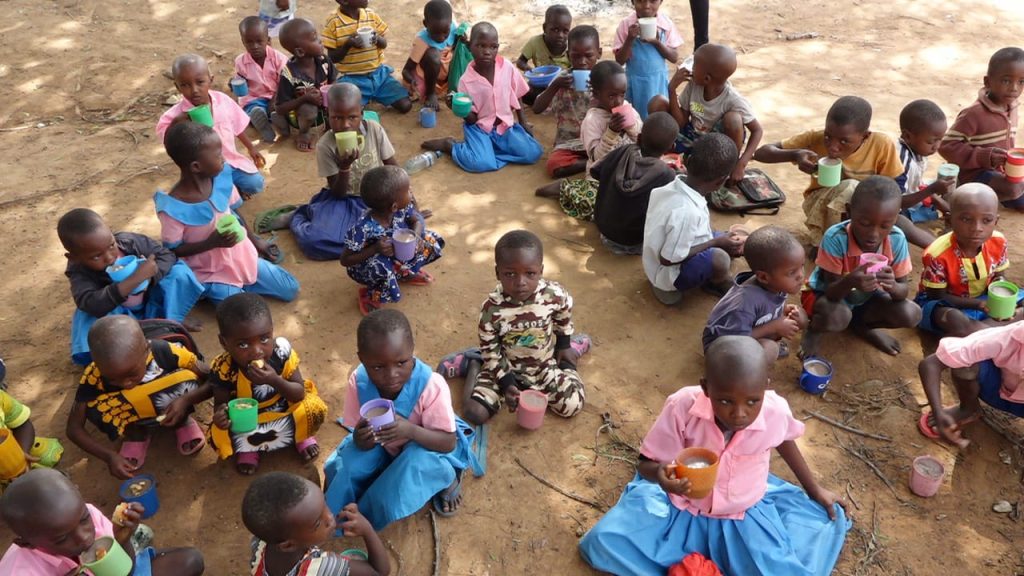
A daily lunch of boiled maize and beans is barely considered a decent meal, but for many vulnerable school-going children in drought-stricken counties, it is a means of survival.
Despite the improving drought situation in the hardest hit coastal counties of Kilifi and Kwale, learners continue to grapple with a hunger crisis that threatens to reverse gains made by the government in driving up enrolment and retention rates.
The onset of the short rains season in May was expected to ease the situation further but huge tracts of arable land are uncropped following fears of crop failure.
Although the vegetation cover has improved, the National Drought Management Authority warns of poor harvest and, as such, household food consumption will remain unstable.
Beneath the glitter of the breathtaking beauty of a greening landscape are awful tales of widespread food insecurity, starvation and soaring poverty levels.
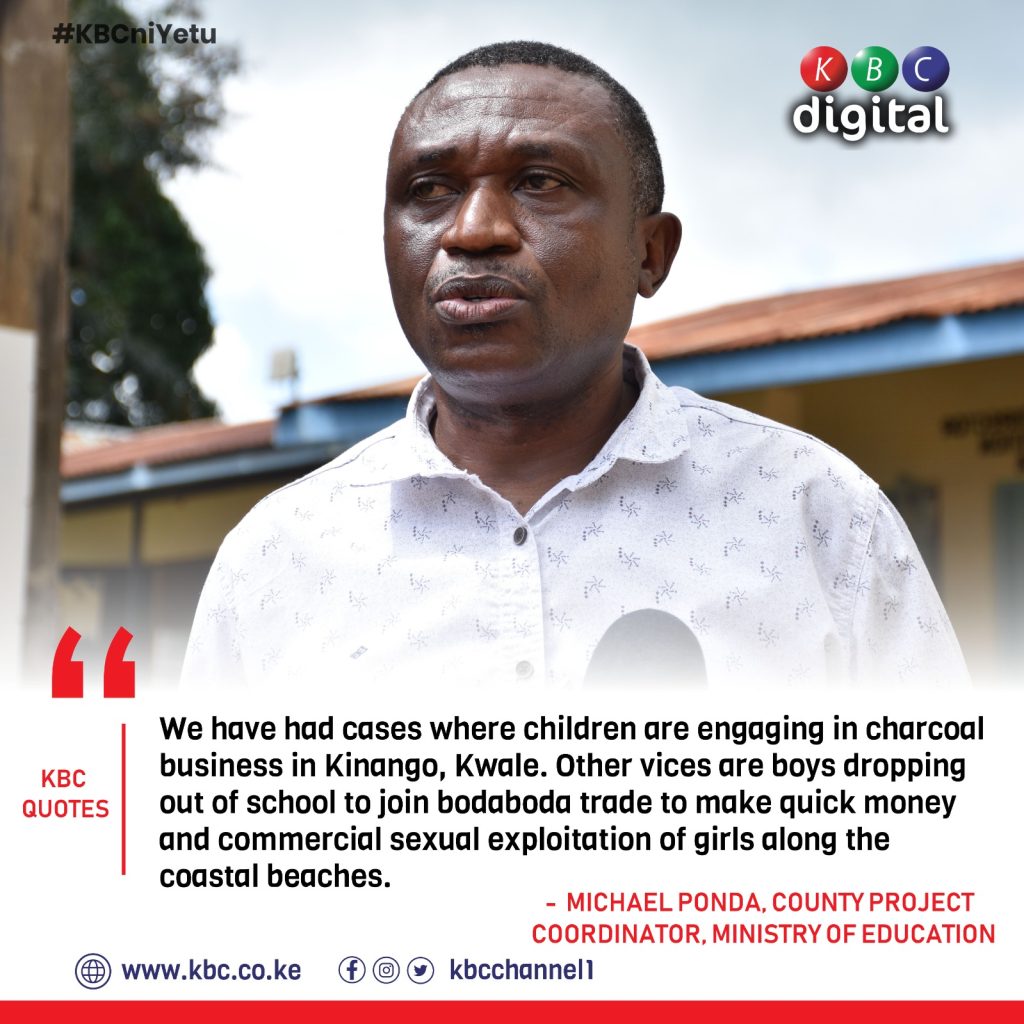
The obtaining situation has sadly forced a good number of children to drop out of school to fend for themselves while those that remain have had to battle the distracting and disturbing facets of the crisis.
County Education Project Coordinator – Michael Ponda
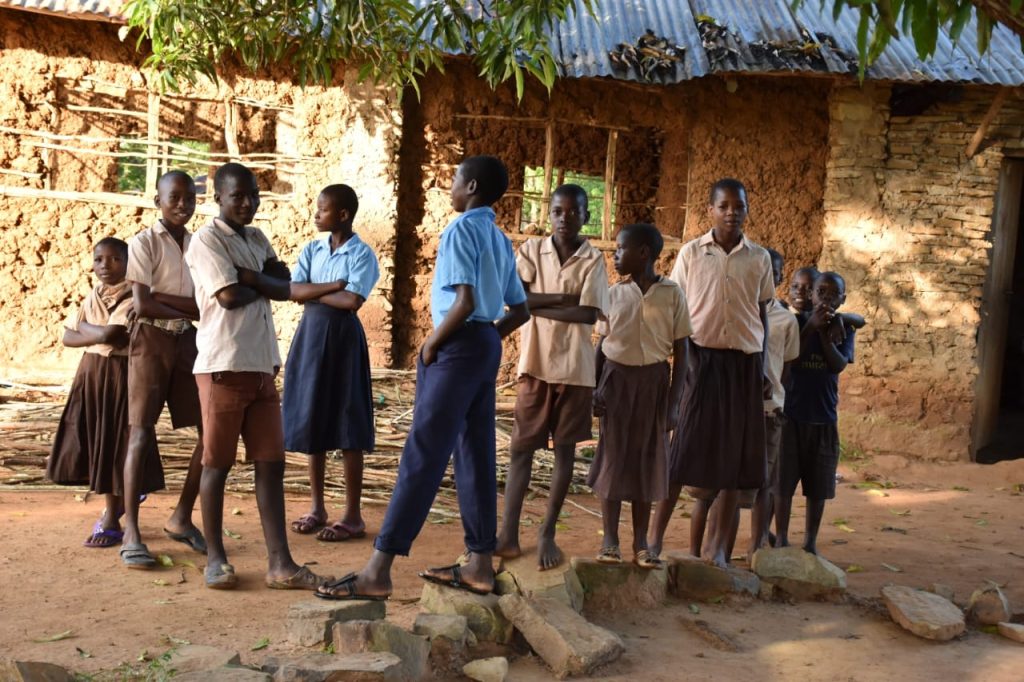
A visit to about 40 primary and secondary schools brings to the fore the raucous conditions learners endure in their quest to get an education.
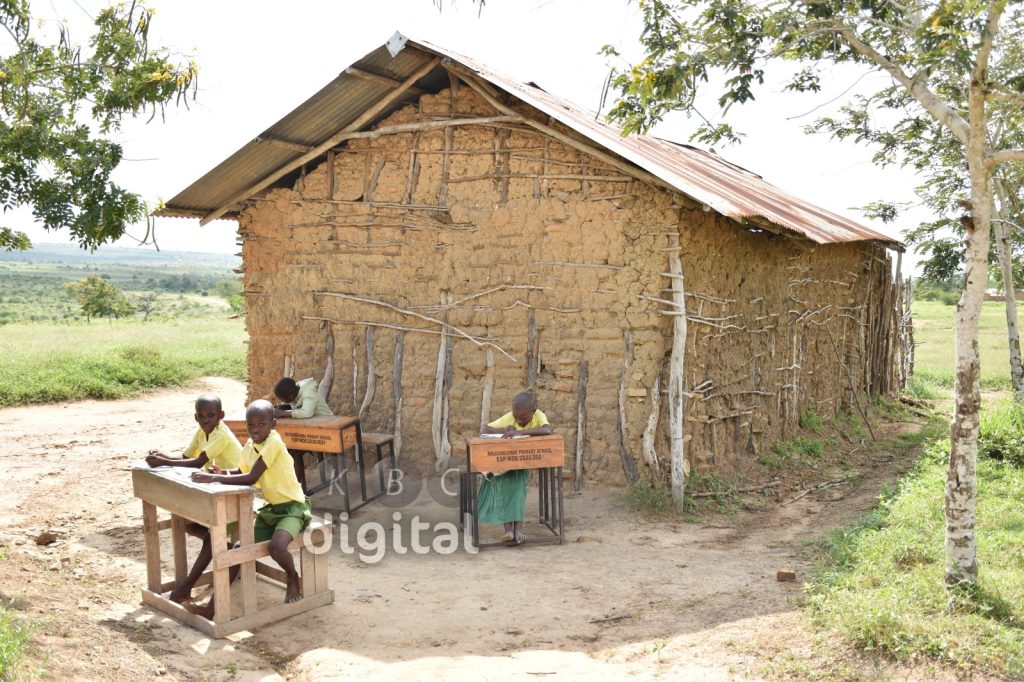
From hunger, lack of water, constrained infrastructure, and shortage of teachers to dealing with raging human-wildlife conflict. Dropped attendance is alarming too.
School meals programme
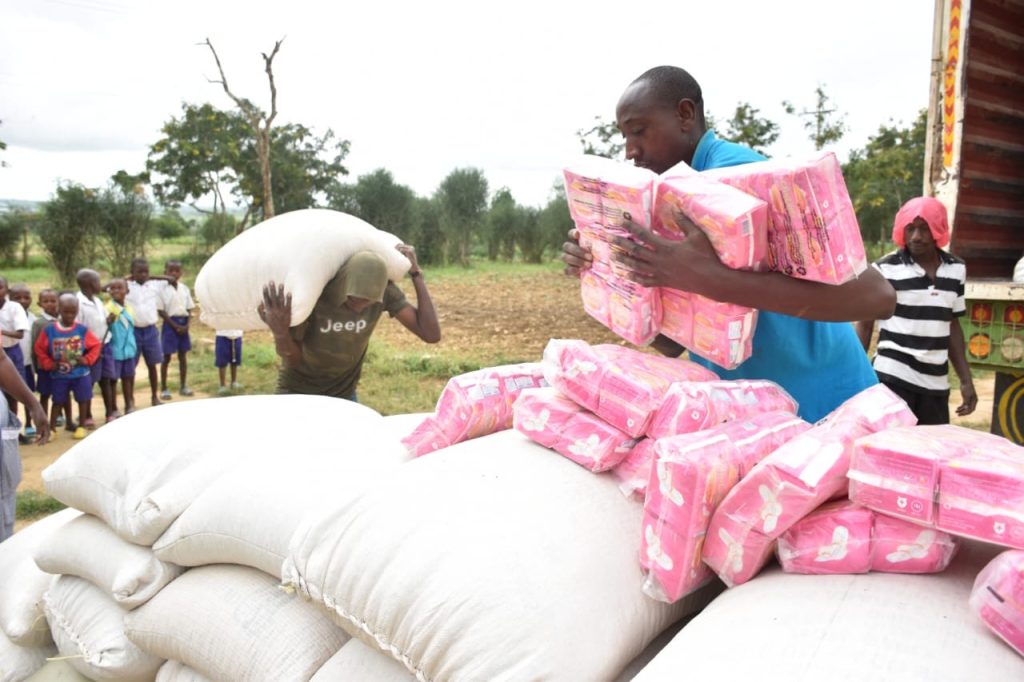
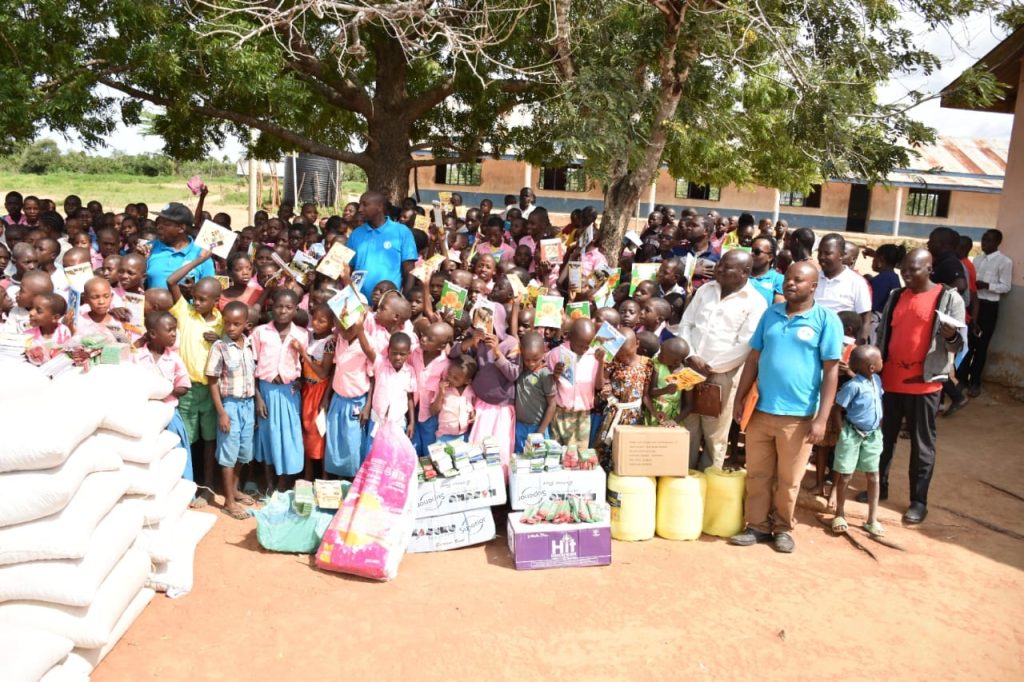
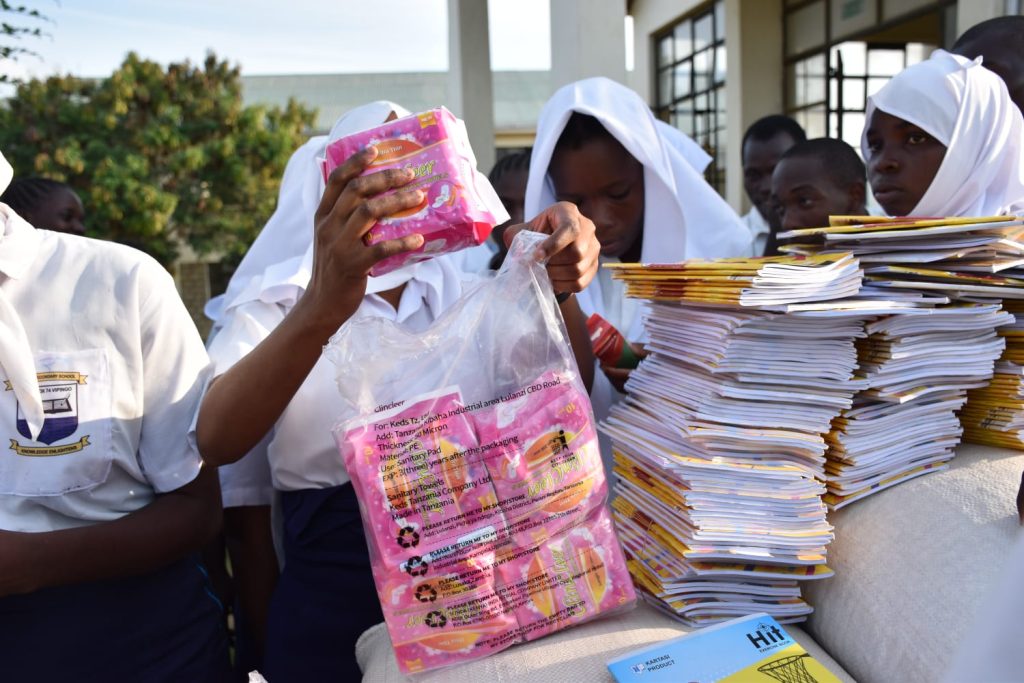
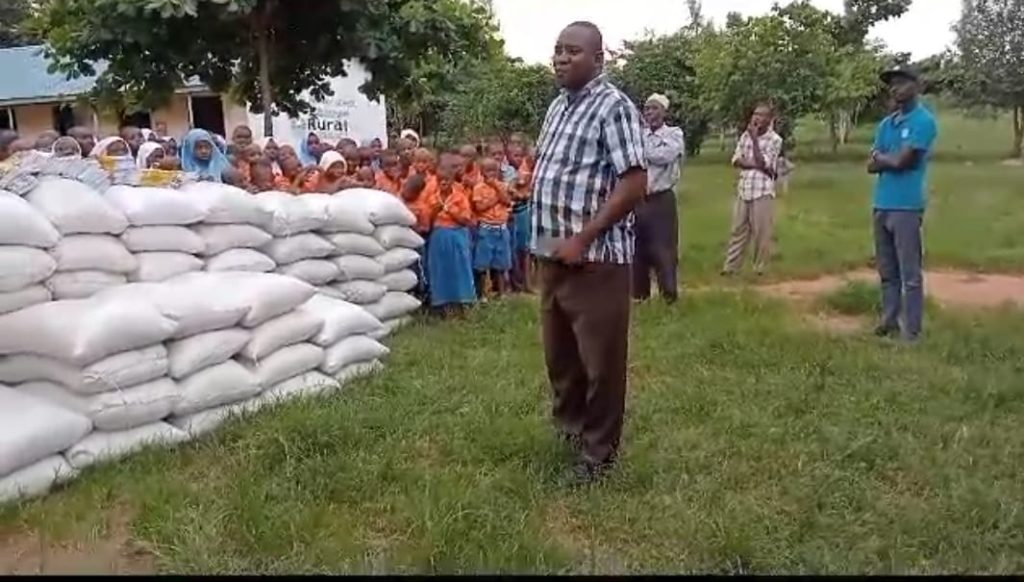
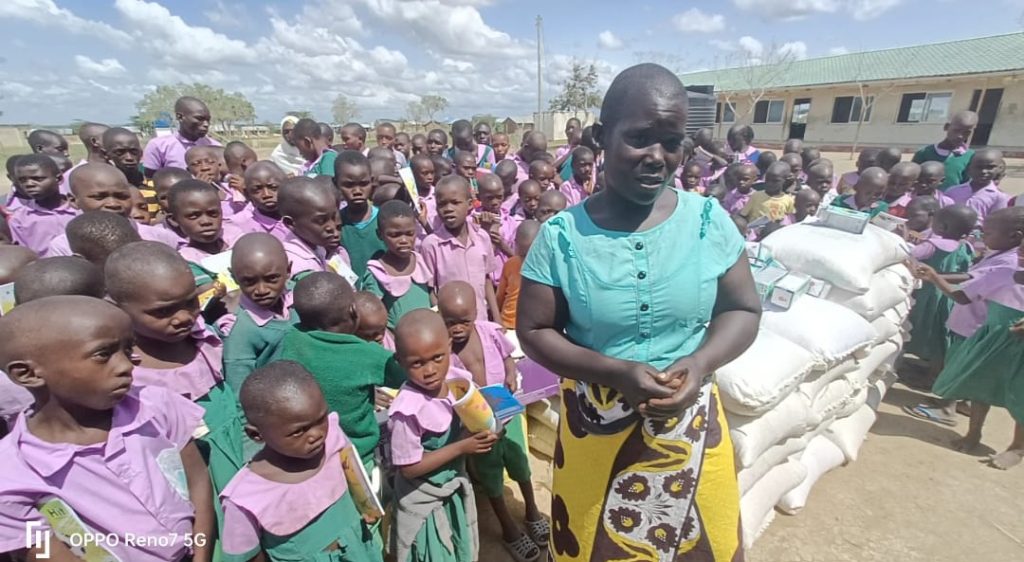
Amid the prevailing situation, the Child Welfare Society of Kenya has for the last two weeks been traversing the two vast counties distributing food, stationaries and sanitary towels to the learning institutions identified by the Ministry of Education that don’t benefit from the government school meals programme.
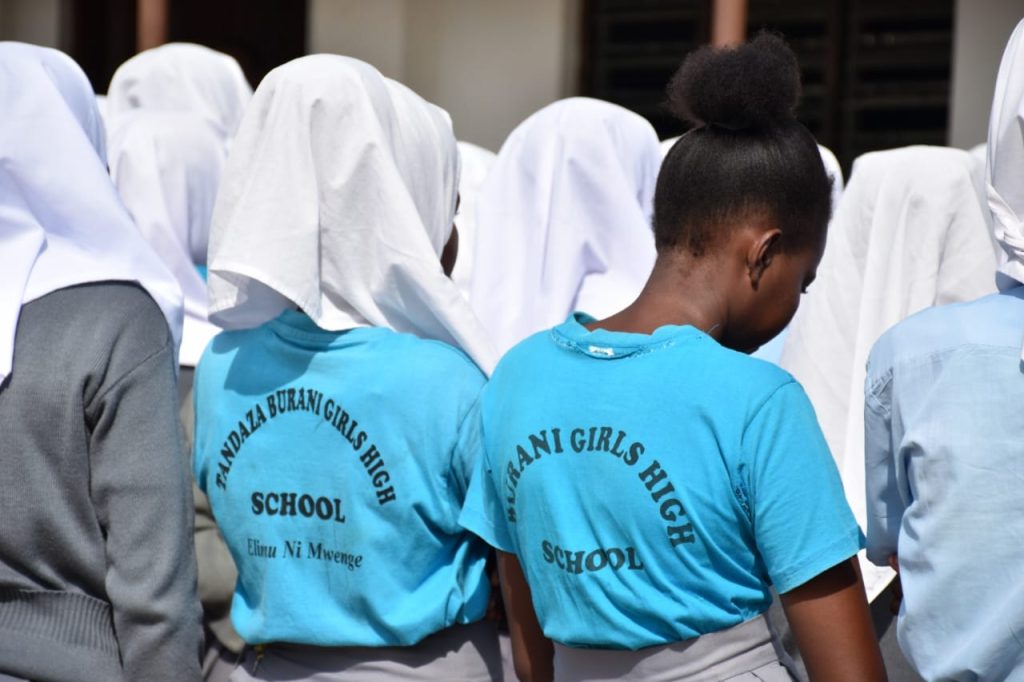
The journey starts off at Burani girls high school which has 330 students. Principal Grace Manza expresses her sympathy for the girls who are not assured of a meal besides lack of material support and huge fee balances.
She says many suffer menstruation stigma and keep off classes due to lack of sanitary towels.
“We teachers are forced to contribute to buy pads but we cannot meet the demand. This has affected performance due to absenteeism. Most families are poor and have been affected by this drought making it difficult for them to provide meals for their children” she says.
The script is the same in Bwiti primary school in Lunga Lunga Sub County. The arrival of trucks carrying food donations sends the learners into a frenzy.
The pupils break into song and dance venerating the state agency under the Ministry of Labour and social protection for showing up in the nick of time. The school should have a population of 642 but slightly more than half have showed up with the rest keeping off classes.
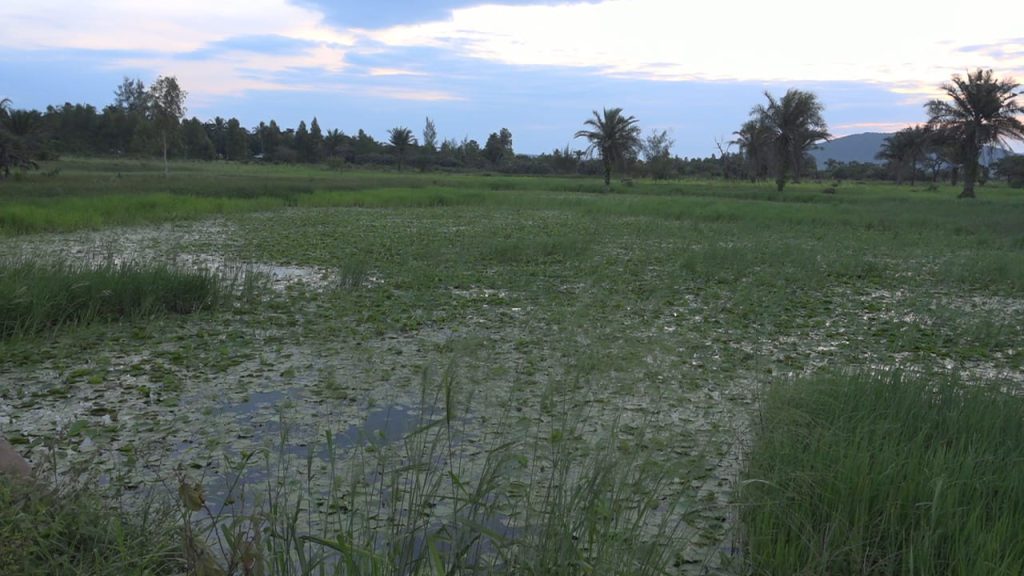
Bwiti settlement schemes are known for rice farming but the paddies have been destroyed by recent floods dashing hopes of a bumper harvest.
According to Shadrack Emmanuel, a candidate in class 8, majority of them go for days without food.
“For us in upper classes, we somehow manage to pull through even when concentration levels dip, but those in pre-primary cannot”.
“It’s worse for the menstruating girls who are the most affected. Parents can hardly afford Ksh 10 contribution towards the school meal,” he adds.
To aid the students, school head teacher Juma Yaa says teachers have formed a WhatsApp group where they often raise funds to purchase sanitary towels commonly known as ‘sodo’ in Swahili in efforts to tackle high cases of absenteeism.
Bwiti headteacher
Next is Bidinimole school with 720 pupils, but hundreds of learners are keeping away. It’s break time and only those in kindergarten are enjoying a cup of porridge, courtesy of an initiative solely sponsored by a local politician.
The burden of feeding the rest of the pupils is left to the struggling parents who should either feed them at home during lunchtime or prepare packed lunches for them. This rarely happens because of the current food crisis.
Our interaction with the children is interrupted by mothers who have thronged the school after getting wind of the free food distribution exercise.
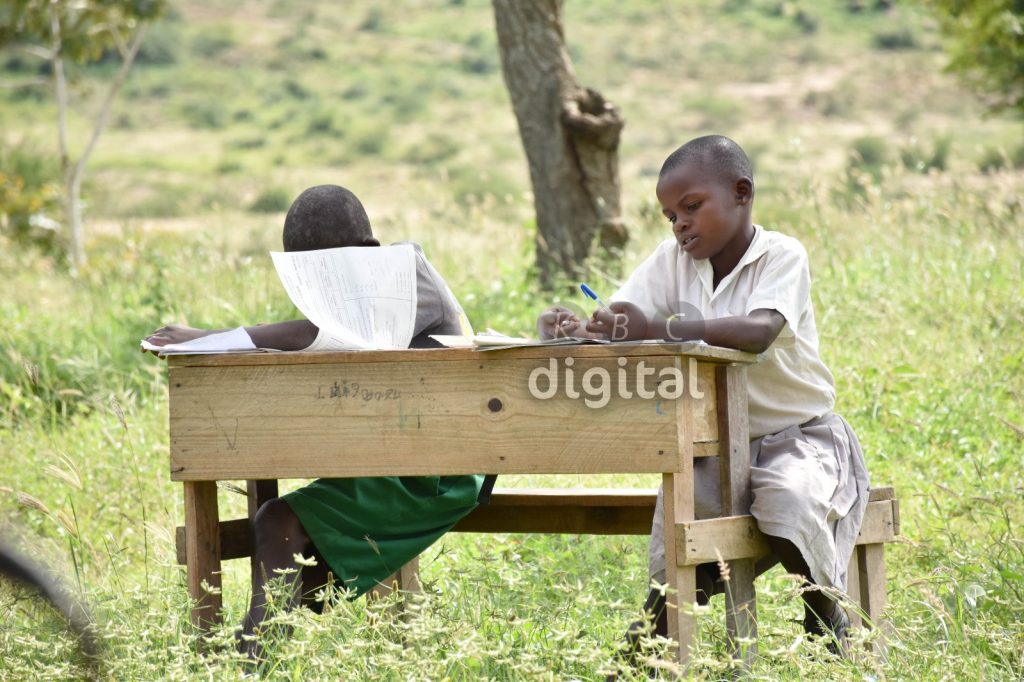
Mkulungome, Bandu and Rima Rapera schools are in a sorry state with learners having to study under trees and dilapidated structures due to inadequate classrooms.
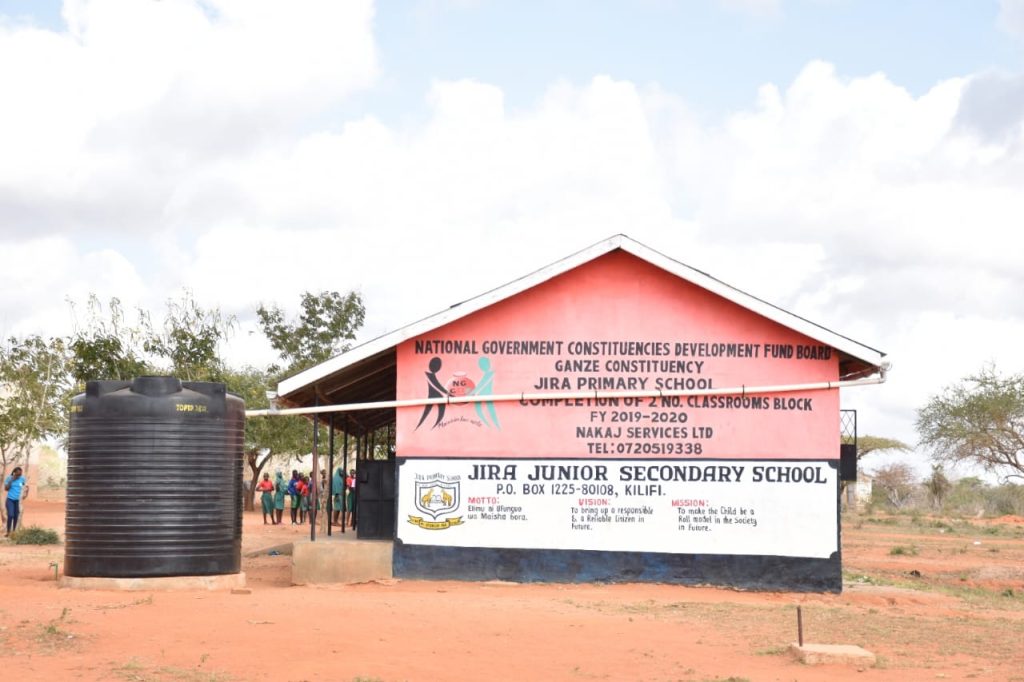
On the farthest end of the remote Ganze sub-county, is Jira Primary school located deep inside the deep Tsavo East National Park with seven teachers against a population of 648 pupils.
The Junior Secondary School with 84 learners has only one teacher, reveals Mlewa Dyeka, the head teacher who is still waiting on the employer Teachers Service Commission to post more tutors.
Besides this, the terror of wild animals especially elephants gives him sleepless nights.
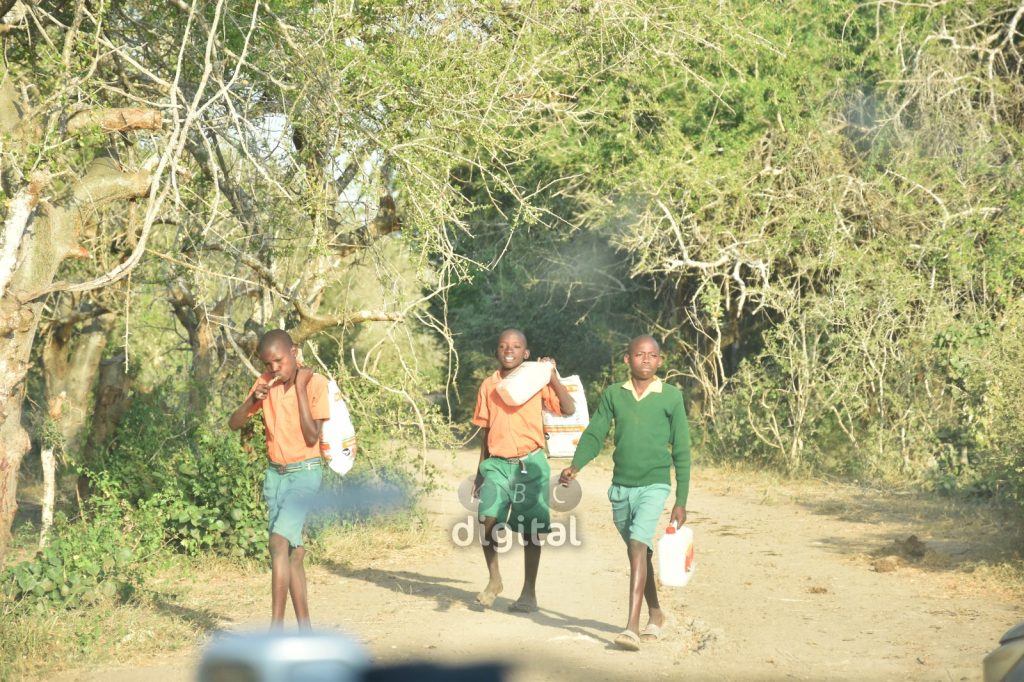
“Hunger notwithstanding, many of my pupils trek for as far as 15 kilometres and every day they encounter these jumbos, as a result classes start late and end early. The menace has adversely affected studies. We are helpless” he says.
The head teacher says some parents have been forced to withdraw their children from school due to threat posed by the wild animals.
“I am forced to spend a whole in school waiting for classes to end to walk my children back home. Their safety is paramount but I end up wasting valuable time that I can utilize to make some income,” a parent laments.
It’s a nightmare and this reality dawned on us as we spotted a jumbo darting away through the dense bush nearby.
The area MP Kenneth Kazungu decries the invasion of farms.
Kazungu chatting with Kilifi County Director of Education Veronicah Kalungu
Local leaders, parents and teachers have made an impassioned plea to be considered for schools’ meals programme now that the government has doubled funding for the initiative to Ksh 5 billion.
Child Welfare Society of Kenya
At least 21,444 learners have benefitted from psychosocial support from Child Welfare in a programme aimed at complementing government efforts to keep children in school.
Through the Emergency Preparedness and Rapid Response, the agency has reached out to thousands adversely affected by drought.
Besides enhancing child protection in emergencies, the programme involves the establishment of child-friendly spaces, provision of psychosocial support and identification, registration, tracing and reunification of separated and unaccompanied minors among others.
According to the organization, the programmes are tailored to meet the affirmative action necessary for children to access welfare services across the country.
Other programmes include; Advocacy; HIV/AIDS; Child adoption; Foster care for orphans and other vulnerable children; Child labour; Street children, rescue shelters; Vocational skills training; Child rights and community empowerment; Early childhood education; Primary, secondary and university education sponsorship.
Muslim faithful Wednesday gathered in various mosques and prayer grounds across the country to mark Eid Al Adha, the Festival of Sacrifice.
In Nairobi, Sheikh Jamaludin Osman led hundreds of faithful in the Eid prayers at Sir Ali Muslim grounds in Parkroad.
Meanwhile, President William Ruto has conveyed his Eid Mubarak wishes to the Muslim community, across the country as they observe Idd-Ul-Adha.
In his message, the President called on the Muslim faithful to mirror the core values of Idd-Ul-Adha which is a celebration of sacrifice, faith, and obedience to Allah.
He wished the Muslims a blessed day inspired by the spiritual virtues that the day signifies.
Eid Al Adha is one of the most important Islamic holidays celebrated worldwide. It is held at the end of the Hajj pilgrimage and sees family and friends gather for feasts, gift-giving, and prayers.
It commemorates the willingness of Prophet Ibrahim to sacrifice his son as an act of obedience to God.
Animals mostly sheep or goats are slaughtered with part of their meat consumed by the family that offers the animal, while the rest of the meat is distributed to the poor and the needy.
The holiday is observed on the 10th day of Dhu al-Hijjah, the twelfth month of the Islamic calendar.
Difference between Eid Fitr and Eid Adha
According to Sheikh Abu Qatada Salim of Malindi, animals are slaughtered before prayers to mark Eid Fitr while the same happens after prayers during Eid Adha.
He explains that only four species of animals were allowed to be slaughtered including sheep, goats, cattl, camels and sheep should be more than six months of age.
The goat should be one year old while the cattle should be at least two years and the camel should be five years old.
“The animals allowed by law to be slaughtered are in four categories and they should be of age and also not too old or suffering any disability and there are ten days in the calendar,” he said.
He also said that those who had slaughtered before prayers should find alternative animals to slaughter after the Idd Adha prayers.
“This is the most important day in the calendar of Islam and it is the day of slaughtering, it is different from Idul Fitr. During Idul Fitr we slaughter before prayers but in Idd Adha we slaughter after prayers and whoever has slaughtered before prayers should find another animal to slaughter after prayers,” he added.
This he said was following in the footsteps of Ibrahim who in the Quran wanted to slaughter his only son Ismail in order to fulfill God’s dream.
“We are following the footsteps of our father Ibrahim who dreamt that he was slaughtering his son Ismael and he had prepared everything until a voice from God came down ordering him to stop and he gave him a sheep to slaughter. He was happy for Ibrahim for demonstrating faith and loyalty,” he said.
He further urged Muslims to serve humanity in faith and not to please people.
The Director of Schools Audit Services in the Education Ministry, Victoria Angwenyi has directed Heads of Secondary schools not to send students out of school who have fees arrears.
Speaking during the 46th Annual National Conference of Principals and Exhibition, Victoria Angwenyi said that schools have two major funding sources; capitation and school fees paid by parents.
She also tasked the school heads to offer guidance to parents on school enrollment on exploring boarding and day schooling for their children depending on their financial capability.
The government through the Ministry of Education allocates and disburses Ksh 22,244 to all regular public secondary schools and 57,974 to special needs public secondary schools.
Capitation funds the tuition component, including the teachers, textbooks, and all learning materials while school fees paid by parents cater for boarding facilities and food.
Angwenyi said that the matter of sending students home due to delayed capitation should not arise because all tuition components on capitation are available at schools.
“Teachers experience challenges when there is a delay in paying school fees by the parents to feed the students,” Angwenyi said.
On the matter of school fees being increased, Angwenyi said that the government is working to moderate and make sure that it is affordable to the parents.
However, she noted that all public schools have a limit on school fees paid and elaborated that boarding schools pay ksh. 45,000 and ksh. 53,000 for National Schools.
“The Budget was read and approved the other day so if we give false promises of increasing the capitation, where will the ministry get the funding from,” she answered when asked whether the government had any plans to increase the capitation.
The Principal AIC Kibomet, Gilbert Wamalwa said that the delay of capitation this year has greatly affected both the welfare of the students and the running of the schools.
“We have had some schools being taken to court because of delayed payments to suppliers who have had a difficult time understanding that there has been a financial crisis in the country,” Wamalwa said.
Wamalwa affirmed that there is a need to have Principals have a sit down with parents to get them well-educated about capitation to avoid further misunderstandings and neglecting of responsibilities.
Tom Shavisa, Principal at Senende Boys, Vihiga County talked about the importance of having students registered with the National Health Insurance Fund (NHIF).
The government collaboratively with NHIF provides health cover to all high school students from public Institutions called Edu Afya.
Edu Afya offers dental, optical, inpatient and outpatient, and overseas treatment cover in case a student needs specialized treatment overseas whereas NHIF caters for everything including traveling logistics.
“In the event of the demise of a student, the immediate family receives a sum total of ksh. 500,000 which helps the family in burial arrangements” Shavisa said.
“This has been an ongoing project in our schools and we have witnessed many students benefiting from the Edu Afya Health Cover,” he concluded.
Prime Cabinet Secretary Musalia Mudavadi has called for concerted efforts in the mobilization of resources for the health sector rather than waiting for grants and donations that may never come.
Speaking Monday during the official opening of the National High-Level Dialogue on Health Financing Conference at Safari Park, Mudavadi, who represented President Ruto, said that the country will need to think beyond external sources of funds.
With dwindling finances due to the withdrawal of grants by key stakeholders, the CS said the private sector will play a critical role in the health sector.
He further assured that the Kenya Kwanza administration is committed to delivering a well-functioning healthcare system saying this will be achieved by focusing on affordable financial protection, accessible equity, people-centered integrated care, and availability of quality services.
“I encourage health coordinators across the country to champion for more Universal Health Coverage so that Kenyans can get access to quality healthcare services,” he said.
“I am impressed by the robust ICT infrastructure at the health ministry; a crucial aspect of improving healthcare services in Kenya. Streamlining services through technology can make healthcare more effective and efficient, resulting in better health outcomes for patients” he added.
Cabinet Secretaries Susan Nakhumicha (Health) Simon Chelagui (Cooperatives) and CoG representatives led by chairperson Governor Anne Waiguru and other global partners graced the event.
Embattled Siaya Deputy Governor William Oduol Monday evening survived impeachment following an overwhelming vote by the Senate.
This is after 27 Senators voted against two charges leveled against the deputy county boss who had earlier been indicted by a special committee.
The Legislators broke into applause when Senate Speaker Amason Kingi delivered the verdict.
“The Senate has failed to remove from office by impeachment William Oduol, the Deputy Governor of Siaya County and that the Deputy Governor accordingly continues to hold office” Kingi declared after the vote.
Debate ahead of the vote was charged and openly displayed political differences pitting Kenya Kwanza and Azimio coalitions.
Oduol who will continue holding office blamed his boss Governor James Orengo for his woes and a section of the executive whom he accused of hatching an elaborate plot to taint his image.
The committee had recommended his removal having proven allegations of gross violation of the Constitution, abuse of office and gross misconduct.
The committee could however not substantiate claims of bulldozing officers to renovate the office of the Deputy County Governor outside approved budgetary provisions, misuse of public resources, and bullying.
After a thirty-minute break to allow Senators to go through the 92-page report, senators allied to Kenya Kwanza opposed the report with some terming it a product of Siaya County politics.
Secondary school heads have denied doing business with uniforms in their institutions at the expense of parents.
Kenya Secondary School Heads Association chair Indimuli Kahi said the perception is not true and no principal would want to turn his or her school into a money-minting trade by selling uniforms to parents.
Speaking in Mombasa after a tour of the Sheikh Zayed Hall where the 46th Kessha conference is set to take place from Tuesday Tuesday till Friday.
The allegations come amid complaints from parents that they are forced to buy specific kinds of uniforms from specific sellers, raising questions about the genuineness of the whole process.
However, Kahi said principals usually provide an avenue through which parents can easily access the uniforms, lest they be forced to buy uniforms at exorbitant prices and which may not be of the required colour, quality or shade.
He said schools are also subjected to the public procurement process by the government and that schools usually advertise for the supply of uniforms in the local dailies and in their websites.
“Meaning whoever will apply will competitively be picked. After this person has been competitively picked, there are two things,” he noted.
Kahi explained that after a supplier is picked, parents will be told to buy the uniforms from that specific supplier or the supplier will be asked to take the uniforms to school.
He also said uniforms should be separated from boarding items including mattresses, beddings, among other things.
The Kessha chair said the 46th conference will be looking at different issues that affect education including the Finance Bill 2023, which President William Ruto has assented into law.
“We are aware of the PS the other day, when he was making his comments to Parliament, he clearly indicated that with what is being given in the budget there is a possibility of one million students going to lack capitation,” Kahi noted.
“As we get into the implementation of that Finance Law as far as education is concerned, we must take cognizance of that red flag that the PS had already given,”he said.
“I’ll back him on that. We need to look for more funds so that we are able to get all our children to get capitation,” the Kessha boss said.
He however pointed out that principals want the capitation increased from the current Sh22,244 per secondary school student.
The over 9,000 secondary school heads expected to meet at the conference will be deliberating on how to completely transition from the 8-4-4 system which is coming to its tail end and usher in full the Competence-Based Curriculum (CBC).
“Since the university funding and scholarship method has been changed by the Kenya Kwanza administration, Higher Education and Research PS Beatrice Inyangala will be speaking on the new approach in getting to tertiary institutions and how students will get there, ” he further said.
The principals will also discuss the preparation for take-off of CBC in senior secondary schools which will be ready in two years’ time.
Azimio la Umoja will next week move to court in a bid to stop the implementation of the 2023 finance bill.
Led by Rarieda Member of Parliament, Otiende Amollo and the Siaya governor, James Orengo, the MPs said they will demand the court to declare the legality of the bill that has seen Kenyans express divergent views over the tax proposals contained therein.
Others were John Mbadi (Nominated), Babu Owino (Embakasi east), Samuel Atandi (Alego – Usonga), senator Oburu Oginga (Siaya) and Enock Wambua (Kitui) who warned that it was too early for the United Democratic Alliance leaders to celebrate the passing of the bill, adding that there were two options that Kenyans and the opposition have in their quest to stop its implementation.
They were speaking at St. Sylvester catholic church, Madiany grounds in Rarieda constituency during an education day for 21 catholic sponsored schools within Madiany parish.
MP Otiende Amollo declared that he will be on court on Monday to have the court’s opinion on the legitimacy and legality of the bill that was now waiting for the presidential assent to become law.
“It is not the end of the road yet. Those celebrating should withhold their celebrations” he said adding that apart from the court, the opposition will also seek the indulgence of Kenyans whom he said had the ultimate power under the constitution on what action to take so as to reverse the bill that he said would fleece the citizens.
Embakasi East MP, Babu Owino accused the Kenya Kwanza government of giving Kenyans empty promises during the campaigns, only to turn against them and impose heavy taxation.
Siaya governor, James Orengo said it was an act of betrayal for a section of the opposition members of parliament to abandon the citizens and vote for the finance bill that, he added, would burden the ordinary mwananchi.
The coalition Thursday announced it will hold a public engagement forum on Tuesday, June 27, 2023, at Kamkunji Grounds in Nairobi to discuss the Finance Bill 2023 and the national budget.
Deputy President Rigathi Gachagua has said the Government will end the banditry menace in the Kerio Valley saying it will not be acceptable anymore for people to lose lives to bandits.
The DP said the Kenya Kwanza administration will fulfill the promise it made to the residents to deal with the menace once and for all.
Speaking on Friday in Iten town when he presided over the launch of empowerment projects in Keiyo North Constituency, Mr Gachagua said they will ensure the guns fall silent in the region.
“We promised to end cattle rustling in Kerio Valley. This is the government that will bring an end to this menace. Right now, the guns have gone silent. They will be silent forever,” he said.
The Deputy President said the officers who were deployed to the area to restore peace and order will remain in the area until it was disturbance-free.
“The security officers will remain in the region until peace is fully restored. Never again will our people be killed like chicken by bandits when a government is in place,” he assured.
The DP also stated that the region is well endowed and expected a bumper harvest because many farmers received subsidized fertilizers distributed by the government before the planting season.
“We have distributed millions of bags of fertilizers and we will continue to do so to ensure our farmers are properly equipped as they farm. I am impressed to see the farms in the North Rift brimming with healthy crops. I’m sure we will have a bumper harvest this season and an adequate supply of food,” Mr Gachagua said.
The DP also said the projects that were denied funds because of bad politics in the North Rift including Arror, Kimwarer dams and Kimariny Stadium will all be revived and completed in time for the people to benefit from them.







 At least 21,444 learners have benefitted from psychosocial support from Child Welfare in a programme aimed at complementing government efforts to keep children in school.