
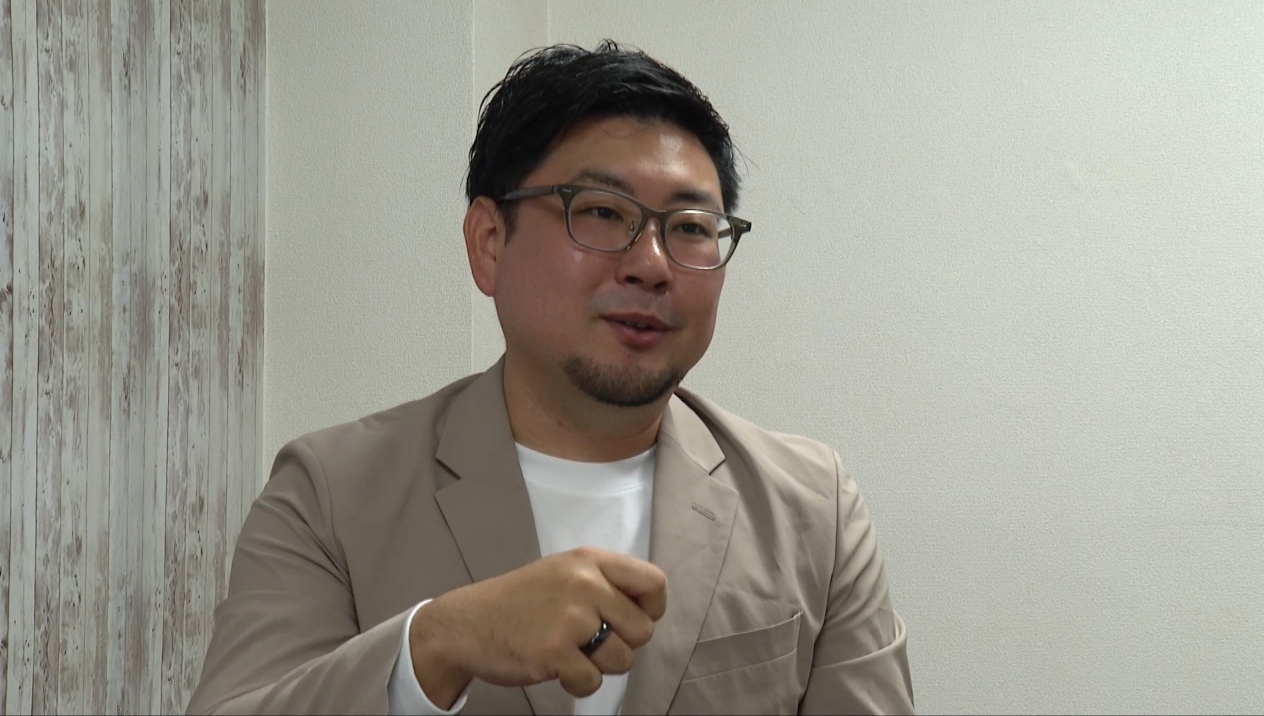
Nthini wa kilungu kii mutangaasi witu Geoffrey Musyoki( Kaprince) nukee umukulya makulyo ovisaa munene wa muvea wa NACADA Prof. John Muteti yiulu wa matambya ala silikali yosete kukitana na utumii wa ndawa syakumila kati wa amuika.
Author: KBC Digital
-

Xi Jinping hails Africa’s upcoming peace mission to Russia, Ukraine
CGTN
Chinese President Xi Jinping on Friday spoke highly of an upcoming peace mission on the Ukraine crisis by six African countries, describing it as a “good” thing.
Xi gave the praise during a phone call with South African President Cyril Ramaphosa, who told the Chinese leader that a peace delegation led by leaders of the six African countries, including South Africa, will visit Russia and Ukraine, in a push for an end to the conflict as soon as possible.
“It is good that Mr President and the leaders of the relevant African countries have formed the peace delegation and will visit Russia and Ukraine,” said Xi.
He reiterated that China’s position on the Ukraine crisis has been consistent and can be summarized as the promotion of peace talks, and voiced the hope that all parties will build up favorable conditions for resolving the crisis through dialogue.The Chinese side hopes that all the peace-loving and justice-safeguarding countries in the world will make their rational voice of promoting peace talks heard, said Xi.
Ramaphosa said South Africa supports the Chinese position paper on the political settlement of the Ukraine crisis, and he hopes that the parties concerned can resume negotiations at an early date.The peace mission of the African countries will come following a Chinese special envoy’s Europe tour last month on the political settlement of the Ukraine crisis.
China-South Africa relations
During the phone talks on Friday night, the two leaders also hailed bilateral relations.
Xi said China-South Africa relations are of strategic importance in safeguarding the common interests of the developing countries and guiding solidarity and cooperation between China and Africa at large.China is ready to work with South Africa to elevate the bilateral ties, build a high-level China-South Africa community with a shared future and practice genuine multilateralism to jointly safeguard the common interests of the developing countries and promote the international order to move towards a more just and reasonable direction, he said.
He added that China supports South Africa’s BRICS presidency and its hosting of various activities in the year.
For his part, Ramaphosa said South Africa values, and is proud of, the strong and high-level strategic partnership between the two countries.
Bilateral cooperation has also benefited Africa, he noted.
South Africa will deepen communication and coordination with China and other BRICS members to strengthen BRICS cooperation, he added.
-

IPCC Chairperson Election: Is Prof. Jean-Pascal van Ypersele the Man to beat?
By Justus Wanzala
The Belgian national aiming to be the chairperson of the Intergovernmental Panel on Climate Change (IPCC) holds vast professional experience and enviable institutional memory. This is because he is a scientist with vast knowledge of policy issues and has literally seen seasons come and go on the global climate change discourse and research. He now aims to cement his legacy by clinching IPCC’s apex position and drive its agenda.
As the race for the chairmanship of the Intergovernmental Panel on Climate Change (IPCC) heats up, candidates have lined up and are looking forward to taking up the leadership of this critical global institution. IPCC is an intergovernmental body of the United Nations. Its role is to advance scientific knowledge about
In the elections that is due next month in Nairobi, Kenya, two male candidates, Prof. Jean-Pascal van Ypersele from Belgium and Skea Jim from the United Kingdom. Others are female candidates Thelma Krug, a Brazilian national and Prof. Debra C. Roberts from South Africa are in the race.
For Prof. Jean-Pascal van Ypersele who was born in 1957 in Brussels and a holder of a PhD in physics from the Université Catholique de Louvain, the climate story is intrinsically tied to his life.
He has been part of the climate change story for close to 50 years now. As fate would have it, he arrived in Kenya in 1973 as a young intern at the United Nations Environment Programme (UNEP), where he had already realized that human activities have an impact on climate despite a large number of naysayers even by then.
During the same year, he was part of an expedition to watch the longest solar eclipse of the time at Loiyangalani, near Lake Turkana, northwest Kenya and immediately embraced the subject that had many naysayers, climate change.
Currently a full Professor of climatology and sustainable development sciences at UCLouvain University, and boasting 40 years in climate science and diplomacy, he has participated in all UN conferences on climate issues.
It is no surprise thus that in 2015, he mounted a strong opposition to Hoesung Lee from of South Korea who was then elected as the chairperson against him by 78 votes to 56 votes.
Already, his second attempt to become a candidature for the IPCC chairmanship has attracted home support after the Belgium Council of Ministers approved the Federal Government’s support for him in October last year.
An internationally recognized expert on climate science, Prof. Ypersele has a strong passion for sustainable development and the socio-economic aspects of climate change.
A strong negotiator, his scientific expertise, historical knowledge of the IPCC, and widely acclaimed performance as Vice-Chair are key motivating factors that have seen him enter the race.
Plans for Sub-Saharan Africa
Prof. Ypersele who steered clear of talking about his opponents by only saying that they are worthy competitors, clarified recently during a breakfast meeting with the Journalists in Nairobi, that whereas the IPCC is not in charge of policies around the world and is neither involved in organizing the Conferences of Parties (COP) which are organized by their Secretariat and the Presidency of that specific year, he is keen to work with African governments under the existing mandate.
“The IPCC’s role is to advise looking at the scientific, technical, and social aspects of climate change. It has looked at what is happening, what might happen, and solutions that could be offered by the UN member states,” he says.
He points out that in the latest IPCC report on impacts and adaptation to climate change, there is a specific chapter on Africa with a justification for the statement that is often mentioned in COPs that “Africa is one of the most vulnerable continents” as far as climate change is concerned.
“The continent is vulnerable to droughts, floods but we need to note that other times it is important in offering solutions because it has a lot of forests which store a lot of carbon for instance in the Congo basin surrounding areas. These are issues that I recognize and I will emphasize as chair,” he says.
Meanwhile, he states that issues related to agriculture and the provision of clean water that are important to the health of the population are close to his chest, and will attend to them.
Other than the elements of solutions that Africa has to offer both in terms of adaptation and mitigation, Prof. Ypersele says it is clear that if Africa fails to change its development pattern, it will equally be a heavy contributor to pollution in the future.
It is the reason he says why it is important to keep the earth’s warming below 1.5 degrees centigrade, which is the most ambitious target of the Paris Agreement that was signed by member states in 2015.
“It’s also the reason I wear a tie with the same message because keeping the warming below 1.5 degrees is crucial as per the latest IPCC report on the basis of scientific literature on the global temperature. If it goes beyond 1.5 degrees in warmth, and we are 1.1 already now adaptation will become more difficult, much more expensive, and in some parts of the world, simply irreversible,” he emphasizes.
Prof. Ypersele says it’s key to combine adaptation measures, policies, and mitigation to reduce the emission of Greenhouse Gases (GHG) so that the warming does not go beyond 1.5 degrees centigrade and that adaptation remains possible.
Energy transition
On whether developing countries should tap their fossil fuels to stir up economic development and even fund their transition to clean energy, Prof. Ypersele reiterates that the role of the IPCC is not to prescribe what countries need to do in the face of climate change.
“The IPCC mandate is to be policy relevant with its assessments and ensure interesting to policymakers without being prescriptive. Its role is not to dictate what a country should or not do,” he adds.
Nevertheless, he notes that the IPCC is clear on the fact that if all the fossil fuel reserves are used, it will certainly go above the 1.5-degree centigrade level which is so important to keep below as reached in the Paris Agreement.
On the other hand, he says that climate change mitigation and adaptation is one of the Sustainable Development Goals (SDGs) and Agenda 2030 and in that context, SDG 1 is about eliminating poverty while SDG 2 is about eliminating hunger. Likewise, energy access and clean energy development are anchored in SDG 7.
‘There are 800 million people in the world with no access to basic energy and it’s a concern too that needs addressing,” he adds.
According to Prof. Ypersele, Africa is endowed with the sun and it will be there for over four billion years providing every two hours an equivalent of the total amount of energy that is used in the world annually.
“We need to note that some places will continue to use fossil fuel and gradually phase it out. It is a tricky balancing act,” he says.
IPCCC Reforms
Prof. Ypersele intends to reform the IPCC by making it more visible and to be heard and listened to by the international community and population.
“My programme is to ensure that the IPCC remains a global voice on climate and the only institution that can speak in the climate negotiations,” notes.
He adds that as things stand, during climate negotiations delegates representing their countries speak for their countries but the climate does not speak and climate is the only party that is not allowed to speak in the COPs.
“I want the IPCC to be the global voice of climate and climate science in the future,” he says.
Correspondingly, he reiterates that he wants to do it in a policy-relevant way without being policy prescriptive to address the needs of policymakers and all decision-makers of all times.
He intends to use economic decision-makers and ultimately all people in the world because they are also decision-makers in their daily lives.
“I want to include all players since the IPCC is a world body with 195 members states, it is very important that all that we do is a representative of the concerns, interests, possibilities, and the existing knowledge among all its members,” he observes.
Similarly, he intends to increase the participation of scientists from developing countries in the IPCC process because the majority of scientists currently do not come from developing nations.
In fact, he observes there is a positive trend as witnessed in the increasing number of scientists participating in the IPCC process but this has to be scaled up.
Prof. Ypersele notes that with this inclusivity, research on climate change from the developing south will increase since scientists from the global South know the local situations better.
Moreover, he intends to improve the participation of women and youths in the IPCC since he says the two groups represent more than half of humanity and are fewer authors of the IPCC reports.
His third point is that as the IPCC turns 35 this year, he is keen to ensure that the authorship contains enough young scientists amongst its teams.
“This is to balance both the old and young to be able to benchmark from both ends,” he narrates. Indeed, while in Ghana recently, the don met young activists and youth ambassador for the Nakeyaat Dramani Sam, Climate Vulnerable Forum (CVF) ambassador for the youth.
Prof. Ypersele equally wants to ensure that the publications are done in other languages and not only English so that assessments are summarized in and published in many languages as possible to enable members to understand the role of IPCC.
“This is why I made a special effort to ensure that my campaign postcards are available in many languages as possible and that is why I have a Kiswahili version. That is what I would like to emphasize should I get elected as the next IPCC chairperson,” he reiterates.
He plans to do a lot of work around climate justice and just transition as his priority.
If elected, Prof. Ypersele states that he will lobby to ensure vulnerable countries find the information they need within the IPCC to address vulnerabilities.
He notes that he will endeavor to ensure that the IPCC seeks more funding to fund climate action.
“It may mean collaborating for example with The United Nations Educational, Scientific and Cultural Organization (UNESCO) to translate some of the IPCC material in a simpler language,” he adds.
He observes that he is not leaving the private sector behind and intend to collaborate with them.
“In both aspects of adaptation and mitigation, experts in the private sector know more about what can be done than experts in academia because the latter are more removed from where the action is taking place,” he says.
He adds that sometimes private companies tend to have the latest findings on climate issues compared to academia although the academia could also be having the latest techniques yet to be deployed by the private sector.
Prof. Ypersele IPCC candidature is anchored on experience having been a lead author of several assessment reports, a strong track record of advocacy, chairing, and partnerships, and standing for IPCC as a global voice of climate.
Assuredly, he is ready to represent the global family by ensuring interdisciplinary science and policy making and, science and decisive action.
The IPCC was established by the United Nations Environment Programme (UNEP) and the World Meteorological Organization (WMO) in 1988 to provide scientific leaders with periodic scientific assessments concerning climate change, its implications, and risks, as well as to put forward adaptation and mitigation strategies.
It is home to many climate scientists who generate climate change assessment reports after assessing thousands of scientific papers published each year to provide a comprehensive summary of drivers of climate change, its impacts, and future risks, and how adaptation and mitigation can reduce the risks it poses.
-
Building capacity of medical professionals to help improve outcomes
By Judith Akolo
As disease patterns change and health service delivery becomes more complex, providers are coming up with more innovative ways of tackling illness as well as to meet demand for the services.
Mediscan Africa has embarked on a tailored program known as point of care ultrasound that trains doctors on more innovative ways of diagnosis and care for patients. This according to Mediscan Africa Business Development Manager, Patrick Miruka will improve and retool the skills of medical professionals to aid them in ensuring efficiency in the provision of healthcare.
“Basically what we do is we run ultrasound training and other continuing medical education for medical doctors and medical professional on point of care ultrasound,” he says and adds; “This is used for emergency purposes and helps physicians to be able to make quick diagnostics or quick decisions,”
This according to Miruka will also reduce cases of misdiagnosis or poor approaches in treatment as the doctor is able to use ultrasound to determine the nature of sickness without having to send the patient to another department to get the image, “the image is right in front of the doctor on the screen.”
At a time when the doctor-to-patient ratio in Kenya is about 1:10,000, that one doctor to every 10,000 patients, against the World Health Organisation (WHO) recommendation of 1:1,000 that one doctor to every 1000 patients, besides the small number of specialized health professionals in given fields which at times forces the doctors to work long hours on end.
Miruka says that continuous training on the use of novel technology in diagnosis will reduce the amount of time, one patient is attended to while increasing efficiency. “Soon the use of the stethoscope will be seen as obsolete with the coming in of ultrasound in diagnostics,” he offers.
The knowledge gap in the use of the Managed Equipment Services (MES) that ensures that public hospitals have access to modern health infrastructure, equipment, and services over an agreed period of time, met challenges at inception when most doctors could not handle the equipment and required that an expert does so, “The way medicine used to work back in the day was we used to send the patient if you wanted to know if a patient has for example a stone in the gall bladder we used to send them to the radiology department to do an image and then they would come back,” says Dr. Edward Maina, a specialist in emergency medicine and adds, “now we are trying to change that model so that when a patient is with you in the consultation room you can actually just run an image and be able to tell there and then.
Dr. Maina says this approach is less costly as the patient will not be paying for radiology services as the all the processes are done in the same consultation room and you are able to treat “the patient based on what you are seeing on the screen using the ultrasound.”
He notes that the continuous training on newer methods of diagnostics is improving efficiency as one doctor is able to handle more patients effectively, he says the point-of-care ultrasound, is part of a battery of tests that can be done on the spot.
“You don’t have to send the patient to another department, you can just do it there and then, he says and adds, “The way it helps us as medical doctors are first of all you able to lessen the burden for patients who have to go to radiology to get an image done and come back, it lessens the time to get a diagnosis, we also free up the department because some of the patients who come can get a test done and you know whether it is positive or negative and that helps us to make a decision,” says Dr. Maina.
Kenta Hara the Chief Executive Officer and Founder of Africa Asia Health Dynamics says it is possible to reduce the overload on referral hospitals when doctors at level two or three hospitals are able to use innovative ways of diagnosis.
“Medical doctors cannot use their ability in the hospital, especially at the point of care, so they would like to diagnose for themselves but they are forced to send the patient for other lab tests or ultrasound, yet if the medical doctors are trained and have the skills in ultrasound, they can carry out the tests by themselves and make a decision,” says Kenta Hara, CEO AA Health Dynamics.
Kenta notes that the long queues always seen in referral hospitals of patients waiting to be attended to can be reduced if usable data is generated and used in the distribution of resources to hospitals.
“There is a need to develop usable good data so that government understands what they have to do to reduce the cost or how to distribute resources,” he says and adds, “for example, if there is an increase in HIV cases in Kiambu the resources will be taken to Kiambu, and if Nairobi has more dialysis cases, then the resources needed for dialysis will be taken to Nairobi based on the data.”
Kenta says that the knowledge of engineering graduates can be put to good use in the health sector by allowing them to develop software that can be used in the sector to increase efficiency.
-

President Ruto appoints Africa Climate Summit Boss
President William Ruto Friday appointed Joseph Ng’ang’a as the Chief Executive Officer of the Africa Climate Summit (ACS) that will be held in September in Nairobi.
Ng’ang’a is the Vice President of the Global Energy Alliance for People and Planet (GEAPP).
He will head the ACS Secretariat and oversee the planning and coordination of all activities.
Ng’ang’a will work closely with Environment Cabinet Secretary Soipan Tuya and other stakeholders.
GEAPP is an alliance of philanthropy, governments, technology, policy and financing partners founded by The Rockefeller Foundation, IKEA Foundation, and the Bezos Earth Fund.
GEAPP was created to help accelerate clean energy for everyone, everywhere, for people and the planet.
Ng’ang’a is also the chairman of the Funders Council for Sustainable Energy for All and a co-founder of the Africa Carbon Markets Initiative.
The African Climate Summit will be co-hosted by Kenya and the African Union in Nairobi from September 4th to 6th.
Ng’ang’a was joined by Mr Simon Harford, CEO GEAPP, and Mr William Asiko, the Vice-President Rockefeller Foundation Africa, at his unveiling at State House, Nairobi.
-

First Lady urges KFS, Communities partnership to establish tree nurseries
There is need for communities to partner with Kenya Forest Service (KFS) to establish tree nurseries to earn a living.
First Lady Rachel Ruto urged people bordering forests to take advantage of the available opportunity to invest in tree nurseries.
“We can partner with Kenya Forest Service to establish tree nurseries to earn a living from the sale of the seedlings,” she said.
The First Lady made the remarks at Kebior/Kaptagat forest in Keiyo South during a partnership to plant one million trees.
“I appeal to the community to nurture the trees we have planted for the benefit they bring, better rainfall, food and an additional source of income. Planting of trees goes beyond planting them on the ground. It means you have to tend to them to ensure they grow strong healthy and productive,” she added.
Elgeyo Marakwet Woman Representative Caroline Ng’elechei said the biggest beneficiary will be the women of Kenya.
“Just like what the First Lady is doing, leaders have a responsibility to preserve our environment,”she urged.
KFS acting Commandant David Chege lauded the partnership saying it will ensure the country attains 30 percent forest cover target by 2032.
Present were Fiona Rotich wife to Elgeyo Marakwet Governor Wisley Rotich and Selina Bii wife to Uasin Gishu Governor Jonathan Bii.
Deputy Governor Grace Cheserek (Elgeyo Marakwet) and John Barorot (Uasin Gishu) were also present.
“My office will plant over 500 million trees to compliment Government efforts of planting 15 billion by 2032,” said Cheserek.
“Community Forests Associations across the country will be empowered through “Mama Doing Good Initiative”.
The First Lady later joined worshippers at the AIC Kaptarakwa Church in Keiyo South Constituency and later met religious leaders in Iten Town.
-
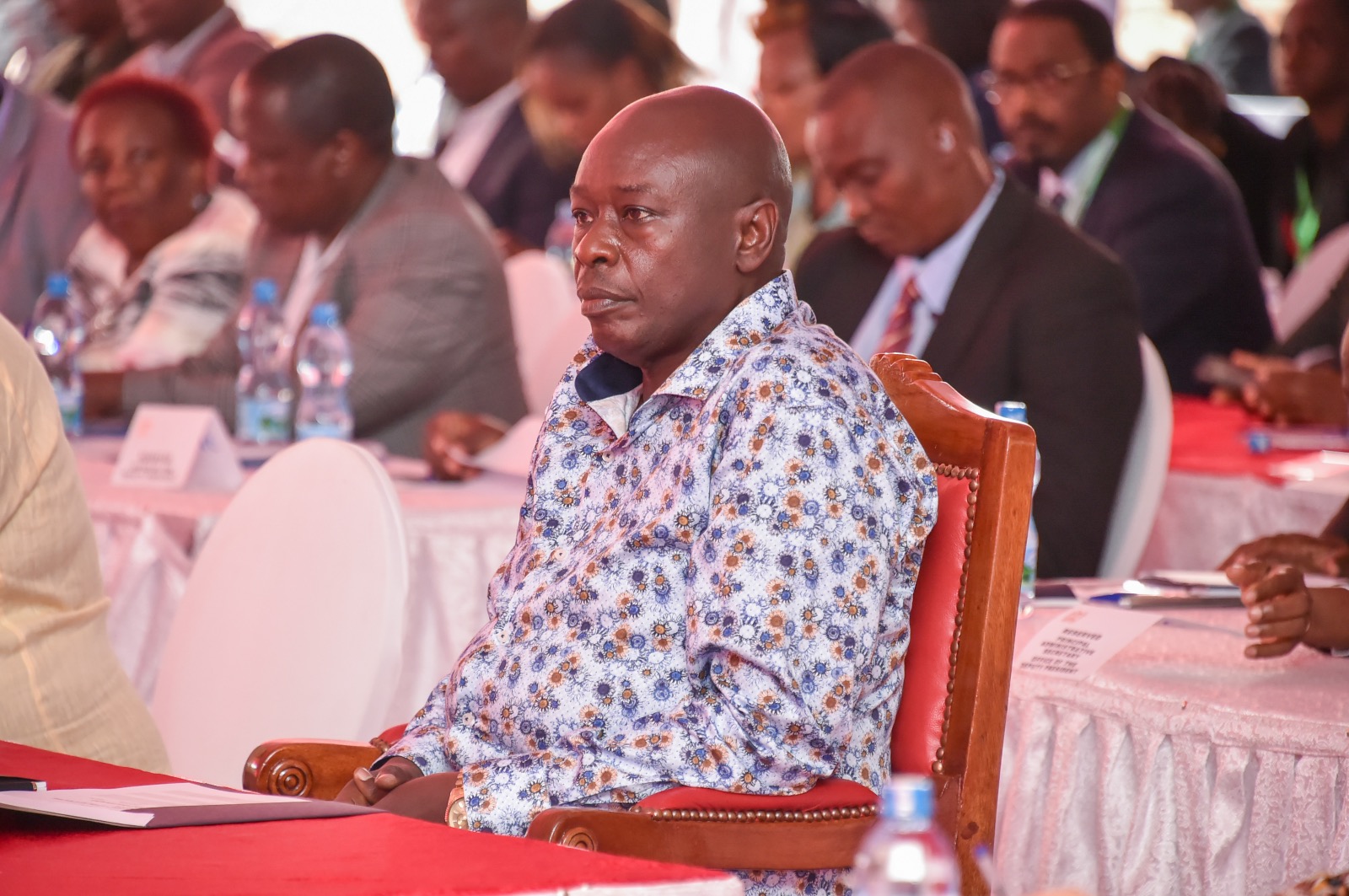
Gachagua roots for innovative strategies to revive ailing coffee sector
Deputy President Rigathi Gachagua has challenged stakeholders in the coffee sector to find long term solutions that will entrench reforms within the ailing sector.
Speaking in Meru County when he officially opened a two day coffee summit that is aimed at coming up with recommendations to address challenges faced by the coffee farmers in the country, Gachagua said farmers must get maximum returns from coffee which will in turn boost the country’s foreign exchange.
“The Summit is the climax of wide consultations with farmers, various State and non-State agencies in the country and outside on sustainable reforms. For far too long, those who sweat most in producing the cash crop have benefited the least. This is why we are here today. We want to link the farmer to the consumer, directly.” Said Gachagua.
The event brings together Governors from coffee growing counties, government officials, lawmakers and other stakeholders.
The coffee sector has been faced with challenges that have almost led to its collapse. The Deputy President said the Kenya Kwanza manifesto has put weight on Agriculture as the backbone of the economy and has expressed willingness to do everything possible to bolster the sector.
“In the Executive Order Number 1 of 2023, President William Ruto tasked me with overseeing public reforms. Reforming the Coffee, Tea, and Dairy subsectors have formed part of my work as I engage stakeholders towards a turn-around to profitability.” The DP noted.
The Summit will come up with far-reaching reforms that will, among other issues, ensure coffee becomes the leading foreign exchange earner for the country.
-

Nairobi County sports Director meets Achieng, Solidad ahead of Saturday fight
Nairobi City County’s Director, Sports Ms. Linet Boyani met with Sarah Achieng, 35, and Edith Solidad, 40 ahead of the World Boxing Foundation super lightweight title which will be held in Nairobi on 10th June 2023 at Charter Hall
This will be the first time the World Boxing Foundation title fight is held in Kenya and Africa.
Sarah Achieng’ is a holder of three World Boxing titles; World Boxing Association(WBA), Universal Boxing Organization (UBO), and Commonwealth.
“Nairobi City County Government is proud to be associated with this title fight as well as hosting this historic event. Supporting Sports is a key pillar in Governor Johnson Sakaja’s manifesto, which is very keen on promoting and nurturing sports talent in Nairobi County,” said Boyani

“Through sports, our youth will be able to support their respective families. It is also an avenue for keeping the youth out of drugs and crime.” added the Director
-

Embrace value addition to power industrialisation, Ruto tells COMESA
The Common Market for Eastern and Southern Africa (COMESA) member countries must change tact in their approach to trade.
President William Ruto said the bloc must embrace a systemic shift to exploit its untapped potential.
He said it is time COMESA espoused value addition, especially of agricultural commodities, to enhance productivity.
“The shift will also offer higher returns, incentivise industrialisation, boost our competitiveness and create employment,” he said.
President Ruto was addressing the 22nd COMESA Summit of Heads of State and Government in Lusaka, Zambia, on Thursday.
Present were Presidents Abdel Fattah El-Sisi (Egypt), Hakainde Hichilema (Zambia), Lazarus Chakwera (Malawi), Évariste Ndayishimiye (Burundi), COMESA Secretary General Chileshe Kapwepwe, among others.
He urged Africa to move away from primary production and exports of raw materials to manufacturing.
“The potential for intra-COMESA trade is colossal; the demand for value-added products is bound to keep growing well into the future,” he explained.
He asked COMESA member States to take advantage of its 580 million market demand to enhance trade.
The Head of State noted that Africa must utilise its rich, clean energy to advance its industrial development.
“We are championing for the radical repositioning of Africa as the clean, green continent of the future in order to exploit the opportunities arising from the transition to green industrialization,” he said.
President Ruto also called for the consolidation of the COMESA, the East African Community, and the Southern African Development Community to enhance the African Continental Free Trade Area agreement.
“It is also time we elavated the Africa Union to have the power to negotiate for the collective interests of Africa.”
He said the move will boost Africa’a bargaining power at the global scene.
The Summit also marked the end of President El-Sisi’s chairmanship era as he handed over to President Hichilema.
-

New Afrexim Bank initiative to boost development projects in counties
By Sally Namuye
The Africa Export and Import (AFREXIM) bank has announced a roll out of programmes targeting county governments and the private sector in Kenya.
The products developed by the bank will enable the county governments and private sector to roll out development projects.
Afrexim Managing Director in charge of Inter-Africa trade, Dr Gainmore Zenawe said the bank has introduced programmes to support agriculture, industrialization, manufacture, maritime sector, engineering and construction, sports, music, arts and climate change.
Zenawe disclosed that the bank through United Cities and Local Government Authorities (ULCGA), has embarked on helping the county governments and private sector to identify bankable projects to be funded by the bank.
“Resources are key in running county and sub-national governments. However, coming up with bankable projects remains a big challenge. What we are doing is to help county governments and the private sector to identify these projects so that they can access funds to underwrite development,” he said.
The county governments will have to identify a sponsor, be verified and upon which the banks will release funds. The bank targets to support investors to open up maritime trade which will attract direct foreign investment in Africa. The bank has also set aside funds to support local contractors in the Engineering and Construction Sector to take up capital projects.
“We have so many projects in Kenya and across Africa being done by Chinese contractors because of the financial support they receive from their country. This program targets to avail funds for our local contractors to bid for the same jobs,” Zenawe said.
While lauding the new programmes, Kisumu Governor Prof Anyang’ Nyong’o, also the Lake Region Economic Bloc chairman, indicated that interruption in exchequer remittances posed the biggest challenge in the implementation of development projects in counties. And that the funds received through AFREXIM will come in handy in bridging the gap and ensuring that development in the devolved units take shape.
Afrexim Bank was established by African Governments, African private and institutional investors as well as non-African financial institutions and private investors to promote and expand intra-African and extra-African trade.