Author: KBC Digital

  • Eco-Feminist Circle reimagines climate justice

    Eco-Feminist Circle reimagines climate justice

    As climate change intensifies across Africa, conversations about energy access, adaptation, resilience, and environmental justice often take place in conference halls, policy forums, and international summits. Yet in Harare, Zimbabwe, a different kind of climate gathering is taking shape—one that places women’s lived experiences, healing, creativity, and collective action at the centre of the climate justice movement.

    On 1–2 June 2026, approximately 30 women leaders, grassroots activists, artists, community organisers, and climate justice advocates gathered for an intimate Eco-Feminist Circle and Collective Gathering. Organised by Shine Collab and regional partners, the event sought to challenge conventional approaches to climate action by creating a safe and nurturing space where participants could reflect on the intersections of gender, power, ecology, and social justice.

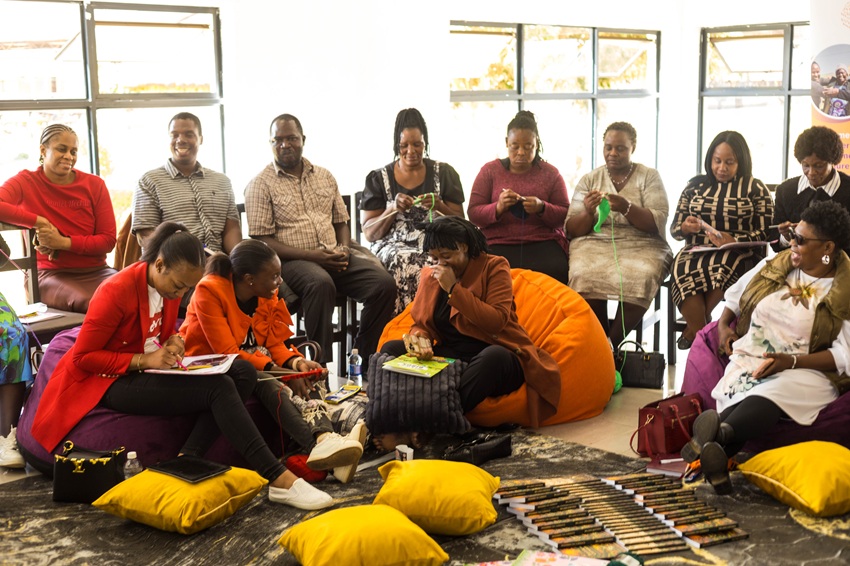
    Far from the formal atmosphere of traditional conferences, the venue was transformed into a creative sanctuary. Cushions, bean bags, candles, colorful thread installations, knitting materials, crayons, and community art tools invited participants into an environment designed for openness and connection. The setting reflected the gathering’s central philosophy: that meaningful climate solutions emerge not only from policy debates but also from relationships, shared experiences, and collective healing.

    At the heart of the discussions was a critical examination of the challenges women continue to face in leadership and decision-making spaces. Participants explored how systemic structures often compel women leaders to conform to existing norms rather than transform them.

    Dr Mela Chiponda, Executive Director, Shine Collab, a  global feminist network that accelerates gender-just solutions at the intersection of climate resilience, community power, and energy access noted that even where women achieve representation in leadership, underlying systems frequently remain unchanged. The challenge, she argued, is not merely increasing the number of women in positions of authority but dismantling the ideas, practices, and power structures that limit genuine transformation.
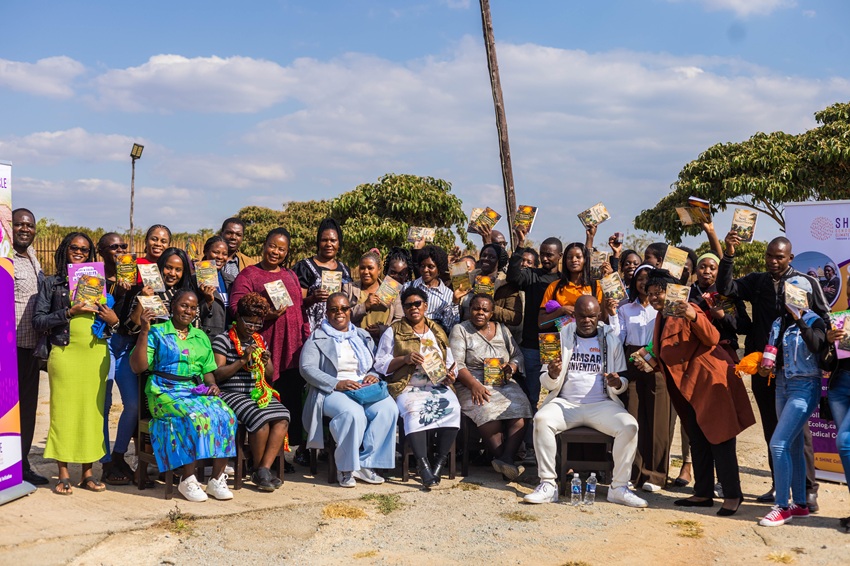
    Eco Feminists
    Dr Mela Chiponda, executive director, Shine Collab (seated 3rd left) joins group of ecofeminists for a photo

    This theme resonated strongly throughout the gathering. Participants reflected on how gender parity alone cannot address deeper ideological barriers that continue to shape institutions and communities. Instead, sustained efforts are needed to confront the cultural and social norms that influence whose voices are heard and whose experiences are valued.

    The conversation soon expanded to another pressing issue affecting women across the continent: clean energy access, gender-based violence.

    According to Dr Mela, Africa’s energy deficit is one of the most well-documented development failures of our time. But behind the aggregate numbers is a deeply gendered story that remains largely invisible in the boardrooms, financing structures and policy agreements where decisions are made.

    Nearly 600 million people – almost half of Africa’s population – still do not have reliable access to electricity. Sub-Saharan Africa is home to 77% of the world’s energy-poor population, a share that grew during the COVID-19 pandemic as electrification efforts lost momentum.

    On violence against women participants highlighted how this remains deeply intertwined with economic insecurity, access to livelihoods, and social exclusion, particularly in rural communities.

    For many women, these overlapping challenges affect not only their personal safety but also their ability to participate in decision-making processes and community leadership. Discussions underscored the importance of addressing violence as part of broader struggles for social, economic, and environmental justice.

    Climate change emerged as another major concern, particularly regarding its disproportionate impact on women. Participants noted that women in rural communities often bear the heaviest burden of climate-related shocks, including droughts, crop failures, water scarcity, and food insecurity.

    Yet one recurring message throughout the gathering was that climate conversations must become more relatable and grounded in everyday realities.

    “People need to see how climate change affects their daily lives before they can fully engage in finding solutions,” Tatenda Wachenuka, Team Lead- Young Women’s Pink Foundation explained. “When women understand the connections between environmental changes and their livelihoods, they are better positioned to lead community responses,” she added.

    According to Dr Mela, this approach reflects a growing movement within climate justice circles that seeks to move beyond technical language and scientific terminology. Instead, it emphasizes storytelling, local knowledge, and lived experiences as powerful tools for building community ownership of climate solutions.

    Participants also explored how feminist organizing itself can evolve to become more inclusive and authentic. A particularly engaging discussion focused on the concept of “deconstructing agendas” within feminist spaces.

    “Rather than entering conversations with predetermined outcomes or rigid structures, participants need to examine the value of creating environments where dialogue can emerge organically,” agreed Tatenda.

    According to Tatenda, removing traditional hierarchies and expectations allows for more honest exchanges, deeper participation, and shared learning.

    The concept sparked considerable interest among attendees, many of whom saw it as a practical way to foster trust and encourage broader engagement, especially among younger women and marginalized groups.

    The gathering further highlighted the importance of community-led savings initiatives and collective economic support systems. Participants discussed how informal savings groups and lending circles have long served as vital mechanisms for resilience in many African communities.

    Beyond their financial benefits, these initiatives help strengthen social bonds, build trust, and create networks of mutual support. They also offer valuable spaces for intergenerational learning, enabling older women to pass on knowledge, skills, and experiences to younger generations.

    For organizers, these community-based approaches represent important foundations for broader social transformation. By strengthening local support systems, women are better equipped to address challenges ranging from economic hardship to climate-related disruptions.

    The Eco-Feminist Circle also provided a platform to showcase emerging grassroots initiatives from Zimbabwe and Malawi. Participants shared experiences from women-led organizing efforts, legal empowerment programs, and regional collaborations focused on building sustainable and resilient communities.

    Documentary photography and storytelling sessions captured many of these experiences, preserving personal narratives that are often absent from mainstream climate discourse. Organizers hope these stories will contribute to wider conversations about ecological justice, women’s leadership, and community resilience across the continent.

    Ultimately, the Harare gathering represented more than a meeting. It embodied a growing African eco-feminist movement that recognizes the interconnected nature of environmental degradation, social inequality, and gender injustice.

    As climate impacts continue to intensify, the Eco-Feminist Circle offers a compelling reminder that effective climate action is not only about technology, infrastructure, or policy. It is also about care, healing, solidarity, and creating spaces where women can share experiences, imagine alternatives, and collectively shape a more just and sustainable future.

    In Harare, that future began not with speeches or declarations, but with conversations, stories, creativity, and the determination of women committed to transforming both their communities and the systems that shape them.

  • Kenya Film Commission launches Uriri Film Hub

    Kenya Film Commission launches Uriri Film Hub

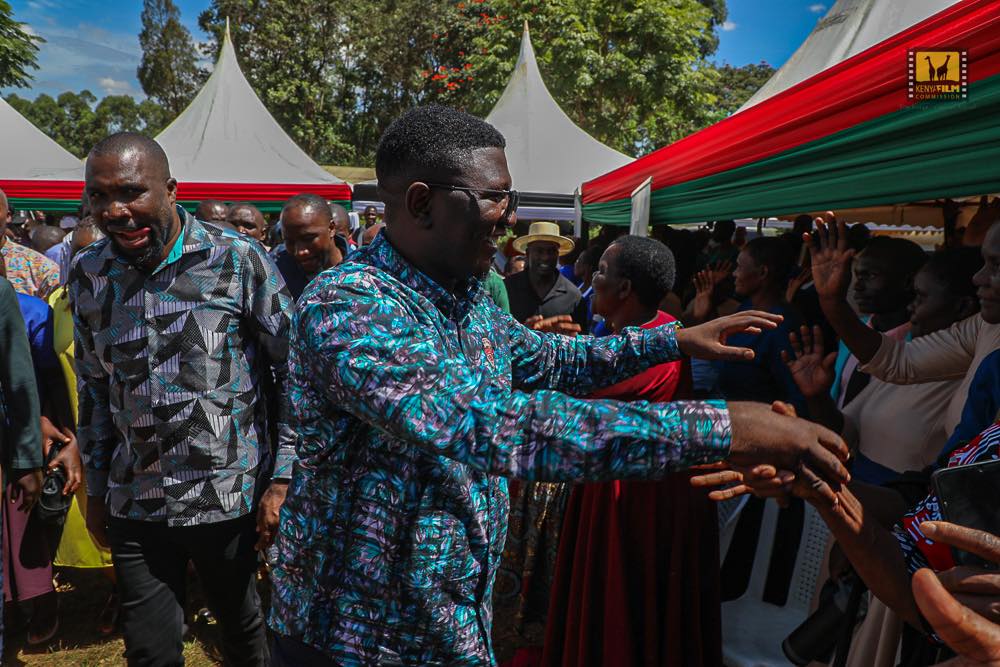
    The Kenya Film Commission (KFC) has officially launched the Uriri Film Hub in Migori County, marking a significant step in efforts to expand opportunities for creatives beyond Kenya’s major urban centres.

    The new hub, established in partnership with the Uriri National Government Constituencies Development Fund (NG-CDF) under the leadership of Uriri MP Mark Nyamita, was unveiled during a ceremony attended by Principal Secretary for Youth Affairs and the Creative Economy Fikirini Jacobs, Kenya Film Commission Board Chairman Sudi Wandabusi, CEO Timothy Owase and other government officials.

    The launch follows a two-week Film Capacity Building Programme that brought together hundreds of young creatives from the region. Participants received practical training in filmmaking, content creation and digital storytelling, helping to nurture the next generation of storytellers and content producers.

    According to the Kenya Film Commission, the hub represents a major investment in grassroots talent development and the growth of the country’s creative economy.

    “The Film Hub comes on the heels of a successful two-week Film Capacity Building Programme that equipped hundreds of young creatives with practical skills in filmmaking, content creation, and digital storytelling, laying a strong foundation for sustainable talent development in the region,” the Commission said.

    PS Fikirini Jacobs

    The Commission noted that the facility aligns with its mandate to develop, promote and market Kenya as a world-class filming destination while creating opportunities for local talent to thrive.

    Beyond serving as a training and production space, the Uriri Film Hub is expected to act as a centre for innovation, collaboration and entrepreneurship within the creative sector.

    “The Uriri Film Hub is more than a facility—it is a launchpad for dreams, a home for creativity, and a catalyst for jobs, enterprise development, and youth empowerment,” the Commission said.

    Officials added that the initiative directly supports the Government’s Bottom-Up Economic Transformation Agenda (BETA) by expanding access to opportunities in the creative economy and creating pathways for young people to earn sustainable livelihoods through their talents.

    The creative economy has been a key sector marked for economic growth by the Kenya Kwanza Government.

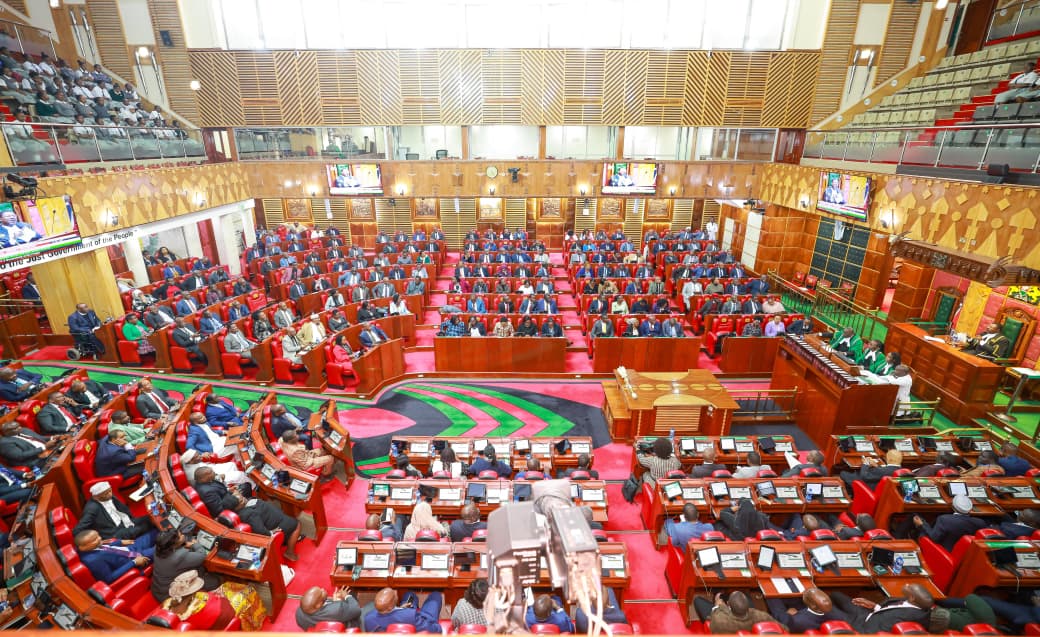
  • MPs approve 2026/27 budget, prioritizing health, education sectors

    MPs approve 2026/27 budget, prioritizing health, education sectors

    The National Assembly has approved the Estimates of Revenue and Expenditure and the Medium Term for the Financial Year 2026/2027, unveiling a people-centred budget aimed at strengthening social protection, expanding essential services, and advancing fiscal discipline.

    Moving the motion, the Chairperson of the Budget and Appropriations Committee, Samuel Atandi, outlined a framework anchored on public participation and targeted investments in health, education, housing, agriculture, and environmental resilience.

    “This budget is structured to strengthen Universal Health Coverage, improve primary healthcare services, and expand specialized healthcare infrastructure,” Atandi said, highlighting a health sector allocation of Ksh 175.5 billion.

    To advance Universal Health Coverage (UHC), lawmakers approved Ksh 19.1 billion for the Primary Healthcare Fund to strengthen community health networks and local dispensaries. The Emergency, Chronic, and Critical Illness Fund will receive Ksh 4 billion to ensure that specialized treatment for severe illnesses does not push Kenyan families into financial distress.

    The Global Fund Programme has also been allocated Ksh 18.5 billion to sustain interventions against HIV/AIDS, malaria, and tuberculosis.

    Education remained the largest beneficiary, with Ksh 781.4 billion directed toward basic, tertiary, and university education programmes.

    Of this, Ksh 4.9 billion has been set aside to convert 20,000 intern teachers into permanent and pensionable terms. Higher education has also received a significant boost, with Ksh 56.7 billion allocated to the Higher Education Loans Board (HELB) to support access to university education for needy students.

    Seconding the motion, MP Robert Pukose praised the budget’s grassroots focus, particularly the introduction of stipends for village elders.

    “For the first time, the Committee has approved Ksh 3.5 billion for stipends for village elders. We are hoping that the NGAO will now be able to pay Ksh 3,000 monthly to these important community leaders,” Pukose said.

    The housing sector also received a major boost, with Ksh 138.2 billion allocated, including Ksh 50 billion for the Affordable Housing Programme to accelerate housing delivery and create employment opportunities for youth across the construction value chain.

    “This allocation will support the Affordable Housing Programme as well as urban infrastructure and informal settlement upgrading,” Hon. Atandi noted.

    Energy development was similarly strengthened, with Ksh 16.3 billion allocated for rural electrification and Ksh 7.5 billion for national grid expansion to improve access to reliable power across the country.

    The digital economy also received targeted funding for ICT hubs, completion of the Konza Data Centre, and cybersecurity systems to support ongoing government digitisation efforts.

    To protect vulnerable groups, Members of Parliament approved Ksh 25 billion for elderly cash transfers, Ksh 8.9 billion for orphans and vulnerable children, and additional allocations for disability support and the Hunger Safety Net Programme.

    Youth-focused initiatives were also strengthened, including Ksh 12.5 billion for the National Youth Service (NYS) and additional funding for employment and enterprise development programmes.

    “These interventions are intended to enhance youth employability, entrepreneurship, skills development, and access to financing,” the Budget Committee noted in its report.

    On fiscal sustainability and debt, Members raised concern over the widening deficit and rising debt servicing obligations.

    MP Makali Mulu observed that debt pressures remain a key structural challenge.

    “Public debt this year is projected to reach Ksh 1.1 trillion,” he said, calling for stronger fiscal consolidation measures.

    Mulu also pointed to pending bills, attributing delays largely to Exchequer release challenges that continue to affect timely service delivery across ministries and agencies.

    To improve efficiency and accountability, the National Assembly endorsed the mandatory rollout of the Electronic Government Procurement (e-GP) system, which has already reduced administrative inefficiencies and delivered estimated savings of Ksh 36.9 billion.

    The House further called for improved coordination in Exchequer releases to reduce pending bills and ensure predictable implementation of government programmes.

    Legislators also backed strict adherence to statutory requirements, ensuring that development and capital expenditures account for over 30 percent of the total budget to safeguard infrastructure-led growth.

    Following approval by the House, the Estimates will now form the basis of the Appropriation Bill, which will authorize government expenditure for the new financial year.

  • Counties urged to address rising pending bills urgently

    Counties urged to address rising pending bills urgently

    The Senate is calling for radical measures to resolve the ballooning amount of unpaid bills by county governments warning that the crisis could lead to legal battles that would paralyze operations of the devolved units.

    This comes after a report by the Senate Committee on Budget and Finance revealed that unpaid bills in all the 47 counties have tripled in the last three years to reach Ksh 183 billion with fears that this would rise in the coming months.

    Speaking during the ongoing County Procurement Congress in Naivasha organized by Kenya Institute of Supplies Management (KISM) and attended by 35 counties, Leader of the Majority in the Senate Aaron Cheruiyot said no single county had cleared its pending bills in the last three years despite billions being disbursed by the Treasury.

    Cheruiyot warned that if the ballooning pending bills were not addressed, suppliers could stop doing business with counties leading to court-enforced attachments of county accounts.

    He acknowledged that while the problem required a policy-level solution, including spending ceilings and sanctions, addressing it near an election cycle risked politicization.

    “Apart from Nairobi County which owes over Ksh 90 billion in pending bills due to historical offices, all other counties have since tripled their bills in the last three years, which is crippling businesses,” said Cheruiyot.

    Cheruiyot, who was addressing procurement officials, said that up to 80pct of probes undertaken by the Senate Accounts Committee touched on procurement irregularities.

    “Senate has flagged the skyrocketing of project financing, loss of public funds due to abandoned projects and lack of mandatory audit committees as some of the loopholes facing counties,” he added.

    KISM Chief Executive Officer Kenneth Matiba said the institute was actively pursuing strategic partnerships with the Senate and other government institutions to elevate the procurement profession’s role in socio-economic development.

    Matiba said its membership has grown to approximately 28,000 professionals, a 44 percent increase which strengthened the profession’s capacity to safeguard public resources.

    “Compliance audits have recorded an 80 percent turnaround rate, reflecting improved adherence to procurement standards, particularly among county governments,” he said.

    On her part, the institute chairperson Jennifer Cirindi said KISM is currently reviewing the Supplies Practitioners Management Act and its general regulations, and is seeking parliamentary support for those reforms.

    She added that they were lobbying for formal representation of procurement professionals in Senate and Parliamentary committees and government led boards.

  • African leaders sound alarm on youth reproductive health crisis

    African leaders sound alarm on youth reproductive health crisis

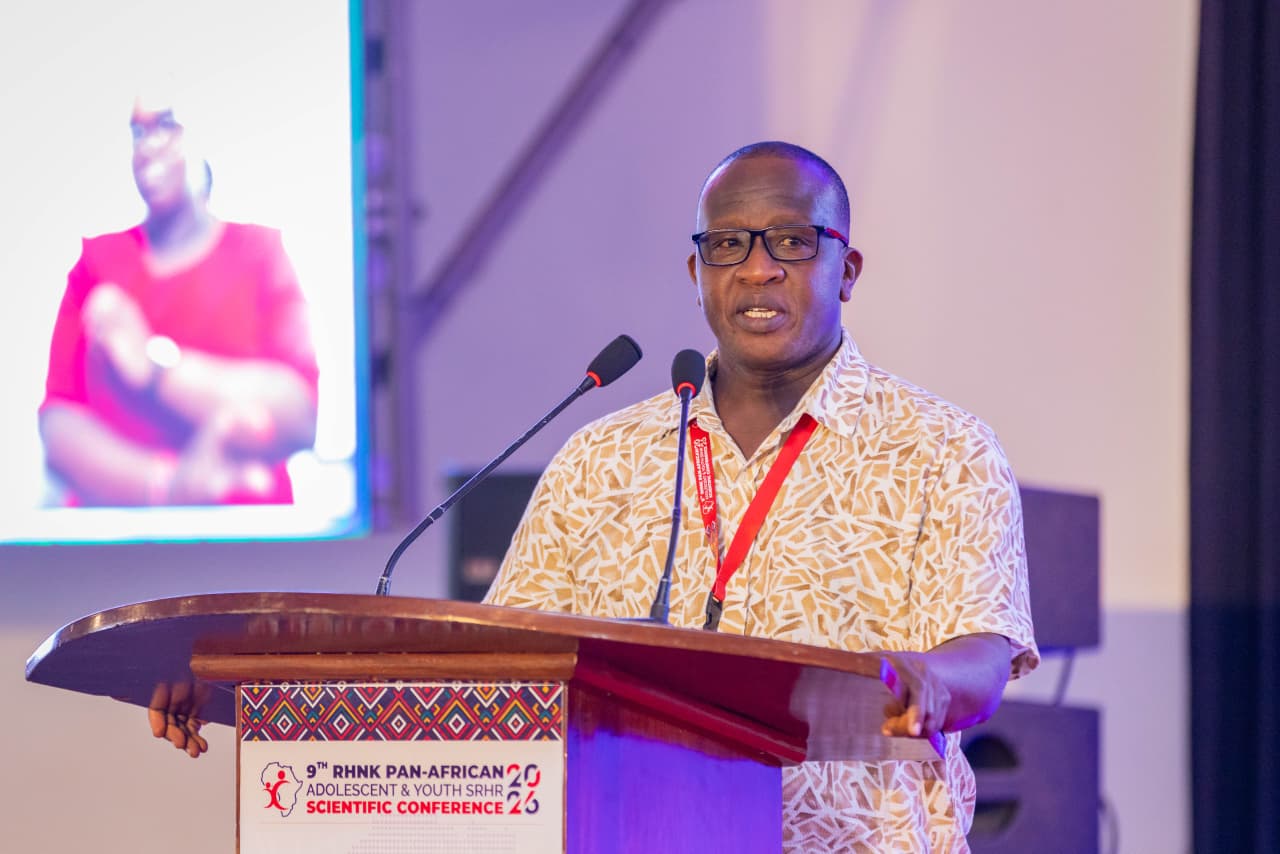
    The 9th Pan-African Adolescent and Youth Sexual and Reproductive Health and Rights (AYSRHR) Scientific Conference opened in Mombasa this week with a stark collective message from health leaders, government officials, and young people: Africa’s adolescents are being systematically failed by the institutions meant to serve them, and the window to reverse course is closing fast.

    Convened by the Reproductive Health Network Kenya (RHNK) in partnership with the Kenyan Ministry of Health, the National Council for Population and Development, and, for the first time, the Government of Uganda as an official partner, the four-day conference has drawn over 1,500 delegates from more than 40 countries. Its theme — Strengthening SRHR to Achieve Youth Agency, Full Potential and Meaningful Engagement in Africa’s Dynamic Socio-Political and Economic Landscape — reflects an agenda that is as much about political will and financing as it is about service delivery.

    The Scale of the Crisis

    Dr Edward Serem Head of the Division of Reproductive, Maternal, Newborn, Child and Adolescent Health (RMNCAH) at the Ministry of Health officially opened the conference. He hailed the conference as a response to challenges that cut across every part of the continent.

    “In Africa, mostly in sub-Saharan Africa, we see the challenges of teenage pregnancy, HIV infections, and drug and substance abuse. It is those challenges which are facing each and every part of our continent, which has made us to converge here,” Dr Serem said, urging delegates to use the four days to exchange working policies and learn interventions they can take home.

    Dr Claudia Shilumani, who assumed the role of IPPF (International Planned Parenthood Federation) Africa Regional Director three months ago, grounded the discussion in evidence. “Sub-Saharan Africa has the highest teenage pregnancy and adolescent birth rates in the world. Eastern and Southern Africa has the highest prevalence of HIV,” she said, warning that the consequences extend far beyond health. “A fifteen-year-old girl who becomes pregnant does not just face a health risk. She faces the end of her education, the narrowing of her economic future, the weakening of her voice in her own community.”

    FP2030 Executive Director Dr Samukeliso Dube reinforced the point with regional data, noting that while countries such as Rwanda have brought teenage pregnancy rates down to 39 per thousand, others like Mozambique still record 180 per thousand — a gulf that underscores the unevenness of progress. “We are running a continent, ladies and gentlemen, on luck and hope,” Dr Dube said. “We have, for many years, hidden behind ‘it’s just maternal health, maternal mortality,’ when we don’t fund reproductive health services for adolescents. Yet we know the very numbers that we see in maternal mortality are driven by these unintended pregnancies.”

    Consent, Access, and Legal Barriers

    A recurring thread across speeches was the age-of-consent barrier that locks adolescents out of reproductive health services. RHNK Executive Director Nelly Munyasia brought the crisis to life through the story of “Amina” — a composite figure representing hundreds of thousands of girls across the continent. Amina, she recounted, was a sixteen-year-old who dreamed of becoming an engineer, but upon discovering she was pregnant, found every door shut. “She did not know where to go. She was afraid of the clinic because she’d be asked, ‘Where is the guardian?’ She was also scared to go to school, because the teachers were going to send her away,” Munyasia said.

    Munyasia announced that a referral document on adolescent consent, developed through a collaboration between RHNK, the Kenya Judiciary Academy, healthcare providers, and young people from across Africa, will be launched during the conference. “The judiciary told us, if only they knew better, they would not have made the kind of decisions they’ve made in courts,” she said, adding that justices from Zambia, Malawi, and other nations are in attendance to engage directly with the evidence on adolescent health.

    Funding Rollbacks and the Global Gag Rule

    Speakers were unsparing in naming the financial pressures bearing down on SRHR programming. Dr Shilumani described a hostile operating environment in which civic space is tightening and funding is shifting dangerously. “The expanded Global Gag Rule has disrupted integrated health systems, fragmented services, and disproportionately harmed the most vulnerable — our women and girls. Its ripple effects extend far beyond abortion services. We are seeing impacts on HIV prevention, maternal health, as well as primary healthcare,” she said.

    Dr Dube was equally direct, challenging delegates to confront their own complicity in the funding retreat. “Some of you work for organizations that, in 2025, removed the words ‘family planning’ from their websites. Some removed ‘reproductive health’ from their emails. Some removed that language from their LinkedIn profiles, in the hope that they could be funded, lest USAID be revived,” she said, calling on the sector to stop self-censoring and to name the challenge plainly. She urged domestic financing mechanisms, including the UNFPA match fund, to fill the gap, and pressed health economists in the room for a concrete denominator: “How much money are we looking for, and what are we going to use that money for?”

    Young People as Architects, Not Objects

    Across every address, a common insistence emerged: young people must move from the margins to the centre of policy design. Munyasia announced that fifteen young Pan-African leaders from fifteen countries had helped shape the conference programme. “Every time we are told, ‘You are the leaders of tomorrow,’ and you did not see it,” she told the room, before challenging young delegates directly: “Push, challenge, disagree. Ask the questions that the rest of us are too uncomfortable to ask.”

    Dr Shilumani echoed the call, reframing Africa’s youth population not as a problem but as an asset. “You are not a problem to be managed. You are not a demographic to be monitored. You are an asset, a force, a movement in motion,” she said, pledging that IPPF Africa would fund youth-led movements, protect feminist spaces, and embed young people’s participation in governance structures “beyond tokenism toward genuine, sustained power sharing.”

    That sentiment was embodied by Esther, a young tech student at the conference, who described growing up in a household where sexual and reproductive health information was virtually non-existent. “I hope to learn that sex is not just ‘don’t have sex, don’t have sex,’” she said. “I wish to learn the different ways how you can have safe sex instead.”

    Looking Ahead

    With 1,310 days remaining before the 2030 UN development deadline, speakers made clear that the conference is not an exercise in rhetoric. Eleven policy briefs emerged from last year’s convening, the consent referral document launches this week, and the conference has expanded its partnership base to include government, judiciary, faith-based organizations, and the private sector.

    Dr Dube closed with a challenge to every organization and funder in the room: start measuring success not by the populations easiest to reach, but by the most vulnerable — adolescents in fragile settings, conflict zones, and remote communities. “In Africa, we say that children eat first. Do you know why? Because they are vulnerable. If adults eat first, children might not be left with anything,” she said. “I would love for you to start with the most vulnerable in our continent, and measure that as success.”

    As nearly half of Africa’s population is adolescent, and one in three adolescents globally will live in sub-Saharan Africa by 2050, the conference’s central argument is difficult to dispute: the continent cannot achieve its development ambitions while millions of young people still lack the information, services, protection, and opportunities they need to thrive.

  • SPIEF participants share experiences of technology companies entering stock markets in BRICS countries

    SPIEF participants share experiences of technology companies entering stock markets in BRICS countries

    The accelerated development of technology companies in BRICS countries could increase annual gross domestic product (GDP) growth by up to US$656 billion, while cooperation among member states could generate an additional GDP effect of more than US$2.7 trillion per year. This was stated by Ilya Ivaninsky, Director of the Center for Business Education and Analytics of the Central University, citing a report prepared jointly with the Ministry of Finance of the Russian Federation. Ivaninsky was moderating the round table discussion “IPO: First Steps on a Journey to Public Markets and Capital” at the 29th St. Petersburg International Economic Forum (SPIEF).

    As Ivaninsky noted, the channel through which this GDP reaches investors’ accounts is an IPO (Initial Public Offering) – the process by which a private company offers its shares for public sale on a stock exchange for the first time.

    In 2025, BRICS countries accounted for up to 50 per cent of technology company IPOs, Ivaninsky continued, although 90 per cent of them were concentrated in China and India. The ratio of technology company market capitalisation to GDP in BRICS countries (excluding China) stands at between 5 and 15 per cent. Participants in the round table discussed how this figure could be increased.

    In Russia, there is a presidential directive to achieve a stock market capitalisation-to-GDP ratio of 66 per cent. As Ivan Chebeskov, Deputy Minister of Finance of the Russian Federation, noted, the most important development is that there is now an understanding in the country that the stock market is an integral part of the economy that must be developed, that it can serve as a driver of growth and as a tool for attracting investment.

    “There is a common understanding within the country among financial market participants and financial authorities. There are a number of areas that need to be developed. These include financial market infrastructure, investment instruments and investor protection. And, of course, an important issue is increasing the number of issuers traded on our exchange. Our objective is for companies that are ready and able to attract investment from the perspective of corporate governance and financial reporting to enter the IPO market. […] There are already around twenty suitable candidates. Incidentally, many of them are technology companies. This is because technology companies are currently developing rapidly. We are, of course, very interested in bringing our state-owned companies to IPO” Chebeskov said

    “We are looking at BRICS countries, we are looking at our partners, and we are very interested in the experience of China, India, and the UAE, where capital markets are developing actively. In addition to exchanging experience, we certainly need to integrate our infrastructure and find synergies between our infrastructures. Investors from our countries should be able to invest freely in companies from our countries, and companies should be able to list freely on one another’s markets. I believe this is also one of our key objectives,” Chebeskov added.

    The experience of the United Arab Emirates was shared by Younis Haji Al Khoori, Undersecretary of the Ministry of Finance of the United Arab Emirates. The Emirates were tasked with becoming the world’s first government to operate entirely on the basis of artificial intelligence. To attract investors and achieve this objective, numerous changes were introduced to domestic policy, legislation and capital market regulation. In essence, the UAE created an ecosystem that simplified regulatory requirements and registration procedures. This enabled companies to establish new businesses.

    “That has really attracted a lot of specific sectors […] last year we attracted more than 53,000 new investors into the stock market, out of which 80 per cent have been from outside the UAE,” Younis Haji Al Khoori noted.

    According to the Deputy Minister, while the UAE is dynamically adjusting its policies to stimulate market development, China, with its scale and state support initiatives, is seeking to become a leader in two key sectors, particularly high technology. India, for its part, possesses a vast talent pool: the country has invested significant resources in its system of Indian Institutes of Technology (IITs).

    According to experts, one of the key development factors is the existence of an alternative financial market infrastructure within the BRICS framework.

    “The creation of this infrastructure has a significant impact on economic growth. Previously, all infrastructure operated through a small number of Western hubs. Our colleagues and partners from BRICS countries and the countries of the Global South are already working to create alternatives to these hubs. The markets of China and the United Arab Emirates are becoming alternative hubs,” Chebeskov said.

    As Chebeskov noted, the existence of an alternative financial market infrastructure within BRICS could contribute up to US$12 billion annually to the economy.

    “We are discussing with our partners the importance of integrating our infrastructure. These may be traditional depository bridges or entirely new models. Any platform solution within a large group is always complex. Therefore, I believe that new approaches will emerge and that countries already have certain developments in place to establish such cooperation on a bilateral basis,” he added.

    The 29th St. Petersburg International Economic Forum is taking place from 3 to 6 June. Representatives from more than 130 countries and territories are participating, including heads of government bodies, international organisations, businesses, and members of the expert and scientific communities. The theme of the Forum in 2026 is “Pragmatic Dialogue: The Path to a Stable Future”.

    TV BRICS is serving as an information partner of the Forum.

    Courtesy/TV BRICS

  • KRA foregoes Ksh9.1B in revenue after fuel VAT reduction

    KRA foregoes Ksh9.1B in revenue after fuel VAT reduction

    Kenya Revenue Authority (KRA) says it has forgone Ksh 9.1 billion in tax revenue between April and May 2026 following the reduction of Value Added Tax (VAT) on fuel from 16pc to 8pc.

    Speaking before the Senate Standing Committee on Energy, KRA Commissioner for Customs and Border Control Dr Lilian Nyawanda, said the tax relief intervention was implemented to mitigate the impact of global fuel price fluctuations on consumers and businesses.

    Addressing concerns regarding the Premium Motor Spirit (PMS) consignment delivered by the vessel MT PALOMA, which is currently under investigation, Dr Nyawanda clarified that the consignment was re-shipped to other markets and did not enter the Kenyan market.

    She further explained that the related customs entries have since been cancelled and that taxes amounting to Ksh 5.1 billion, paid by various Oil Marketing Companies (OMCs) through the principal importer, MT PALOMA, are scheduled for transfer to customs declarations relating to subsequent fuel consignments.

    Dr Nyawanda noted that KRA continues to play a critical role in supporting the steady supply of petroleum products in the country through efficient customs administration and trade facilitation processes. She explained that the Authority facilitates the importation and customs clearance of petroleum products upon approval by the relevant
    Partner Government Agencies (PGAs), which are mandated to undertake quality assurance and compliance checks.

    “KRA supports the petroleum supply chain through the expeditious processing of import documentation, timely assessment and collection of duties, VAT, levies and other statutory charges, as well as the prompt release of cargo at petroleum depots in Mombasa and across the country,” said Dr Nyawanda.

    The Commissioner emphasized that KRA’s role in the petroleum supply chain is limited to functions within its statutory mandate, including customs clearance, tax assessment, levy collection, transit control and trade facilitation.

  • Nuclear regulator hosts experts to advance healthcare safety

    Nuclear regulator hosts experts to advance healthcare safety

    Senior health officials from nine African countries are meeting in Nairobi to discuss means and ways of strengthening safety of nuclear and radiation applications in healthcare.

    The regional forum hosted by the Kenya Nuclear Regulatory Authority (KNRA) and supported by the International Atomic Energy Agency (IAEA) seeks to strengthen nuclear and radiation safety infrastructure across participating countries.

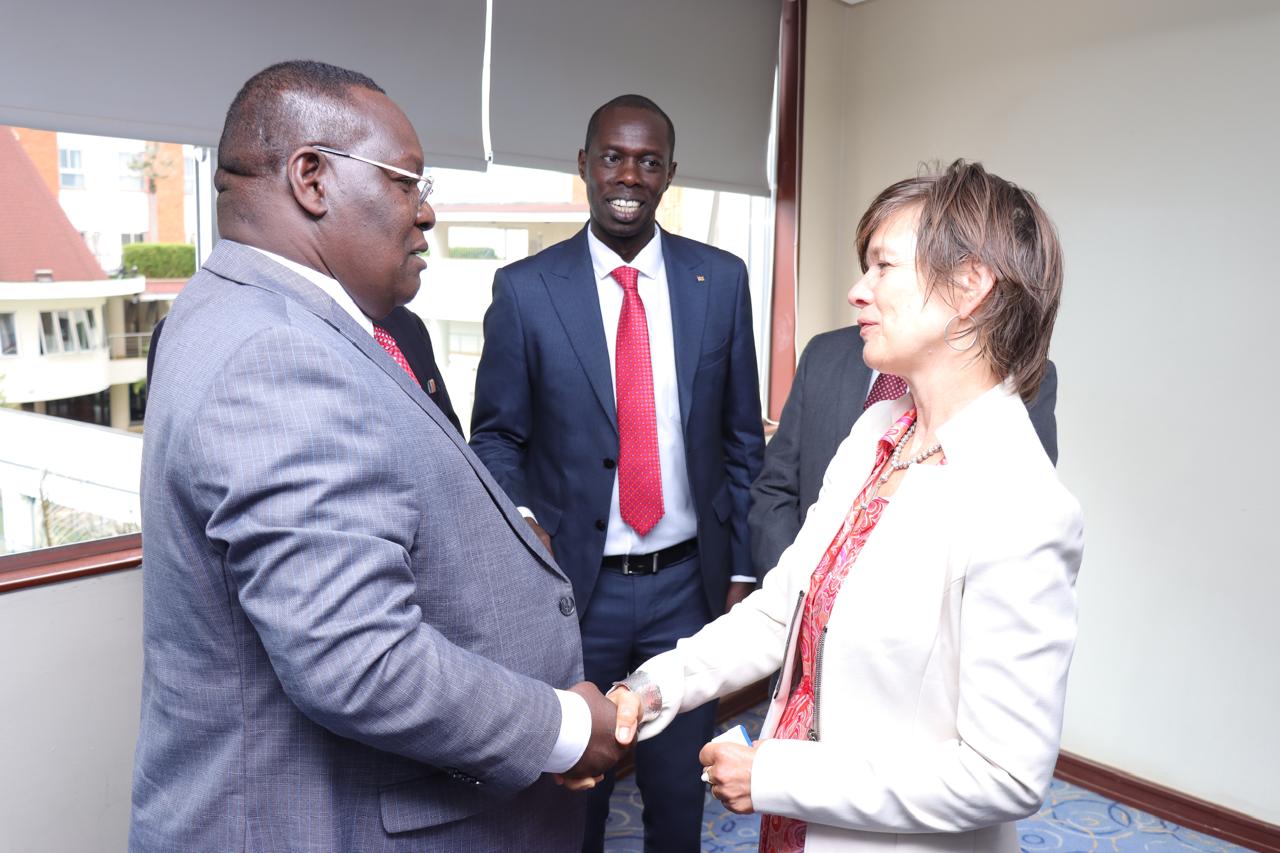
    “It is a privilege for Kenya to host this meeting at a critical time when we are focusing on the safety and well-being of our people,” said Mary Muthoni, Public Health Principal Secretary when she opened the meeting on Thursday.

    KNRA Director-General James Keter said that many African countries are expanding the safe use of nuclear and radiation technologies in healthcare, making strong regulatory systems increasingly important in a world marked by technological innovations.

    “Developing a robust regulatory infrastructure is not a one-day undertaking. That is why we are here to learn from one another and share experiences,” said Keter.

    IAEA representative Hildegarde Vandenhove stressed the need for greater collaboration among countries to improve radiation safety systems and regulatory capacity.

    “It is important for countries to learn from each other. We want to see nations improve their radiation safety infrastructure and regulatory capacity,” she said.

    Delegates have identified seven priority areas and are expected to develop an action plan to guide implementation.

    Among the key issues under discussion are strengthening leadership, ensuring the independence of regulatory bodies and providing adequate resources for oversight institutions.

    “There is significant growth in the use of nuclear and radiation technologies, which requires countries to strengthen their regulatory capabilities,” added Vandenhove.

    Also attending the meeting are KNRA Board Chairman Edick Anyanga, Nuclear Power and Energy Agency Chief Executive Officer Justus Wabuyabo and National Commission for Science, Technology and Innovation Director-General David Ngigi.

    Wabuyabo said stakeholders would continue supporting initiatives aimed at improving regulatory effectiveness, strengthening safety oversight and implementing recommendations emerging from the meeting.

    Participants include ministers, deputy ministers and heads of health regulatory agencies from Kenya, Burundi, Comoros, Eswatini, Lesotho, Liberia, Madagascar, Togo and Zambia.

    The talks have coincided with the high alert across the region occasioned by the Ebola outbreak.

  • FAO Representative in Russia: BRICS cooperation in agri-food sector to shape future of global trade

    FAO Representative in Russia: BRICS cooperation in agri-food sector to shape future of global trade

    The population of the BRICS countries, which accounts for 42 per cent of the world’s population, is becoming younger, making it essential to focus on youth in the development of the agricultural sector, as they represent the future of global production and consumption. This view was expressed by Oleg Kobyakov, Director of the Liaison Office with the Russian Federation of the Food and Agriculture Organisation of the United Nations (FAO), in an exclusive interview at the TV BRICS studio in the Roscongress International Cooperation Area at the St. Petersburg International Economic Forum (SPIEF).
    He noted that BRICS brings together some of the world’s most populous countries, located across all continents. The BRICS member states account for more than one-third of global gross domestic product (GDP) and a significant share of international trade, including agricultural products and related industries. The development of the global economy and trade will largely depend on cooperation with BRICS countries and within the grouping itself.

    “How cooperation develops between the BRICS states and between this group of countries and other nations in such an area as the agri-food sector will, of course, largely determine the future development of the global economy and global trade. The principal direction here is undoubtedly ensuring the sustainable development of agri-food systems. This includes creating a regulatory framework, exchanging best practices, ensuring fair market access conditions for producers, and embracing the entire spectrum of innovations related to artificial intelligence and the application of scientific achievements at the nano-molecular level, including in plant and animal breeding,” said Kobyakov

    “It also undoubtedly involves education and a strong focus on young people, because the agricultural sector is not solely the domain of older generations. It is increasingly becoming a field for the young. This is especially true in BRICS countries with youthful populations, including Brazil, South Africa, and India. Today’s schoolchildren and university students are the generation that will shape the landscape of global production and global consumption in the years ahead,” added Kobyakov.

    He particularly emphasised the importance of developing and supporting farming, describing farmers as a pillar of social stability.

    “In most countries around the world, a significant share of agricultural production is provided by farms. Farmers help maintain vibrant rural communities. Bringing modern rural areas in line with contemporary requirements, through the provision of infrastructure such as roads, hospitals, educational institutions, reliable broadband internet and financial opportunities, is a factor in the stable development of a state, strengthening its social foundations and improving the welfare of the entire population,” Kobyakov noted.

    The 29th St. Petersburg International Economic Forum is taking place from 3 to 6 June. TV BRICS is serving as an information partner of the forum.

    Courtesy/BRICS TV

  • China’s giant e-bike manufacturer seeks share in Kenyan market

    China’s giant e-bike manufacturer seeks share in Kenyan market

    Leading global electric two-wheeler manufacturer YADEA has announced its entry into  the Kenyan market driven by increasing adoption of electric mobility solutions.

    Kenya becomes the second Eastern African market for the giant Chinese e-bike maker after Ethiopia, where the company entered three years ago and has since sold more than 48,000 units.

    Speaking during the Auto Expo in Nairobi, YADEA East Africa Market Director John Zhang said Kenya represents a strategic market in the region in its growth journey.

    “We are confident that our innovative electric mobility solutions will meet the growing demand for sustainable transportation in Kenya and the wider East African region. Through our partnerships with local dealers and ecosystem players, we are ready to serve the market with a wide range of products tailored to both commercial and personal mobility needs,” said Zhang.

    The firm introduced its KIFA e-bike, a commercial electric motorcycle developed specifically for Africa’s thriving boda boda sector.

    Zhang said the company YADEA is also working with local ecosystem partners, including Kenyan battery-swapping company ARC Ride, to advance electric motorcycle and battery-swapping solutions for local mobility services as it contributes to the green transition efforts.

    “As Africa enters a critical stage in the transition toward sustainable transportation, YADEA will continue to expand its product portfolio and drive localized innovation to deliver greater value for local users,” he added.

    YADEA currently operates in more than 100 countries, 20 of which are in Africa serving 100 million users through a global network of retailers.