Author: Eric Biegon

  • No one will be spared over Ol Kalou violence – Murkomen

    No one will be spared over Ol Kalou violence – Murkomen

    Interior and National Administration Cabinet Secretary Kipchumba Murkomen has asked security agencies to investigate allegations of violence and disorder during the Ol Kalou by-election, vowing that anyone found responsible will face the full force of the law.

    Speaking in Trans Nzoia County after addressing the County Assembly and presiding over the opening of the Wellness and Committee Services Centre, Murkomen asserted that the Inspector General of Police had deployed adequate security personnel to safeguard the by-election.

    “I want to assure Kenyans that the Inspector General of Police deployed enough officers to provide security in Ol Kalou,” he stated.

    The CS emphasised that claims of individuals causing chaos during the exercise must be thoroughly investigated.

    “Allegations of some persons causing havoc in Ol Kalou must be investigated thoroughly, and anyone culpable must be arrested, regardless of what they were doing and who deployed them,” Murkomen declared.

    He added that police officers accused of misconduct would not be shielded from accountability.

    “Whether they were deployed by the Inspector General and they went and misbehaved, they must be dealt with, and dealt with definitively,” he said.

    Murkomen reiterated that the government would not tolerate political violence anywhere in the country, stressing that perpetrators must be prosecuted regardless of where the incidents occur.

    “I assure Kenyans that we are not condoning violence. Whether it was Ol Kalou, Baringo, Narok, or during next year’s elections, perpetrators must be brought to book immediately,” he affirmed.

    The Cabinet Secretary’s remarks come amid concerns over reported violence during the Ol Kalou by-election, with calls for investigations into the conduct of both civilians and some security officers during the poll.

  • Sifuna loses Deputy Senate Minority Whip seat

    Sifuna loses Deputy Senate Minority Whip seat

    Nairobi Senator Edwin Sifuna has been removed as Deputy Senate Minority Whip. Senate Speaker Amason Kingi confirmed the decision, which follows a resolution by the Minority Party to replace him with Migori Senator Eddy Oketch.

    In a communication to the Senate on Thursday, Speaker Kingi stated that he had received correspondence from Senate Minority Leader Senator Stewart Madzayo. This included minutes from a Minority Party meeting held on 15 July and a signed list of senators supporting the resolution to remove Sifuna.

    “The minority party has effected a change in the office of the Deputy Senate Minority Whip. The new officeholder, with immediate effect, is Senator Eddy Gicheru Oketch, MP,” Kingi announced.

    The Speaker confirmed that he had verified the submitted documents, in accordance with Standing Order 23, before communicating the change to the House.

    The communication indicated that the Minority Party resolved to remove Sifuna under Standing Order 23(4), which permits a senator elected to a minority leadership position to be removed by a majority vote of senators belonging to the Minority Party. The meeting also elected Oketch to succeed Sifuna, pursuant to Standing Order 23(5).

    Kingi noted that the process complied with Standing Order 23(6), which requires such decisions to be communicated to the Speaker, along with the meeting minutes and supporting documentation, before being conveyed to the Senate within three sitting days.

    The latest development comes just days after the Office of the Registrar of Political Parties upheld the Orange Democratic Movement’s (ODM) decision to remove Sifuna as the party’s Secretary General.

    In a letter dated 9 July, the Registrar confirmed that ODM had adhered to the Political Parties Act and its constitution in conducting a fresh disciplinary process that led to Sifuna’s removal. Subsequently, the Registrar updated the party’s official records to reflect this leadership change.

  • Habitat for Humanity rallies action on Africa’s housing crisis

    Habitat for Humanity rallies action on Africa’s housing crisis

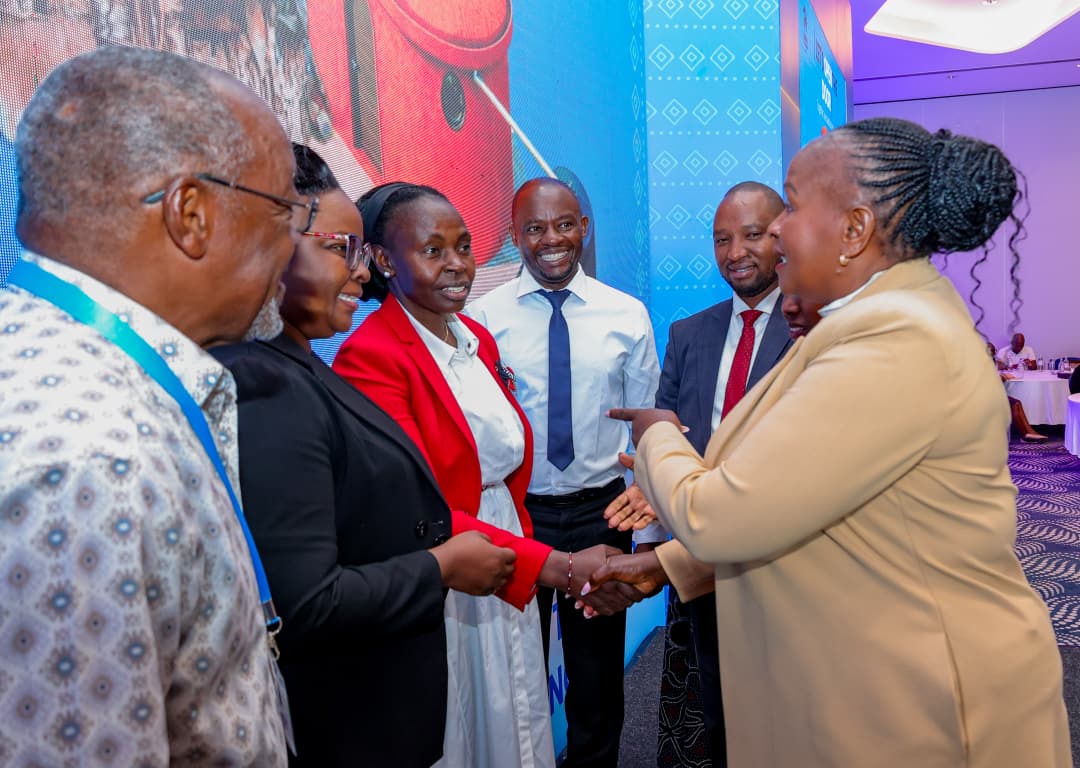
    Calls to tackle Africa’s growing housing crisis dominated discussions at the Habitat for Humanity Kenya forum as the organisation launched its global “Let’s Open the Door” campaign.

    The five-year initiative aims to mobilise governments, the private sector, and communities to prioritise adequate housing. It highlights housing’s crucial role in fostering health, economic opportunity, climate resilience, and sustainable development.

    The campaign launches amidst a widening housing crisis across the region. An estimated 53 per cent of Sub-Saharan Africa’s urban population lives in informal settlements, and the housing deficit currently stands at approximately 56 million units.

    Dr Eileen Mokaya, National Director for Habitat for Humanity Kenya, stated that the campaign seeks to accelerate collective action to bridge the housing gap and enhance access to decent and affordable housing.

    Machakos Governor Wavinya Ndeti advocated for stronger collaboration between national and county governments, emphasising that such partnerships will be critical in delivering affordable housing to more Kenyans.

    Beneficiaries of Habitat for Humanity Kenya programmes shared personal accounts of how access to decent housing has transformed their lives, illustrating the organisation’s impact over the past five decades.

    For 50 years, Habitat for Humanity Kenya has implemented housing programmes nationwide, providing vulnerable families with safe and affordable housing solutions.

  • NWHSA, county government, investor join forces on lucerne farming project

    NWHSA, county government, investor join forces on lucerne farming project

    The National Water Harvesting and Storage Authority (NWHSA), the Tana River County Government and Stella Mundi Properties Ltd have signed a Memorandum of Understanding (MoU) to jointly implement a climate-smart lucerne farming project in Tana River County.

    The agreement outlines collaboration on water infrastructure development, irrigation and commercial fodder production, with the partners saying the project is intended to strengthen water resource management, support climate resilience and improve agricultural productivity.

    Under the partnership, the three institutions will work to develop water infrastructure capable of supporting year-round irrigation and large-scale lucerne cultivation. The project will also incorporate environmental and social safeguards while seeking to attract private investment and create employment opportunities.

    The partners said the initiative combines the technical expertise of the national government, support from the county government and private sector investment to advance sustainable water resource development and climate-smart agriculture.

    Speaking during the signing ceremony, NWHSA Chief Executive Officer Eng. Julius Mugun said the partnership represents an important step in expanding water infrastructure to support agriculture and economic activities in the county.

    “Investments in water infrastructure go beyond physical development by creating opportunities for communities to engage in agriculture and other income-generating activities,” he said.

    Mugun added that the collaboration reflects the country’s broader efforts to accelerate socio-economic development.

    “This collaboration is a step towards propelling Kenya towards the Singaporean dream of becoming a first world country,” Mugun said.

    NWHSA Board Chairperson Dr. Jane Mwikali Makau said the partnership is expected to support agricultural production and create employment opportunities in Tana River County.

    She expressed optimism that similar collaborations would strengthen investment in sustainable water resource development.

    Tana River Governor Dhadho Godhana said the county government would work with NWHSA and Stella Mundi Properties to implement the project, noting that it has the potential to support commercial fodder farming, improve agricultural productivity and raise household incomes.

    Father Allan Ndung’u, representing Stella Mundi Properties Ltd, said lucerne fodder continues to attract demand in export markets, particularly in the Middle East, adding that the project could create new market opportunities for farmers in the county.

    The partners said the project is expected to demonstrate how collaboration between government agencies and the private sector can support sustainable water management, climate-resilient agriculture and rural economic development.

  • Ruto commits to greater government openness, cites initiatives to enhance public trust

    Ruto commits to greater government openness, cites initiatives to enhance public trust

    President William Ruto has reaffirmed his administration’s commitment to enhancing transparency, accountability, and public access to government information as Kenya embarks on consultations for its inaugural State of Openness Report.

    Speaking at State House, Nairobi, while launching the consultations and preparation of the report, President Ruto stated that the initiative would establish a national benchmark for assessing transparency, institutional performance, and accountability across government while identifying areas requiring further reform.

    The President emphasised that openness is crucial for restoring public confidence in government institutions.

    “We are working towards entrenching openness across government by ensuring wide access to information in ministries, departments, and agencies,” he said.

    “Our objective is to build and earn public trust while confronting the growing threat of fake news, misinformation, disinformation, and propaganda through transparency, accountability, and accessibility to accurate information,” President Ruto added.

    He noted that digital transformation has become a primary tool for improving service delivery and strengthening accountability within his administration. The President highlighted that government services available through digital platforms have increased from approximately 350 in 2022 to over 26,000, making public services more accessible, efficient, and transparent.

    President Ruto also drew attention to reforms in public financial management, stating that the government has introduced a Unified Government Digital Payment Platform. The initiative, he says, aims to reduce revenue leakages, curb opportunities for corruption, and improve accountability in the collection of public funds.

    He further explained that electronic procurement has been rolled out to promote transparency, strengthen competition, and ensure the prudent use of public resources.

    The President cited recent governance reforms, including legislation to introduce merit-based recruitment in government-owned enterprises, the enactment of the Conflict of Interest Act to strengthen ethical conduct among public officers, and governance safeguards within the National Infrastructure Fund designed to enhance institutional independence and accountability.

    According to President Ruto, the State of Openness Report will provide an honest assessment of government performance by identifying areas of progress, highlight existing gaps, and recommend necessary reforms to strengthen public confidence in state institutions.

    “I direct every ministry, department, agency, constitutional commission, and county government to extend their full cooperation to the Commission on Administrative Justice by providing timely, accurate, and comprehensive information throughout this exercise,” stated President Ruto.

    The President announced that the report, expected to be launched later this year, will be the first of its kind globally and is intended to position Kenya as a leader in promoting openness, transparency, and accountable governance.

  • Ruto: Development requires courage, not popularity

    Ruto: Development requires courage, not popularity

    President William Ruto has defended his administration’s reform agenda, saying he deliberately disregarded critics and political pressure so as to implement development projects aimed at transforming Kenya into a First World economy.

    Speaking at State House, Nairobi, while hosting AFC Leopards Sports Club following their second-place finish in the FKF Premier League, the President emphasised that meaningful national transformation demands leaders willing to make difficult decisions rather than pursue popularity.

    Ruto argued that Kenya’s slow pace of development over the past six decades stems from a failure to make bold policy choices. He noted that countries which started from similar economic positions have since become some of the world’s most developed economies.

    “Hatuna sababu kama taifa kutokuwa kama nchi ambazo zilikuwa pamoja na sisi miaka sitini iliyopita. Tulikuwa sawasawa na Malaysia, Korea na Singapore. Leo hizo nchi ziko First World, sisi bado tunang’ang’ana Third World. Makosa ilitokea wapi?” he posed.

    He maintained that Kenya possesses the same potential to achieve rapid economic transformation if it remains committed to long-term reforms.

    “Vile Malaysia, Korea na Singapore walipiga hatua, wakawa nchi tajiri… sisi pia tunaweza kufanya hivyo. Ndiyo mmeona nimekatalia mambo mengi,” he stated

    The President dismissed what he described as “populist politics,” arguing that leaders solely focused on winning applause often avoid difficult but necessary decisions.

    “Watu wengi wanataka siasa ya kupigiwa makofi. Siasa kidogo kidogo ambayo ni populist. Nawaeleza nchi yetu, in our generation, tunaweza kuitoa mahali ilipo sasa, tuipeleke First World,” he affirmed.

    Ruto acknowledged the resistance his administration has encountered over the past three years but insisted it has not deterred him from pursuing his development agenda.

    “Kwa miaka mitatu tumefanya mambo. Lakini sio kwa urahisi. Watu wamenipigia kelele, wakanifanyia maandamano, wakanitukana. Lakini mimi nimekaa ngumu kwa sababu nchi haiwezi kubadilika bila ya mtu kuwa mkakamavu,” he explained.

    The President specifically defended the Affordable Housing Programme, noting that it initially faced court cases, protests, and sustained criticism, including personal attacks directed at him.

    “Watu walinipigia kelele, wakanifanyia maandamano, wakanipeleka kortini… Wakaniita Zakayo. Leo Nairobi inabadilika. Kibera na Mathare imekuwa ikitusumbua, lakini sasa nyumba inajengwa,” he said.

    He argued that abandoning the programme due to political fear would have denied Kenyans the benefits now beginning to emerge.

    “Kama mimi ningekuwa mwoga, niachane na mambo ya housing, tungekuwa na chochote cha kusherekea leo?” he asked.

    According to the President, the government’s development strategy extends beyond housing to include markets, student accommodation, healthcare, and transport infrastructure.

    He stated that the administration is constructing 600 modern markets across the country and hostels to accommodate approximately 180,000 students, describing these investments as essential for long-term national transformation.

    Ruto also highlighted reforms in the health sector, explaining that the Social Health Authority is intended to ensure that access to healthcare becomes a right for every Kenyan, regardless of income.

    “Afya leo tumesema iwe ni haki ya kila Mkenya,” he said.

    On infrastructure, the President noted that innovative financing models are enabling the government to undertake projects that would otherwise have stalled due to budget constraints.

    He cited the Rironi-Mau Summit highway and the recently established National Infrastructure Fund as examples of new approaches to financing roads, airports, seaports, irrigation, electricity, and logistics infrastructure.

    “Kupitia National Infrastructure Fund, tuko na pesa ambayo itatusaidia kujenga barabara, kujenga airport, kujenga seaport, kuweka logistics, kuongeza stima, na kuongeza mambo ya irrigation,” he elaborated.

    Drawing comparisons with countries that have successfully transformed their economies, Ruto pointed to Norway’s sovereign wealth fund and China’s rapid economic rise as evidence that sustained reforms can fundamentally change a country’s fortunes.

    “Hii China mahali tunaenda kukopa pesa siku hizi, thirty years ago ilikuwa nchi maskini. So hii Kenya tunaweza kubadilisha. Just take it from me, kwa mapenzi ya Mungu, tutabadilisha Kenya,” he declared.

    The President called on by urging Kenyans to support the country’s transformation agenda, insisting that with consistent reforms and the courage to make difficult decisions, Kenya can attain First World status within a generation. He also called on eligible citizens to register as voters, stating that political participation would be critical in determining the country’s future leadership and sustaining the ongoing reform agenda.

  • Mudavadi lauds the partnership between Kenya and France in advancing Youth Agenda

    Mudavadi lauds the partnership between Kenya and France in advancing Youth Agenda

    The partnership between Kenya and France in advancing youth agenda in the country will provide empowerment opportunities that will create jobs, Prime Cabinet Secretary Musalia Mudavadi has said

    Mudavadi said there is renewed expression in empowering young people with education, innovation, opportunity and the freedom to transform ideas into solutions that improve lives.

    The Foreign and Diaspora Affairs Cabinet Secretary was speaking at the University of Nairobi when he graced the 146th anniversary of the French National Day (Bastille Day), an occasion that also highlighted the growing partnership between France, academia and Kenya’s innovation ecosystem.

    “With nearly 80 per cent of our population aged 35 and below, Kenya’s greatest asset is the talent, creativity and entrepreneurial spirit of its people. Our responsibility is to create an enabling environment that empowers them to innovate, seize opportunities and realise their full potential.” noted Mudavadi.

    Mudavadi said Kenya’s young population remain at the heart of the Government’s forward-looking agenda of socio-economic transformation.

    He commended the collaboration that is advancing African languages including Kiswahili, through artificial intelligence research, demonstrating that innovation can both preserve our heritage and expand our future opportunities.

    Reflecting on the Africa Forward Summit, which Kenya and France successfully co-hosted in Nairobi in May this year, Mudavadi reaffirmed Kenya’s shared belief that Africa’s future lies in innovation, industrialisation and investment.

    He noted that a significant highlight during the summit was the youth event that shaped discussions around innovation, technology, digitalization, creative economy and employment.

    “It is therefore encouraging that Kenya and France have built a partnership that invests in human capital, including scientific research, technical and vocational training, entrepreneurship and cultural exchange. We are equipping young people with the requisite knowledge and skills to thrive in a technology-driven global economy.” he said.

    The Prime CS pointed out at Presidents William Ruto and Emmanuel Macron’s commitment to finalize the design contract and implementation arrangements for the Engineering and Science Complex at the University of Nairobi.

    Funded by the French Development Agency and both governments, the project will elevate the University as a leading hub for research and innovation in Africa.

    “To the young the opportunities before you extend far beyond national borders. Your ideas, your knowledge and your enterprises have the potential to solve challenges not only for Kenya, but for Africa and the world.” Mudavadi said in his remarks.

    He lauded French Ambassador to Kenya Arnaud Suquet for his focused contribution to deepening Kenya-France cooperation. He said his people-centred leadership and strong engagement with young people have diversified our areas of partnership to include innovation, education, and people-to-people exchanges.

    “My brother Amb. Suquet, even as your tenure comes to an end your legacy will continue to inspire future collaboration between our countries.” Mudavadi noted.

    “Kenya values its enduring friendship with France and remains committed to deepening a partnership that delivers tangible benefits to our people while advancing shared prosperity.” he added.

  • Judiciary to step up fight against gender-based violence – Koome

    Judiciary to step up fight against gender-based violence – Koome

    Chief Justice Martha Koome has announced a renewed commitment to bolstering the Judiciary’s response to gender-based violence and femicide. She disclosed that a central element of this effort to enhance access to justice for survivors will be the expansion of specialised Gender Justice Courts.

    Speaking after separate meetings with the Judiciary’s Gender Justice Implementation Committee and the leadership of FIDA-Kenya, Koome stated that the Judiciary is transitioning from planning to implementing reforms aimed at delivering faster, more responsive and survivor-centred justice.

    “As Kenya continues to confront the painful realities of gender-based violence and the rising concern over femicide, we are reminded that access to justice must remain at the centre of our national response,” she affirmed.

    Koome outlined key priorities, including the operationalisation of Gender Justice Courts, strengthening survivor-centred services, enhancing the capacity of judicial officers and other justice sector actors, and improving coordination across the justice system.

    “The next phase must now move decisively from planning to implementation. Our priority is to strengthen and operationalise Gender Justice Courts, enhance survivor-centred services, build the capacity of judicial officers and justice sector actors, and deepen collaboration across the justice chain,” she elaborated.

    The Chief Justice also underscored the crucial role of partnerships in tackling gender-based violence, acknowledging that the Judiciary cannot achieve gender justice in isolation.

    During her meeting with FIDA-Kenya, Koome highlighted that collaboration with justice sector institutions, civil society, and development partners would be vital as the Judiciary expands specialised Gender Justice Courts nationwide.

    She noted that partnerships would support judicial training, public awareness, legal empowerment, mediation, and Alternative Justice Systems, while also addressing emerging crimes such as technology-facilitated gender-based violence.

    “Gender justice cannot be achieved by the Judiciary alone. It requires sustained partnerships with all justice sector institutions, government agencies, civil society, development partners, and communities working together to protect the rights and dignity of women, children, and all vulnerable persons,” she asserted.

    Koome confirmed that the Judiciary would continue to pursue evidence-based reforms and transparent communication to strengthen public confidence and ensure survivors can readily access gender-responsive justice.

    She reiterated the Judiciary’s dedication to building a justice system that protects vulnerable individuals and upholds the constitutional promise of equal justice.

    “Together, we can build a justice system where every survivor is heard, protected, and treated with dignity, and where the promise of equal justice under the Constitution becomes a lived reality,” she said.

  • Kenya condoles with Qatar over former Emir’s death

    Kenya condoles with Qatar over former Emir’s death

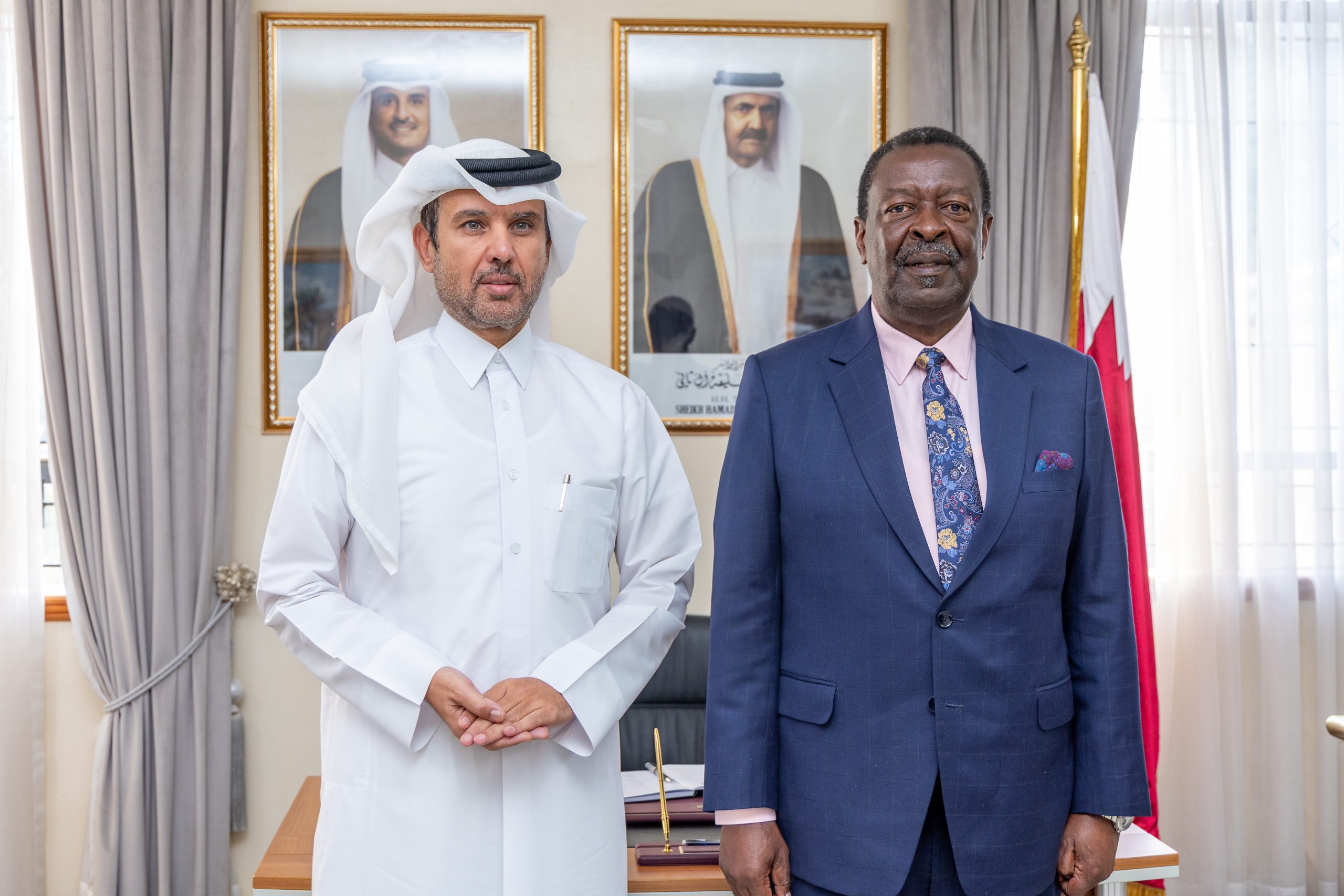
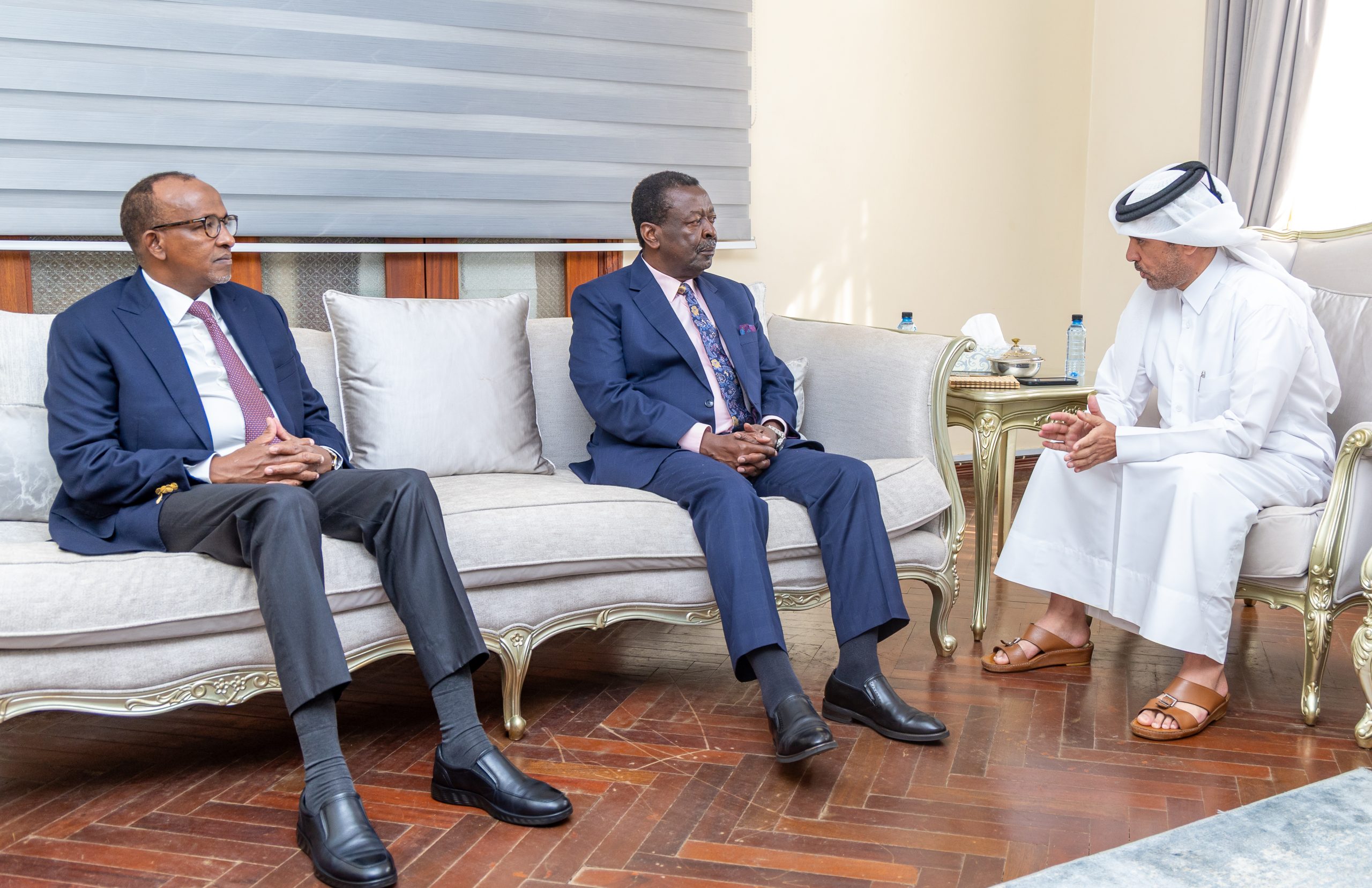
    Prime Cabinet Secretary and Cabinet Secretary for Foreign and Diaspora Affairs Musalia Mudavadi on Wednesday extended Kenya’s condolences to the Government and people of Qatar following the death of former Emir Sheikh Hamad bin Khalifa Al Thani.

    After visiting the residence of Qatar’s Ambassador to Kenya, Mutair Al Enazi, where he signed the Book of Condolence, Prime Cabinet Secretary Mudavadi paid tribute to the former Emir.

    He described Sheikh Hamad bin Khalifa Al Thani as a visionary leader whose guidance was central to Qatar’s transformation and emergence on the global stage.

    Mudavadi also reaffirmed Kenya’s solidarity with the people of Qatar during their period of mourning and reiterated the country’s commitment to strengthening the longstanding bilateral relations between the two nations.

    The Prime Cabinet Secretary was accompanied by Health Cabinet Secretary Aden Duale during the visit.

  • Kenya establishes diplomatic mission in Kingston, Jamaica

    Kenya establishes diplomatic mission in Kingston, Jamaica

    Kenya has established its first resident diplomatic mission in Jamaica, a move officials are hailing as a historic milestone in relations between the two Commonwealth nations.

    Previously, Kenya’s engagement with Jamaica and the wider Caribbean was managed remotely by its embassy in Havana, Cuba, which served as the country’s diplomatic hub for both the Caribbean and Latin America. The new mission in Kingston alters this, providing Kenya with a permanent, resident presence in the Caribbean for the first time.

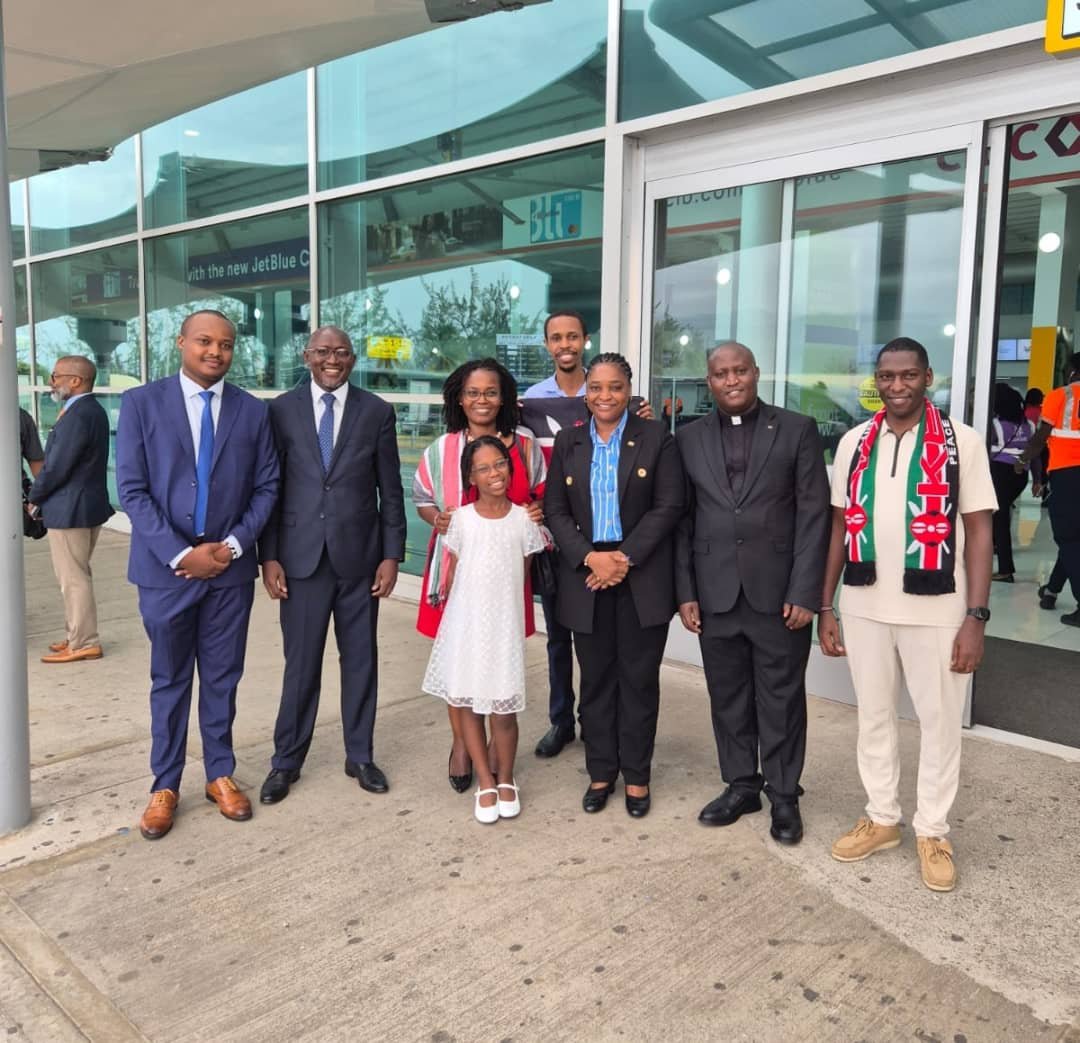
    The new High Commission in Kingston officially began operations this week with the arrival of High Commissioner Mwenda Karisa. She was received by officials from Jamaica’s Ministry of Foreign Affairs and Foreign Trade, as well as members of the Kenyan diaspora.

    Ambassador Franz Hall, Jamaica’s Under-Secretary in the Ministry of Foreign Affairs and Foreign Trade, welcomed Karisa at Norman Manley International Airport, accompanied by staff from the newly established mission.

    The resident mission is expected to bolster bilateral engagement by offering a permanent platform for diplomatic dialogue, promoting trade and investment, facilitating cultural exchanges, and providing consular services.

    It is also expected to foster cooperation in areas of mutual interest and support closer people-to-people connections between Kenya and Jamaica.

    Kenya says that the new mission underscores its commitment to deepening political, economic, and cultural relations with Jamaica, and to expanding engagement with the broader Caribbean region.