
Technology, financing to enhance food security and value addition in Kenya

According to the Food and Agriculture Organization (FAO), the global population is projected to reach 9.1 billion by 2050. To feed this growing number, global food production must increase by at least 70%.
In Africa, which is expected to be home to nearly two billion people by then, agricultural productivity must grow even faster than the global average to avert widespread hunger. Agriculture currently contributes over 25% of the continent’s GDP and employs more than 60% of its workforce.
Africa’s food security challenges are multifaceted. While the population is rapidly increasing, the continent faces declining natural resources, low farm productivity, climate change, and growing rural-to-urban migration. The combined pressures of higher food demand and environmental vulnerabilities pose a serious threat to food and nutrition security. At the same time, many smallholder farmers—the backbone of Africa’s agriculture—are increasingly at risk due to climate change.
To address these challenges, African countries must harness modern technologies and innovations that can transform the agricultural sector. This includes boosting productivity through precision farming, improving input efficiency, and offering digital support services for farmers.
In Kenya, the Ministry of Agriculture and Livestock Development is implementing the Agricultural Transformation and Growth Strategy (ASTGS 2019–2029), which identifies digitalization, data, and research as key enablers of agricultural transformation. Kenya has made significant progress in ICT infrastructure, mobile connectivity, and ICT skills, and it aims to leverage these strengths to enhance digital service delivery to farmers.
However, a majority of smallholder farmers still face significant barriers to accessing credit and markets. There is a tremendous opportunity for digital financial solutions that connect unbanked farmers with affordable, flexible credit options. Through technology, farmers can organize into groups or cooperatives and generate transactional data that financial and insurance institutions can use to efficiently expand their agricultural loan portfolios.
Fintech innovations—such as mobile money platforms and digital lending services—can drive financial inclusion, enabling farmers to access credit, savings, and insurance. These platforms often use alternative data to evaluate creditworthiness and disburse loans quickly and cost-effectively.
Access to real-time commodity price data is another major constraint for smallholder farmers. To address this, Kenya’s Ministry of Agriculture and Livestock Development operates a digital platform that collects daily commodity prices from over 300 markets nationwide. The development of such tools, including virtual agricultural markets, presents a significant opportunity to improve farmers’ bargaining power and reduce reliance on middlemen.
E-commerce platforms and online marketplaces can further enhance efficiency and transparency in agricultural value chains. These platforms connect farmers directly with buyers, input suppliers, and financial institutions, facilitating price discovery, reducing transaction costs, and expanding market access for smallholder farmers.
Dr. Muchelule is a Data Governance Expert.

KBC Digital
Writes about opinions for KBC Digital.
More on Agriculture
 Business
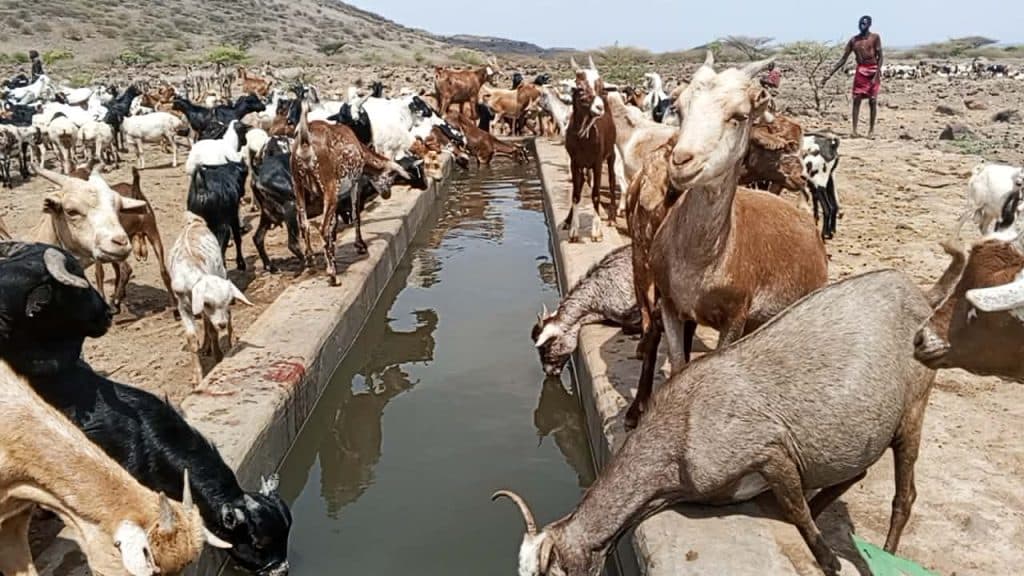
Kenya to adopt measures to address high cost of animal feed
·Ronald Owili
 Business
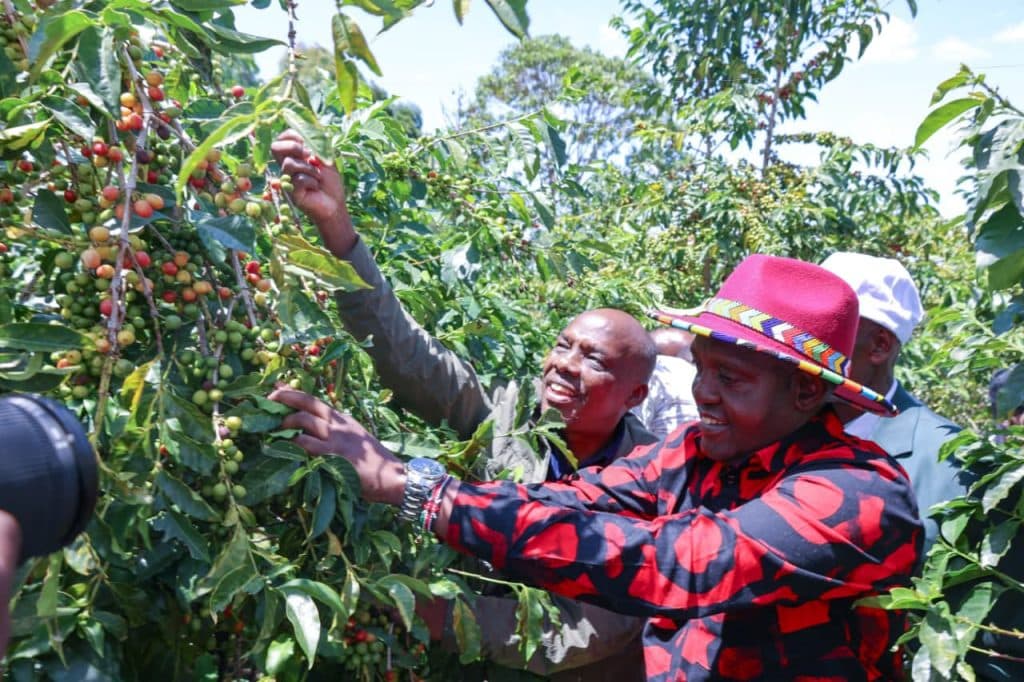
Rift Valley: The rising coffee power in Kenya
·Jared Ombui
 OPINIONS
From railway to avocado: A single ripe fruit chronicles China-Kenya’s path of shared prosperity
·Jared Ombui
 Business
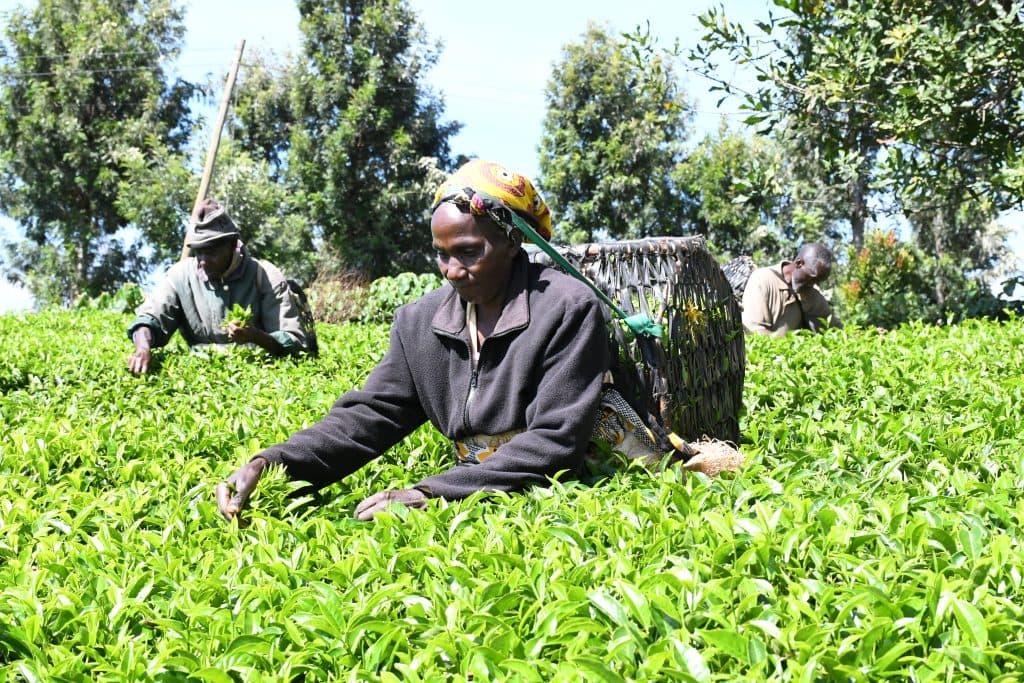
Tea farmers reject 0.8pc levy as proposed in the Tea Bill
·Ronald Owili