Author: Nzula Nzyoka

  • Box Office roundup: ‘Devil Wears Prada 2’ debuts 20 years after the first

    Box Office roundup: ‘Devil Wears Prada 2’ debuts 20 years after the first

    “The Devil Wears Prada 2” debuted at the top of the box office this weekend, industry estimates showed Sunday, 20 years after the hit original took audiences inside the cutthroat world of haute couture.

    The sequel sees Anne Hathaway’s character return to work under tyrannical editor Miranda Priestly, portrayed again by Meryl Streep, as their fashion magazine faces an existential crisis.

    Stanley Tucci and Emily Blunt also return as leads, while a host of A-list additions and celebrity cameos round out the star-studded cast.

    Released by 20th Century Fox and with returning director David Frankel, the film took in $77 million in the US and Canadian market, according to Exhibitor Relations.

    “This is a sensational opening for a comedy drama,” said analyst David A. Gross of Franchise Entertainment Research, noting “very good” reviews and themes of power, image and success that “are more recognisable and relevant today than ever.”

    Streep won a Golden Globe and received an Oscar nomination for best supporting actress in her first turn as Miranda Priestly, who is not-so-subtly based on longtime “Vogue” chief Anna Wintour.

    Last week’s box office winner, “Michael,” the biopic about late superstar Michael Jackson, fell to second place but still took in $54 million, according to Exhibitor Relations.

    Directed by Antoine Fuqua and distributed by Lionsgate, the film chronicles the legendary artist’s rise from a child star to one of the world’s most famous pop icons.

    In the starring role is Jaafar Jackson, the pop star’s nephew.

    Following a whopping $97 million debut last weekend in North America, the movie has taken in over $423 million at the global box office.
  • Full list of Kalasha Award winners 2026

    Full list of Kalasha Award winners 2026

    The Kalasha Awards Gala, which took place on May 2, will probably go down in history as an award ceremony that awarded an eclectic array of films, including ‘Nawi’ the story of a Turkana girl just yearning for more to life than marriage, ‘Sukari’ a film exploring little talked about sexual relations in a conservative marriage and the beloved documentary ‘The People Shall’ honouring the Finance Bill Protests 2024 and its victims.

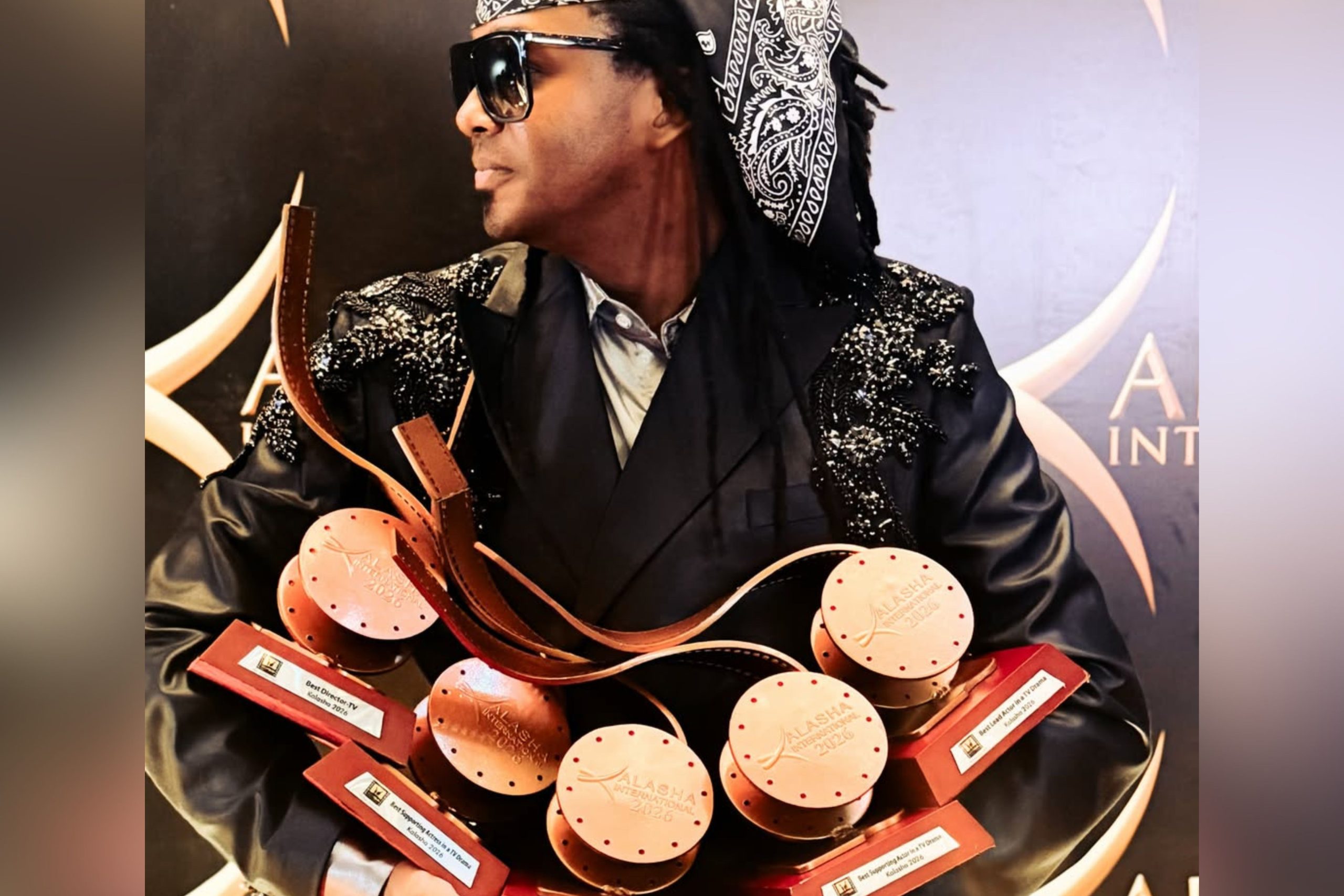
    In the TV category, ‘Kash Money’, a Netflix original by Phillippe Bresson and Grace Kahaki, took home most of the awards, with Bresson calling it a “we came to collect” moment.

    It also goes down as the only Kalasha award ceremony in which a sitting President was invited as the Guest of Honour.

    See the full list of Kalasha Awards 2026 Winners below:

    Best Feature Film
    Nawi — Brizan Were, Lydia Wrensch And Caroline Heim

    Best Lead Actress In A Film
    Michelle Lemuya (Nawi)

    Best Lead Actor In A Film
    Juma Mdoe (Sukari)

    Best Supporting Actress In A Film
    Ivy Collette (Owadwa)

    Best Supporting Actor In A Film
    Jave Samson (Sukari)

    Best Director
    Omar Hamza (Sukari)

    Best Original Screenplay
    Sukari — June Wairegi & Omar Hamza

    Jury Award
    Memory Of Princess Mumbi — Damien Hauser

    Best Cinematographer
    The Dog — Andrew Mungai And Baker Karim

    Best Sound Designer
    Sarah — Eric Musyoka

    Best Editor
    The People Shall — Mark Maina

    Best Visual Effects
    Memory Of Princess Mumbi — Damien Hauser

    Best Gaffer
    The Dog — Walter Odhiambo

    Best Costume Designer
    Nawi – Dear Future Me — Viva Njeri

    Best Makeup Artist
    2 Asunder — John Michuki

    Best Production Designer
    Nawi – Dear Future Me — Erikson Kang’ethe

    Best Documentary
    The People Shall — Mark Maina

    Best Animation
    Lore — Mary Wanjiku

    Best Kenyan Indigenous Film
    Sarah — Sarah Tenoi, Nick Reding, Amos Leuka

    Best Short Film
    Sukari — June Wairegi

    Best Student Film
    Dinner For Three

    Best Documentary By A Student
    The Inkidongi

    People’s Choice Award – Feature Film
    Nawi

    Best International Film
    Jimbi

    Best Children’s Production
    Ndemwa

    Best TV Drama
    Kash Money — Grace Kahaki

    Best Lead Actress in a TV Drama
    June Njenga (Big Girl Small World)

    Best Lead Actor in a TV Drama
    John Sibi Okumu (Kash Money)

    Best Supporting Actress in a TV Drama
    Amara Tari (Kash Money)

    Best Supporting Actor in a TV Drama

    Lenana Kariba (Kash Money)

    Best TV Director
    Kash Money — Grace Kahaki And Philippe Bresson

    Best TV Scriptwriter
    Big Girl Small World — Angela Ruhinda

    People’s Choice Award – TV Drama
    MTV Shuga Mashariki

    Lifetime Achievement Award
    John Karanja

    Digital Content Creator Of The Year
    Edwin Wainaina

    Positive Impact Content Creator Of The Year
    Shiksha Arora

  • New Princess Diana documentary promises her own words

    New Princess Diana documentary promises her own words

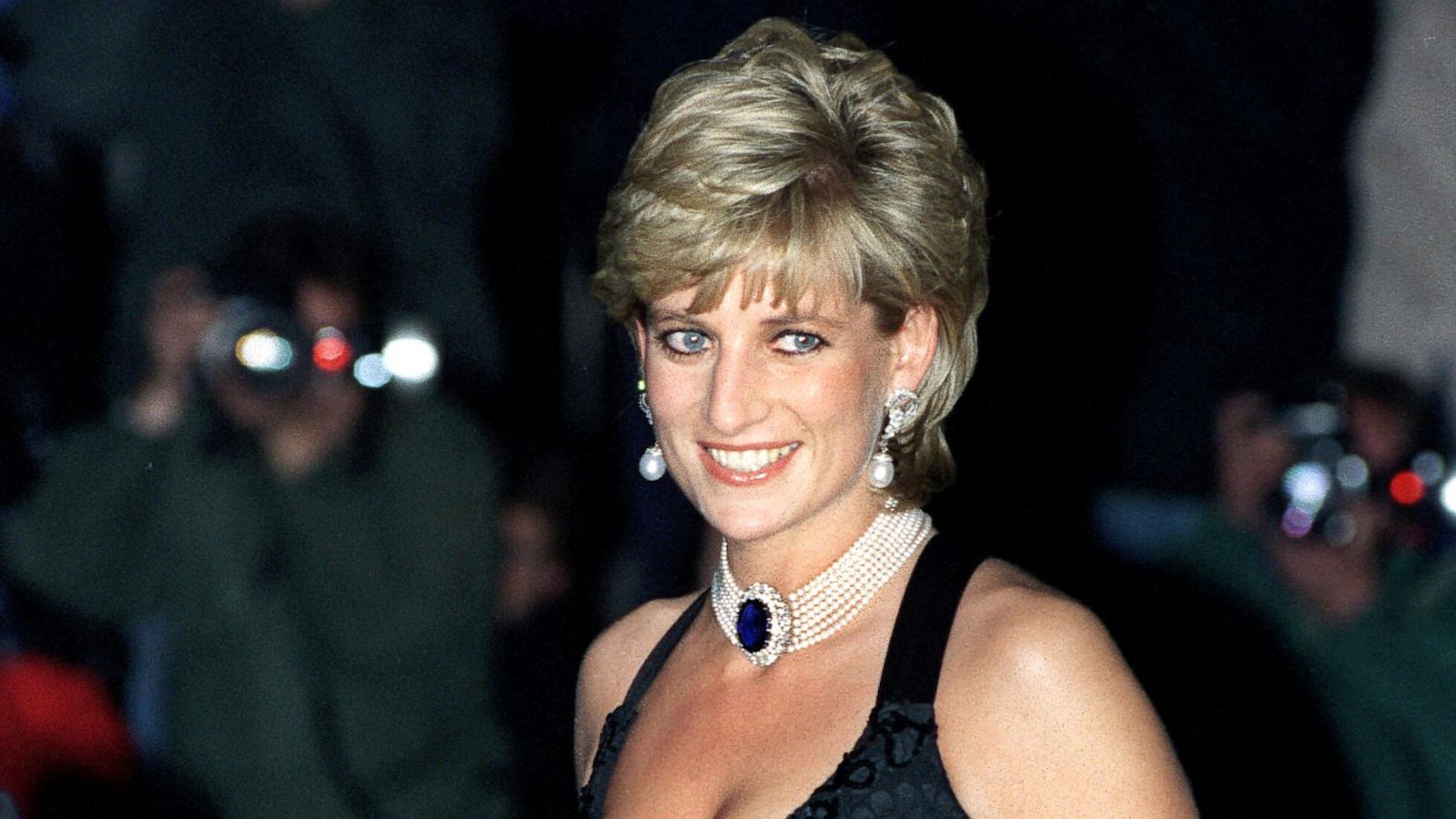
    A new documentary series based on hours of previously unreleased recordings made by Diana, the late Princess of Wales, is in the works, producers have announced.

    “Diana: The Unheard Truth,” set for release in 2027, 30 years after her death in a Paris car crash, promises to tell the story of “the people’s princess” in her own words.

    Using five hours of conversations between Diana and her close confidante, surgeon Dr James Colthurst, the tapes formed the basis of Andrew Morton’s explosive 1992 book “Diana: Her True Story.”

    “This revelatory three-part docuseries restores authorship of one of the most scrutinised lives in modern history,” said a statement released by Love Monday TV, the production company behind the venture.

    It “will change public perception of Diana forever.”

    “Through the tapes, we come to know a resilient, perceptive, and relatable young woman, finding herself in the brightest of global spotlights, and navigating the challenges with grace, self-awareness, and determination.”

    Diana’s role in Britain’s storied monarchy is unparalleled.

    The sumptuous 1981 wedding between Diana and the future King Charles III was a global extravaganza of goodwill.

    But what followed quickly degenerated into a tabloid feeding frenzy as cracks appeared in the fairytale, with husband and wife seemingly seeking solace in the arms of others.

    Diana’s shocking 1997 death in a Paris tunnel in a car speeding away from paparazzi sparked a public backlash in Britain that rocked the monarchy and the media.

    The tapes, say producers, are a reminder that things could have turned out differently.

    “We hear her infectious humour and twinkling laughter, as she reveals the truth about life inside the most famous family in the world,” the statement said.

    “But most importantly, we hear her dreams for a future that could have been; a new chapter in which Charles goes off into the sunset with (future queen) Camilla, leaving Diana free to carve her own path.”

    Charles and Camilla, who married in 2005, are wrapping up a state visit to the United States, a visit that is being seen as a chance for London and Washington to move past a difficult few months.

    The documentary series will also incorporate the perspectives of Diana’s inner circle, including advisers, close friends, her hairdresser, her bodyguard, and one-time royal press secretary Dickie Arbiter.

  • Inside Spotify’s Feature Mixer event

    Inside Spotify’s Feature Mixer event

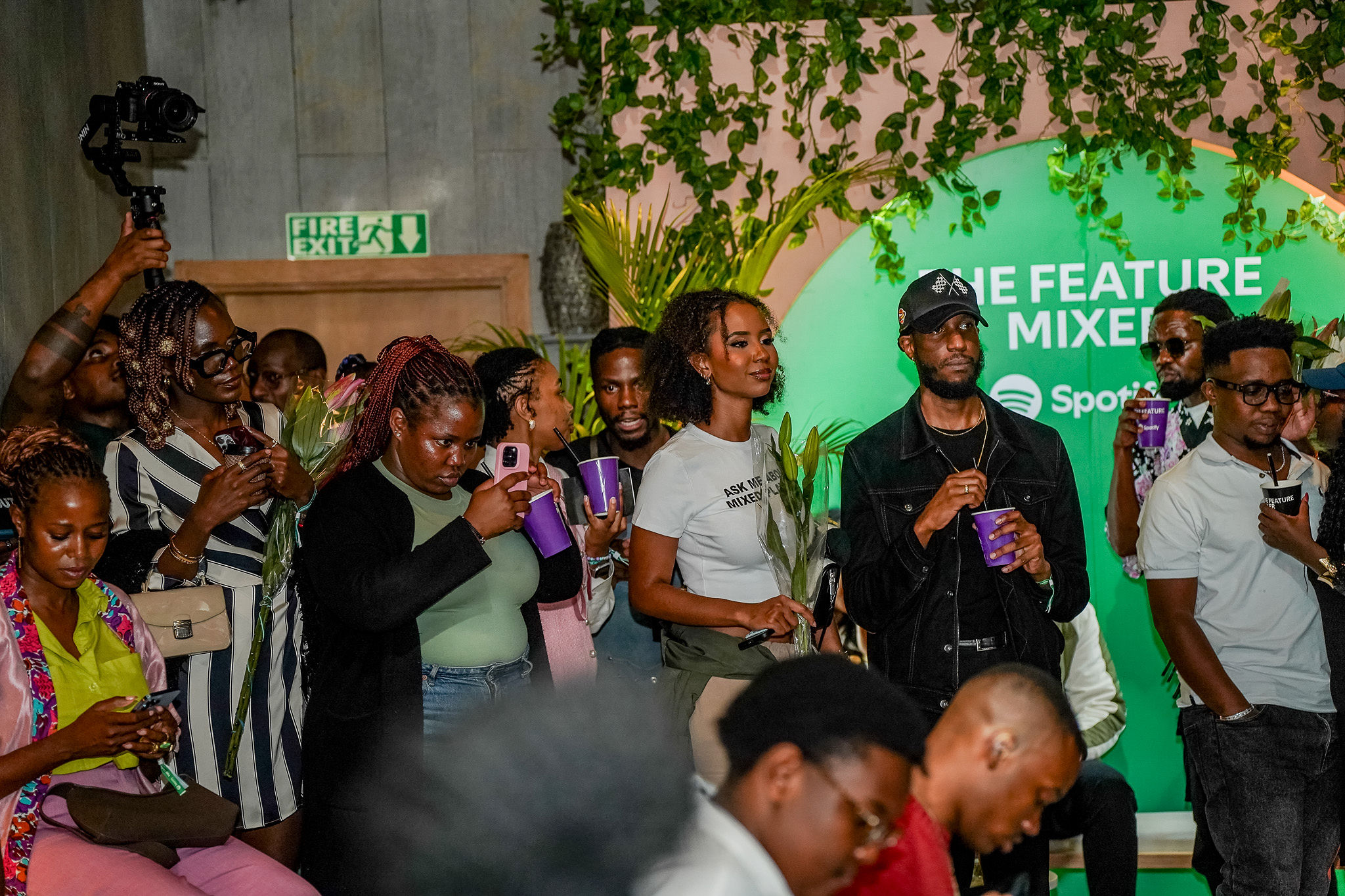
    Music streaming service Spotify hosted an event meant to teach its users about the app’s features using the format of ‘speed dating.’

    The event, dubbed The Feature Mixer, was built around the idea of meeting new people with Spotify, posing the event concept as a question: “What if you could meet Spotify features the same way you meet people?”

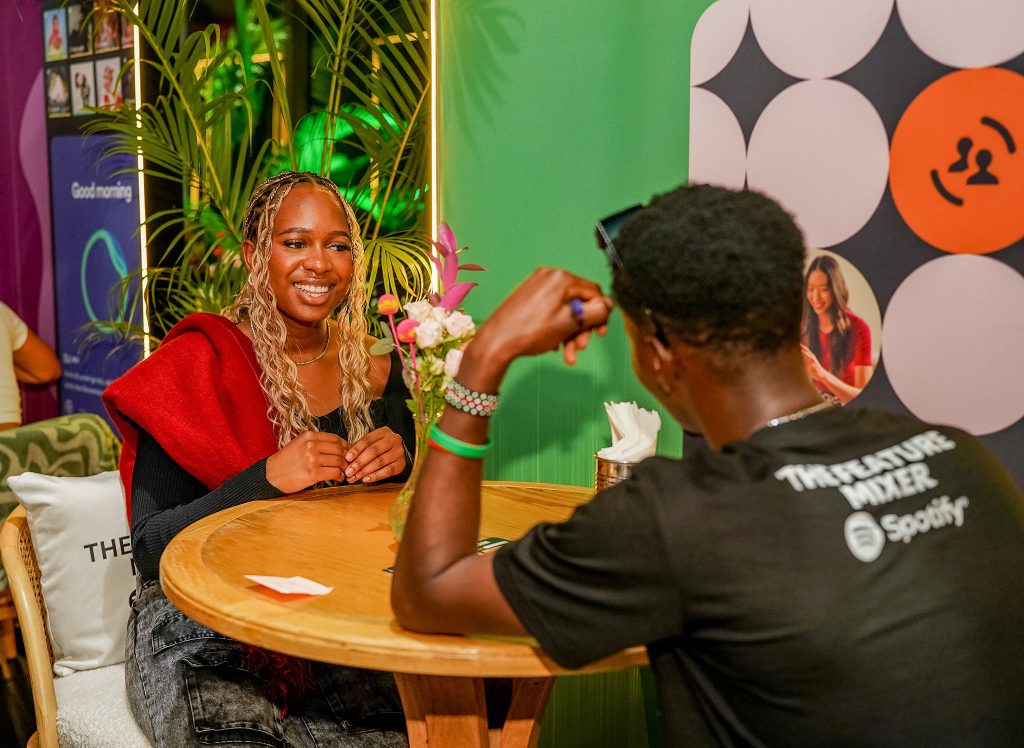
    Guest learns about Spotify’s features

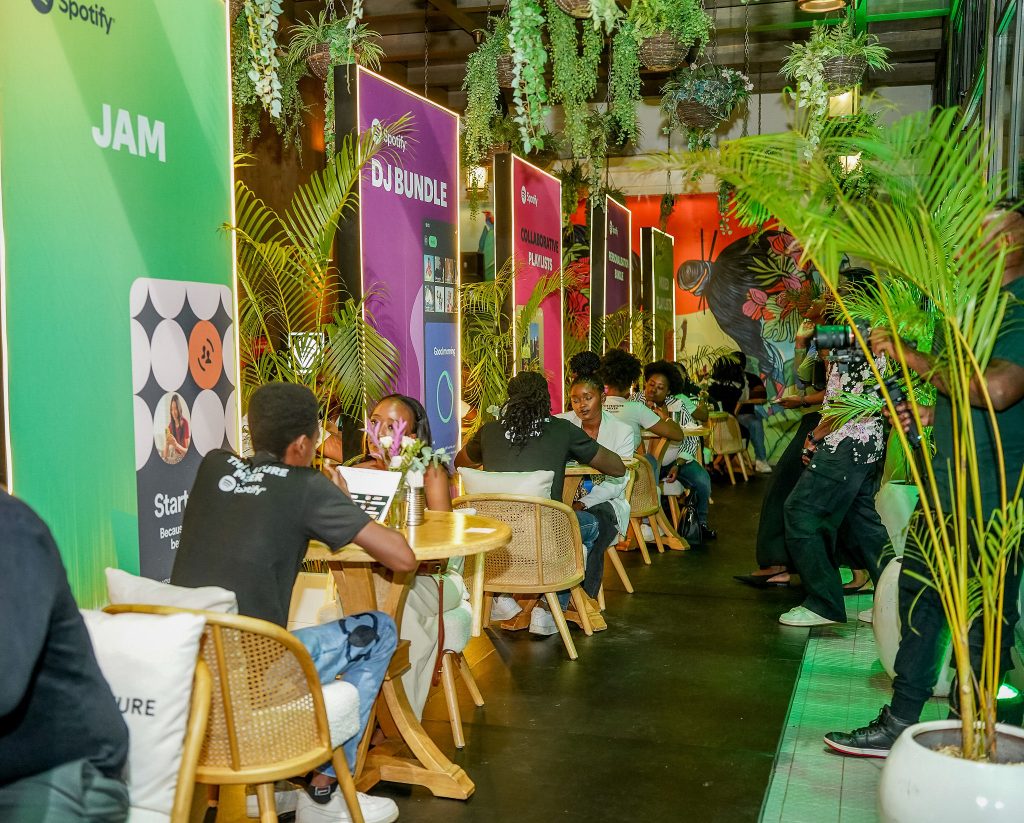
    Guests were taken through a “speed-dating-style introduction to Spotify features,” where they moved between different stations to learn how the app works in real life.

    Guests experience speed dating with Spotify features

    Speaking about the importance of the event concept, Spotify said: “These interactions were strategically designed to be high-impact, covering what the feature is, why it matters, and a live in-app demo. Each date concluded with a teach-back moment, where guests explained the feature back in their own words to ensure a deep understanding of the product.”

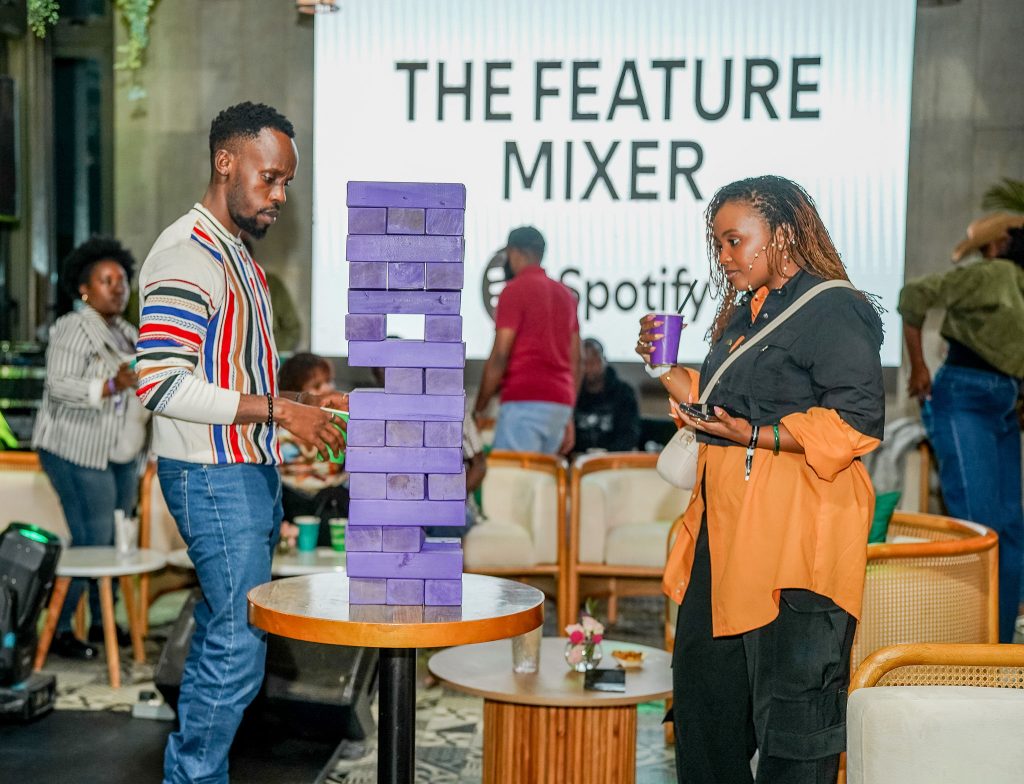
    Guests also participated in other activities including playing Jenga

    At each station, a guide explained one feature in a quick three-minute session. After each explanation, guests were asked to repeat what they had learned in their own words, in what organisers called a “teach-back moment,” to ensure they fully understood.

    The lessons focused on features that were used every day. Some showed how people can control music together at parties, while others explained how to listen offline, especially useful in places with low-data usage and fluctuating network coverage.

    Vijana Barubaru perform

    It also included features that recommend music based on personal taste and daily routines.

    Guests were grouped into conversations inspired by daily life, including “navigating Nairobi traffic,” going on road trips, or creating playlists with friends. This made the experience feel practical rather than technical.

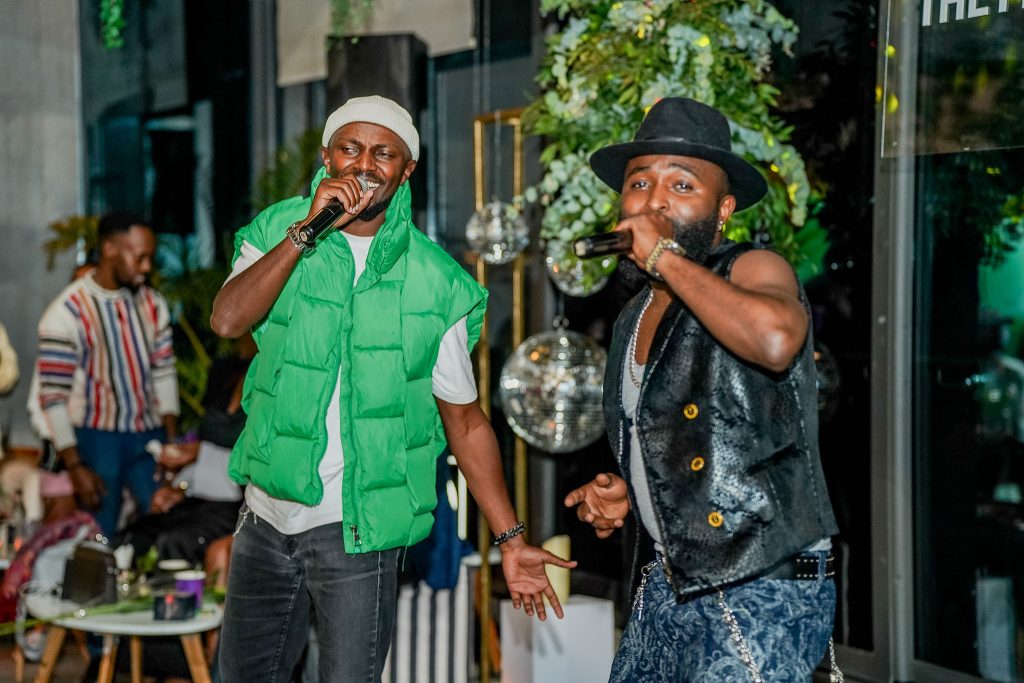
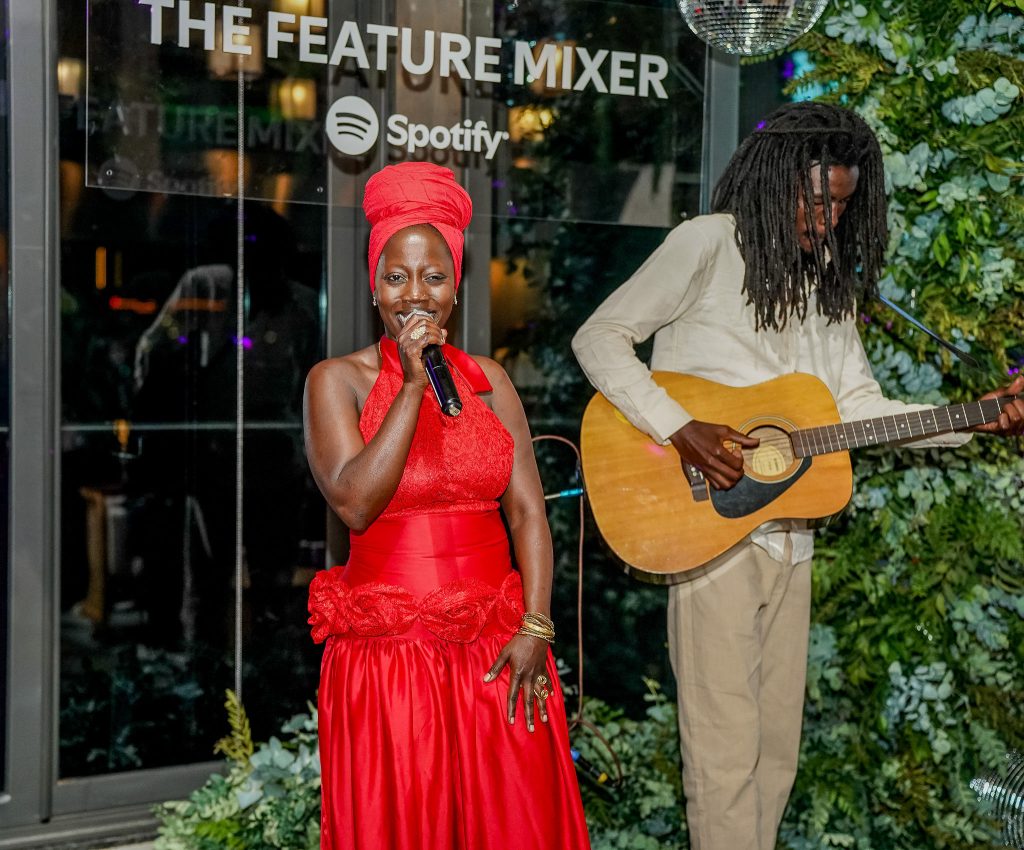
    At the end of the event, guests were treated to live performances by Vijana Barubaru and Zaituni.

    Zaituni treats guests to a performance
  • William Ruto to host Grammy President in May

    William Ruto to host Grammy President in May

    President William Ruto will host The Recording Academy boss, President Panos Panay, from May 26 to May 29 to foster international collaboration and advance cultural diplomacy initiatives.

    The visit, supported by the U.S. Department of State’s Arts Envoy Programme, is part of the Recording Academy’s broader global expansion efforts to support and elevate creative economies.

    According to a statement released by the Academy, Panay and President Ruto will explore a number of opportunities in Kenya.

    “The visit will also include meetings with senior government leaders focused on talent development, industry infrastructure and international market access,” the Academy said in a statement. “These are key priorities in positioning Kenya as a gateway for amplifying Africa’s presence in the global music ecosystem.”

    The visit will also allow the Grammy President to meet with some of Kenya’s leading artistic voices.

    “Panay will also meet with leading artists and music industry leaders to exchange views on expanding opportunities and establishing a stronger footprint for the global music industry in Africa,” the statement continued.

    The visit is part of President William Ruto’s continued push toward nurturing and expanding the creative economy in a bid to make it economically viable for Kenyan creatives.

    In his speech today, while welcoming record breaker Sabastian Sawe, Ruto reiterated his Government’s position.

    “By investing in sports and the creative economy, we are creating pathways for our youth to turn talent into sustainable livelihoods and meaningful careers,” Ruto said.

    Meanwhile, through the support of the American embassy, Kenya continues to be a participant in the American Music Mentorship Program (AMMP), a partnership between the United States Department of State Bureau of Educational and Cultural Affairs and the Recording Academy.

    Established in 2024, AMMP aims to foster stronger global connections in the industry by connecting international music professionals with experienced United States-based mentors from the Academy, with a focus on cultivating the behind-the-scenes professionals essential to thriving music markets worldwide.

    A new cohort of Kenyan participants is expected to join in September, 2026.

  • Singer D4vd used Amazon chainsaws to hack up teen’s body say prosecutors

    Singer D4vd used Amazon chainsaws to hack up teen’s body say prosecutors

    R&B singer D4vd used chainsaws he bought from Amazon to cut up the body of the teenage girl he murdered and left to rot in the trunk of his Tesla, prosecution documents claimed Wednesday.

    The internet breakout star killed Celeste Rivas Hernandez because she threatened to reveal their long-standing and illegal sexual relationship, which began when she was just 13, charging papers allege.

    He then hacked up her corpse, using a plastic paddling pool to contain the blood, and stuffed it into bags that he left in his car on the streets of the swanky Hollywood Hills neighbourhood, before leaving for his music tour around the United States, prosecutors said.

    The 21-year-old, whose real name is David Burke, could face a life sentence or the death penalty if convicted of the child’s murder. He denies the charge.

    A short court appearance in Los Angeles on Wednesday revealed the first full accounting of what detectives believe happened to Celeste, who had been reported missing from her home east of Los Angeles.

    Los Angeles County Deputy District Attorney Beth Silverman filed a brief outlining the evidence she intends to present at any eventual trial.

    The document says numerous text messages between Burke and Celeste — which include references to sex, pregnancy and emergency abortion, as well as explicit photographs — attest to an ongoing sexual relationship between the two that prosecutors believe continued even after they officially broke up in November 2024, two months after Celeste’s 14th birthday.

    In April last year, the teenager, who had seemingly become jealous, told Burke she would expose their relationship — potentially derailing the imminent release of his first studio album, an event that was expected to kickstart a multi-million dollar career.

    “Knowing he had to silence the victim before she ruined his music career as she had threatened, very soon after her arrival at his home, defendant stabbed the victim to death multiple times and stood by while she bled out,” the document says.

    Over the coming weeks, he ordered two chainsaws from Amazon, as well as a body bag, heavy-duty laundry bags and an inflatable pool.

    “After placing her body into the blue inflatable pool to prevent her blood from spilling onto his garage floor, defendant used a chainsaw and perhaps other tools to cut off her limbs,” the document alleges.

    “In order to distance himself from the victim, he amputated her left ring and pinky fingers because her ring finger contained a tattoo of his name. Her fingers have not been recovered.

    “Defendant then placed her head and torso into the cadaver bag he purchased. He placed her limbs into a garbage bag, which he deposited into his front trunk, laying the cadaver bag on top. For several weeks, or possibly months, defendant left the victim’s body to decompose inside his Tesla.”

    Her body was found in the vehicle after it had been taken to a tow yard, following an official report that it had been abandoned.

    Detectives who were called to the yard because of a foul smell emanating from the car discovered Celeste’s remains within days of what would have been her 15th birthday.

    Burke has denied one count each of murder, continuous sexual abuse of a child under the age of 14, and unlawful mutilation of human remains.

    The singer remains in jail. His case is next expected to be dealt with on May 12.

  • Nganya culture: High court upholds NTSA directive on matatu graffitti

    Nganya culture: High court upholds NTSA directive on matatu graffitti

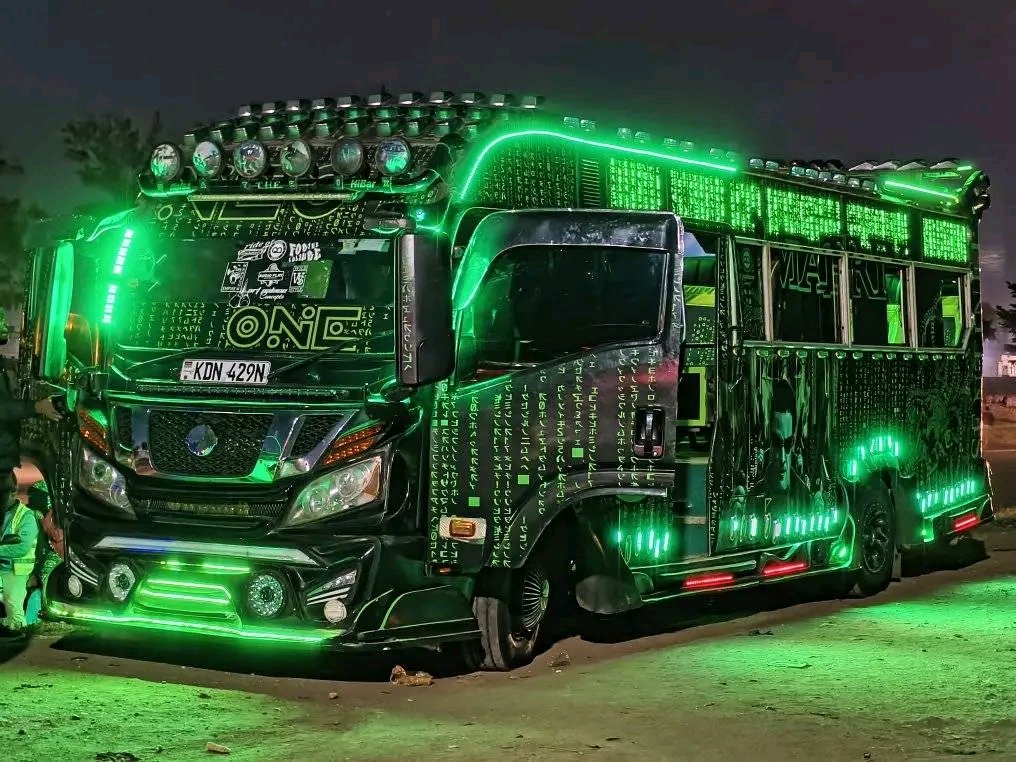
    Popular Nganya culture has been dealt a blow as the High Court has upheld the National Transport and Safety Authority (NTSA) enforcement notice issued in May 2024, requiring matatus with graffiti, artistic designs, and tinted windows to remove them or face sanctions.

    In their directive, NTSA argued that the new regulations were lawfully enacted under existing transport laws and are aimed at enhancing safety and order in the public transport sector.

    In its ruling, the court dismissed the petition challenging the legality of NTSA’s directive. The petitioners had argued that the directive was introduced without public participation and unfairly targeted a cultural and economic ecosystem that supports thousands of youth.

    The case, heard before Justice Bahati Mwamuye at the High Court in Nairobi, centred on whether the regulations violated constitutional provisions, including Article 47 on fair administrative action.

    However, the court sided with NTSA, agreeing with the State’s position that the regulations were lawfully enacted under existing transport laws and were intended to enhance safety and order in the public transport sector.

    The ruling effectively reinstates the NTSA’s enforcement notice first issued in 2024, which had been temporarily suspended through conservatory orders pending the hearing of the case.

  • ‘Jurassic Park’ star Sam Neill says cancer-free after gene therapy

    ‘Jurassic Park’ star Sam Neill says cancer-free after gene therapy

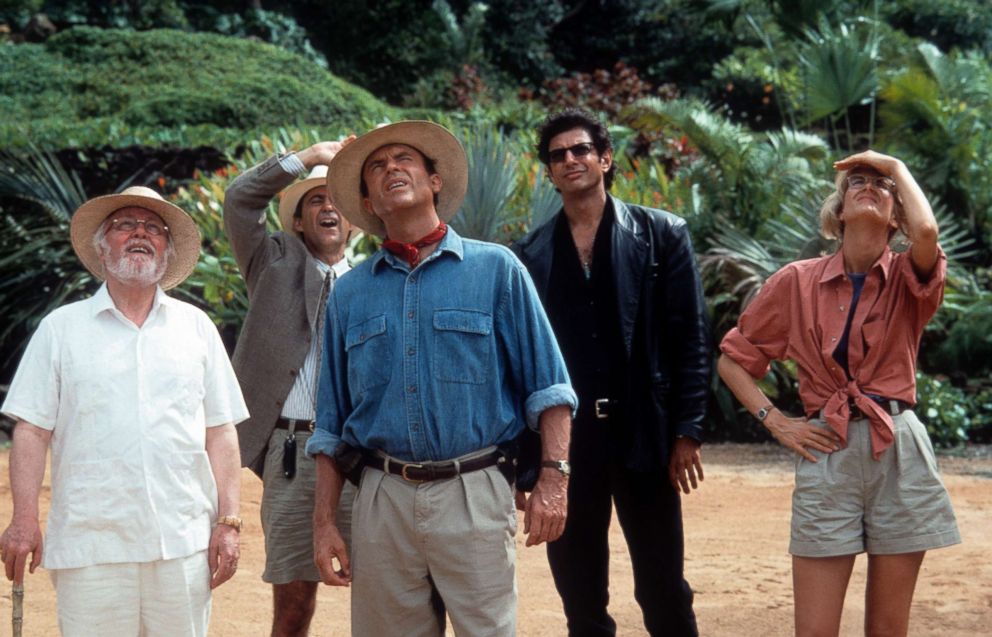
    Actor Sam Neill says he is cancer-free after five years of living with lymphoma, thanks to a genetic therapy that modified his immune system.

    The New Zealander, who starred as Dr Alan Grant in the 1993 blockbuster “Jurassic Park”, revealed in a 2023 memoir he was “possibly dying” with stage-three non-Hodgkin lymphoma.

    Neill, 78, said in a weekend interview he had lived with the blood cancer for about five years but his chemotherapy treatment eventually stopped working.

    “I was at a loss and it looked like I was on the way out, which wasn’t ideal, obviously,” he told Australia’s Channel Seven News.

    The actor was treated with CAR T-cell therapy, which uses a disabled virus to genetically reprogram human infection-fighting T-cells, enabling them to target specific cancers.

    “I’ve just had a scan just now, and there is no cancer in my body, that’s an extraordinary thing,” Neil said.

    He is calling on Australian federal and state governments to fund CAR T-cell therapy for blood cancer patients across the country.

    Neill’s acting career began in the 1970s and has spanned dozens of roles in TV and film, including “Peaky Blinders”, “The Hunt for Red October”, and “The Piano”.

  • Kalasha festival opens with bold push to fix industry gaps, unlock full economic potential

    Kalasha festival opens with bold push to fix industry gaps, unlock full economic potential

    The 14th edition of the Kalasha International Film and TV Market Festival has opened with renewed focus on strengthening the structure of Kenya’s creative sector, as industry leaders and government officials call for urgent reforms to unlock its full economic potential.

    Organised by the Kenya Film Commission in a bid to position Nairobi as a regional hub for film and television, the week-long event brings together filmmakers, distributors and key stakeholders in an open market designed for connection, collaboration and opportunity.

    CS Salim Mvurya

    In attendance during the opening ceremony was Cabinet Secretary for Youth Affairs, Creative Economy and Sports Salim Mvurya, who described the platform as one of the continent’s most influential industry gatherings.

    “Kalasha International Film & TV Market and Festival has become one of Africa’s most influential platforms, bringing together creatives, industry leaders, and decision makers,” he said.

    In his speech, CS Mvurya emphasised that government intervention will continue to be key to sustaining growth in the sector.

    “As a Ministry, we recognise that the growth of the creative economy does not happen by chance. It requires deliberate policy formulation, strategic investment and strong institutional support,” he said.

    He added that efforts are underway to anchor the industry in law through the Creative Economy Bill 2026.

    “We are advancing a robust policy and legislative framework to unlock the full potential of this sector. At the centre of this sector is the Creative Economy Bill 2026, which is a landmark piece of legislation designed to formalise, support and regulate the creative industry.”

    Highlighting its economic potential, Mvurya said, the sector, while not well-organised in Kenya, is the next economic frontier.

    “The creative economy is the next frontier of economic growth. It holds immense potential to create jobs, generate income and power the youth of our country… Kenya’s creative economy sector is contributing 5% to the national economy. With the legal frameworks in place, we know that this sector can power our national economy.”

    He added that globally, the creative economy is projected to contribute at least 10 per cent of economic output by 2030.

    Principal Secretary Fikirini Jacobs

    Celebrating the growth of the sector, Principal Secretary Fikirini Jacobs echoed the CS’s sentiments, noting that it has evolved into a serious industry attracting continental attention.

    “Gone are the days when the creative economy space would appear as a hobby; today, the creative economy has now attracted the necessary attention that makes it qualify to be an industry worth our celebration… worth travelling all the way from many countries across Africa and beyond to come to Nairobi for the Kalasha Film Festival,” he said.

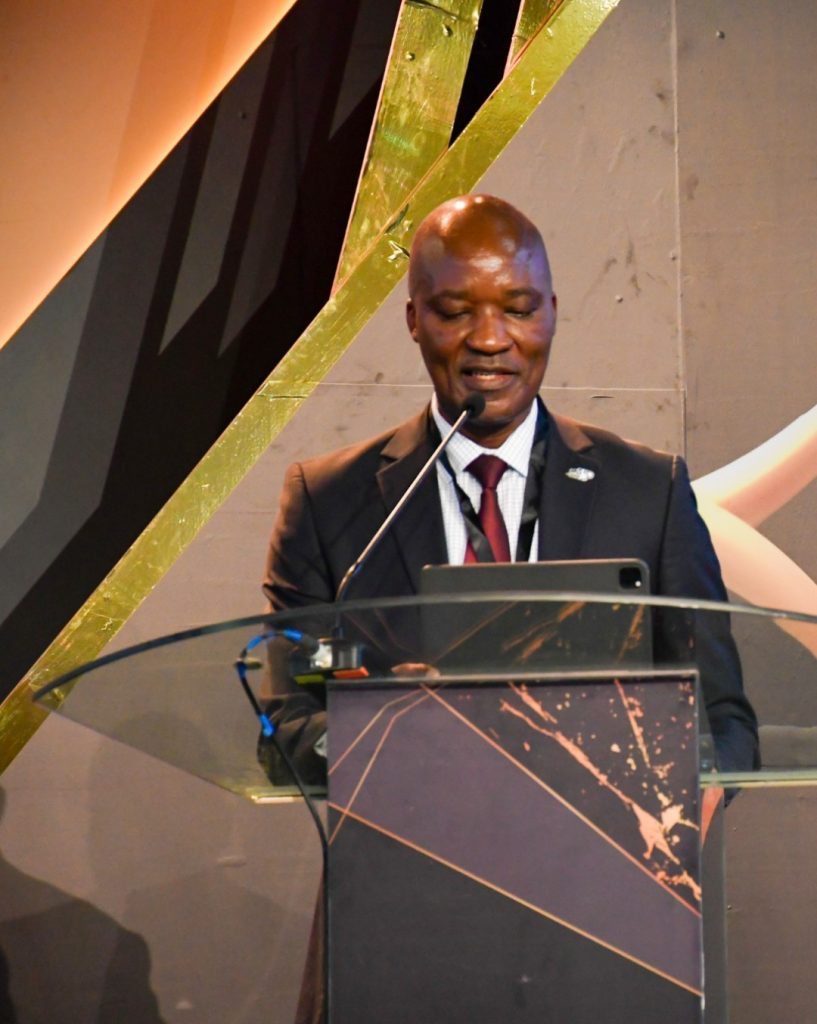
    Kenya Film Commission, Timothy Owase

    However, in his speech, the Kenya Film Commission CEO Timothy Owase cautioned that talent alone will not sustain the industry without addressing systemic gaps and structural issues.

    “Talent alone does not build an industry; what builds an industry is structure,” he said. “If we look closely, the challenge is not creative or the creative industry, it is systemic. We see strong projects that struggle to access financing, content that is produced but not effectively distributed or monetised, a growing workforce but gaps in specialised skills, increased demand but limited infrastructure to support scale. And critically, we lack consistent data to guide decisions, measure growth and attract investment.”

    He further urged stakeholders that moving forward, Kenya needed to focus on five key issues to enable the growth of the film sector. These include financing, Infrastructure, Skills and capacity, Ease of doing business and Data.

    The festival will continue until May 2, ending in the annual Kalasha award ceremony gala.

    Read the full list of Kalasha 2026 nominees.

  • ‘Dear Mama’ price reduced following heated debate between author, retailer

    ‘Dear Mama’ price reduced following heated debate between author, retailer

    ‘Dear Mama’ by author Kinyanjui Kombani will retail at KSh. 890 at Kibanga Books, a KSh. 110 decrease from the store’s previously set price.

    This decision by the two parties follows a very public and heated debate over the book’s pricing. Kibanga Books was selling the book at KSh. 1000 before the exchange.

    The dispute, which played out on social media, began after Kombani publicly questioned the retailer’s pricing of his title, arguing it was marked significantly higher than expected.

    Replying to a tweet by Kibanga Books advertising the book at KSh. 1,000, Kombani replied: “How are you telling me I don’t have info and yet (1) I am the author, (2) I also sell the books myself, (3) Everyone else – including TBC and Nuria – sells this book at 750/-. Oxford recommends it at 750/. Note, I have reached out to you guys before because of exorbitant pricing.”

    He went on to explain that while he could not dictate their pricing, he did not want to be associated with it.

    “For years I’ve been complaining about your pricing for my books,” Kombani continued. “I can’t tell you what to price your stock, but if you overprice my books, don’t tag me – I don’t want to look like I am part of the rip off.”

    In subsequent tweets, the author raised concerns about affordability and access, sparking widespread debate among readers, writers, and industry stakeholders about how products are priced in Kenya.

    In response, Kibanga Books defended its pricing structure, citing standard retail considerations such as distribution, operational costs, and margins.

    “For now, we only sell at KShs1,000,” Kibanga Bookstore’s handle on X responded, urging Kombani to consult his publisher. “Inquire with Oxford how much they distribute it at?”

    However, the back-and-forth quickly gained traction online, with many users weighing in on the broader issue of whether Kenyan literature is becoming inaccessible to its primary audience due to rising costs.

    ‘Dear Mama’ retails as a Grade 10 Autobiography approved by the Kenya Institute of Curriculum Development.

    As of Monday evening, however, Kombani said that the two parties had taken the discussion offline and had come to an agreement.

    “After a round of offline discussions and documentation review, and in the spirit of moving forward, Kinyanjui Kombani and Kibanga Books have agreed that: 1. All documents have been VERIFIED and confirm that Kibanga is purchasing books from the publisher legitimately. 2. The copies at the store are also confirmed as genuine. 3. Going forward, ‘Dear Mama’ will retail at 890/-, a price that acknowledges the author’s concerns while recognising the realities of running a genuine bookstore supporting Kenyan authors and our collective stories,” Kombani wrote.

    In agreement with Kombani’s statement, Kibanga Books reposted the statement, further adding that the two would host a joint event.

    “This opens up KKombani and Kibangabooks to work together for joint campaigns, including an in-house session when KK is in Kenya to promote Kenyan Literature.”

    While it remains unclear whether the adjustment was directly influenced by the online discourse, the outcome has been widely interpreted as a win for readers advocating for more affordable books and transparent pricing models.